What is Forward Collision Warning (FCW)?

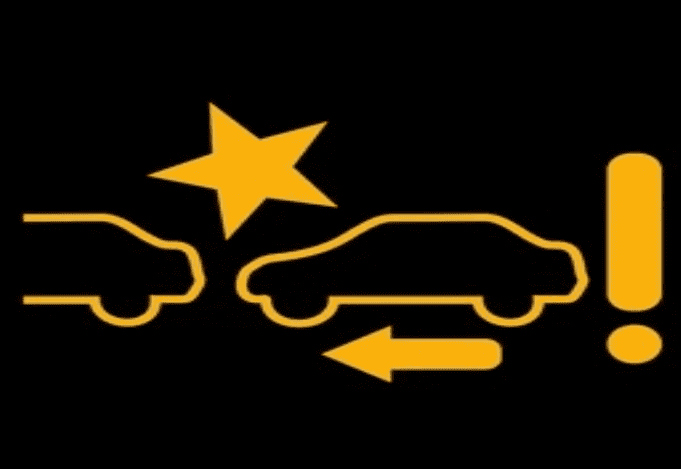
Today at Motor Guide, we are going to talk about a highly discussed topic in modern vehicles, and an extremely important technical feature designed specifically for our safety: the Forward Collision Warning (FCW) system. As professionals in this field, we notice that many people these days do not know exactly how this system works. Therefore, today we will explain the technical side of this system clearly from beginning to end.
What Exactly is FCW?
Simply put, this is a highly advanced safety system that detects a potential accident ahead and warns the driver. The crucial thing to remember here is that this system does not brake the vehicle automatically. Its sole purpose is to notify the driver of impending danger ahead through an auditory beep, a visual flashing light, or steering wheel vibrations. However, it often works in conjunction with the Autonomous Emergency Braking (AEB) system found in some vehicles, which does apply the brakes automatically.
How the System Works: Sensors and Cameras
Let's look at how this system operates inside the vehicle. It is entirely based on various sensor and camera technologies. The main components of this system are the Radar sensors mounted on the vehicle's front grille or bumper, and the Stereo Cameras mounted on the upper part of the windshield, near the interior rearview mirror. Some vehicles even utilize laser scanners alongside these. These sensors and cameras continuously measure and gather information about the road ahead, other vehicles, pedestrians, and animals.
The Technical Deep Dive
Let's understand this process a bit more deeply. By emitting radar waves or laser beams and measuring the time it takes for them to reflect back (Time of Flight), the vehicle's ECU (Electronic Control Unit) calculates the distance to the vehicle ahead and the Relative Speed. This highly efficient calculation happens within milliseconds. The primary metric evaluated here is the Time to Collision (TTC). This means the system calculates exactly how many seconds it will take to hit the vehicle ahead if you continue at your current speed.
Real-Time Analysis and Data Fusion
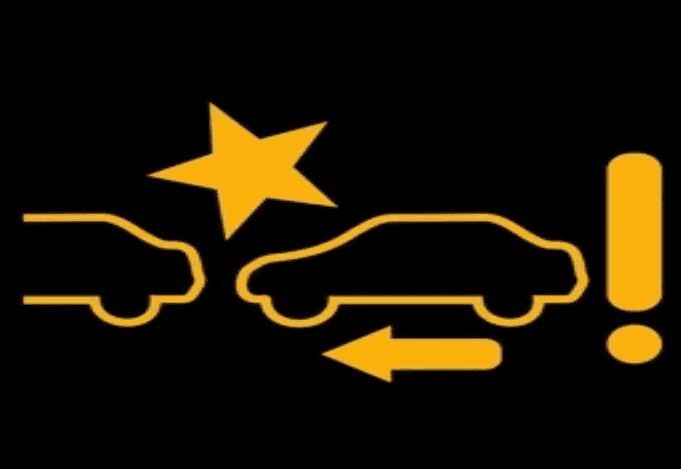
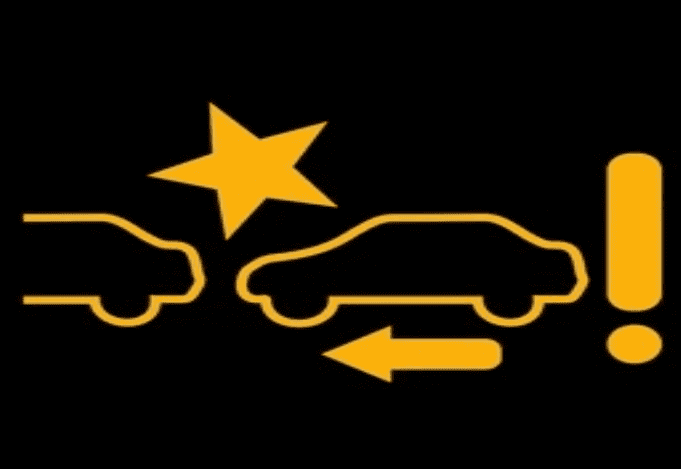
While analyzing this data in real-time, if the vehicle ahead brakes suddenly or if your vehicle approaches it dangerously fast, the system issues warnings in stages. Initially, a yellow warning light might illuminate on the dashboard accompanied by a sound. If the situation becomes critical—meaning a crash is imminent within seconds—it will emit a loud, rapid beeping noise to instantly grab the driver's attention.
One of the most important technical achievements here is minimizing False Positives. If the system were to unnecessarily trigger warnings for streetlights, flying birds, or road signs, it could cause a major accident. That is why cameras and radars are combined using a method called Data Fusion. The system only confirms a genuine hazard ahead when the visual data from the camera is verified by the radar data.
Limitations of the System
It is also important to remember that this system has limitations. Under severe weather conditions like heavy rain, fog, or snow, the visibility of radar waves or cameras can drop significantly. Furthermore, if mud or dirt covers the sensors, the system will stop working and display an 'FCW Unavailable' error on the dashboard. This is why we always recommend keeping the areas covering your vehicle's sensors and cameras clean.
Driver Responsibility and Maintenance
When highly advanced technologies like this are integrated into our vehicles, we must have a proper understanding of them. Many people mistakenly believe that having this system allows them to drive carelessly. No, this is purely a Driver Assistance system meant to help you, not an Autopilot system that takes over the driver's full responsibility. The ultimate responsibility of driving always remains in the hands of the driver.
Because of these factors, it is extremely important to have your Forward Collision Warning system checked via computer scanners during regular service intervals to ensure it is working correctly. Camera Calibration is also absolutely critical; if you replace your windshield or if the camera shifts due to a minor collision, the system will not function accurately without proper recalibration.
Motor Guide's Final Advice
Motor Guide's advice is this: modern vehicle technology is one of the best gifts for our safety. However, never rely completely on systems like Forward Collision Warning. Always stay alert on the road, maintain a Safe Following Distance from the vehicle ahead, and keep your sensors clean. Never forget that this technology is an aid, not a substitute for a driver's attention.
And don't forget to always stay tuned with Motor Guide to learn more valuable information like this about modern vehicles and technology!

எழுதியவர்
Nisaga Sandaru
A versatile and highly experienced professional, currently an Automobile undergraduate at the University of Jaffna, with strong technical expertise grounded in hands-on work as a technician with SriLankan Airlines Ground Support Equipment (GSE). Holding an Automobile NVQ Level 3 qualification, along with specialized certifications in Vehicle ECU Programming and Diagnosis, and extensive experience in arc welding and vehicle body painting, and well equipped to handle complex automotive, diagnostic, and fabrication-related tasks with a high level of competence.