Turbocharged vs. Naturally Aspirated Engines

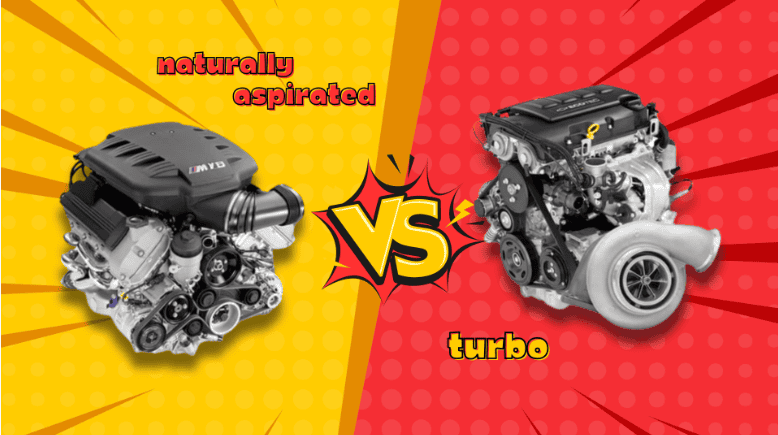
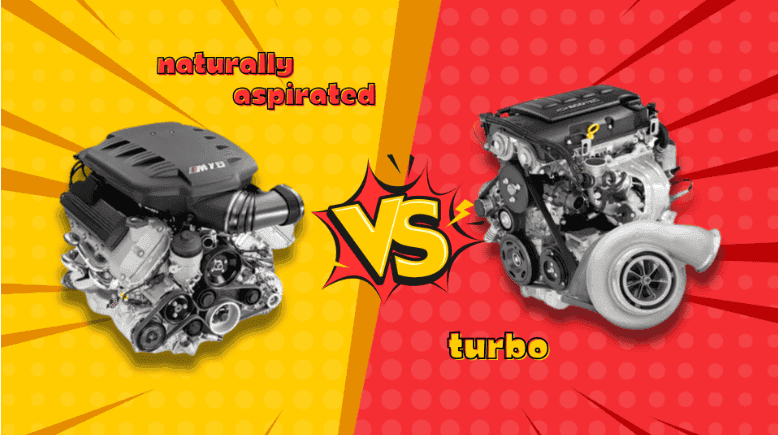
Naturally Aspirated (NA) and Turbocharged engines utilize fundamentally different methods of air intake, directly impacting a vehicle's power delivery, fuel economy, and long-term maintenance.
Naturally Aspirated (NA) Engines
NA engines rely on the traditional vacuum effect created by downward-moving pistons to draw atmospheric air into the cylinders. Because they do not use forced induction, fuel and air mix naturally to generate power. This direct mechanical process ensures incredibly smooth and instantaneous throttle response without any hesitation. In these systems, power output is strictly tied to engine displacement; a 2.5L engine will inherently produce more power than a 1.0L engine.
Turbocharged Engines
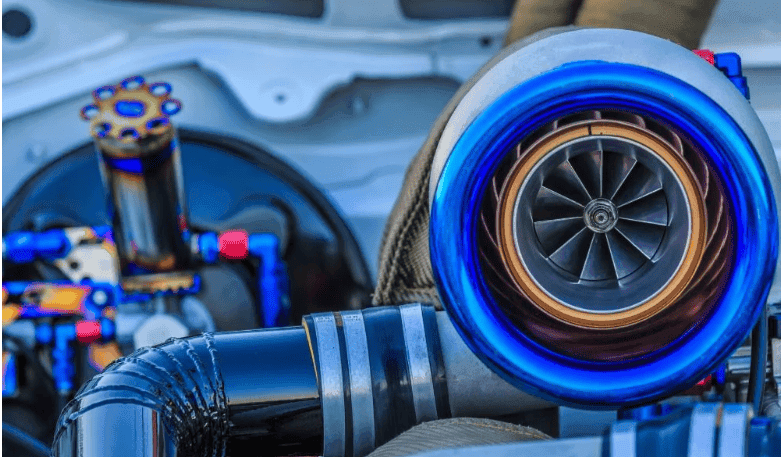
Turbo engines utilize a forced induction system that harnesses the power of expelled exhaust gases to spin a turbine at extremely high speeds. This turbine compresses atmospheric air and forces it into the engine cylinders. Since compressed air is much denser and contains more oxygen, the engine can burn a proportionately larger amount of fuel, allowing a much smaller engine block to generate massive horsepower.
Performance and Maintenance Differences
- Power Delivery (Turbo Lag): Unlike NA engines, a turbocharger requires the engine to generate enough exhaust pressure to spool up the turbine. This creates a brief delay between pressing the accelerator and feeling the surge of power, a phenomenon known as Turbo Lag.
- Fuel Efficiency: Turbo engines are highly efficient during normal highway cruising, acting as fuel-sipping small-displacement engines when the turbo is not actively boosting. However, under aggressive, heavy-footed driving, a turbo engine can consume significantly more fuel than a comparable NA engine.
- Durability and Upkeep: NA engines feature simpler mechanical designs with fewer components, making them highly durable and inexpensive to maintain over decades. Turbocharged systems operate under extreme heat and pressure, demanding strict adherence to maintenance schedules, premium engine oils, and potentially costly repairs if the turbo assembly fails.
If you primarily commute within the city at lower speeds, a Naturally Aspirated engine is the most reliable, low-maintenance, and cost-effective choice. Conversely, if you frequently travel on highways and desire a strong balance of cruising fuel efficiency and aggressive acceleration, a modern turbocharged engine provides a superior driving experience. Stay tuned with Motor Guide for more deep dives into automotive technology!

எழுதியவர்
Nisaga Sandaru
A versatile and highly experienced professional, currently an Automobile undergraduate at the University of Jaffna, with strong technical expertise grounded in hands-on work as a technician with SriLankan Airlines Ground Support Equipment (GSE). Holding an Automobile NVQ Level 3 qualification, along with specialized certifications in Vehicle ECU Programming and Diagnosis, and extensive experience in arc welding and vehicle body painting, and well equipped to handle complex automotive, diagnostic, and fabrication-related tasks with a high level of competence.