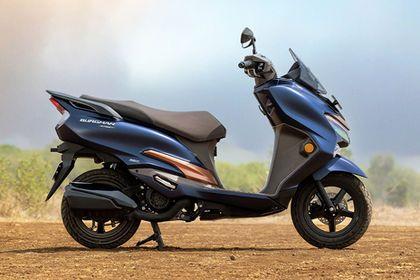
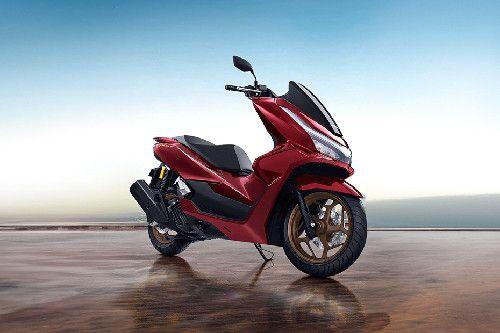
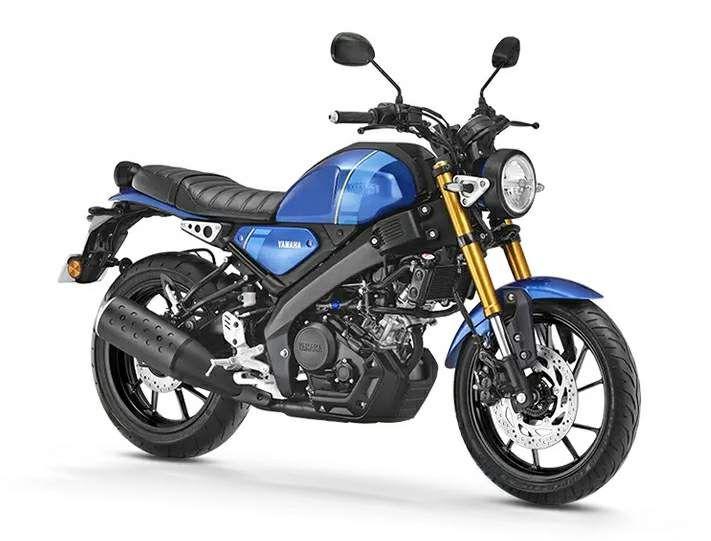
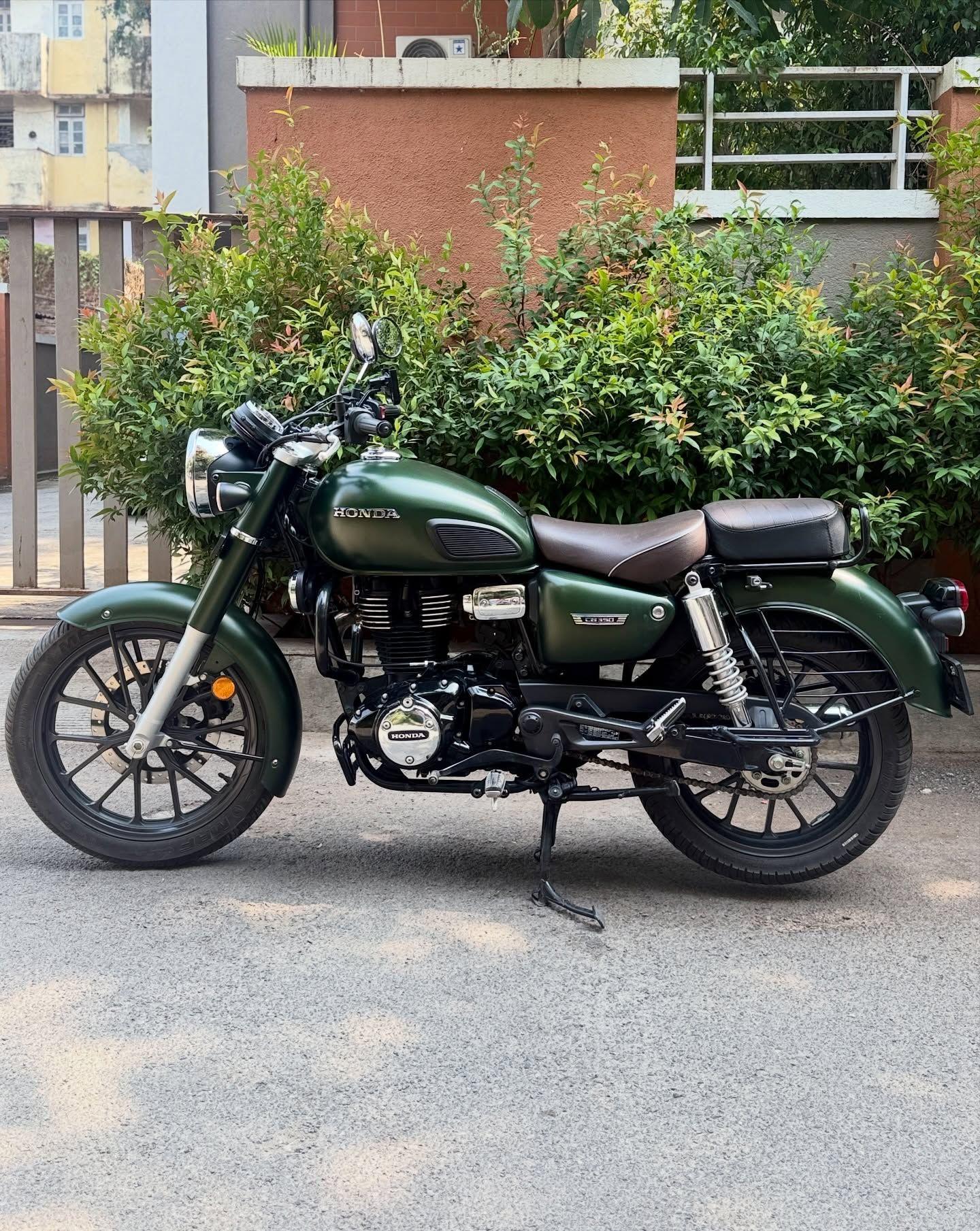
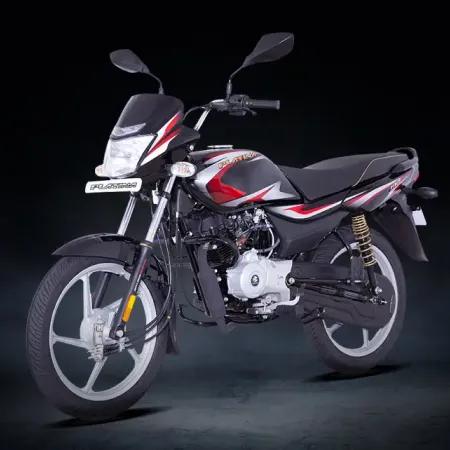
What is a Daytime Running Light (DRL)?


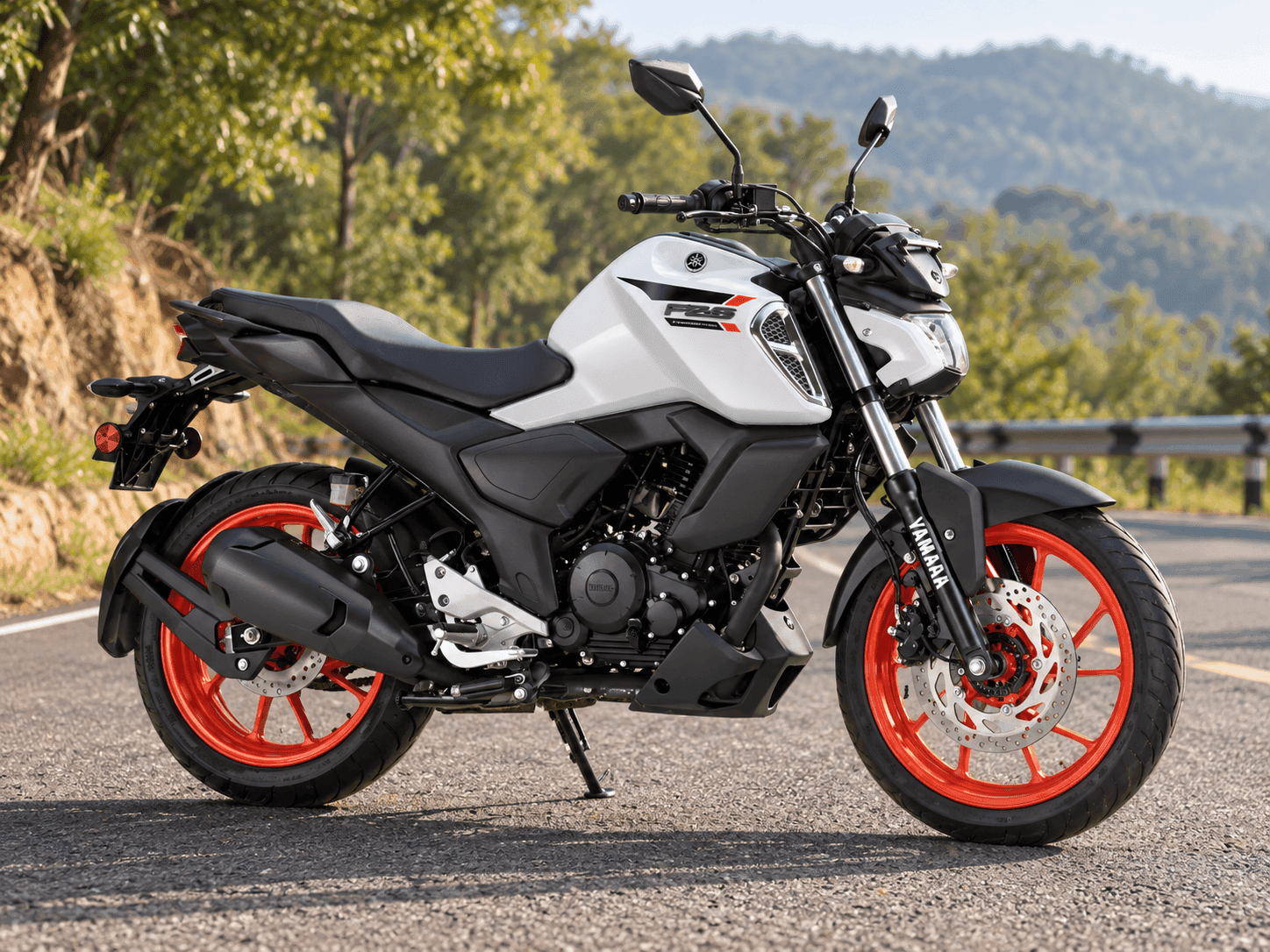
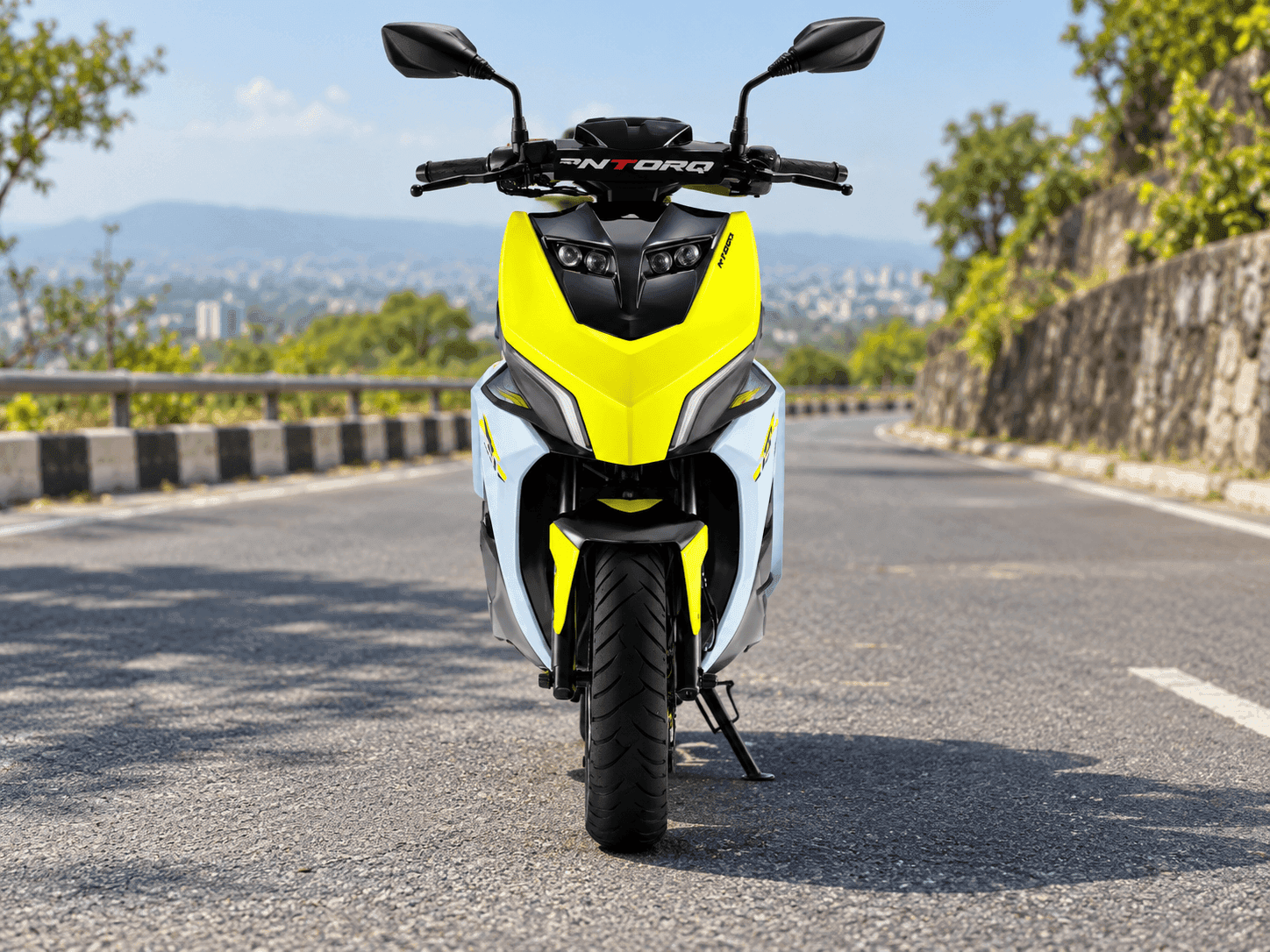
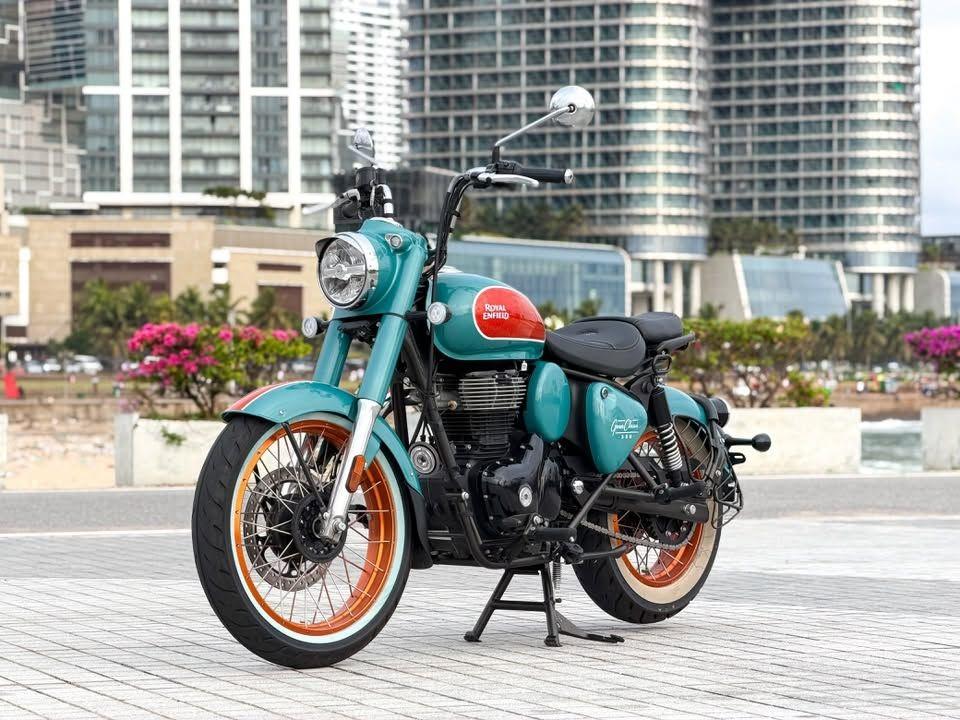
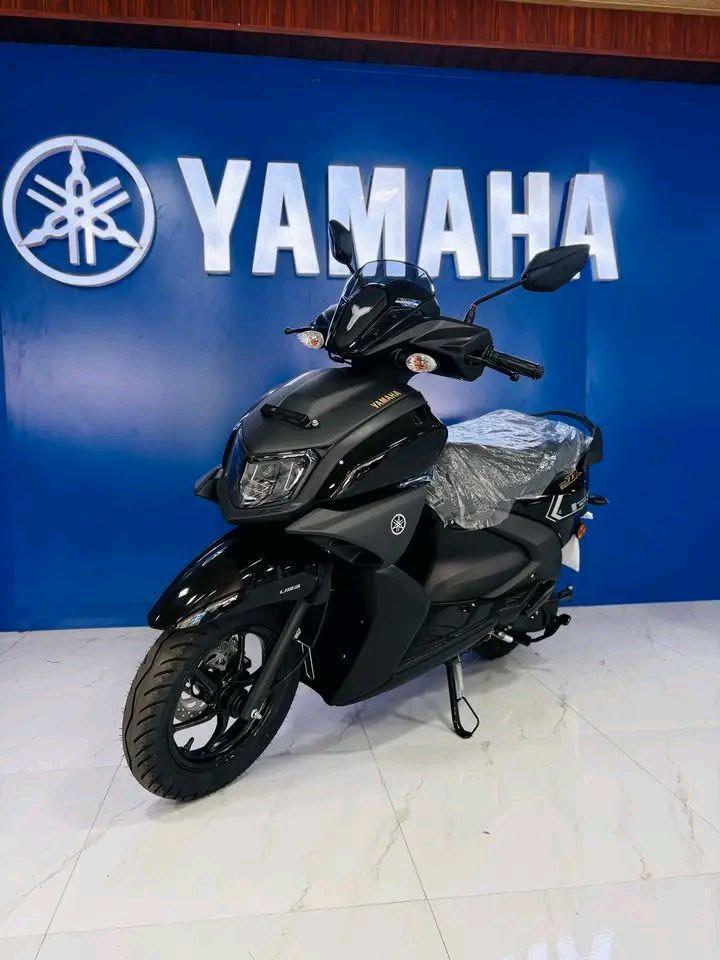
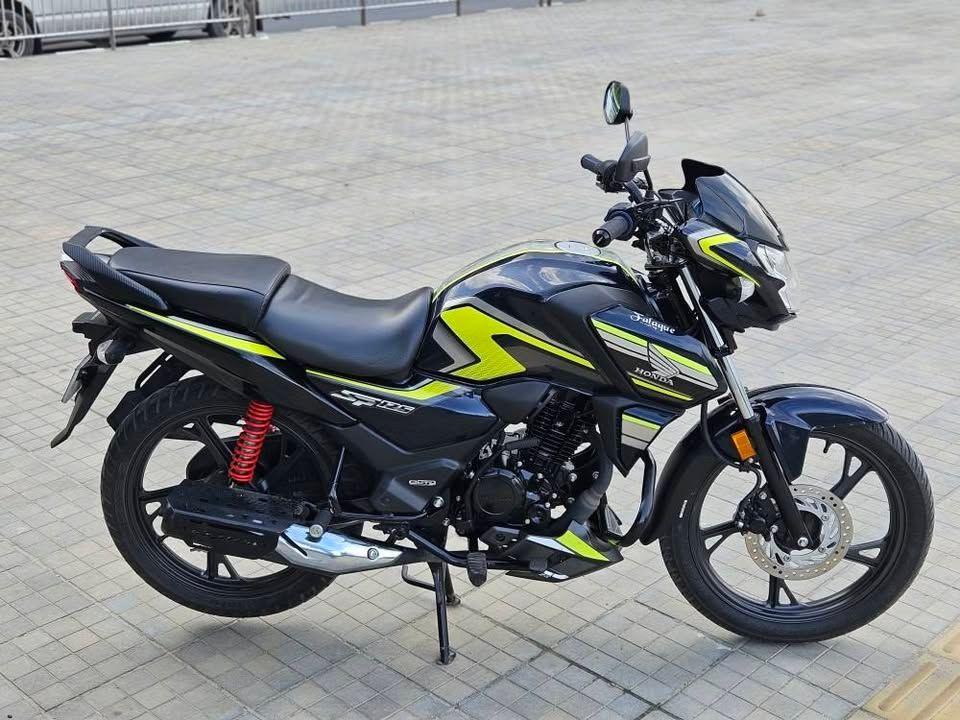
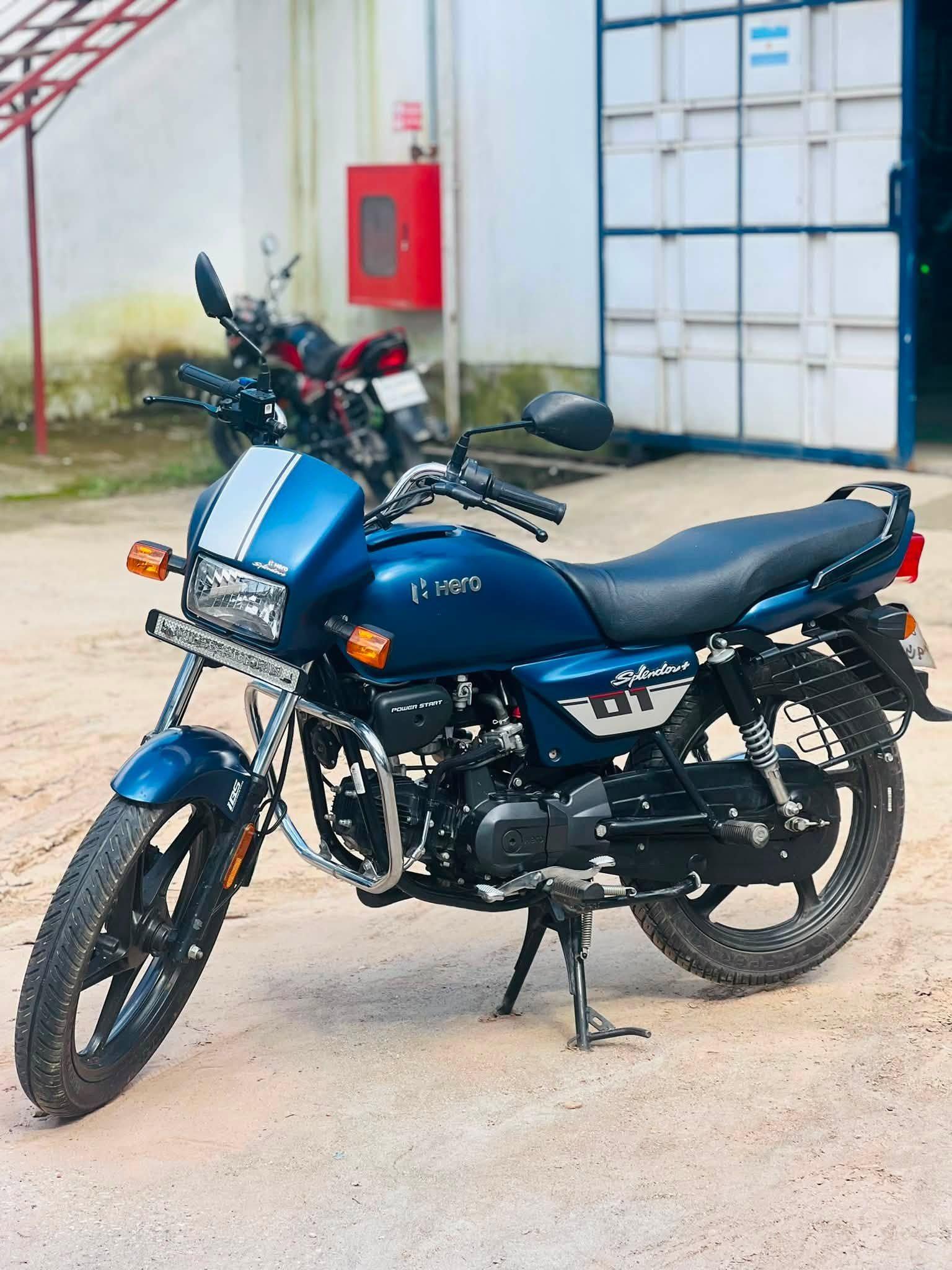
Today at Motor Guide, we are discussing a highly popular and eye-catching technical feature seen on almost all modern vehicles on our roads today: the DRL (Daytime Running Light). From buses and cars to vans and even motorcycles, this specialized lighting system is now widely prevalent. Let's take a comprehensive look at how it works and how crucial it is for a vehicle's safety.
What Exactly is a DRL?
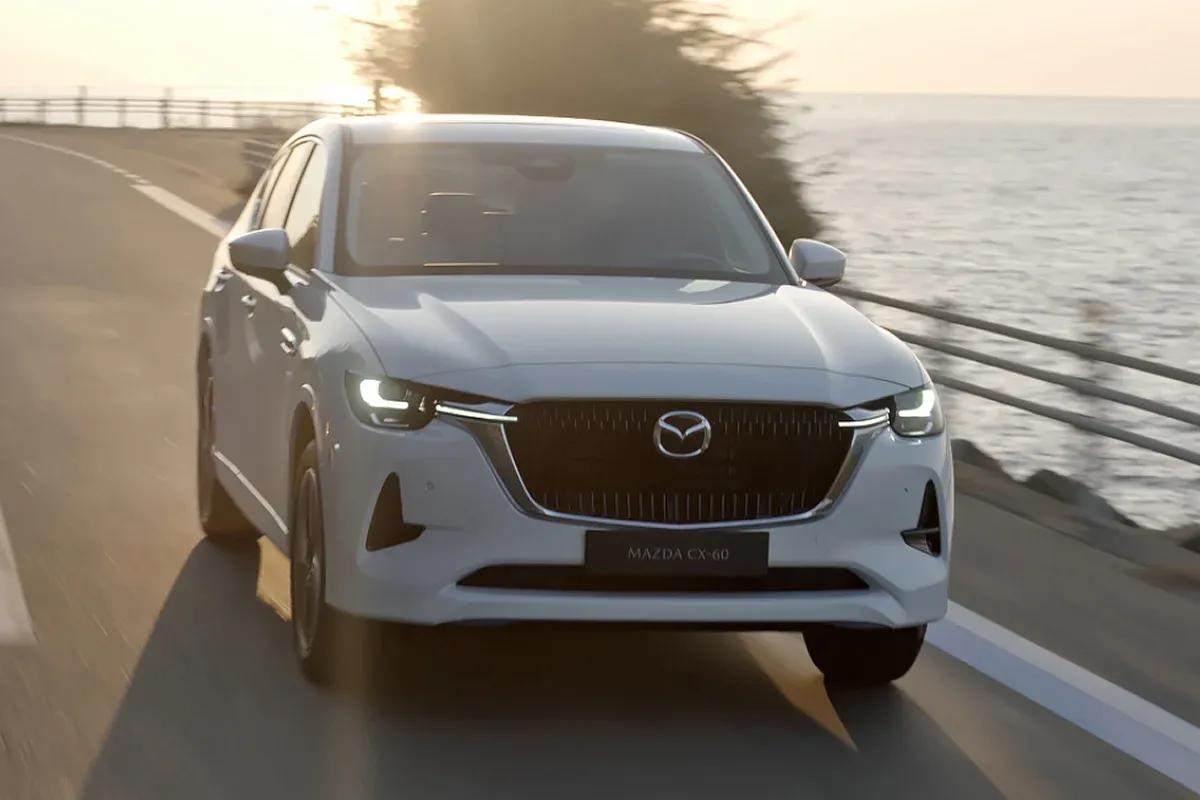
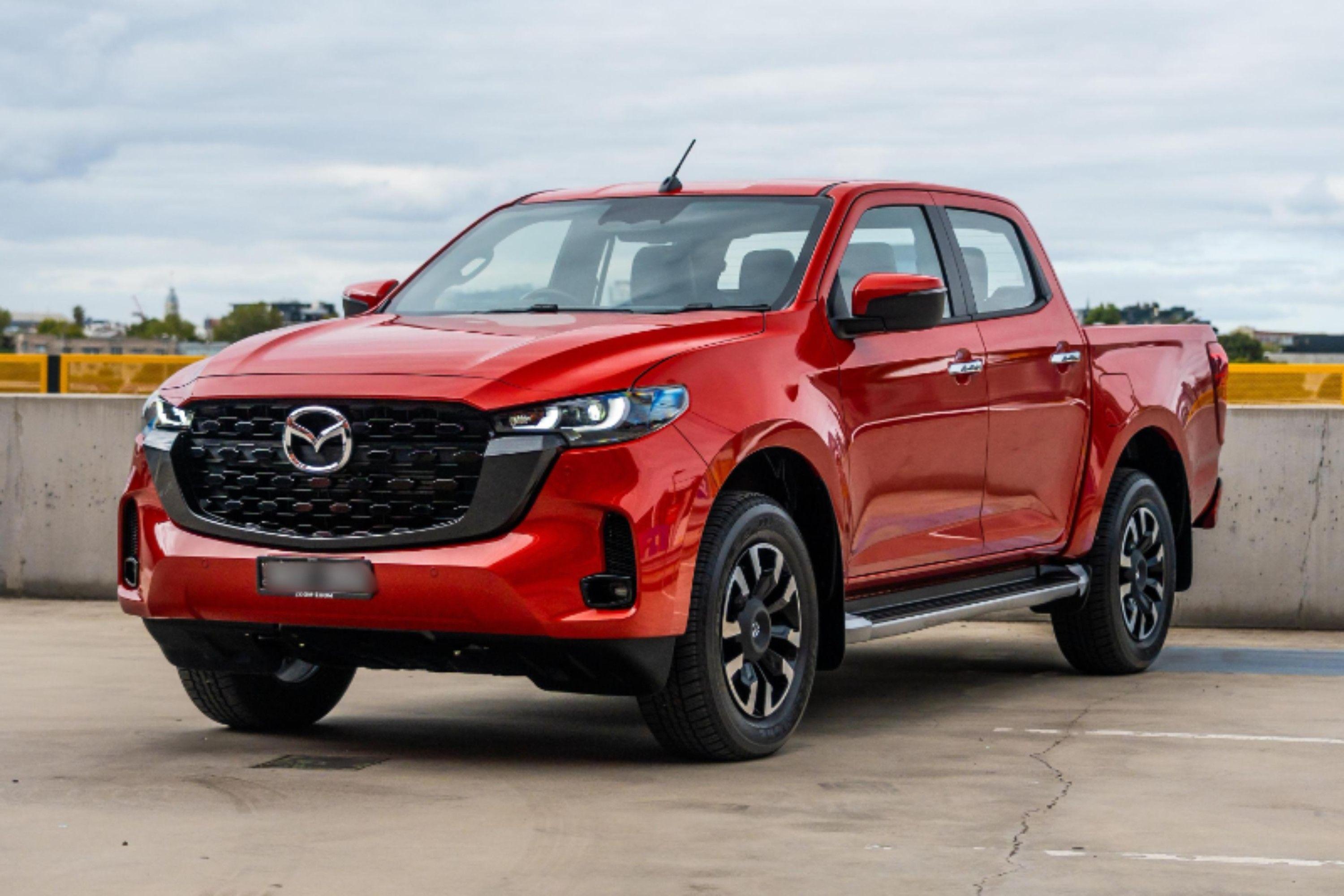
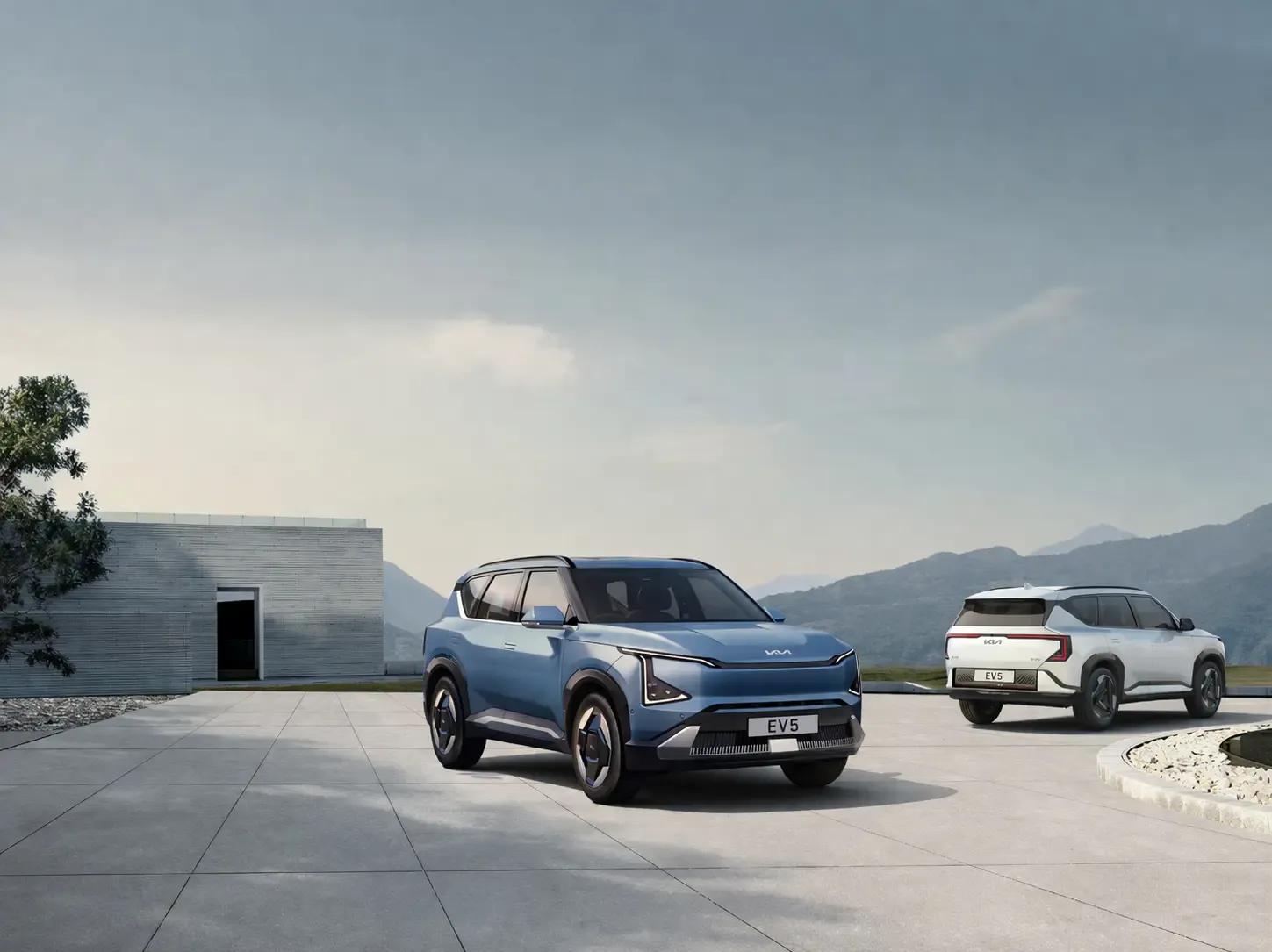
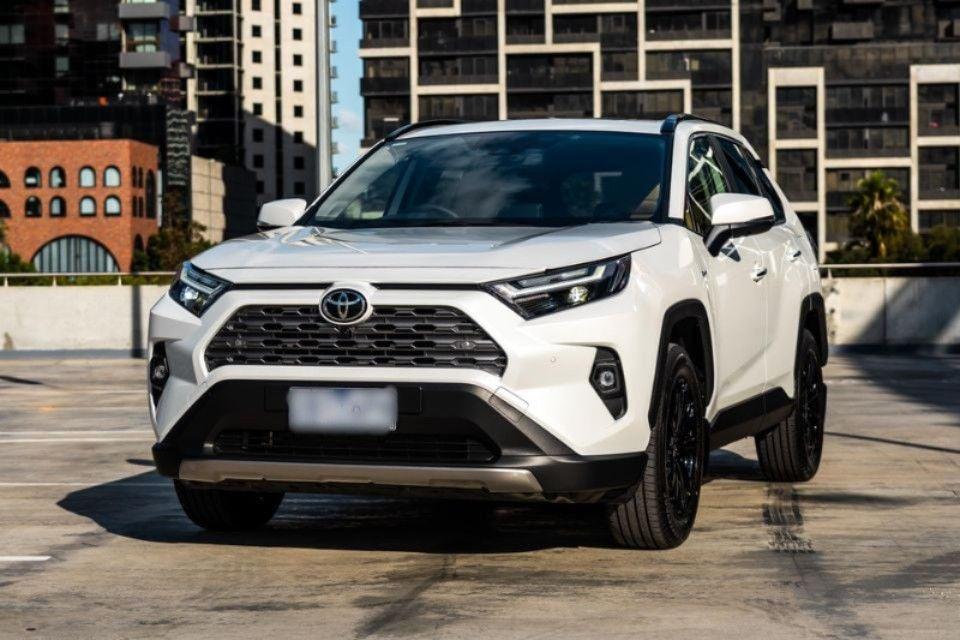
First, let's understand what a DRL is. It is a lighting system mounted on the front of a vehicle that automatically emits a bright—usually LED—light the moment the engine is turned on. These are not designed to help the driver see the road at night; rather, their primary purpose is to make the vehicle highly visible to other drivers and pedestrians during the daytime.
The Principle Behind DRLs
The operation behind this is based on a simple yet vital technical principle. Normally, we use headlights to drive at night. However, during the day, blinding sunlight, heavy rain, thick fog, or shaded roads can make it difficult to spot an oncoming vehicle from a distance. DRLs emit a soft but sharp light that easily catches the attention of other drivers. This allows them to quickly judge exactly where your vehicle is and how fast it is approaching.
A Crucial Safety Feature, Not Just a Style Trend
As professionals in this field, we often notice that many people think DRLs are merely a cosmetic addition or a fashion statement. In reality, it is a highly beneficial feature introduced specifically to ensure safety. This is exactly why the DRL system has been made mandatory for all newly manufactured vehicles in European and other developed countries. This technology has been a massive help in significantly reducing the percentage of daytime accidents.
LED Technology and Power Efficiency
From a technical perspective, LED (Light Emitting Diode) technology is predominantly used for DRLs. The reason is that LED bulbs can provide high-intensity light while consuming a minimal amount of electricity. They also have an exceptionally long lifespan. Compared to standard main headlights, DRLs do not put any extra load on the vehicle's battery or electrical system. In most modern vehicles, they activate automatically as soon as the engine starts, and their brightness automatically dims or alters when the main headlights are turned on at night.
Preventing Accidents on the Road
Research on traffic accident prevention clearly shows that driving with lights on during the day can drastically prevent collisions when bypassing oncoming traffic or crossing intersections. Especially for dark-colored vehicles that often blend into their surroundings during the day, DRLs make their presence unmistakably clear to other drivers, providing a massive advantage in avoiding accidents.
Motor Guide's Final Advice
In our country, there are still drivers who lack a complete understanding of this feature. Some mistakenly believe that keeping them on during the day will drain the battery or burn out the bulbs. However, modern LED DRL systems are highly durable and have zero negative impact on fuel consumption or battery life. Utilizing them is the smartest choice you can make.
Finally, Motor Guide's advice is this: whether you drive a modern vehicle or plan to buy one in the future, thoroughly understand the importance of the DRL system and use it properly. Always remember that these are not just decorative accessories, but essential technical tools designed to protect your life and the lives of others.
And don't forget to always stay tuned with Motor Guide to learn more valuable information like this about modern vehicles and technology!

எழுதியவர்
Nisaga Sandaru
A versatile and highly experienced professional, currently an Automobile undergraduate at the University of Jaffna, with strong technical expertise grounded in hands-on work as a technician with SriLankan Airlines Ground Support Equipment (GSE). Holding an Automobile NVQ Level 3 qualification, along with specialized certifications in Vehicle ECU Programming and Diagnosis, and extensive experience in arc welding and vehicle body painting, and well equipped to handle complex automotive, diagnostic, and fabrication-related tasks with a high level of competence.