What is the Confusion Surrounding Digital Insurance Cards?

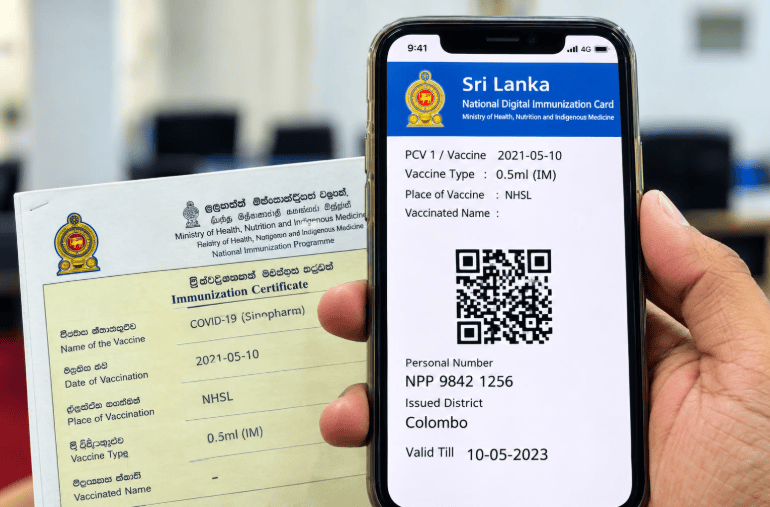
Today at Motor Guide, we are discussing a highly debated and frequently problematic topic among drivers these days: the Digital Insurance Card and the various complications surrounding its use during traffic police checks. As industry professionals, we notice that when new technology is introduced, certain crises arise simply because both the general public and law enforcement authorities do not fully understand it.
The Shift to Digital and the Current Problem
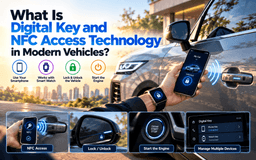
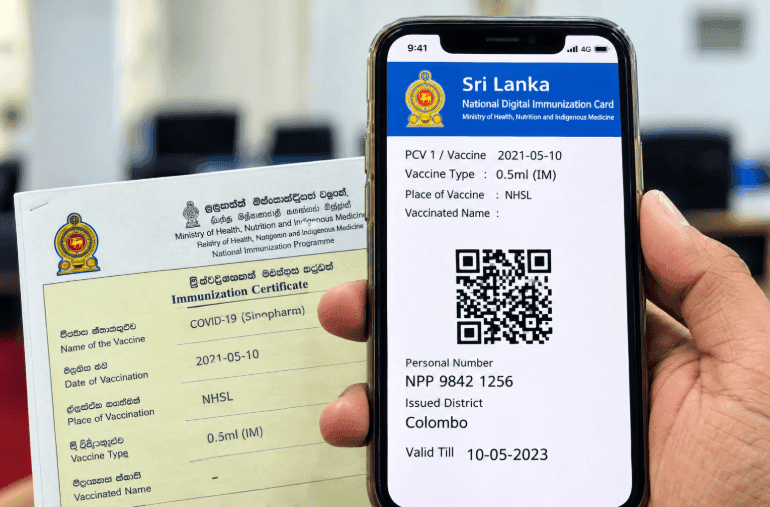
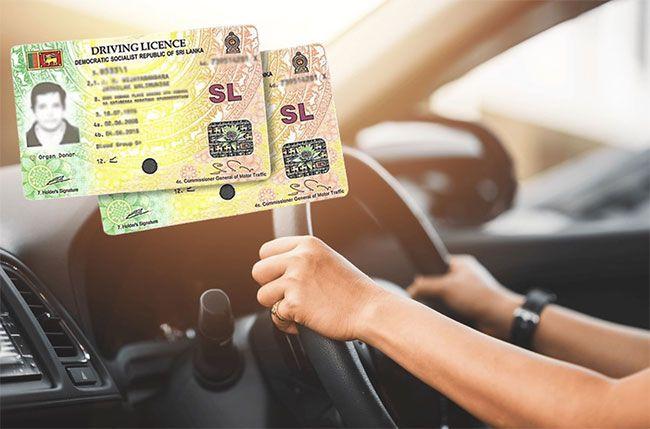
First, we must talk about the changes that occurred after the digital insurance card system was introduced in our country. Normally, keeping a vehicle insurance certificate is a mandatory law when driving. These certificates, which were previously issued only in traditional paper format, have recently merged with modern technology and transformed into a digital medium. Currently, 14 insurance companies issue these digital insurance cards.
However, the problem arises here: drivers constantly complain that Headquarters Inspectors (HQIs), Officers-in-Charge (OICs), or certain traffic police officers on duty are still reluctant to accept these digital cards or lack proper awareness about them. In some instances, officers claim that these digital cards are illegal and strictly demand a printed paper document.
The True Legal Status
The Inspector General of Police (IGP) has specifically pointed out that this situation is completely wrong. Accordingly, OICs, HQIs, and all senior officers across all police stations in Sri Lanka have been clearly informed that the digital insurance cards issued by these 14 institutions are entirely legal and must be fully accepted without any hesitation. Therefore, if you have this digital insurance card securely saved on your smartphone or any other electronic device, no police officer has the authority to fine you or cause legal trouble by claiming it is illegal.
The #133# USSD Alternative
However, if in an emergency you cannot display this card on a smartphone or digital medium, or if the insurance company has not yet properly issued the digital card, a much easier alternative technical method has been introduced. You can use any standard mobile phone for this (the type of mobile phone does not matter).
This technical process is very simple. All you have to do is dial the USSD code #133# from your phone. Then, through the menu that appears on the screen, you must enter your vehicle number or insurance policy number. When you enter the relevant numbers by following the provided instructions, you can instantly receive real-time information regarding your insurance status and whether the cover is active directly on your phone screen. This gives traffic police officers the perfect opportunity to verify the validity of the vehicle's insurance right at that moment.
What to Do in Case of Unfair Treatment
Another important point is facing misplaced fines or unnecessary harassment from police officers when insurance companies haven't issued digital cards yet or you simply don't have it on hand. If you face such unfair situations, guidelines have been provided to take action against it. If police OICs or other officers are reluctant to accept this new system or create unnecessary issues regarding it, a special coordination program has been established.
A special team operating under the Director (Supervision) monitors this. If a problem arises, you can directly contact them or send a WhatsApp message to 070 47 55 600 to provide relevant information and lodge a complaint. In such an event, the relevant departments are prepared to intervene instantly and resolve the issue. Therefore, as drivers, you should utilize these technological facilities without any fear.
Motor Guide's Final Advice
Motor Guide's final advice is that it is essential to be law-abiding while driving as well as to adapt to modern technology. Rather than arguing with police officers, ensure you act legally by showing the digital card or using the #133# method. Do not hesitate to inform the proper authorities if any injustice occurs. And don't forget to always stay tuned with Motor Guide to learn more valuable information like this about modern vehicles and technology!

எழுதியவர்
Nisaga Sandaru
A versatile and highly experienced professional, currently an Automobile undergraduate at the University of Jaffna, with strong technical expertise grounded in hands-on work as a technician with SriLankan Airlines Ground Support Equipment (GSE). Holding an Automobile NVQ Level 3 qualification, along with specialized certifications in Vehicle ECU Programming and Diagnosis, and extensive experience in arc welding and vehicle body painting, and well equipped to handle complex automotive, diagnostic, and fabrication-related tasks with a high level of competence.