What Exactly is Turbo Lag?

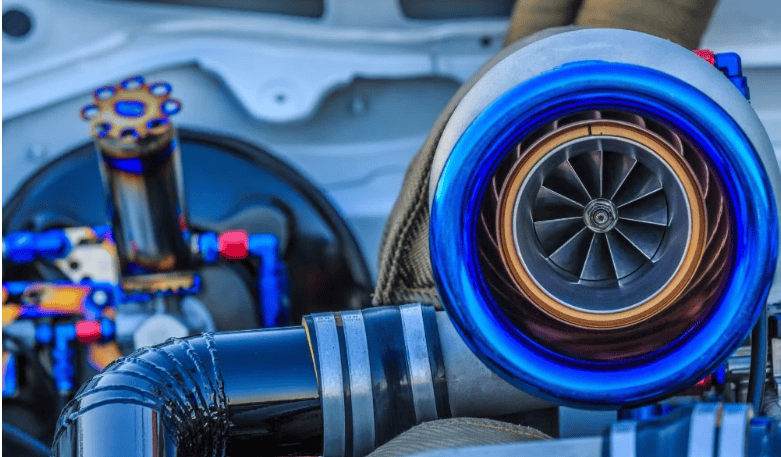
Today at Motor Guide, we are exploring a highly discussed phenomenon experienced by many who drive turbocharged vehicles: "Turbo Lag." As manufacturers increasingly downsize engines and add turbochargers to maximize power, understanding what this delay is, how it occurs, and the technological solutions available is crucial for any driver.
Understanding the Delay
Simply put, when you press the accelerator pedal and experience a noticeable delay before the engine delivers the expected surge of speed and power, that gap is called Turbo Lag. Many drivers assume an engine should react instantly the moment the pedal is pressed. However, in a turbocharged vehicle, power delivery is not instantaneous; it takes a fraction of a second or more for the turbo to engage and propel the vehicle forward.
The Technical Process Behind the Lag
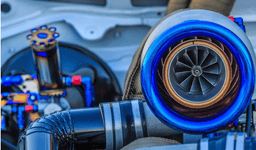
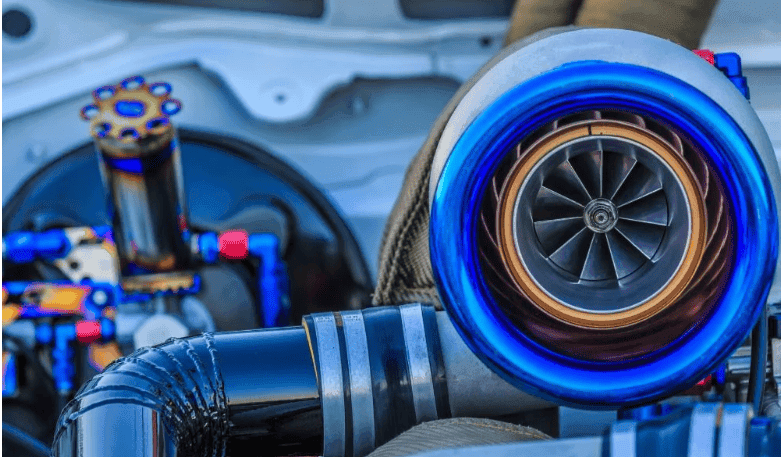
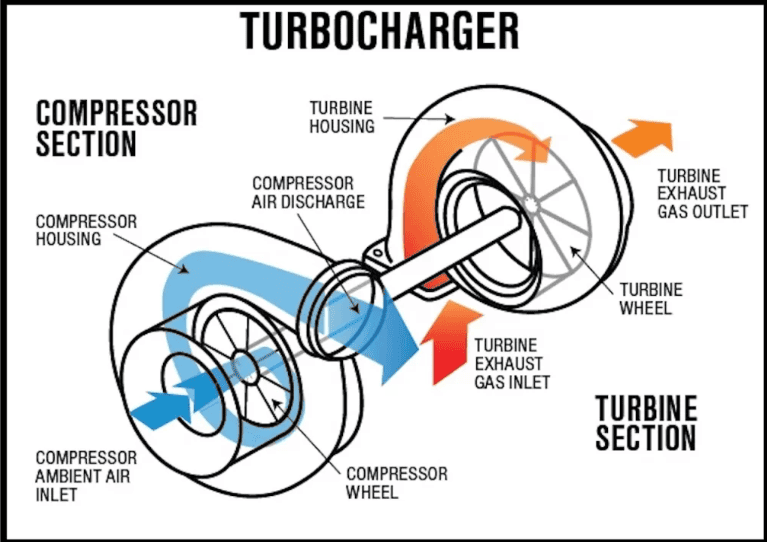
A fascinating technical process causes this delay. A turbocharger is fundamentally driven by the engine's exhaust gases. When you press the accelerator, more fuel and air mix into the engine, creating larger combustions. This increases the volume of exhaust gases, which then spin the turbine wheel inside the turbocharger at extreme speeds. As this turbine wheel spins, the connected compressor wheel forces compressed air back into the engine.
This entire cycle takes a brief moment to complete. The short time gap required for the engine to produce enough exhaust gas to "spool up" the turbine to its maximum speed is what we call Turbo Lag. When the engine is operating at low RPMs, it does not produce enough exhaust pressure to operate the turbo effectively, preventing it from delivering a massive surge of power all at once.
Modern Engineering Solutions
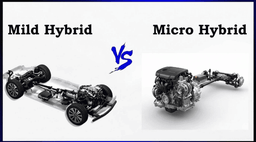
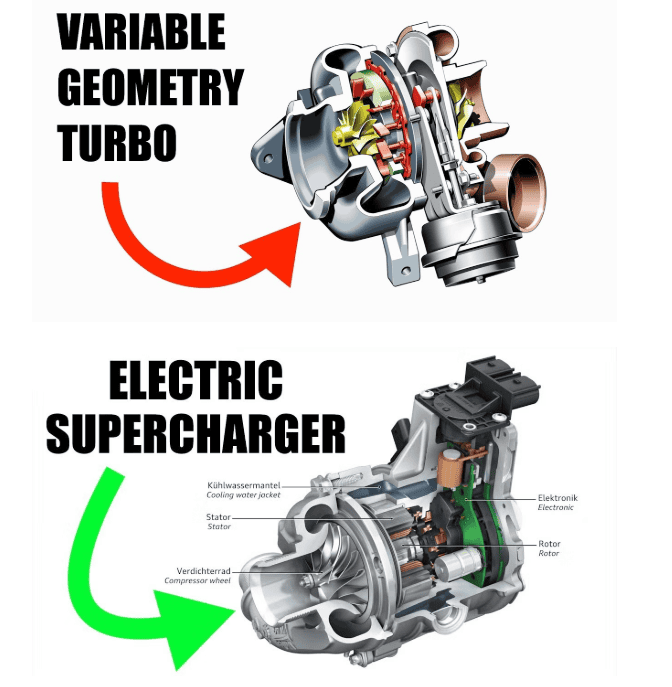
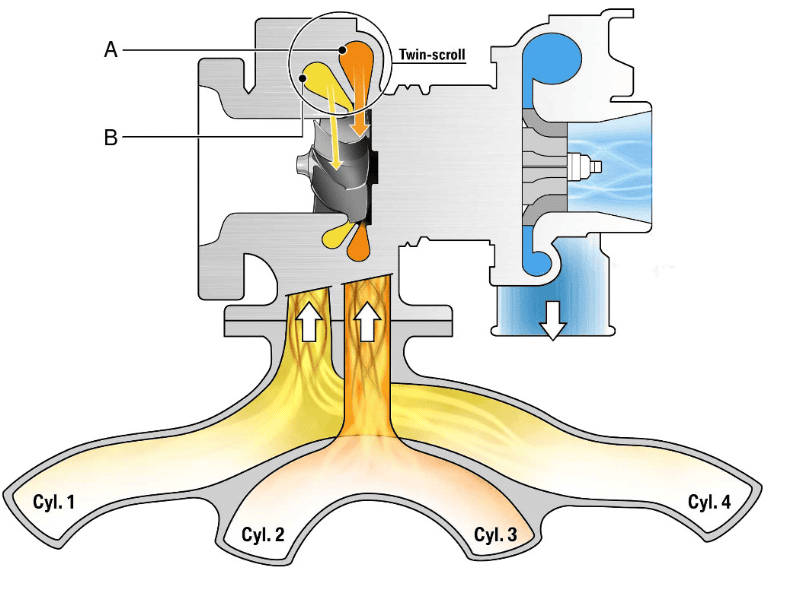
Over the years, automotive engineers have developed several advanced methods to combat this issue. Twin-Scroll Turbochargers divide the exhaust gases into two separate paths, allowing the turbo to spool up much faster at lower RPMs. Variable Geometry Turbochargers (VGT), widely used in diesel and some petrol engines, alter the angle of the internal vanes to provide high boost pressure even at low engine speeds. Finally, Electric Superchargers (often paired with mild-hybrid systems) use a small electric motor to instantly spin the compressor the moment you press the pedal, virtually eliminating lag before the exhaust gases take over.
Key Points for Turbo Vehicle Owners
- Low RPM Operation: Remember that it takes time for the turbo to fully engage when the engine is running at low RPMs.
- Driving Style: Understanding turbo lag makes vehicle control much easier and can significantly improve fuel efficiency. Keep the engine within the optimal RPM range to avoid sudden power gaps.
- Technological Assistance: Be aware of whether your vehicle uses VGT, Twin-scroll, or Electric Supercharger technology to manage this delay.
- Engine Longevity: Always change your engine oil on time. After a long drive, let the engine idle for a short period before turning it off to allow the turbocharger to cool down properly.
Motor Guide's advice is that if you plan to buy or drive a turbocharged vehicle, take it for a test drive to see how well the manufacturer has managed the turbo lag by accelerating suddenly from low speeds. Many drivers are unaware of this delay when buying turbo vehicles, which can lead to dangerous situations if power lags during a high-speed overtake. Keep a good feel for the lag and maintain proper engine RPMs to navigate safely. And don't forget to always stay tuned with Motor Guide to learn more valuable information like this about modern vehicles and technology!

எழுதியவர்
Nisaga Sandaru
A versatile and highly experienced professional, currently an Automobile undergraduate at the University of Jaffna, with strong technical expertise grounded in hands-on work as a technician with SriLankan Airlines Ground Support Equipment (GSE). Holding an Automobile NVQ Level 3 qualification, along with specialized certifications in Vehicle ECU Programming and Diagnosis, and extensive experience in arc welding and vehicle body painting, and well equipped to handle complex automotive, diagnostic, and fabrication-related tasks with a high level of competence.