2026 Electric Vehicle (EV) Regulations and Battery Disposal Laws in Sri Lanka

The year 2026 marks a massive turning point not just globally, but specifically within our local automotive sector. When discussing Electric Vehicles (EVs), the era of simply thinking "it has a battery, it has a motor, it runs" is over. A set of very strict regulations is now in operation. As Motor Guide, we believe the most important thing is to be fully aware of these new EV regulations Sri Lanka 2026 has implemented. These aren't just rules written on paper; they directly affect your safety on the road and the protection of the environment.
1. The "Battery Passport" and Warranty Rules
First, let's talk about the new regulations regarding the vehicle itself. It is now mandatory for every electric vehicle manufactured to have a "Battery Passport." This acts like a birth certificate for the vehicle.
Through this passport, anyone can check where the battery was made, what raw materials were used, and its current "State of Health" at any time. Furthermore, under the 2026 regulations, there is a law stating that a vehicle's battery must maintain at least 70% capacity for 8 years or 160,000 kilometers. This is a huge relief for the consumer, as the manufacturer is forced to take responsibility for the battery's durability.
2. Cybersecurity and Technical Safety
Next comes the technical safety of these vehicles. From 2026 onwards, every EV must have a special certification regarding Cybersecurity. Since modern vehicles are essentially computers connected to the internet, these new EV legal rules Sri Lanka enforces help eliminate the risk of software hacking or unauthorized control.
Moreover, new standards have been introduced for the Battery Management System (BMS). This has made it possible to prevent nearly 99% of accidents, such as fires caused by "Thermal Runaway" (battery overheating).
3. The Battery Disposal Law
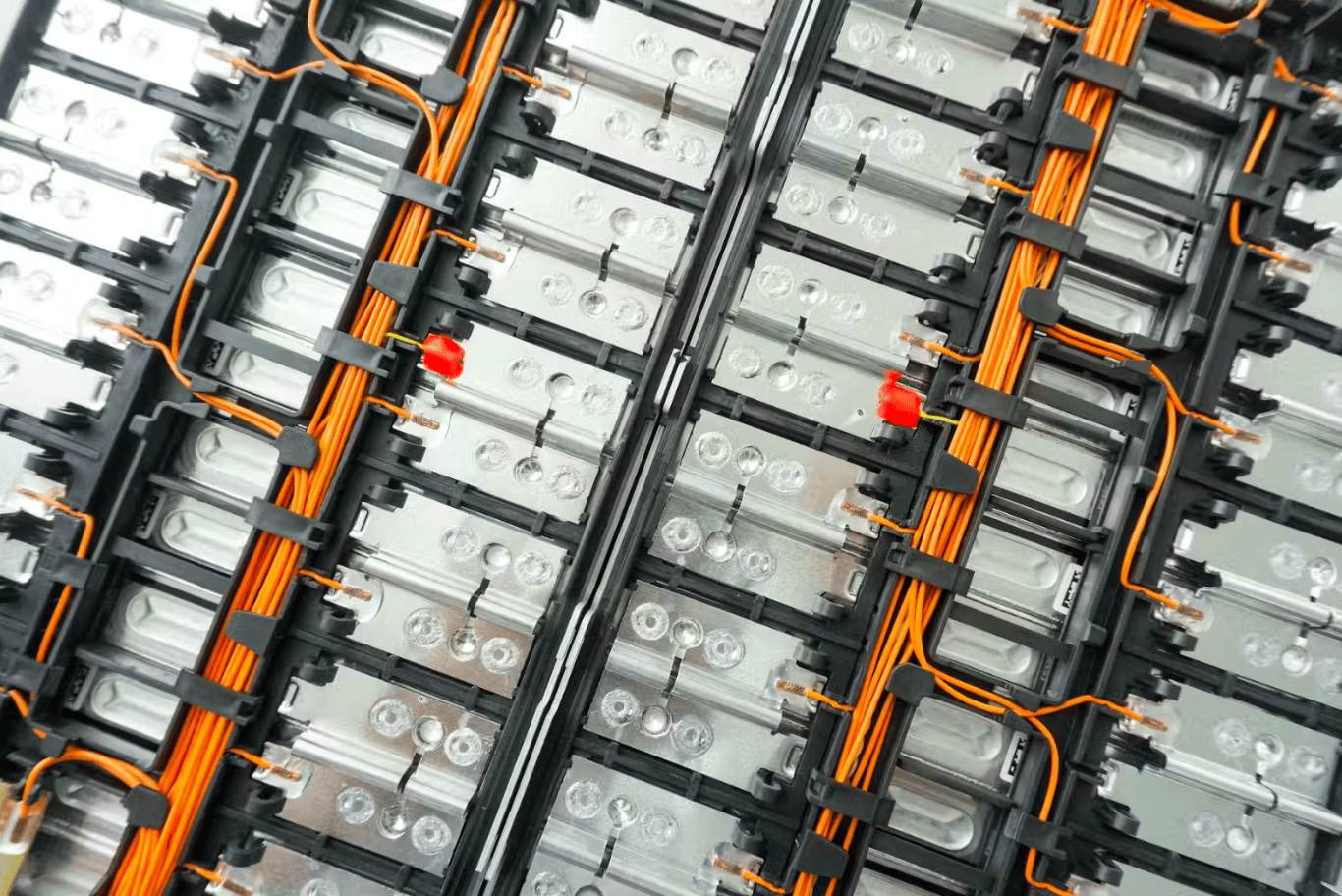
Now let's turn to the most critical part of this topic: the electric vehicle battery disposal law. An old EV battery is not something you can simply throw in the dustbin. Inside, there are valuable yet environmentally harmful materials like Lithium, Cobalt, and Nickel.
According to the new 2026 law, a decommissioned battery is not treated as "waste"; it is treated as a "resource." Therefore, the concept of EPR (Extended Producer Responsibility) is now in effect. This means the company that manufactured the battery must take it back and accept responsibility for preventing environmental damage.
4. Second-Life Applications and Recycling
You need to know the two main paths a battery takes after it is removed from a vehicle:
- Second-life applications: Even if a battery doesn't have enough power to run a vehicle, it still holds significant energy. It is now legally mandatory to reuse these batteries for "Solar storage" or home electricity storage systems. This ensures maximum utility is derived from the battery before disposal.
- Recycling: By 2026, the accepted global standard is that at least 80% of the Lithium and 95% of the Cobalt and Nickel must be extracted and used to make new batteries. This is a complex chemical process. Ordinary people cannot simply dismantle and throw these away. Therefore, only authorized centers specifically licensed for battery disposal should handle this task.
Motor Guide Advice: If you are using an EV in 2026, stay informed about your battery's health. Keep your service records accurate. When the battery gets old, do not give it to unauthorized dealers. Under the new law, the battery belongs to its entire lifecycle, not just the vehicle. Adhering to these regulations protects both your wallet and our environment. As technology advances, we must update our knowledge along with it.

Written by
Nisaga Sandaru
A versatile and highly experienced professional, currently an Automobile undergraduate at the University of Jaffna, with strong technical expertise grounded in hands-on work as a technician with SriLankan Airlines Ground Support Equipment (GSE). Holding an Automobile NVQ Level 3 qualification, along with specialized certifications in Vehicle ECU Programming and Diagnosis, and extensive experience in arc welding and vehicle body painting, and well equipped to handle complex automotive, diagnostic, and fabrication-related tasks with a high level of competence.