Sri Lanka Vehicle Import Restrictions Relaxed: New Rules for 2026

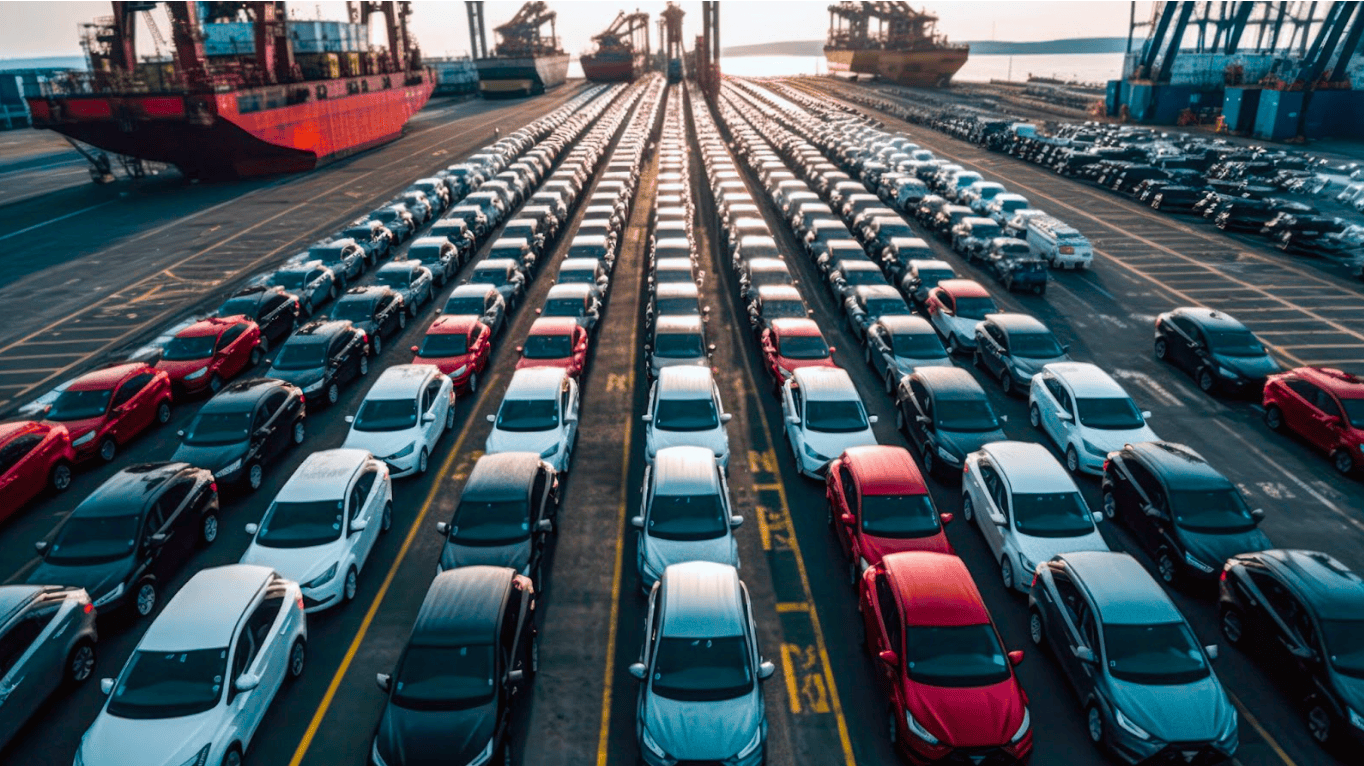
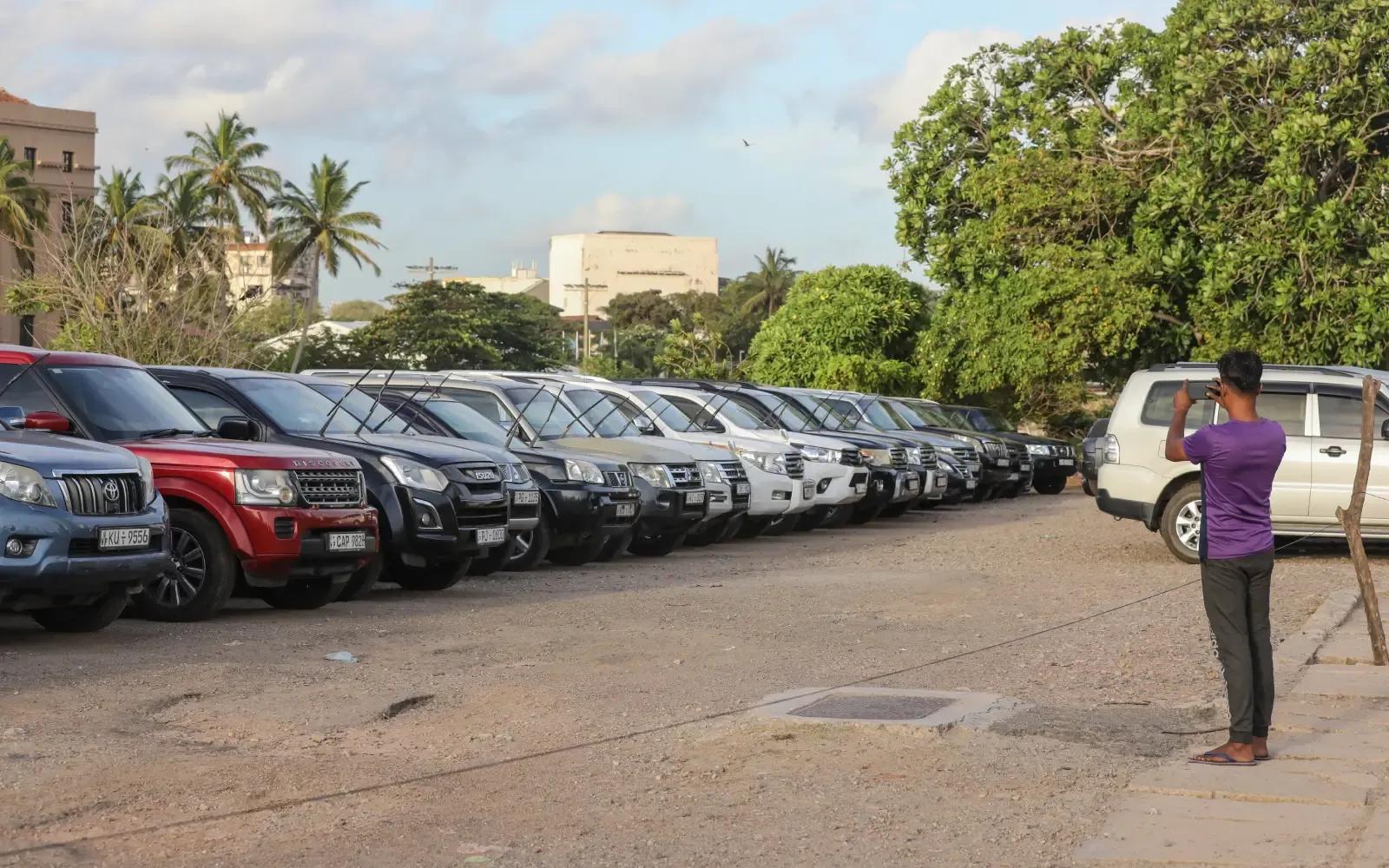
We are now in the early months of 2026. The government has systematically relaxed the vehicle import restrictions, which had been the biggest issue in our country's automotive sector for years. As Motor Guide, we see this as a massive victory for vehicle enthusiasts and the general public alike.
However, with this newfound freedom comes a strict set of technical regulations for importing and registering a vehicle in Sri Lanka. If you try to import vehicles thinking in the old way, you might land yourself in significant trouble. Today, we will explain the new vehicle import rules Sri Lanka 2026 and the latest registration regulations in detail, along with the technical facts.
Phases and Priorities of Relaxation
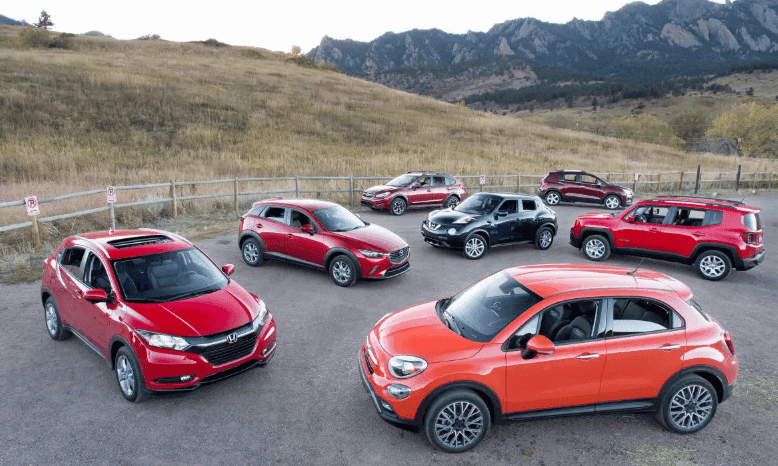
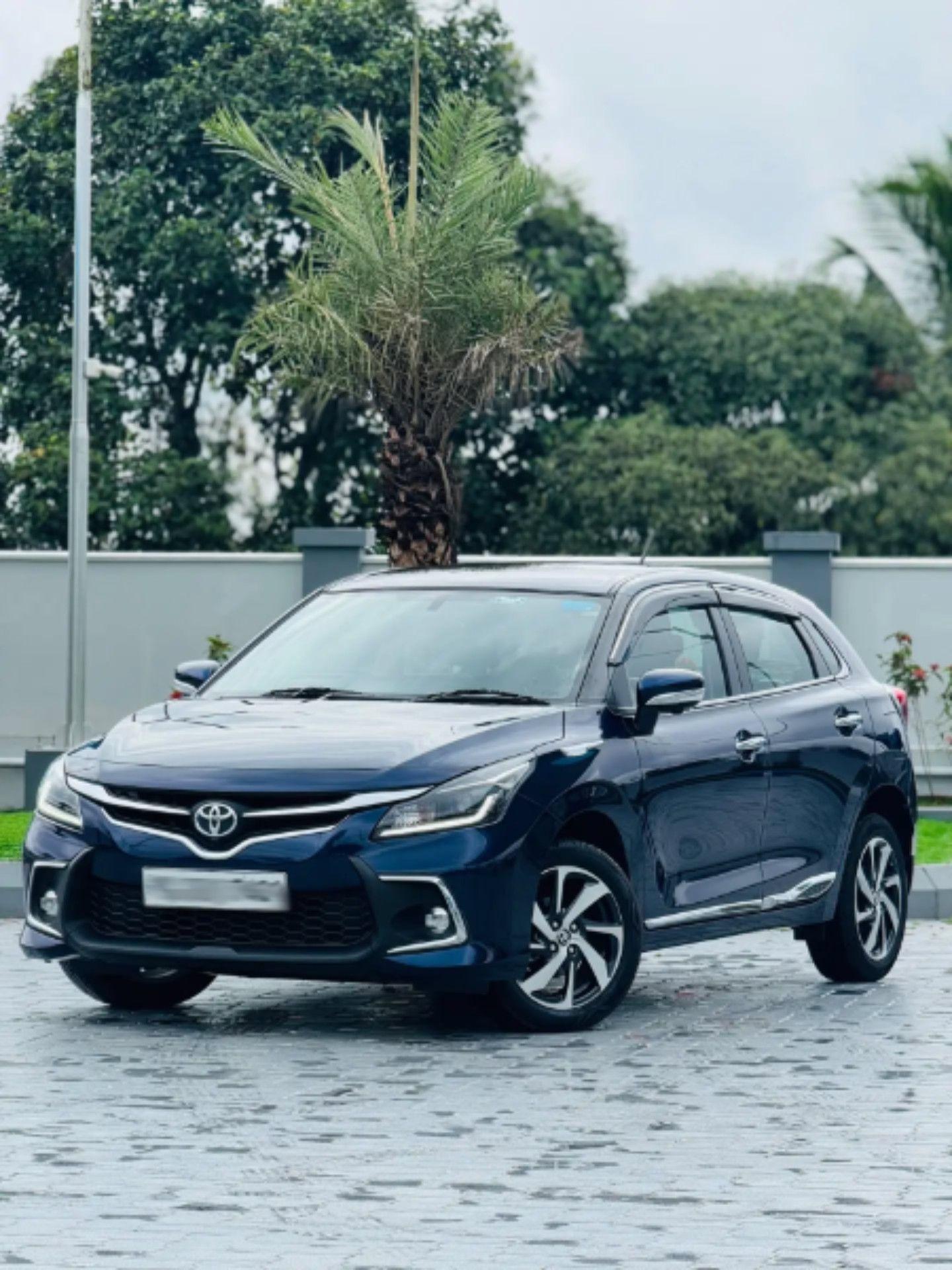
In 2026, import restrictions were not relaxed all at once. The government first allowed public transport services, school vans, and goods transport lorries. Now, the opportunity has been extended to private cars and motorcycles. However, a special quota has been reserved for "Zero Emission" Electric Vehicles (EVs).
There are strict laws regarding the Year of Manufacture and engine capacity when importing fuel vehicles. Specifically, the regulation that private vehicles must not be older than three years from the date of manufacture is being enforced very strictly.
Environmental Standards and Euro 6 Law
This point needs special emphasis. Any fuel (Petrol/Diesel) vehicle imported to Sri Lanka in 2026 must comply with the Euro 6 or higher environmental standard. You are no longer allowed to import Euro 4 vehicles as in the past.
Here, the emission of toxic gases like Carbon Dioxide and Nitrogen Oxide must be at a minimal level. Before registering the vehicle, the Department of Motor Traffic meticulously checks the vehicle's "Emission Standard Certificate." If that certificate is not up to standard, you cannot proceed with the car registration changes Sri Lanka mandates.
New Regulations for Electric Vehicles (EV)
In 2026, the government is mostly encouraging the import of EVs. A special tax relief package has been introduced for this. However, this does not mean you can import just any EV. For every imported electric vehicle, the manufacturer must provide a Battery Warranty of more than 5 years or 100,000 kilometers.
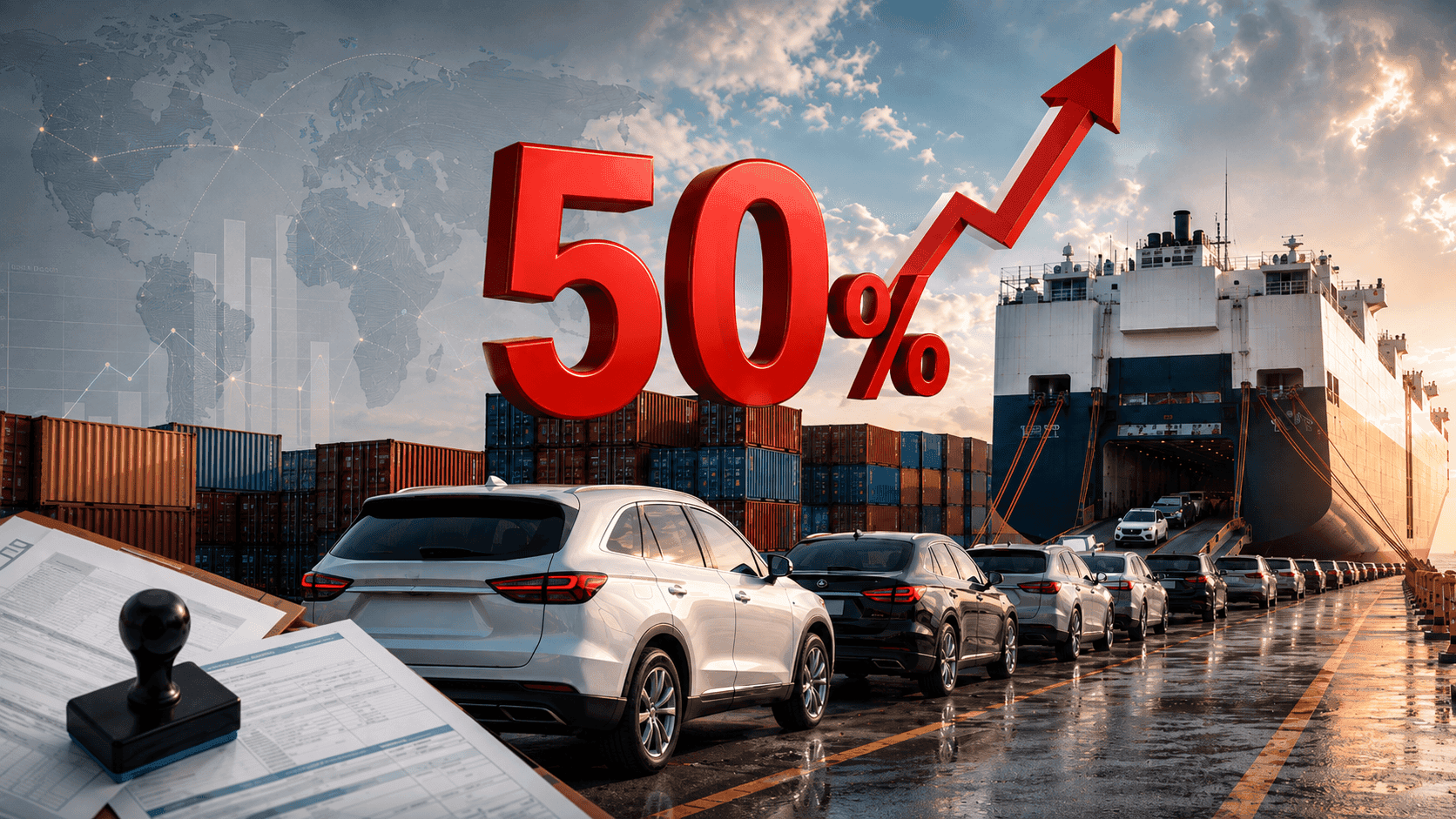
Also, a technical report verifying the "Battery Health" must be submitted during registration. A special feature this time is that the registration fee for EVs has been reduced by about 50% compared to fuel vehicles.
Mandatory Safety System Rules
It is mandatory for any vehicle registered in 2026 to meet Minimum Safety Standards. Some low-cost vehicles that came to Sri Lanka previously only had basic safety systems. But now, according to the new regulations, having at least two Airbags, an ABS brake system, and an Electronic Stability Control (ESC) system is mandatory. Vehicles with malfunctioning or missing systems will absolutely not be registered. This is a crucial decision taken for the safety of drivers and the public.
Registration Fees and Carbon Tax
Now, the fee structure for vehicle registration has completely changed. An annual Carbon Tax is charged not only based on the engine capacity (CC) but also on its "Carbon Footprint"—the impact the vehicle has on the environment. For luxury vehicles, the Luxury Tax is calculated based on how eco-friendly the vehicle is, in addition to its market value.
Furthermore, every new vehicle receives a digital number plate with RFID technology. Through this, all maintenance records and emission test reports from the date of import are entered into a central system.
Special Regulations for Motorcycles and Three-Wheelers
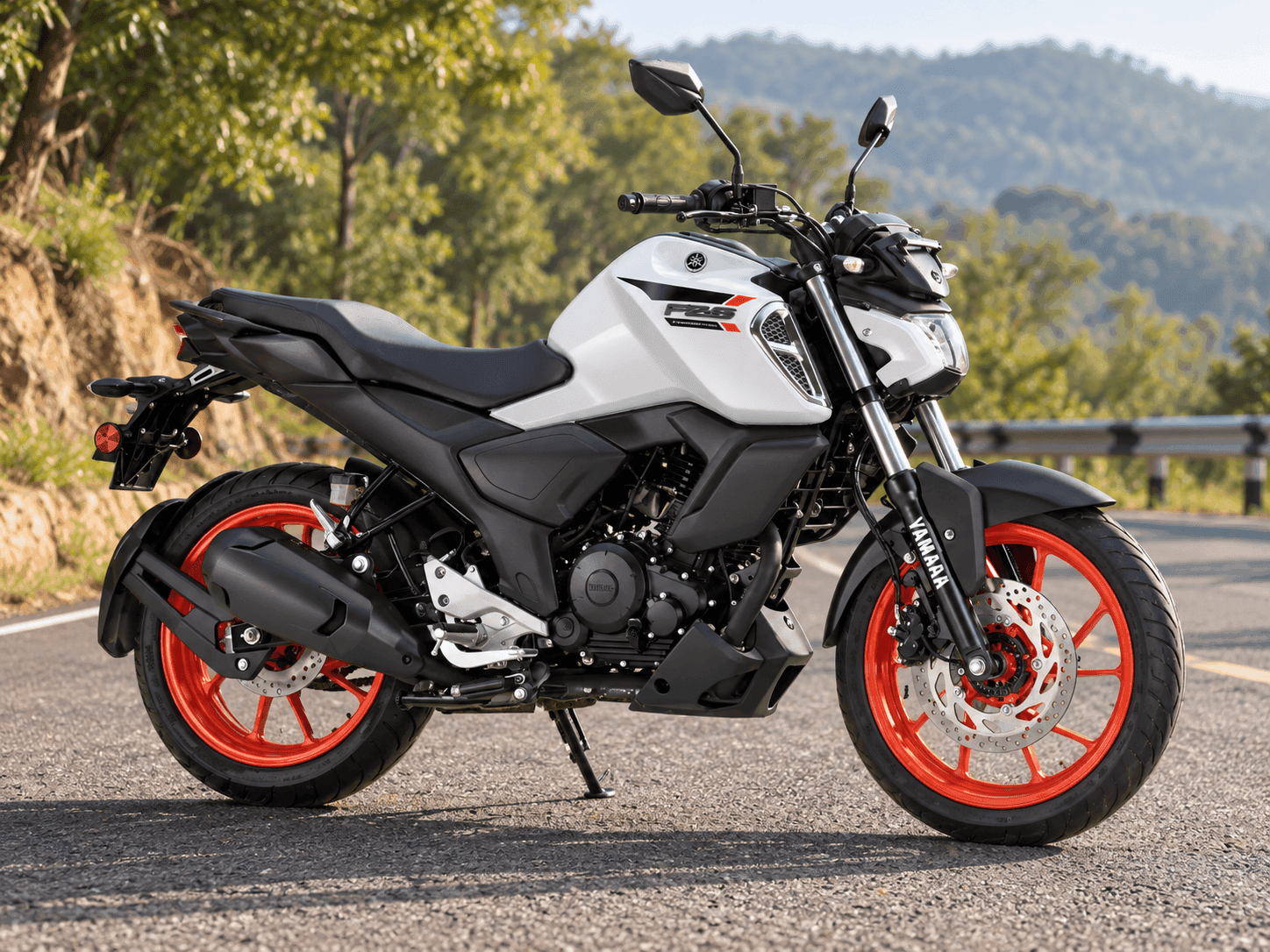
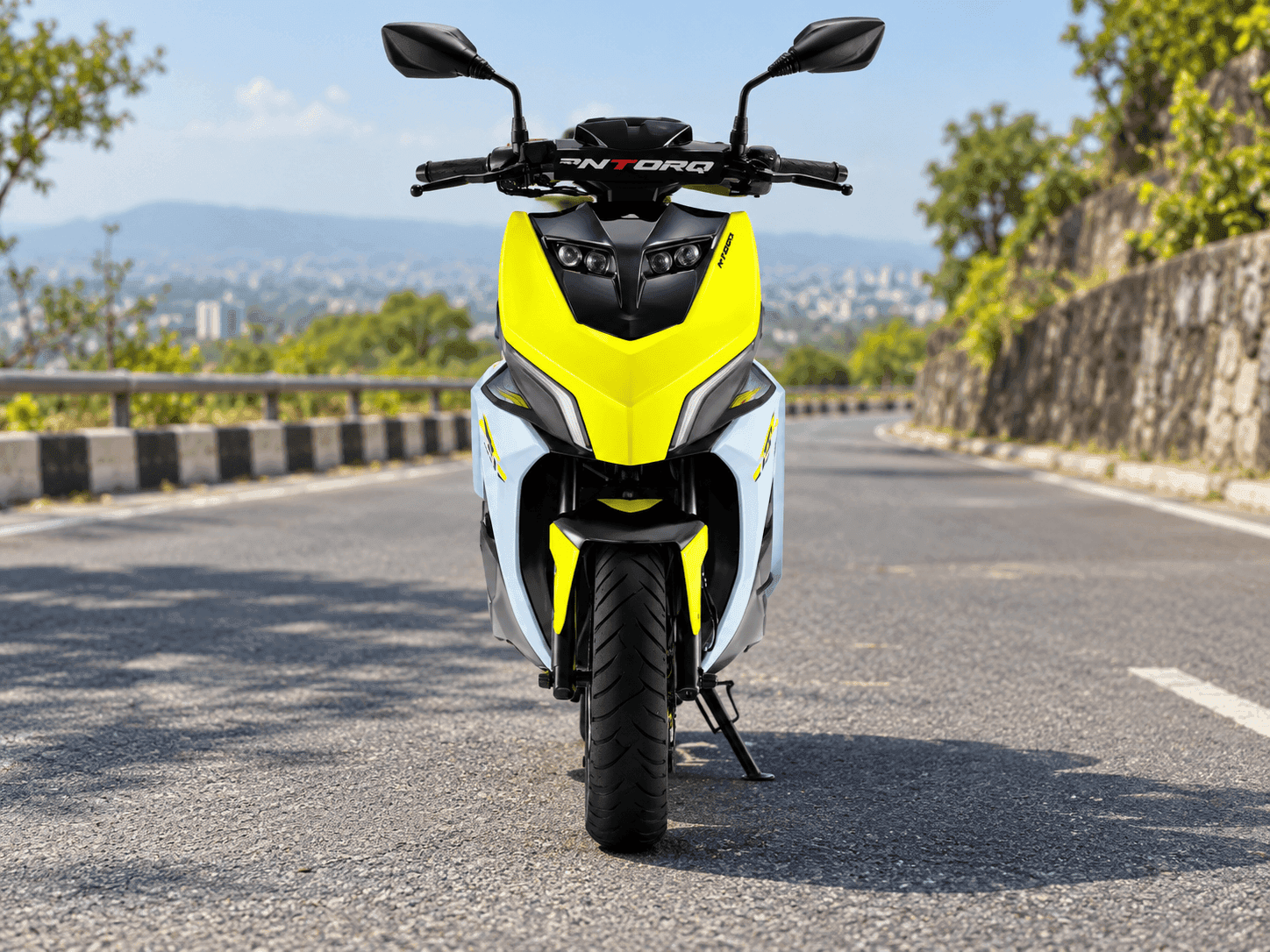
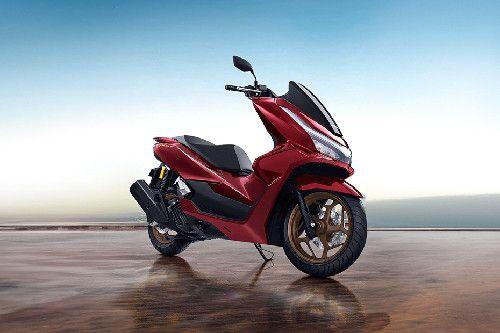
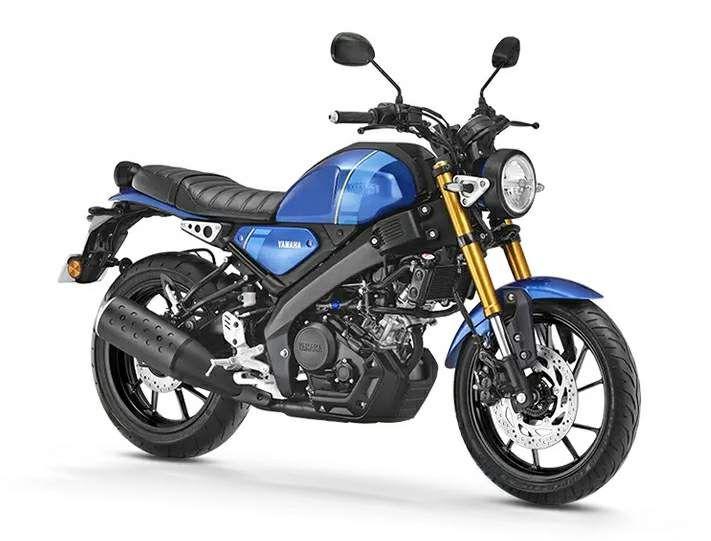
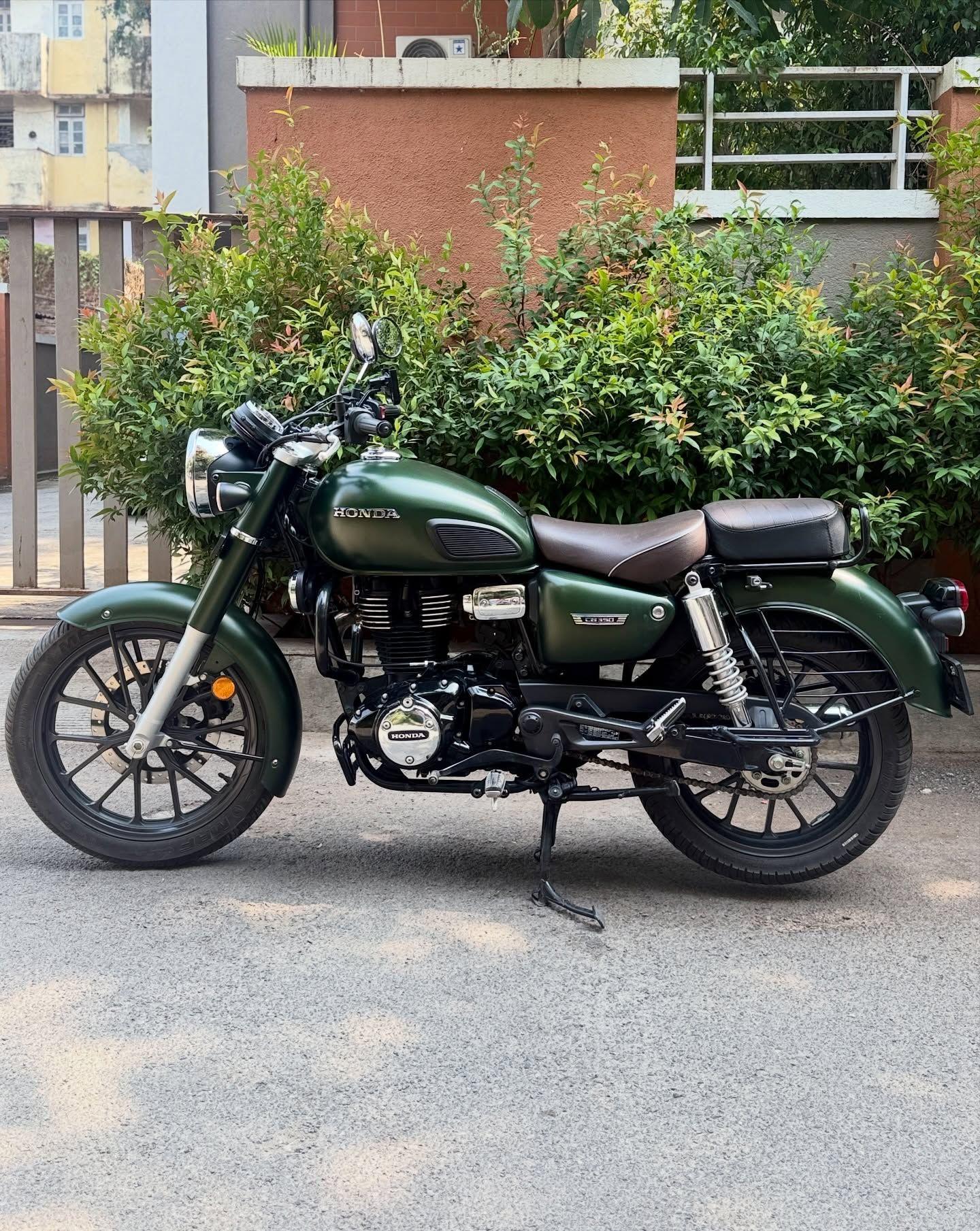
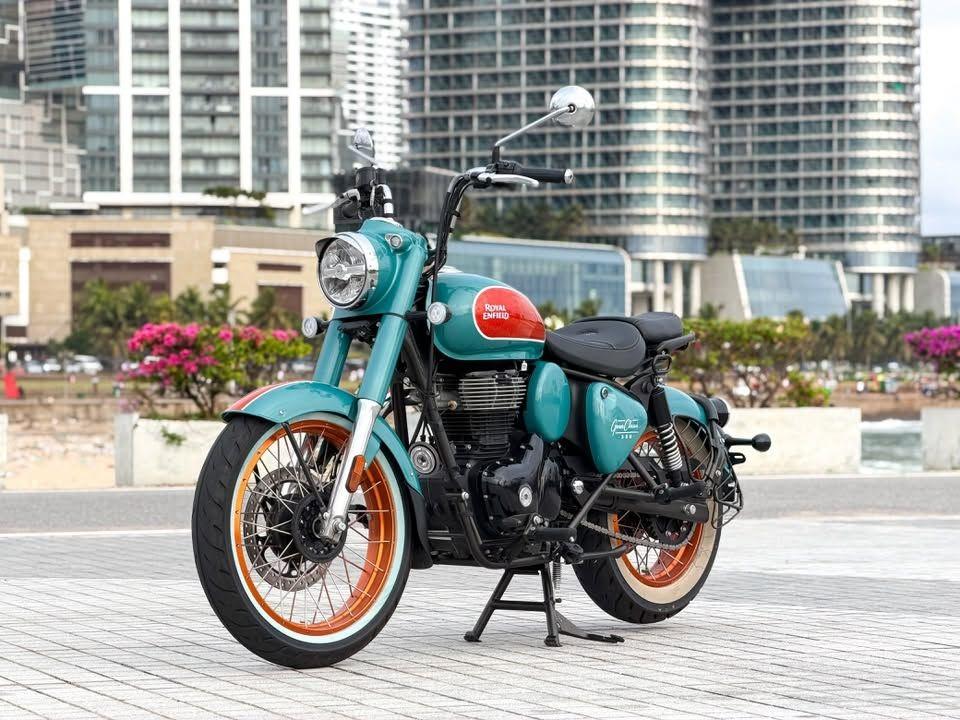
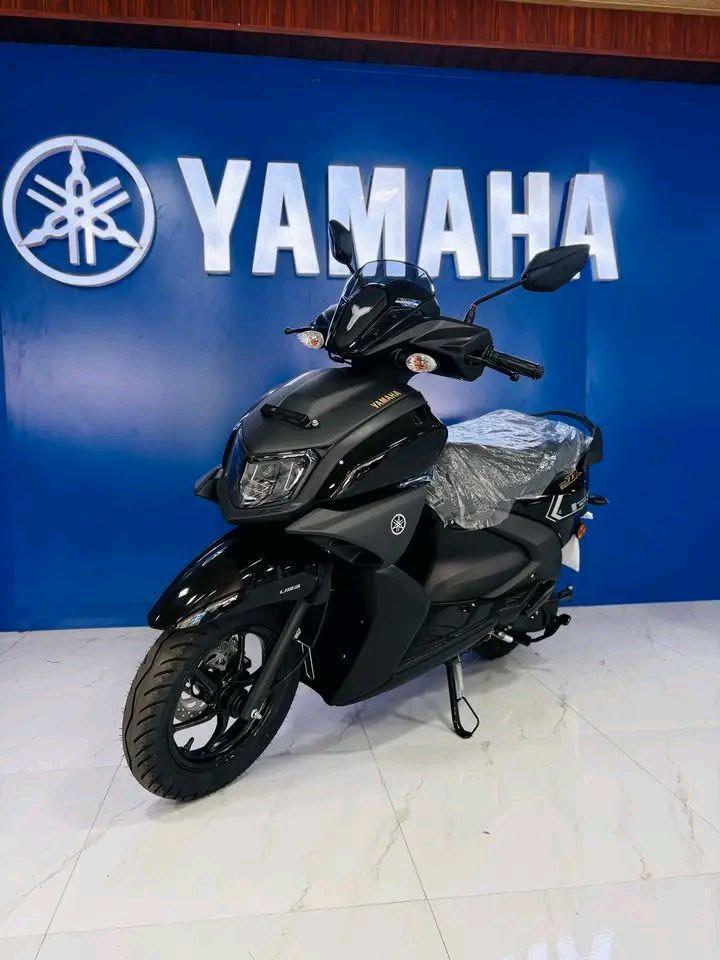
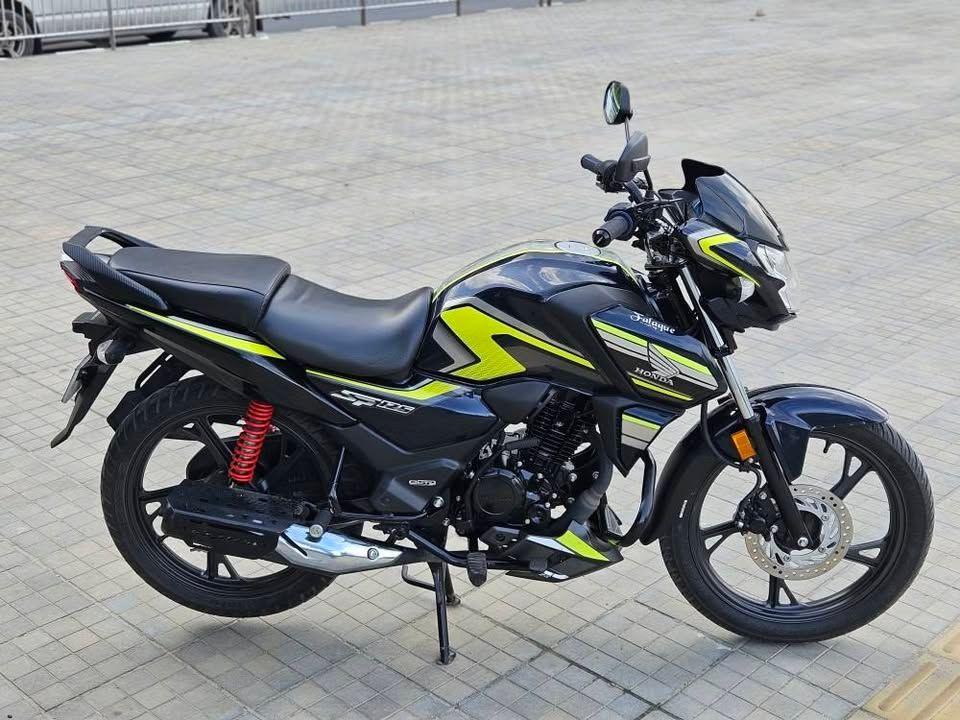
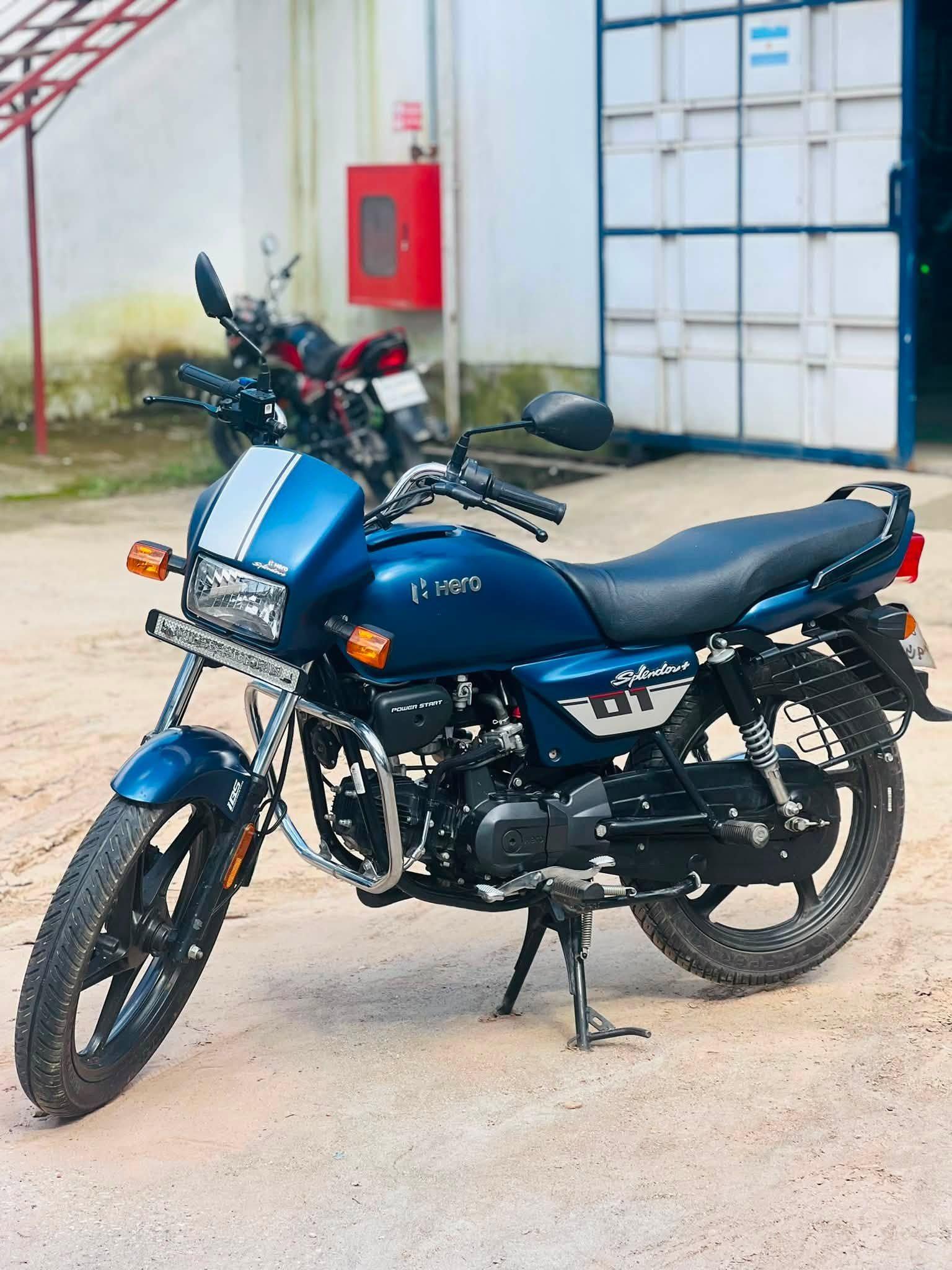
There is a big change in importing motorcycles in 2026 as well. Priority is now given only to motorcycles with "Anti-lock Braking Systems" (ABS). Regarding three-wheelers, the government now only allows Electric or alternative fuel three-wheelers. The import of new old-style petrol three-wheelers has been restricted. All these decisions have been made to control traffic congestion and minimize air pollution in Sri Lanka.
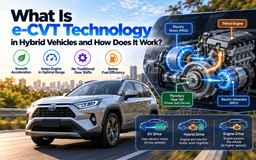
Motor Guide Advice: Just because the import relaxation update is here, do not rush and spend all your money to import just any vehicle. Especially when importing hybrid and electric vehicles, check if they have "Ground Clearance" suitable for Sri Lankan roads and a cooling system that matches our tropical heat.
Also, before importing, check with the Department of Motor Traffic or a trusted licensed importer to ensure all technical "Compliance Certificates" are correct. Otherwise, you might not be able to clear the vehicle from the port, wasting your money and time. Let's adapt to new technology and build a clean and safe vehicle system in Sri Lanka.

Written by
Nisaga Sandaru
A versatile and highly experienced professional, currently an Automobile undergraduate at the University of Jaffna, with strong technical expertise grounded in hands-on work as a technician with SriLankan Airlines Ground Support Equipment (GSE). Holding an Automobile NVQ Level 3 qualification, along with specialized certifications in Vehicle ECU Programming and Diagnosis, and extensive experience in arc welding and vehicle body painting, and well equipped to handle complex automotive, diagnostic, and fabrication-related tasks with a high level of competence.