Things to Consider When Buying a Used Vehicle

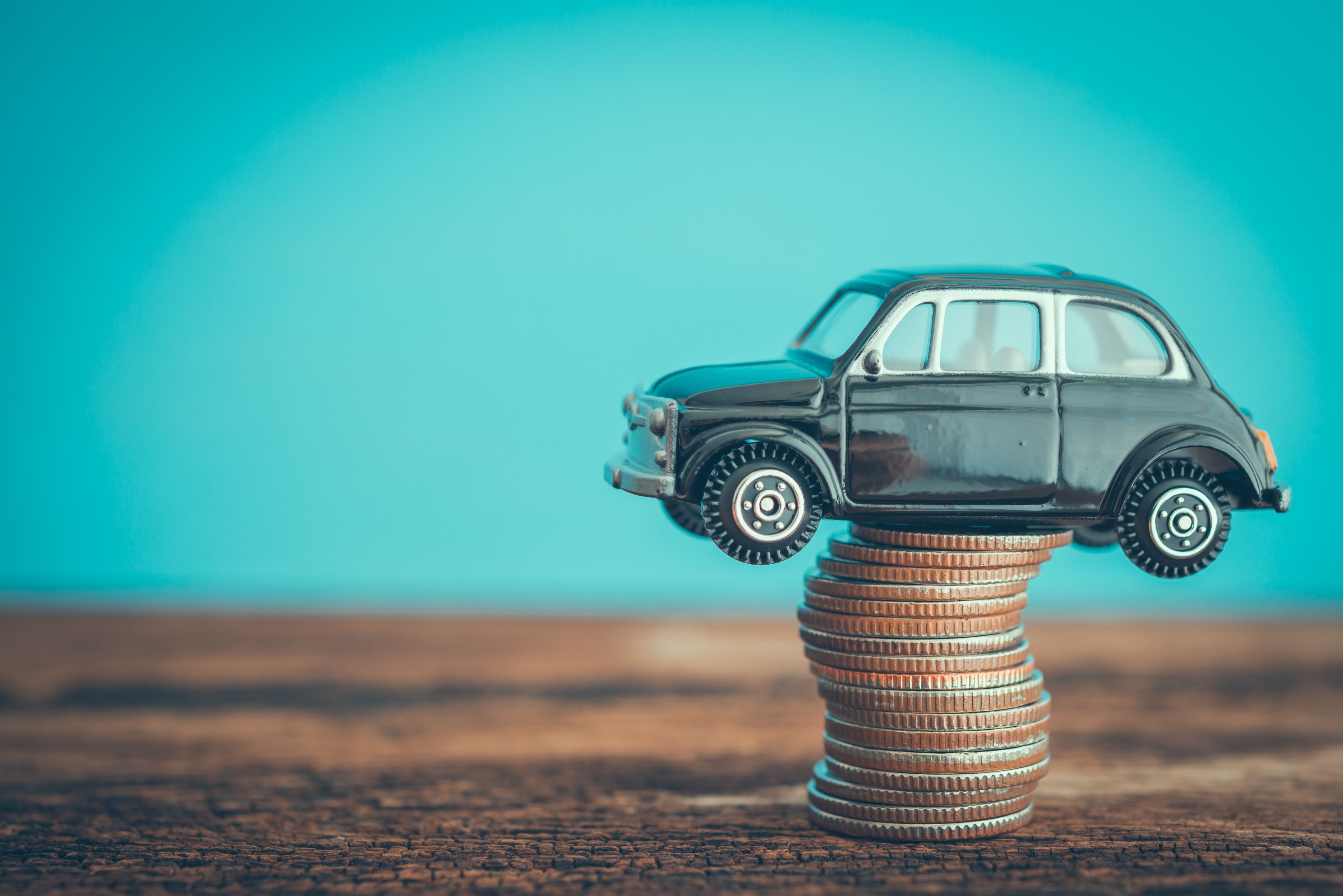
Everyone wants to buy the best vehicle they can afford. But with today’s economy, a brand-new vehicle might feel like a dream. That’s why many people turn to used vehicles as a practical option. However, buying a used car requires careful thought and attention. MotorGuide explains the key things you should check before making a purchase.
Find Out the Vehicle’s History
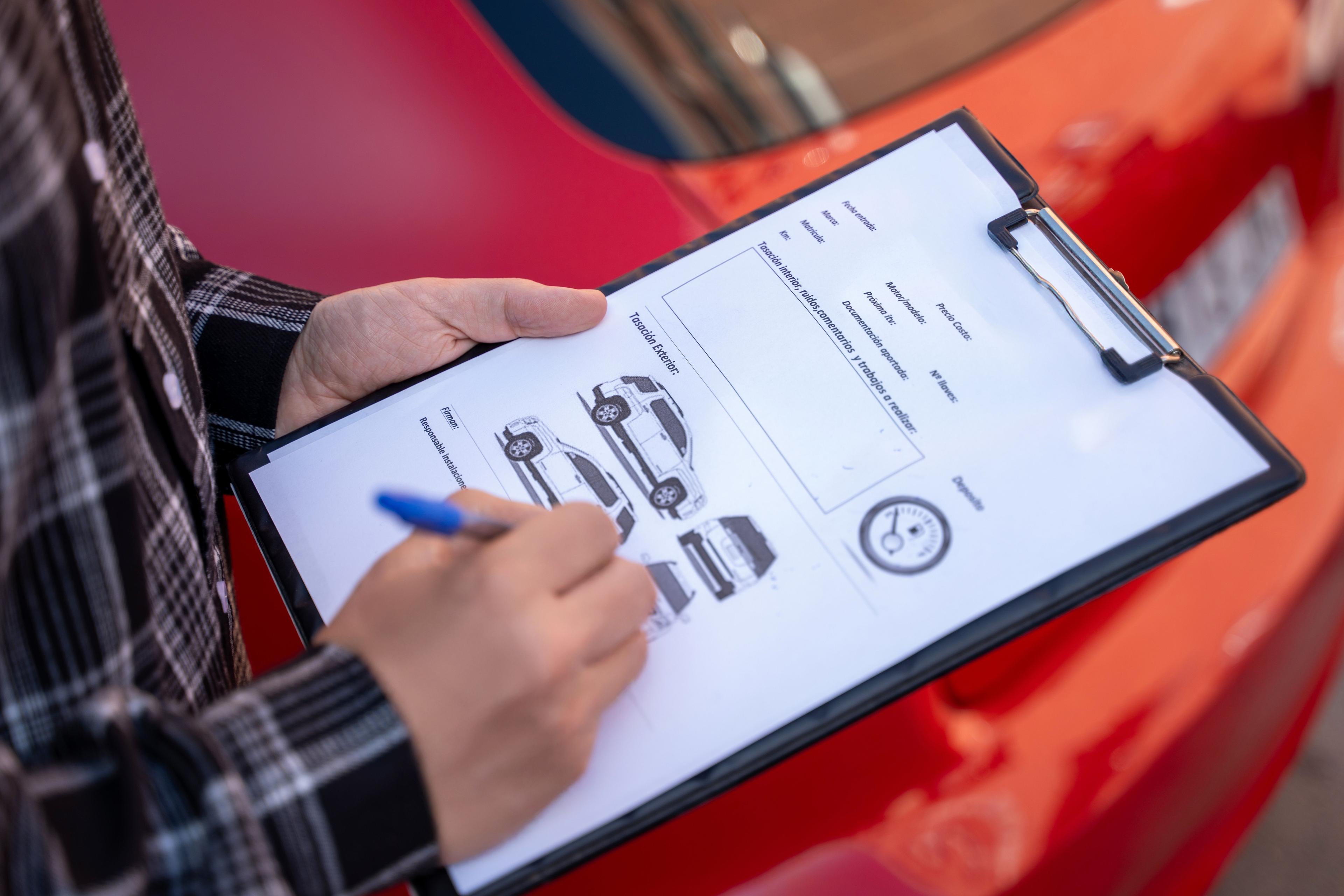
Always gather as much information as possible from the current owner. Use the vehicle identification number (VIN) to check whether the vehicle has:
- Been involved in accidents
- A valid license and registration
- Outstanding fines or issues
Inspect both the exterior and interior. Small scratches are common, but major rust, dents, or water damage are warning signs. Inside, if there is a foul smell, lift the floor mats to check for leaks or moisture.
Go for a Test Drive
A test drive is essential. It helps you evaluate:
- The overall driving comfort
- Whether the brakes respond properly
- If all electronics (AC, lights, infotainment) are functioning
Check the Engine
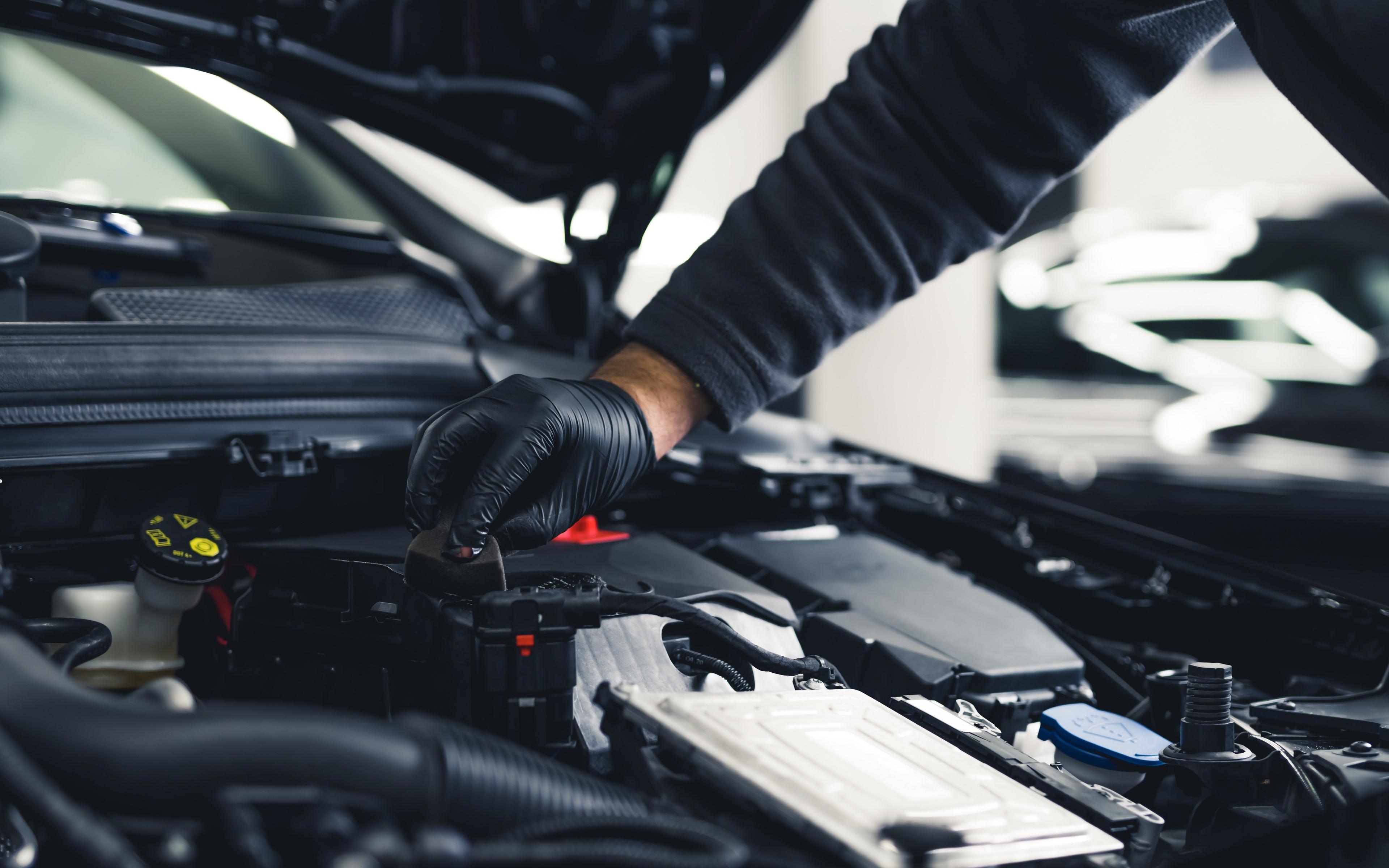
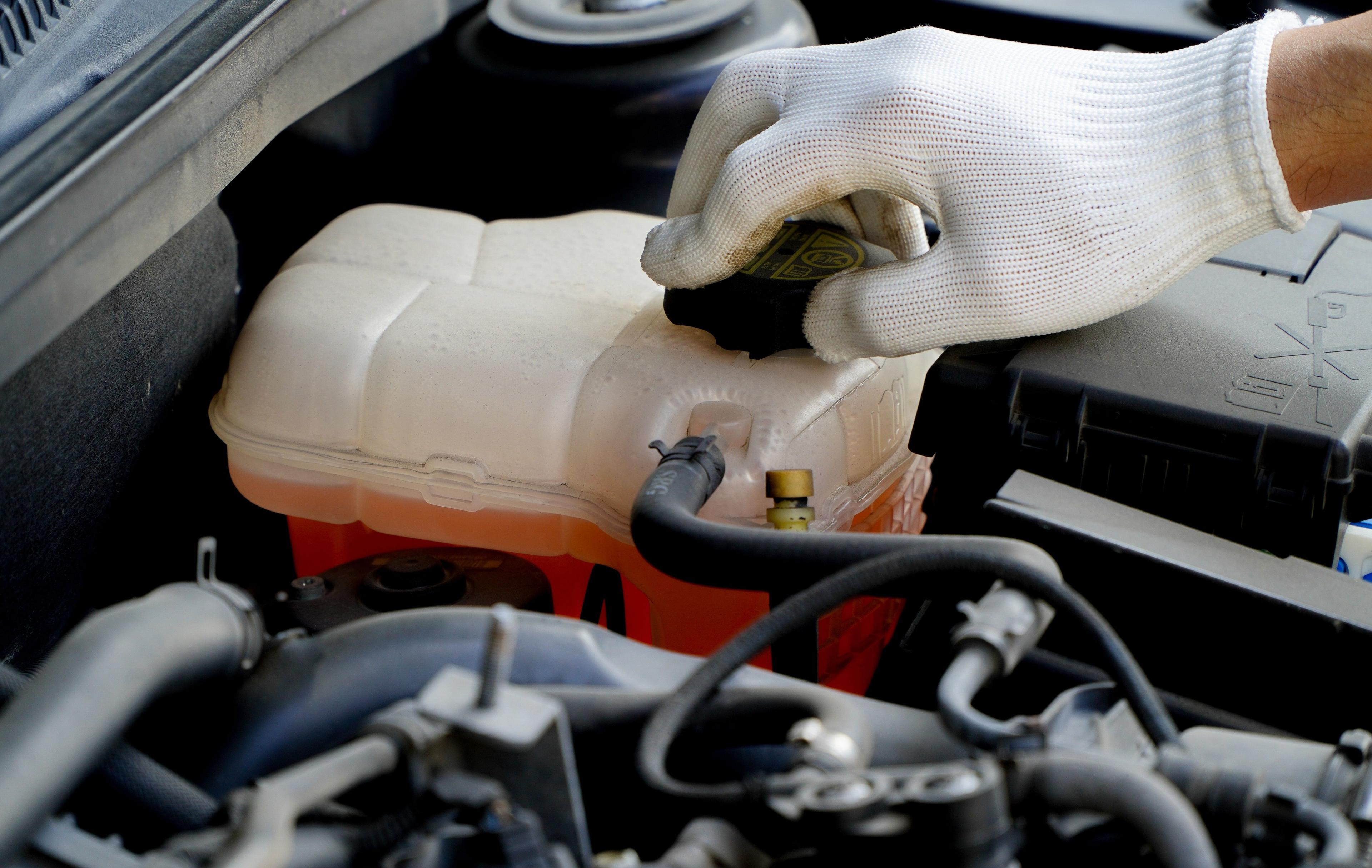
The engine is the heart of any vehicle. With the engine turned off, open the hood and check:
- Transmission fluid: Should be pink or red
- Engine oil: Should be light brown, not thick or black
- Leaks or corrosion: Look for unusual stains or smells
Evaluate the Mileage
On average, a car drives about 20,000 km per year. To check if the mileage is reasonable, divide the number on the odometer by the vehicle’s age. If the number is much higher, it may have excessive wear; if too low, verify that the odometer hasn’t been tampered with.
Consult a Mechanic
Even if the vehicle seems perfect, always take it to a trusted mechanic. They can detect hidden problems and advise you on possible future repairs. Bringing an experienced mechanic with you ensures peace of mind and prevents costly mistakes.
Buying a used vehicle can be smart and affordable, but only if you check the right details. By examining the vehicle’s history, mileage, engine, and overall condition—and consulting a mechanic—you can make a safe, informed decision. Keep these points in mind to find the right car that fits your budget and lifestyle.
FAQs About Buying a Used Vehicle
What is the most important thing to check in a used vehicle?
The engine and service history are the most critical. These determine how reliable the car will be in the long run.
Is low mileage always better?
Not always. Extremely low mileage may indicate long periods of disuse, which can also cause issues. Balance mileage with the car’s age and condition.
Should I buy a used car without a mechanic’s inspection?
No. A mechanic’s inspection is essential to uncover hidden problems that could cost you more in the future.

Written by
Nipuna Marasinghe