The Proper Way to Import a Vehicle to Sri Lanka

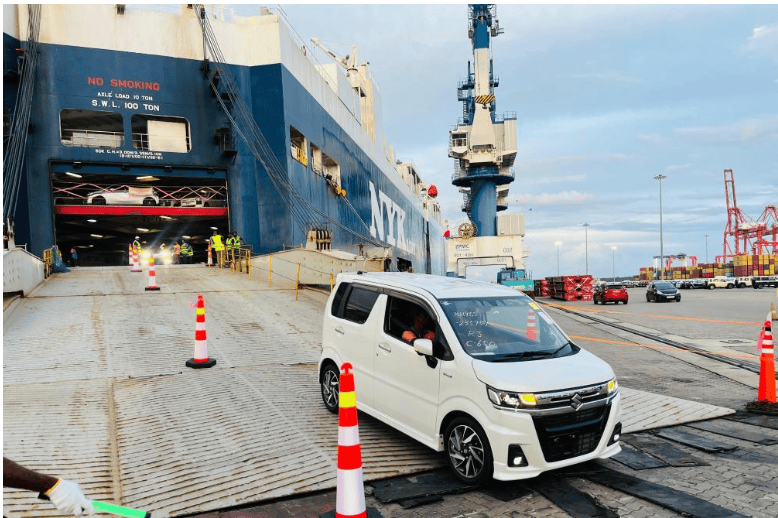
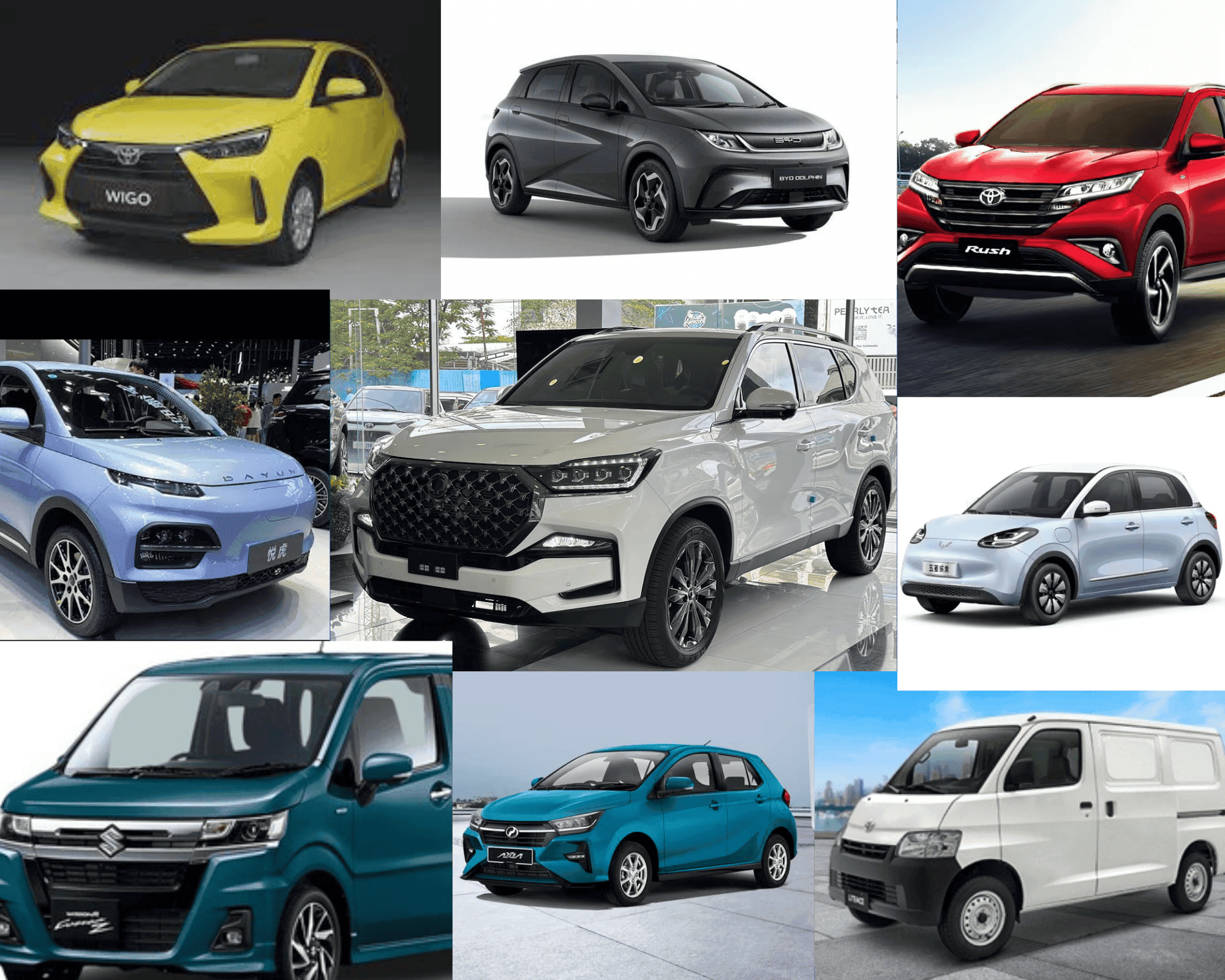
Today at Motor Guide, we are discussing the process of importing a vehicle to Sri Lanka and the most important things you need to know from start to finish. As professionals in this field, we know that importing a vehicle is not an ordinary task. It requires a significant amount of money as well as a proper understanding of various legal procedures.
Understanding Rules and Regulations
First, you need to look at the rules and regulations imposed by the government regarding vehicle imports to Sri Lanka. Depending on the country's economic situation and foreign reserves, the government frequently changes vehicle import policies. Therefore, before booking or purchasing a vehicle, you must thoroughly check the current government gazette notifications and the orders of the Controller General of Imports and Exports. Specifically, details like the vehicle's year of manufacture, engine capacity, and—if it is an electric vehicle—the motor capacity are subject to strict government limitations.
Vehicle Selection and Inspection
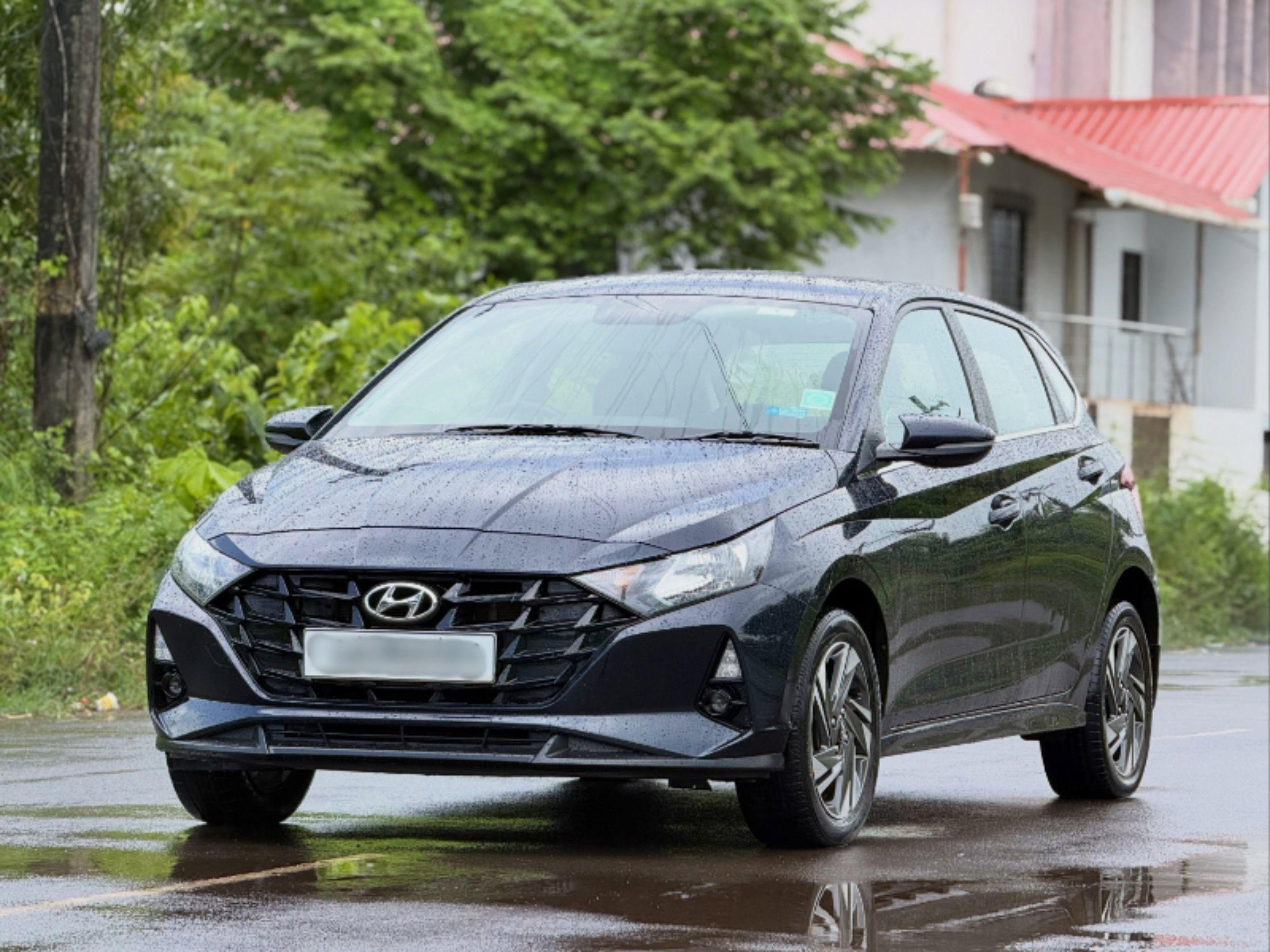
Secondly, we must be very careful when selecting a vehicle. When importing a vehicle from a country like Japan, European countries, or India, it is essential to be aware of the vehicle quality inspections in that specific country. To verify the true condition of the vehicle, it is important to obtain a quality certificate from JAAI or a similar recognized institution. You need to pay close attention to factors such as the engine condition, the quality of the body paint, the extent of rusting on the undercarriage parts, and the true mileage.
Shipping and Marine Insurance
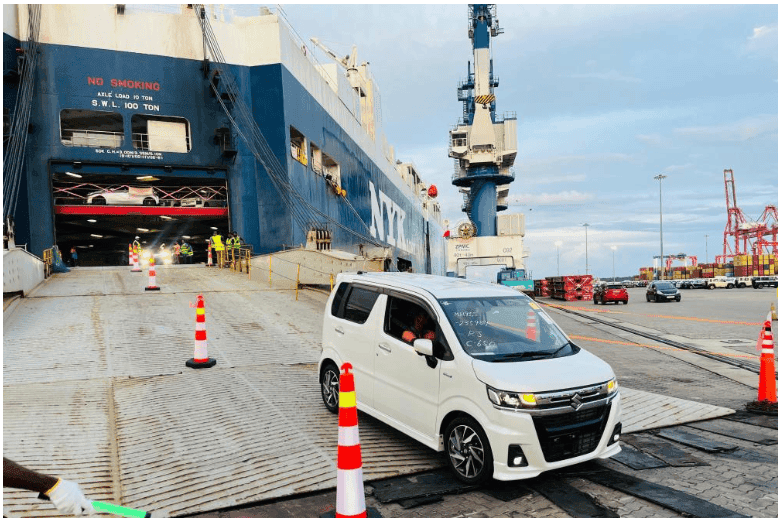
Next comes the transportation and shipping process. After purchasing a vehicle, you have to pay logistics and freight charges to bring it to a port in Sri Lanka. Choosing a reliable shipping company and obtaining proper insurance coverage is crucial here. To protect against risks that may arise while the vehicle is being transported by sea, securing Comprehensive Marine Insurance is mandatory. Without it, you could face massive financial losses in the event of unexpected damage.
Customs Clearance Process
The real challenge begins after the vehicle is unloaded at the Colombo Port or Hambantota Port. Customs Clearing is quite a complex process. Because of this, it is highly recommended to handle the procedure through a licensed Customs Clearing Agent. Customs Duty is calculated based on the vehicle's engine capacity and its assessed value. You will also be required to pay various other taxes, such as luxury taxes and the Port and Airport Development Levy (PAL). The vehicle can only be released from the port after these tax amounts are paid accurately.
RMV Registration
After taking the vehicle out of the port, you must complete the registration process at the Department of Motor Traffic (RMV). To obtain Sri Lankan number plates, it is essential to have the vehicle inspected and to submit the import license along with all the customs documents. It is only after this registration is complete that you receive the legal right to drive the vehicle on the road.
Motor Guide's Final Advice
Motor Guide's advice is to accurately perform a comprehensive financial calculation of all applicable taxes and regulations before deciding to import a vehicle to Sri Lanka. Since making hasty decisions can lead to bearing unnecessary expenses, it is wise to seek the guidance of an experienced automotive professional and a licensed customs agent.
And don't forget to always stay tuned with Motor Guide to learn more valuable information like this about modern vehicles and technology!
Written by
Nisaga Sandaru
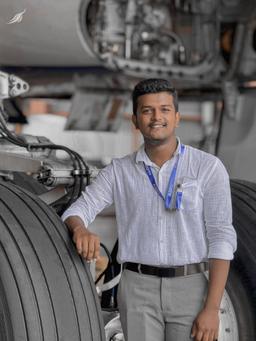
A versatile and highly experienced professional, currently an Automobile undergraduate at the University of Jaffna, with strong technical expertise grounded in hands-on work as a technician with SriLankan Airlines Ground Support Equipment (GSE). Holding an Automobile NVQ Level 3 qualification, along with specialized certifications in Vehicle ECU Programming and Diagnosis, and extensive experience in arc welding and vehicle body painting, and well equipped to handle complex automotive, diagnostic, and fabrication-related tasks with a high level of competence.