What is Drifting?

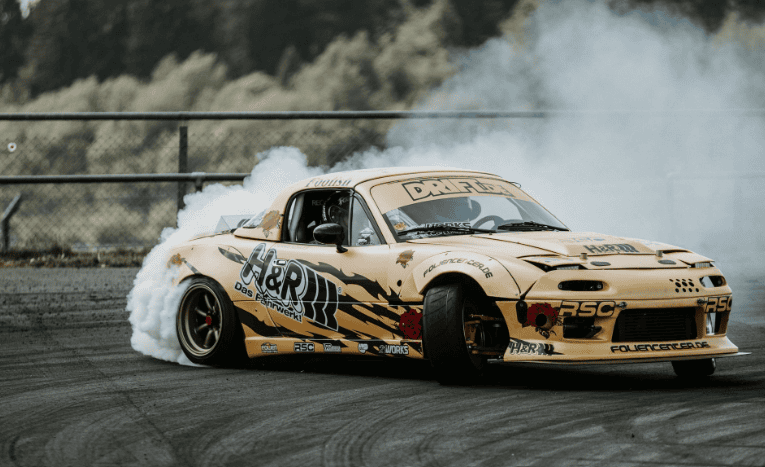
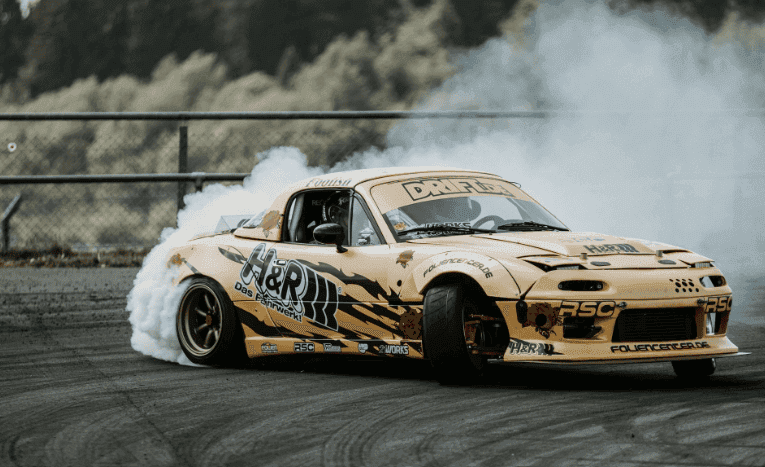
Today at Motor Guide, we are breaking down the thrilling and highly technical motorsport of Drifting. While it looks like a vehicle spinning out of control, drifting is actually the highly precise art of maneuvering a car through a corner while deliberately losing traction in the rear wheels and sliding sideways.
Originating from illegal street races on the mountain passes of Japan, drifting has evolved from an underground culture into a globally recognized professional motorsport. It defies the standard physics of driving—where tire grip is everything—and turns controlled sliding into a spectacular performance.
The Technical Blueprint of a Drift Car
To execute a proper drift, a standard passenger car requires heavy technical modifications:
- Rear-Wheel Drive (RWD): True drift cars are strictly RWD. Front-wheel-drive vehicles cannot easily sustain a controlled, continuous rear-wheel slide.
- Welded or Limited Slip Differential (LSD): In a standard car, the outer wheel spins faster during a turn. Drift cars require an LSD or a welded differential to lock both rear wheels, forcing them to spin at the exact same speed to initiate and maintain the slide.
- Hydraulic Handbrake: Standard cable handbrakes are replaced with high-pressure hydraulic systems. Yanking this specialized lever instantly locks the rear wheels, forcing the tail of the car to swing out aggressively when entering a corner.
- Engine Power: Massive horsepower and torque (often achieved via turbocharging) are essential. Once traction is broken, the engine needs continuous, aggressive power to keep the rear wheels spinning against the friction of the tarmac.
- Tire Setup & Weight Distribution: High-grip tires are placed on the front for precise steering control, while the rear gets tires specifically designed to smoke and slide. Perfect weight distribution is also critical for balancing the vehicle's momentum.
Driving Techniques & Competitions
Drivers use a combination of techniques like the Clutch Kick (suddenly dumping the clutch to spike engine RPMs and break traction) and Counter-steering (turning the steering wheel into the direction of the slide to prevent a total spin-out).
Today, international events like Japan's D1 Grand Prix and America's Formula Drift are incredibly popular. Unlike traditional racing, judges score drivers not purely on speed, but on entry angle, driving line, and overall showmanship.
Motor Guide's Final Advice
Never attempt high-risk drifting maneuvers on public roads or highways. It poses a lethal threat to you and other motorists. If you are genuinely interested in learning this motorsport, take it to a dedicated race track or a professional coaching school with the proper safety gear. Safety should always take pole position.
Stay tuned to Motor Guide for more deep dives into modern vehicle technology and motorsport culture!

Written by
Nisaga Sandaru
A versatile and highly experienced professional, currently an Automobile undergraduate at the University of Jaffna, with strong technical expertise grounded in hands-on work as a technician with SriLankan Airlines Ground Support Equipment (GSE). Holding an Automobile NVQ Level 3 qualification, along with specialized certifications in Vehicle ECU Programming and Diagnosis, and extensive experience in arc welding and vehicle body painting, and well equipped to handle complex automotive, diagnostic, and fabrication-related tasks with a high level of competence.