What to Do When Your Car Overheats: Essential Steps to Protect Your Engine


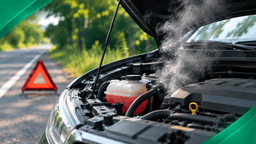
Today at MotorGuide, we're going to discuss a serious problem that almost every driver should know how to handle. It's something that can happen unexpectedly while driving and, if ignored, can cause expensive engine damage. We're talking about engine overheating and what you should do when your vehicle's temperature rises beyond its normal operating range.
Imagine driving through heavy traffic on a hot afternoon in Sri Lanka. Everything seems normal until you suddenly notice the temperature gauge moving towards the red zone or an engine temperature warning light appearing on the dashboard.
For many drivers, this can be a frightening experience, especially when they're unsure whether to continue driving, stop immediately, or inspect the engine.
However, knowing the correct steps can make a major difference. Acting quickly and safely may help prevent serious damage to the engine and its cooling system.
So, why do engines overheat, what should you do when it happens, and which common mistakes should you avoid? Let's take a closer look.
What Causes an Engine to Overheat?
In simple terms, engine overheating happens when the engine produces more heat than its cooling system can effectively remove, causing the temperature to rise beyond the intended operating range.
During normal operation, a petrol or diesel engine generates a significant amount of heat through combustion and mechanical friction.
To control this temperature, most modern combustion-engine vehicles use a liquid cooling system that circulates coolant through the engine and radiator.
The coolant absorbs heat from the engine and carries it towards the radiator, where heat is transferred to the surrounding air.
Components such as the water pump, thermostat, radiator fan, hoses, and pressure cap help maintain the correct cooling conditions.
However, if one or more of these components fails, the engine may no longer be cooled effectively.
Common causes of overheating include coolant leaks, low coolant levels, radiator blockages, faulty cooling fans, water pump failures, thermostat problems, and damage to cooling system hoses.
In some cases, a damaged cylinder head gasket, trapped air in the cooling system, or unusually demanding driving conditions can also contribute to overheating.
Hot weather can increase the demands placed on the cooling system, but a properly functioning vehicle should normally be able to maintain its intended operating temperature under conditions within its design limits.
Why Is Engine Overheating Dangerous?
Modern engines are designed to operate within a specific temperature range.
When the engine becomes excessively hot, its metal components expand and the cooling and lubrication systems may struggle to protect internal parts.
Continued operation under severe overheating conditions can damage the cylinder head gasket, cylinder head, pistons, seals, and other engine components.
In extreme cases, overheating may cause significant internal engine damage or even seizure.
These repairs can be expensive, particularly if major components require replacement.
For this reason, a high-temperature warning should never be ignored.
1. Turn Off the Air Conditioning and Reduce Engine Load
If you notice the temperature gauge rising abnormally while driving, one of the first things you can do is switch off the air conditioning system.
In many combustion-engine vehicles, the air conditioning compressor places an additional load on the engine.
Reducing this load may help limit additional heat generation while you find a safe place to stop.
Where conditions permit and the vehicle has a conventional coolant-based cabin heater, you can also turn the heater to its warmest setting and increase the blower speed.
This allows the heater core to transfer some heat from the engine coolant into the passenger compartment.
Although this may provide temporary assistance, it is not a reliable solution for serious engine overheating.
The effectiveness of this method depends on the vehicle's heating system and whether sufficient coolant is circulating.
If the engine temperature is already in the red zone, a severe overheating warning appears, or steam is escaping, do not delay stopping the vehicle merely to operate the heater.
Your priority should be to pull over safely and prevent further engine damage.
2. Pull Over Safely and Switch Off the Engine
When your vehicle displays a serious overheating warning, reduce speed carefully and find a safe location to stop as soon as possible.
Avoid sudden braking or stopping in a position where you could endanger yourself or other road users.
Once you have stopped safely, select Park or Neutral as appropriate, apply the parking brake, and switch off the engine.
Continuing to run a seriously overheating engine can make the problem worse, especially if coolant has been lost or is no longer circulating correctly.
Some drivers believe that an overheating engine should always be left idling for several minutes before being switched off.
However, this is not a universal recommendation and can be dangerous when the cooling system has failed.
In particular, if you see steam, notice a coolant leak, or receive a severe engine temperature warning, stop the engine promptly after pulling over safely.
Some vehicle manufacturers provide specific instructions for situations where the temperature is elevated but there is no steam or coolant loss. In those cases, follow the instructions in your owner's manual.
Never assume that leaving the engine idling will safely reduce the temperature.
3. Open the Bonnet Carefully and Allow the Engine to Cool
After switching off the engine, allow the vehicle to cool naturally.
If there is no visible steam or coolant spraying from the engine compartment, you may carefully release and open the bonnet to improve ventilation, provided it is safe to do so.
However, if steam is escaping from beneath the bonnet, do not attempt to open it immediately.
Hot steam and pressurised coolant can cause serious burns.
Wait until the steam has stopped and the engine compartment has cooled sufficiently before attempting an inspection.
Even after the engine is switched off, components such as the radiator, hoses, exhaust manifold, and engine block can remain extremely hot.
Cooling fans may also operate unexpectedly on some vehicles, so keep your hands and clothing away from moving components.
Depending on the severity of overheating and the vehicle's design, cooling may take considerably longer than 30 to 45 minutes.
Therefore, do not rely on a fixed waiting time. Make sure the engine and cooling system are genuinely cool before touching relevant components.
4. Never Open the Radiator Cap While the Engine Is Hot
One of the most dangerous mistakes a driver can make is attempting to remove the radiator cap or pressurised coolant reservoir cap while the engine is still hot.
Modern cooling systems often operate under pressure, which allows the coolant to remain liquid at temperatures above its normal atmospheric boiling point.
If the pressure cap is opened while the system is hot, pressurised coolant and steam may escape suddenly.
This can cause severe burns to the face, hands, and other exposed areas of the body.
For this reason, never loosen the radiator cap simply because you want to check the coolant level quickly.
Wait until the engine and cooling system have cooled completely, and follow the vehicle manufacturer's instructions before opening any pressure cap.
Some vehicles have a separate non-pressurised coolant overflow reservoir, while others use a pressurised expansion tank.
Because these designs differ, always identify the correct component before attempting an inspection.
If you're unsure whether the cap is safe to open, leave it closed and seek professional assistance.
5. Check the Coolant Level Only After the Engine Has Cooled
Once the engine is completely cool, inspect the coolant reservoir according to the manufacturer's instructions.
If the coolant level is below the recommended mark, the system may have lost coolant because of a leak or another mechanical problem.
Look for visible signs such as coolant beneath the vehicle, wet hoses, damaged connections, or fluid around the radiator.
However, not every coolant leak is immediately visible.
Some leaks occur only when the system reaches operating temperature and becomes pressurised.
If the manufacturer permits topping up the system, use the correct type of coolant for your vehicle.
In a genuine emergency, some manufacturers allow clean water to be used temporarily when the correct coolant is unavailable, but this should never replace the specified coolant mixture as a long-term solution.
Do not pour cold water over a severely overheated engine or radiator, as abrupt temperature changes can potentially damage hot components.
Most importantly, topping up coolant does not mean the underlying overheating problem has been repaired.
If the cooling system has a significant leak, damaged hose, faulty pump, or another serious fault, the engine may overheat again shortly after restarting.
6. Should You Restart the Engine After It Overheats?
Whether it is safe to restart the engine depends on the cause and severity of the overheating.
If the engine has experienced severe overheating, steam has escaped, or a substantial coolant leak is visible, do not restart it simply to see whether the problem has disappeared.
Restarting or driving with insufficient coolant can result in further engine damage.
If the vehicle has cooled and you have followed the manufacturer's recommended checks, assess whether professional recovery is required.
If the temperature rises again after restarting, stop the engine as soon as it is safe to do so.
Never continue driving with a persistent overheating warning.
When there is uncertainty about the condition of the cooling system, arranging recovery is generally safer than attempting to drive to a workshop.
7. When Should You Call a Recovery Truck?
There are several situations where professional vehicle recovery is the safest option.
If the engine has severely overheated, the coolant has leaked out, or the radiator fan or water pump is suspected to have failed, it may not be safe to continue driving.
Recovery is also advisable if steam continues escaping, the engine runs abnormally, or the temperature warning returns after the vehicle has cooled.
A recovery service can transport the vehicle to a qualified mechanic without exposing the engine to further heat-related damage.
At the workshop, the technician can inspect the radiator, coolant hoses, thermostat, water pump, cooling fans, and other relevant components.
Where appropriate, a cooling system pressure test may help identify leaks.
Further tests may also be necessary if overheating has caused suspected cylinder head gasket damage or other internal engine problems.
8. How to Prevent Your Car from Overheating
Although some cooling system failures happen unexpectedly, regular maintenance can reduce the likelihood of overheating.
One of the most important habits is checking the coolant level at the intervals recommended by the manufacturer.
Always use the correct coolant specification and maintain the appropriate coolant mixture.
During routine servicing, have the radiator, coolant hoses, cooling fans, thermostat, water pump, and related components inspected as required.
Any visible coolant leaks should be repaired promptly rather than ignored.
Keep an eye on the temperature gauge or warning indicators, particularly during demanding driving conditions.
If the vehicle begins showing repeated temperature fluctuations, unexplained coolant loss, or cooling fan problems, arrange an inspection before a major failure occurs.
Maintaining the cooling system properly can help improve reliability and reduce the risk of expensive repairs.
However, no maintenance routine can guarantee that a vehicle will never overheat.
MotorGuide's Advice: Act Quickly but Safely
At MotorGuide, our advice is to take every serious engine overheating warning seriously.
If the temperature gauge enters the red zone or a severe overheating warning appears, reduce engine load and pull over safely as soon as possible.
Switch off the engine, allow it to cool, and never open a hot radiator or pressurised coolant cap.
Do not attempt to continue driving if the temperature remains high, coolant is leaking, or steam is escaping from the engine compartment.
If you're unsure about the cause, seek assistance from a qualified mechanic or recovery service.
Remember, a small cooling system fault can turn into a much more expensive engine problem if overheating is ignored.
Knowing how to respond correctly can help protect both your vehicle and your personal safety.
Stay connected with MotorGuide for more useful information about vehicle maintenance, engine problems, automotive technology, and practical driving advice.

Written by
Nisaga Sandaru
A versatile and highly experienced professional, currently an Automobile undergraduate at the University of Jaffna, with strong technical expertise grounded in hands-on work as a technician with SriLankan Airlines Ground Support Equipment (GSE). Holding an Automobile NVQ Level 3 qualification, along with specialized certifications in Vehicle ECU Programming and Diagnosis, and extensive experience in arc welding and vehicle body painting, and well equipped to handle complex automotive, diagnostic, and fabrication-related tasks with a high level of competence.