Why are K-Cars So Popular in Sri Lanka Today?


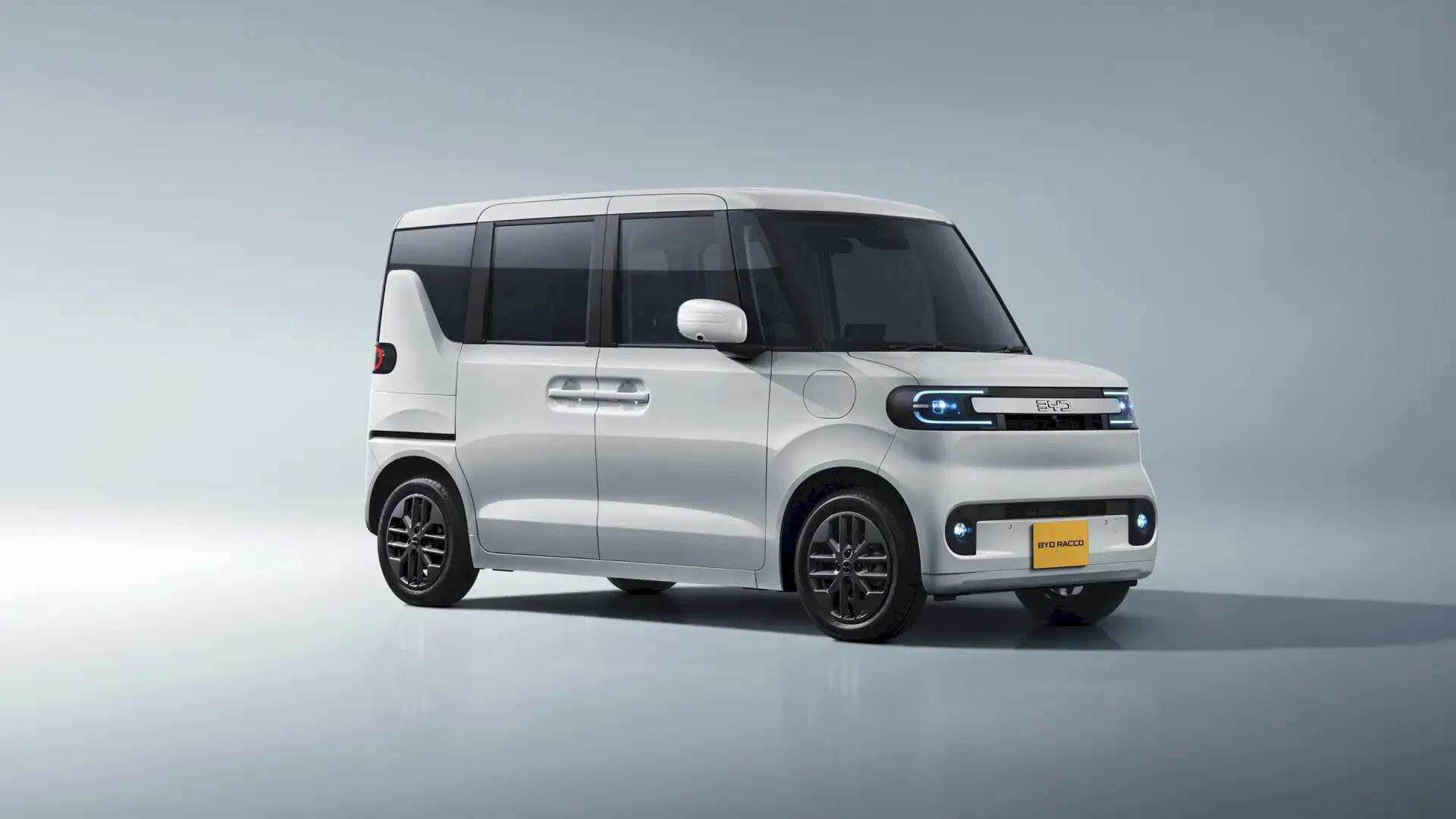
Today at Motor Guide, we are discussing the highly popular "K-car" (Kei car) category that has taken over Sri Lankan roads. Known for their unique appearance and exceptional fuel efficiency, it is important to properly understand exactly what these compact vehicles have to offer.
The Origins of the K-Car
The Kei car concept originally started in Japan. The Japanese government introduced this specific vehicle category under a special set of strict regulations designed to control traffic congestion and promote maximum fuel economy. Today, both used Japanese imports and brand-new K-cars have become a top choice for many drivers in our country.
Technical Specifications and Performance
From a technical perspective, these vehicles feature very small engine capacities. The vast majority of K-cars are strictly limited to a 660cc engine. However, do not assume that this small engine lacks power. As professionals in this field, we know that modern K-cars are frequently equipped with Turbocharger technology, allowing them to deliver excellent acceleration and speed.
Typically featuring a 3-cylinder engine, their lightweight construction and aerodynamic design allow them to cover many kilometers without consuming much fuel.
Surprising Interior Space and Practicality
Despite their compact exterior dimensions, the interior space of these vehicles is astonishing. Japanese engineers have designed them to maximize every inch of cabin room. Thanks to their tall rooflines, even tall passengers can sit comfortably without any hassle. They also offer highly versatile seating arrangements to easily accommodate cargo. Furthermore, they are incredibly easy to drive and park in the city, perfectly engineered to weave through heavy traffic.
Advanced Safety and Fuel Efficiency
In terms of safety and modern features, today's K-cars often surpass much larger vehicles. They come packed with advanced safety technologies such as Lane Keep Assist, Automatic Braking Systems (AEB), and multiple airbags. This clearly proves that even a tiny car can offer maximum protection for the driver and passengers.
When it comes to fuel efficiency, being able to run between 20 to 30 kilometers per liter is a massive advantage, especially during times of high fuel prices.
Low Maintenance Costs
The maintenance cost for these vehicles is relatively low. Spare parts are easily available in the market, and there are plenty of skilled mechanics in Sri Lanka capable of repairing them, making these cars a perfect fit for our country. Even if the initial purchase price is somewhat high, it is a solid investment given the long-term savings on fuel and maintenance.
Motor Guide's Final Advice
Motor Guide's advice is this: if you are planning to buy a K-car, always thoroughly check the vehicle's overall condition, true mileage, and the Japanese Auction Sheet first. Low-priced vehicles often hide underlying defects, so selecting a vehicle from a trusted and reliable dealer is absolutely crucial. Also, if you are using a model with a turbo engine, strictly adhering to maintenance schedules—such as changing the engine oil on time—can significantly extend the vehicle's lifespan.
And don't forget to always stay tuned with Motor Guide to learn more valuable information like this about modern vehicles and technology!

Written by
Nisaga Sandaru
A versatile and highly experienced professional, currently an Automobile undergraduate at the University of Jaffna, with strong technical expertise grounded in hands-on work as a technician with SriLankan Airlines Ground Support Equipment (GSE). Holding an Automobile NVQ Level 3 qualification, along with specialized certifications in Vehicle ECU Programming and Diagnosis, and extensive experience in arc welding and vehicle body painting, and well equipped to handle complex automotive, diagnostic, and fabrication-related tasks with a high level of competence.