Understanding the Spare Wheel


Today at Motor Guide, we are discussing an absolutely essential component of a vehicle that many people fail to pay proper attention to: the Spare Wheel. Usually, we only remember this wheel when a tire punctures on the road. However, as professionals in this field, we at Motor Guide know that there is a significant technical story and numerous safety protocols you must know behind this small wheel. So today, let's discuss this comprehensively.
Types of Spare Wheels
First, let's look at the types of spare wheels that come in vehicles. There are mainly two types. One is the "Full-size Spare Wheel". This is a wheel equal in size to the other four wheels currently on the vehicle. The other type is the "Temporary Spare Wheel", also known as a "Space Saver" or "Donut" wheel. As industry experts, we see that many new vehicles now come with this smaller wheel designed to save space. It is lighter, saves trunk space, and slightly aids in fuel economy. But remember, you cannot drive at normal speeds or go on long journeys with this Space Saver wheel. It is only a temporary solution.
Maintenance and Air Pressure
When discussing spare wheel maintenance, the biggest mistake many people make is not checking its air pressure for months. Even if the wheel is unused, its air volume decreases over time. In a real emergency, if the wheel you pull out has no air, it is completely useless.
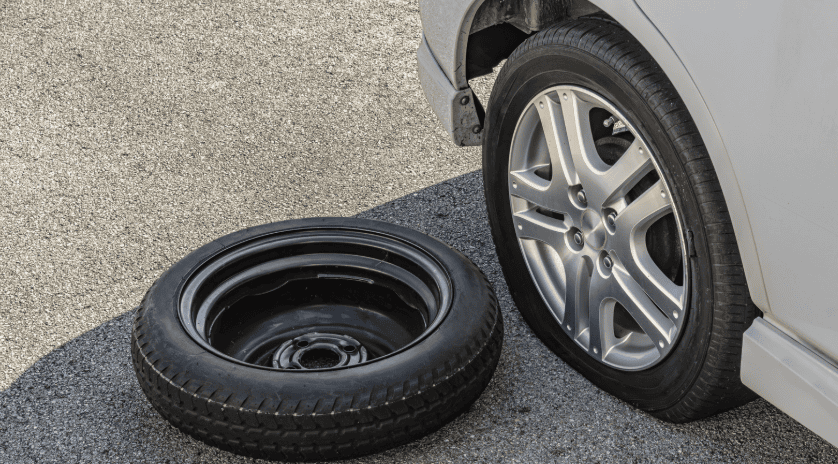
Space Saver wheels, in particular, require higher pressure (often around 60 PSI) than regular tires. Therefore, whenever you service the vehicle, or at least once a month, do not forget to check the air level of your spare wheel. Also, keep in mind that if the tire rubber is more than six years old, its safety can be compromised even if it hasn't been used.
Technical Tips for Changing a Wheel
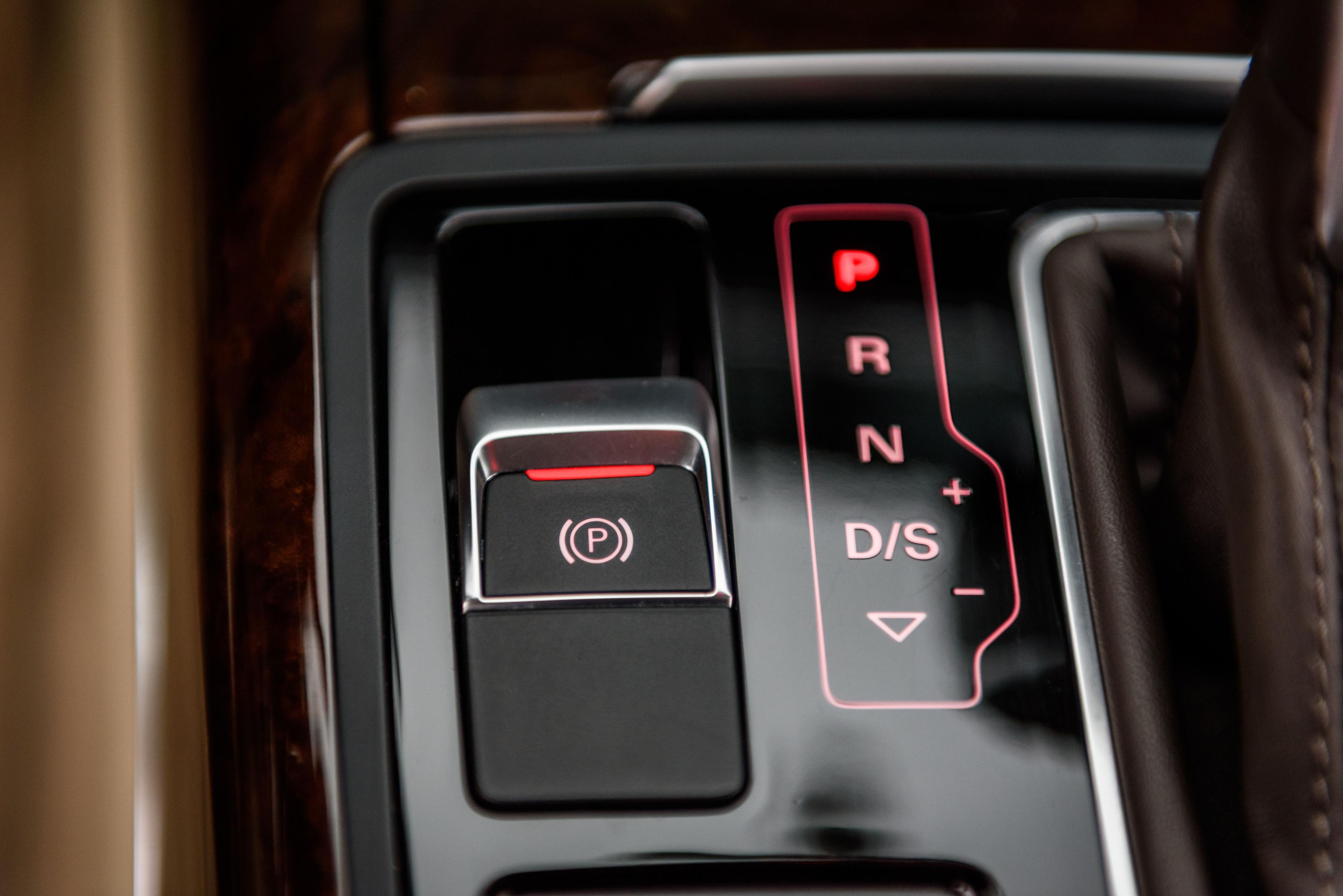
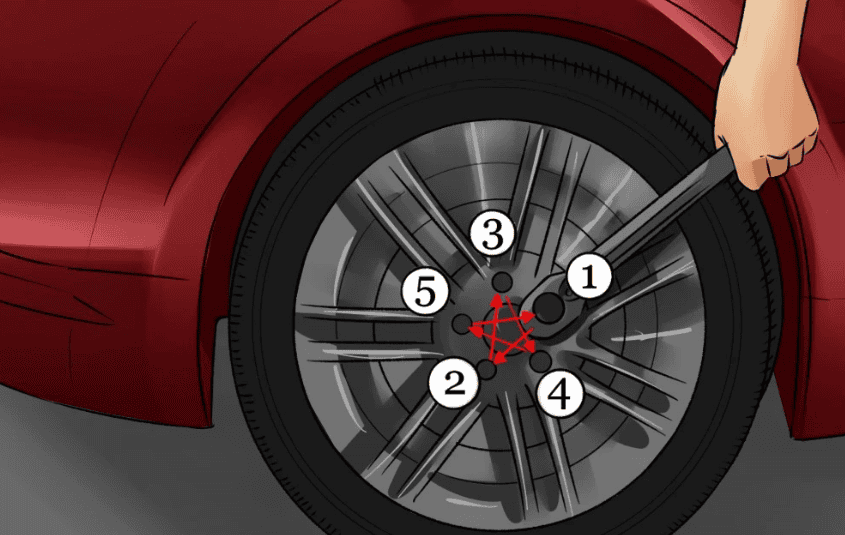
There are several technical points to consider when changing a wheel. Before lifting the vehicle with the jack, you must slightly loosen the Lug Nuts. Also, the vehicle must be parked on flat, level ground with the handbrake engaged. Another highly important piece of advice we give is that when tightening the nuts after installing the spare wheel, tighten them in a 'Star Pattern'. This means instead of tightening adjacent nuts in a circle, you tighten opposite nuts. This ensures the wheel is perfectly centered and guarantees your safety.
Speed Limits and Driving Restrictions
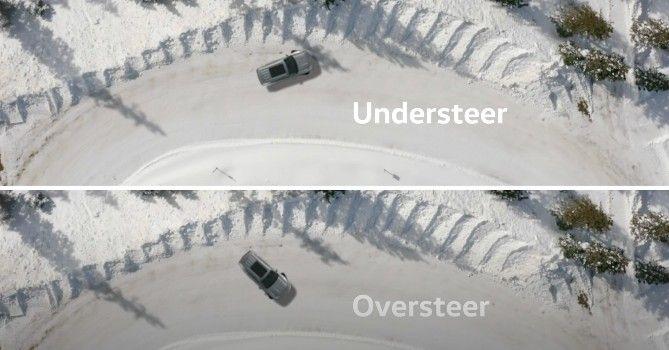
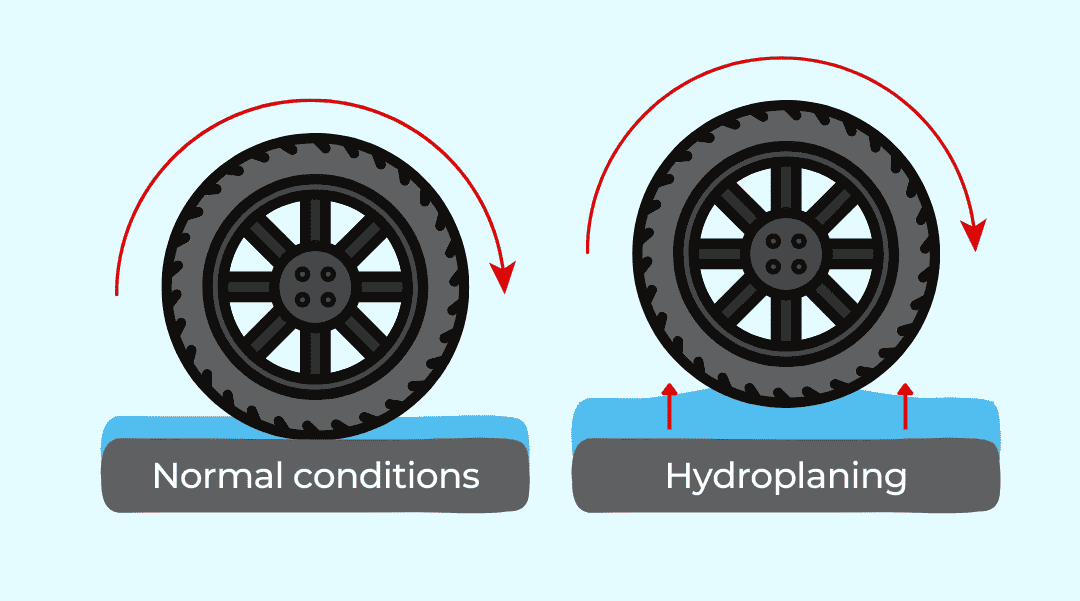
Controlling your speed is extremely important when driving on the road using a spare wheel. If you are using a Space Saver wheel, manufacturers strongly recommend not exceeding a maximum speed limit of 80 km/h (50 mph). Because this wheel is small and narrow, it drastically affects the vehicle's braking system and handling. There is a high risk of the vehicle slipping, especially when cornering or on wet roads. Driving continuously for more than 80-100 kilometers with this wheel on is also not recommended. The wise thing to do is to get your original tire repaired and reinstalled as soon as possible.
Tools and Cleanliness
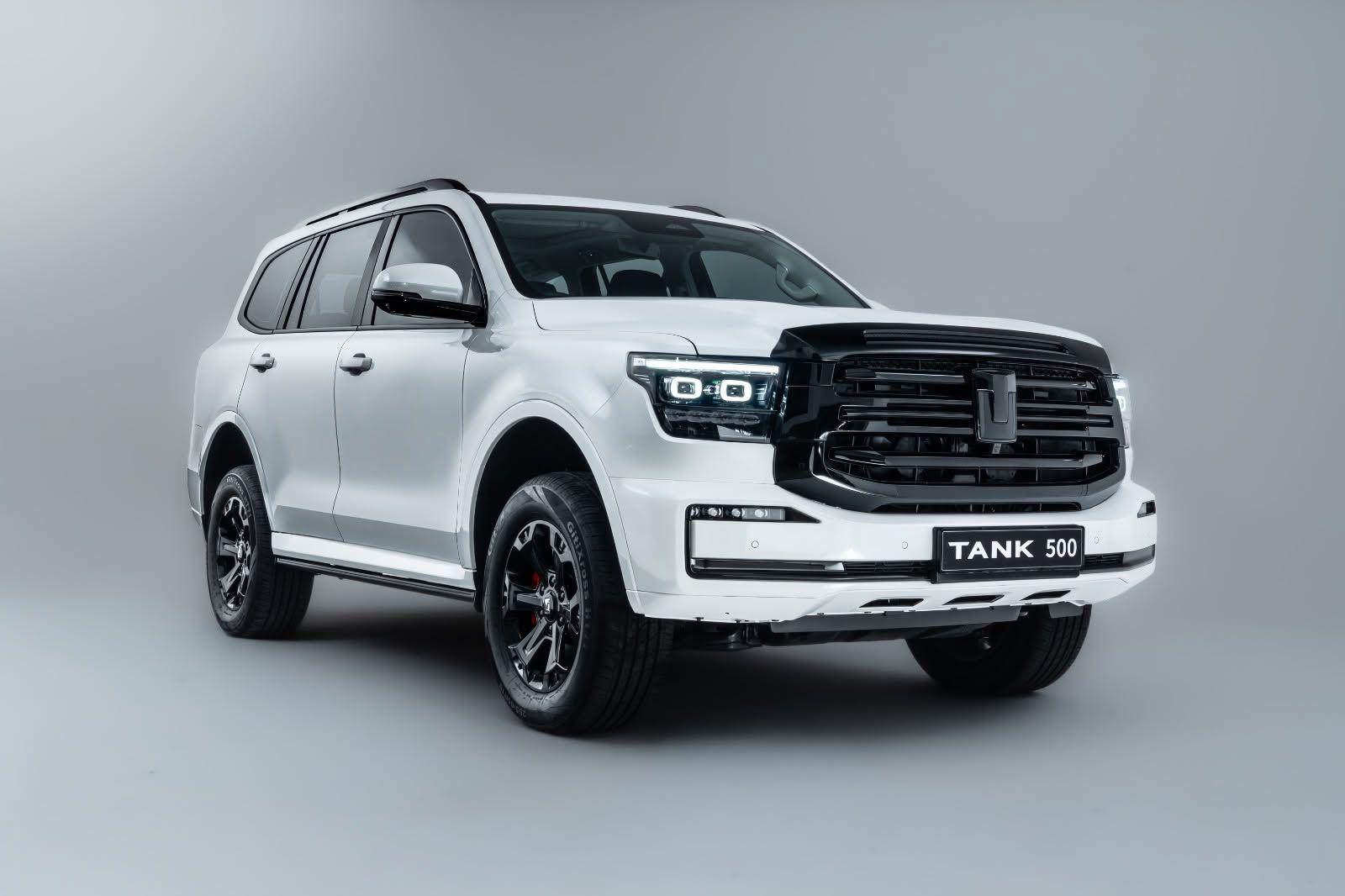
Another important thing is being aware of the location of the spare wheel and the tool kit required to remove it. While in most vehicles this is under the trunk floor, in some SUVs it might be mounted on the rear door or underneath the vehicle. Furthermore, you should check beforehand whether the jack and the wheel brace operate properly. When changing the wheel, ensure you keep the removed nuts in a clean place, away from sand or dirt. If sand gets into the nuts, it can strip the threads (thread damage) on the wheel studs when you try to reattach them.
Tire Repair Kits
Also, some modern vehicles now come with a "Tyre Repair Kit" instead of a physical spare wheel. What this does is inject a sealant into the punctured tire and inflate it using a portable compressor. However, if the tire has a massive blowout or a sidewall tear, this method will not be successful. Therefore, knowing exactly what kind of system your vehicle has beforehand will be a massive help to avoid getting stranded on the road.
Motor Guide's Final Advice
Finally, the advice we give at Motor Guide is that the spare wheel is your ultimate protector in an emergency. Therefore, as soon as you change the wheel, get your primary tire repaired and put it back on immediately. Never use a temporary wheel as a long-term solution. Also, when changing a wheel, refer to the vehicle's manual to correctly identify the designated Jacking Points. Don't forget to always stay tuned with Motor Guide to learn more valuable information like this about modern vehicles and technology!

எழுதியவர்
Nisaga Sandaru
A versatile and highly experienced professional, currently an Automobile undergraduate at the University of Jaffna, with strong technical expertise grounded in hands-on work as a technician with SriLankan Airlines Ground Support Equipment (GSE). Holding an Automobile NVQ Level 3 qualification, along with specialized certifications in Vehicle ECU Programming and Diagnosis, and extensive experience in arc welding and vehicle body painting, and well equipped to handle complex automotive, diagnostic, and fabrication-related tasks with a high level of competence.