The Unique "Floating Buttresses" of the BMW i8

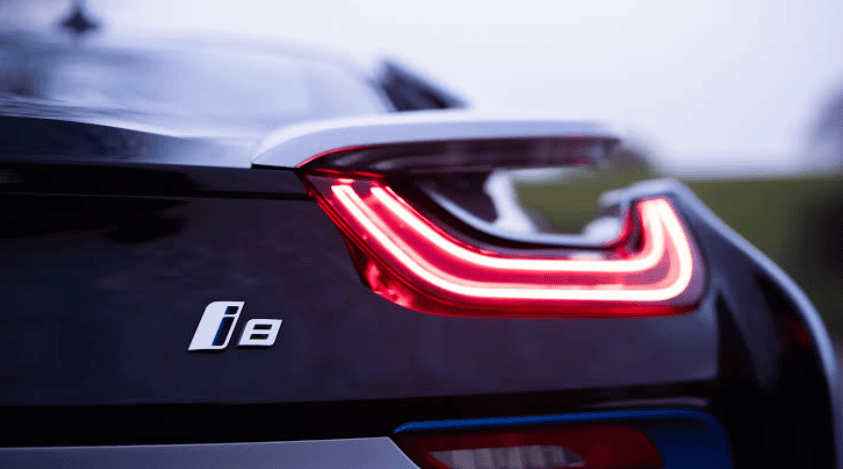
Today at Motor Guide, we are going to talk about a highly exclusive and extraordinary design feature unique to the BMW i8: the "Floating Buttresses." These are the wing-like aerodynamic pillars extending towards the rear of the vehicle.
As professionals looking at the automotive world, we know that certain designs are extremely rare to witness. The way the rear section of the i8 is designed is one such masterpiece. It is not just a beautiful cosmetic addition meant for visual appeal; hidden within it is a highly advanced level of aerodynamics and engineering technology.
What is a Floating Buttress?
First, we need to understand what a Floating Buttress actually is. In traditional Coupe-style vehicles, the section from the rear window down to the body is a single, solid piece. However, when BMW designed the i8, they introduced a completely new concept to the world. Instead of connecting the C-pillar entirely to the vehicle's body in the usual way, they designed it to look as if it is floating, leaving a gap (tunnels) that allows air to flow freely through it. It is safe to say this brought a jet-fighter-like appearance to the automotive world.
The Aerodynamics Behind the Design
Now let's look at how the aerodynamics behind this technology actually work. When a vehicle moves forward at high speeds, airflows travel over the top and along the sides of the car. In a standard vehicle, when these airflows reach the back, they create "Drag" (air resistance) and turbulence. This not only slows the vehicle down but also increases fuel and battery consumption. However, the Floating Buttresses on the i8 act exactly like air tunnels.
Here is what happens: they precisely catch the air coming over the roof and channel it incredibly smoothly along the rear deck lid. In engineering, this is known as Boundary Layer Control. This process minimizes the low-pressure zone that typically forms at the rear, significantly reducing the aerodynamic drag coefficient (the force pulling the car backward). From a technical standpoint, the main advantage is that it presses the car firmly onto the road, providing excellent high-speed stability on highways.
Weight Reduction and Material Technology
We must also definitely talk about the Weight Reduction technology involved here. The i8 is a vehicle that heavily utilizes CFRP (Carbon Fiber Reinforced Polymer). Unlike standard vehicles, these Floating Buttress components are not made of heavy steel. They are crafted from incredibly lightweight, yet exceptionally strong, carbon fiber composites. A vehicle's weight directly impacts its performance and efficiency. Especially since the i8 is a Plug-in Hybrid carrying heavy batteries, engineers were able to perfectly balance the weight using lightweight structures like these.
Engine Cooling and Thermal Management
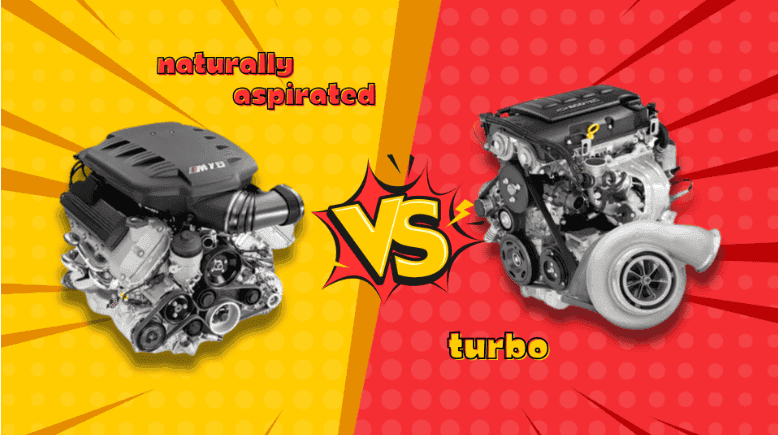
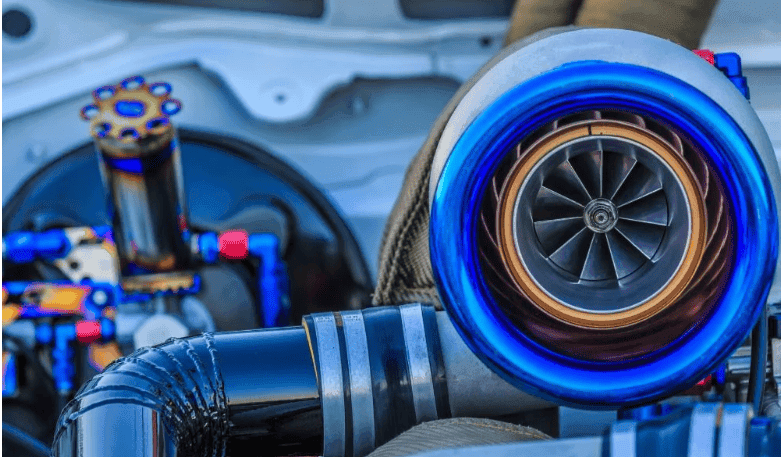
Going even deeper, these buttresses are designed not only to channel air across the body but also to control the airflows that help cool the heart of the i8's engineering: the mid-mounted engine and the electrical systems. The i8's 1.5L turbocharged engine is located in the middle of the chassis. This air tunnel system makes a highly unique contribution to supplying the necessary cool air to this engine and managing the temperatures of components that heat up after driving.
Repair and Maintenance Challenges
If we look at it from a Repair & Maintenance perspective, working with a design like this is not as easy as with standard vehicles. Due to its specialized shape and materials, if the vehicle is involved in an accident, repairing or replacing these parts is highly complex. You cannot use standard welding or traditional panel beating here. Carbon fiber components must be restored using specialized resin technologies and temperature control methods. Therefore, maintaining them requires highly accurate technical knowledge and specialized equipment.
Motor Guide's Final Advice
Motor Guide's final advice is that if you ever intend to purchase or maintain an ultra-modern supercar like the BMW i8, it is essential to have a good understanding of the deep aerodynamic and engineering background hidden behind its stunning looks. These are not just elements added for beauty; they are highly complex technological designs that seamlessly combine vehicle speed, fuel efficiency, and safety.
And don't forget to always stay tuned with Motor Guide to learn more valuable information like this about modern vehicles and technology!
எழுதியவர்
Nisaga Sandaru
A versatile and highly experienced professional, currently an Automobile undergraduate at the University of Jaffna, with strong technical expertise grounded in hands-on work as a technician with SriLankan Airlines Ground Support Equipment (GSE). Holding an Automobile NVQ Level 3 qualification, along with specialized certifications in Vehicle ECU Programming and Diagnosis, and extensive experience in arc welding and vehicle body painting, and well equipped to handle complex automotive, diagnostic, and fabrication-related tasks with a high level of competence.