How to Pass the Emission Test in Sri Lanka

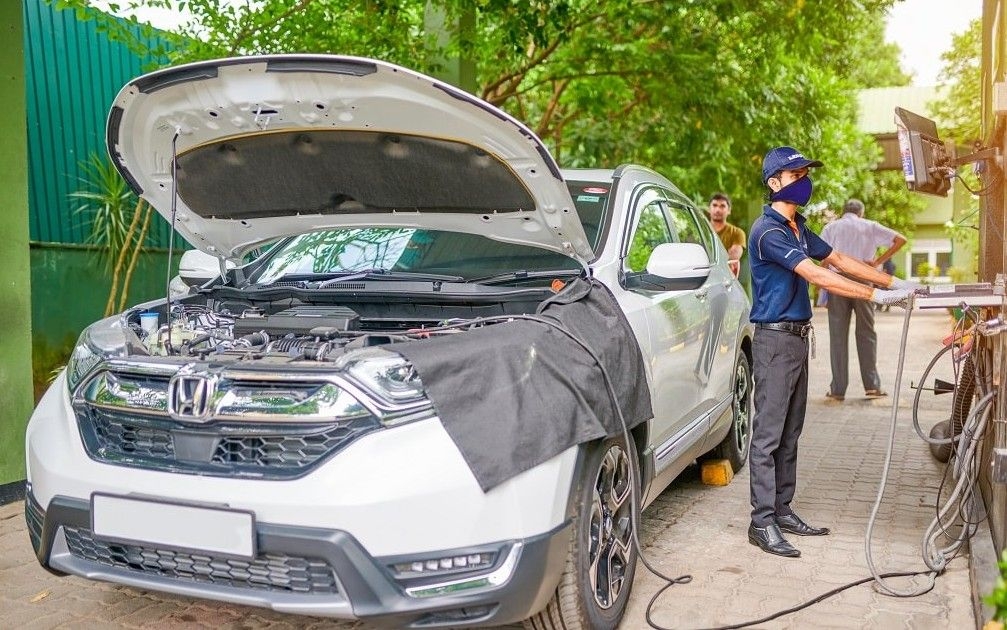
Passing the vehicle emission test is a pivotal step for vehicle owners in Sri Lanka, ensuring that their vehicles are not only compliant with environmental standards but also running efficiently and safely. With over 175 fixed, semi-fixed, and mobile testing stations across the country, getting your vehicle tested is accessible and straightforward. Here’s how you can prepare for a smooth and successful emission test experience.
Preparing for the Test
Warm Up Your Vehicle
Begin by driving your vehicle for at least 25 minutes at moderate speeds. This step is crucial to bring your vehicle up to its peak operating temperature, which is necessary for accurate emission testing.
At the Testing Station
Upon arrival at a DriveGreen testing station:
- Pay the Fee: Complete the fee payment and collect your receipt.
- Keep the Engine Running: As you queue for the testing booth, keep your vehicle’s engine running.
- Receipt Presentation: Show the receipt to the Vehicle Inspector when it's your turn.
- During the Test: You can either stay in the passenger seat or wait in the designated area, monitoring your vehicle’s progress on the remote monitor.
- Test Completion: You will be informed about the emission compliance status of your vehicle. If your vehicle passes, you will receive a Sri Lanka Vehicle Emission Test Certificate, necessary for renewing your Annual Revenue License.
Common Reasons for Failing the Emission Test
Understanding why vehicles fail the emission test can help you take preventative measures. Here are common issues to address:
1. Air Cleaner Problems
- Clogs and Overuse: Regularly check and replace your air cleaner to avoid clogs or using it beyond the recommended time or mileage.
- Incorrect Type: Ensure the air cleaner is appropriate for your vehicle type; for instance, don't use a diesel vehicle’s air cleaner for a petrol vehicle.
- Excess Oil and Leaks: Avoid over-oiling and check for leaks in the induction hoses or ducts, especially in EFI vehicles.
2. Spark Plug Issues
- Maintenance: Replace spark plugs beyond their service period and ensure they are the recommended model and properly tightened.
- Inspection: Look for damage or bad plug tops/wires, which can impair vehicle performance.
3. Carburetor/Fuel Injection System Faults
- Adjustments and Modifications: Incorrect modifications or adjustments can lead to failures. Ensure everything is set correctly and that there are no clogs or improper fittings.
- EFI Specific: For EFI vehicles, check for clogged fuel injectors and blocked throttle bodies or air lines.
4. Ignition System Defects
Components: Inspect the ignition coil, pickup coil, C-B points/CDI unit, and high-tension wires for defects.
5. Other Factors
- Engine Condition: A worn engine, excessive oil in petrol (for 2-strokes), or high engine oil levels can lead to failure.
- Ventilation and EGR Valves: Ensure the PCV valve and EGR valve are not clogged and functioning correctly.
- Mechanical Integrity: Check valve seats, gasket sealing, and timing for accuracy.
Preparation is Key: Begin with a thorough check-up of your vehicle. Ensure the engine and chassis numbers are visible and correct, the silencer is in good condition, and there are no oil or water leaks. Smoke emissions should be minimal, and both the fuel cap and fan belt must be intact and functional.
Understanding Emission Standards: Sri Lanka has specific emission standards for petrol, diesel, and LPG vehicles. Familiarizing yourself with these standards can help you assess your vehicle's readiness for the test.
Required Documents: Don't forget to bring all necessary documents to your emission test, including registration papers and previous emission test certificates, if applicable.
The Testing Process: The test will measure your vehicle's exhaust emissions to ensure they are within legal limits. Vehicles that pass will receive a certificate of compliance, a testament to their environmental friendliness.
Tips for Success: Regular maintenance is the best way to ensure your vehicle remains within emission standards. This includes timely oil changes, ensuring your air filter is clean, and keeping the engine properly tuned.
By addressing these common issues before your test, you can significantly increase your chances of passing the emission test in Sri Lanka. Regular maintenance not only ensures your vehicle is emission-compliant but also enhances performance and longevity. Don’t forget, passing the emission test is not just about compliance; it’s a contribution to cleaner air and a healthier environment for all.

Written by
Nipuna Marasinghe