Information Contained in a Vehicle Book

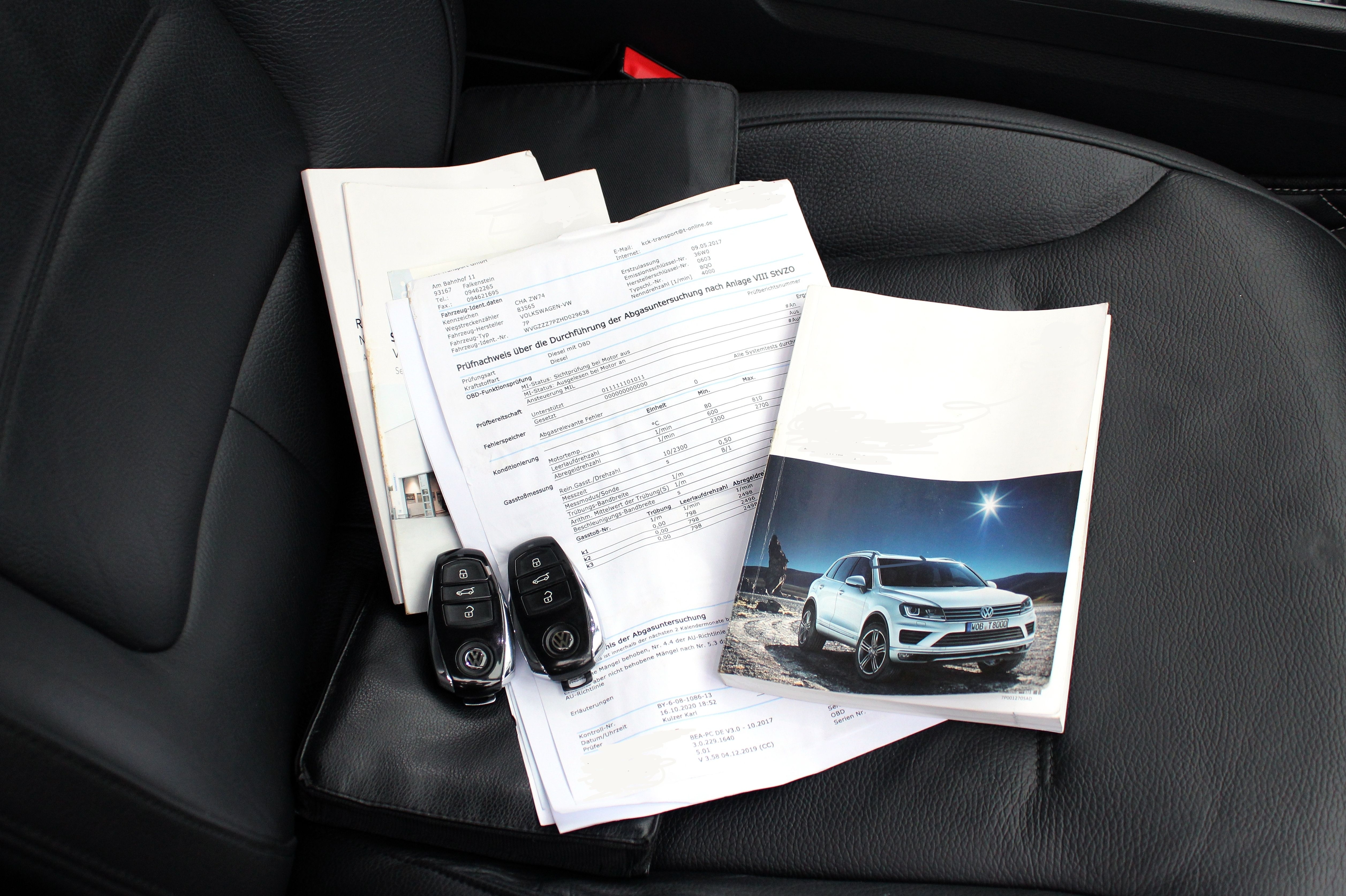
Have you ever carefully flipped through a vehicle book? If you own a vehicle or plan to buy one, understanding the information recorded in the vehicle book is very important. Today, MotorGuide explains the key details included in a vehicle book and why they matter.
Registration Number
This number identifies the vehicle. The first two letters represent the province (e.g., WP = Western Province). After that, the format typically includes three English letters followed by four digits.
Chassis Number
The chassis number printed on the vehicle must match the one in the book. Always verify this before purchasing a vehicle.
Current Owner Details
The vehicle book records the current owner’s name, address, and ID number.
Conditions / Special Notes
This section may state “Original” for first-issue books or “Duplicate” if reissued. It can also include notes if the vehicle was registered for special purposes (e.g., racing).
Ultimate Owner
If the vehicle was financed, the finance company’s name is recorded here. For fully cash-purchased vehicles, this field may be blank.
Engine Number
Just like the chassis number, the engine number must match the one printed on the engine. Always check this before purchase.
Cylinder Capacity (CC)
This indicates the engine capacity of the vehicle.
Vehicle Class
The type of vehicle (car, motorcycle, lorry, etc.) is classified here.
Taxation Class
Taxation is calculated based on the vehicle class and recorded in this section.
Registration Status
This shows whether the vehicle was registered as brand new or reconditioned (imported used).
Fuel Type
Indicates whether the vehicle runs on petrol, diesel, or electricity.
Type & Model
The brand is recorded under Type, while the sub-category of the brand is listed under Model.
Country of Manufacture
Shows the country where the vehicle was manufactured or exported from.
Manufacturer’s Classification
This categorization is similar to “Vehicle Class,” but determined by the manufacturer.
Year of Manufacture
A key factor for market value—this specifies the year the vehicle was built.
Color
The official registered color(s) of the vehicle. Any repainting must be updated in the RMV and vehicle book.
Previous Owners
Lists all previous owners, helping buyers understand the vehicle’s history and condition.
Number of Seats
Indicates total seats available, including the driver’s seat.
Weight & Tire Size
In most books, weight, tire size, and dimensions are included only for imported vehicles or modified ones.
Provincial Council
The province where the vehicle was registered is recorded here, linked to the vehicle’s revenue license.
First Registration Date
Specifies when the vehicle was first registered with the RMV.
Other Key Details
- The Commissioner General’s signature
- Barcode for tracking
- Description of ordinances related to the Motor Traffic Act
Important: If buying a second-hand vehicle, the ownership transfer must be completed within 14 days of purchase with all necessary documents.
Although some details in the vehicle book may seem minor, every entry plays a role in confirming the authenticity and condition of a vehicle. Whether you’re purchasing or already own one, always ensure these details match correctly—it protects your investment and prevents future legal or financial issues.

எழுதியவர்
Nipuna Marasinghe