Is It Advisable to Remove the Engine Splash Shield?

Today at Motor Guide, we are discussing a very common dilemma: how advisable is it to completely remove your vehicle's engine splash shield, also known as the under cover? Often, when visiting a service center or doing a minor repair, friends or mechanics might suggest just throwing this plastic or fiberglass cover away. Many people also mistakenly believe that removing it allows more air to hit the engine, keeping it cooler. But is removing this cover actually good or bad for your vehicle? Let's dive deep into the technical reality.
What is an Engine Splash Shield?
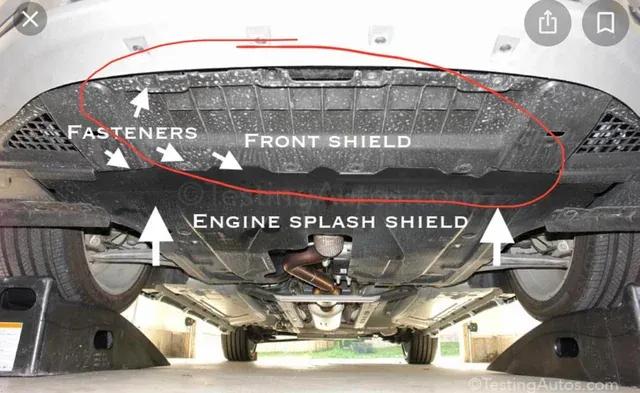
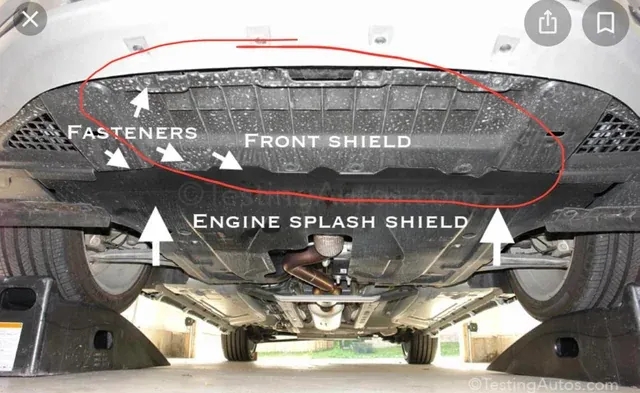
First, let's understand what this shield is and its critical role. Typically made from durable plastic, aluminum, or fiberglass, this panel completely covers the underside of the engine and gearbox. Its primary job is to protect the engine bay from water, pebbles, mud, dust, and various road debris thrown up by the tires. Especially during the rainy season, driving through water-filled potholes without this cover means water splashes directly onto sensitive electrical wiring, sensors, and the alternator, which can easily cause your vehicle to break down in the middle of the road.
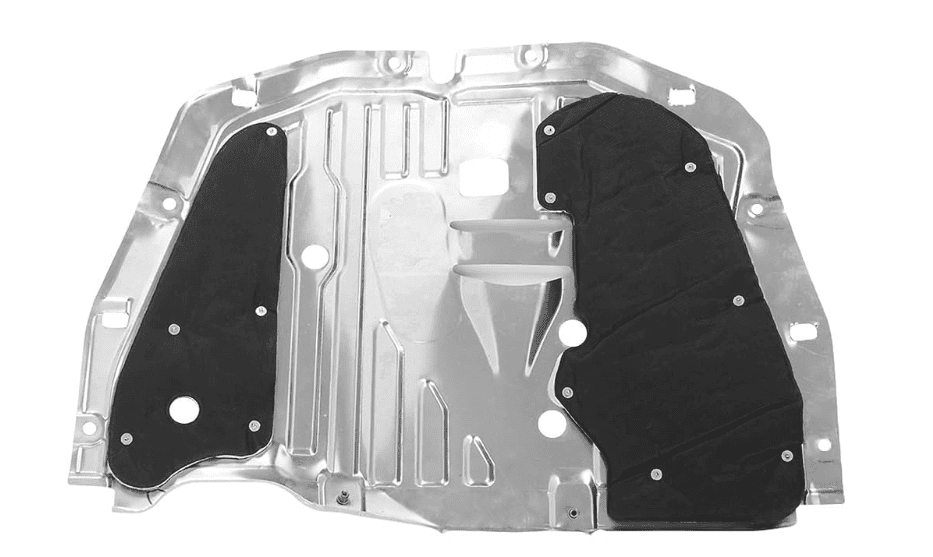
The Engine Cooling Myth and Aerodynamics
As automotive professionals, a major issue we see is owners removing this shield under the false assumption that it helps cool the engine better. In reality, modern automakers design these covers based on highly complex aerodynamic principles. When driving at high speeds, this cover ensures the airflow passing underneath the car travels smoothly. This reduces air pressure under the vehicle, helping to create downforce that keeps the car firmly planted and stable on the road. Furthermore, engine cooling relies entirely on the radiator, coolant system, and cooling fans—not on removing the bottom plastic cover.
Impact on Fuel Efficiency
Surprisingly, removing this shield can even negatively impact your vehicle's fuel efficiency. How does this happen? Without the smooth cover, the air rushing under the car hits the rough, uneven surfaces of the engine and suspension components, creating massive air drag. To overcome this resistance and maintain speed, the engine has to work harder, which in turn increases fuel consumption. Therefore, it cannot be dismissed as "just a piece of plastic"; it plays a massive role in the vehicle's overall performance dynamics.
Why Do People Actually Remove It?
On the flip side, there are reasons why people are tempted to remove it. In many used cars, the clips, nuts, and bolts holding the shield break over time, causing highly annoying rattling noises while driving. Additionally, since it takes extra time to unscrew and reattach the panel during every routine oil change, some mechanics advise leaving it off completely. Another drawback is that a sturdy splash shield can catch dripping oil or coolant, sometimes hiding a leak until it becomes a bigger problem.
The Smart Solution
However, the solution to an oil leak is fixing the leak itself—not throwing away the protective cover. If your vehicle's original shield is broken or missing, the safest and smartest move is to replace it with a high-quality aftermarket or OEM cover. Especially in a country like Sri Lanka, where heavy rains and severely potholed roads are common, driving without this shield exposes your highly expensive underbody components to unnecessary and dangerous risks.
According to automotive engineering principles, manufacturers design every single inch of a vehicle for a specific purpose. The engine splash shield is not just dead weight. Taking the time to properly secure it can save you from massive, unexpected repair bills.
Motor Guide's Final Advice
Motor Guide's final advice is to protect your engine splash shield as much as possible and ensure it is always securely bolted in place. If it gets severely damaged, replace it with a new cover as soon as possible to maintain your vehicle's safety, aerodynamics, and cleanliness.
And don't forget to always stay tuned with Motor Guide to learn more valuable information like this about modern vehicles and technology!

எழுதியவர்
Nisaga Sandaru
A versatile and highly experienced professional, currently an Automobile undergraduate at the University of Jaffna, with strong technical expertise grounded in hands-on work as a technician with SriLankan Airlines Ground Support Equipment (GSE). Holding an Automobile NVQ Level 3 qualification, along with specialized certifications in Vehicle ECU Programming and Diagnosis, and extensive experience in arc welding and vehicle body painting, and well equipped to handle complex automotive, diagnostic, and fabrication-related tasks with a high level of competence.