Why is the TPMS Warning Light On?

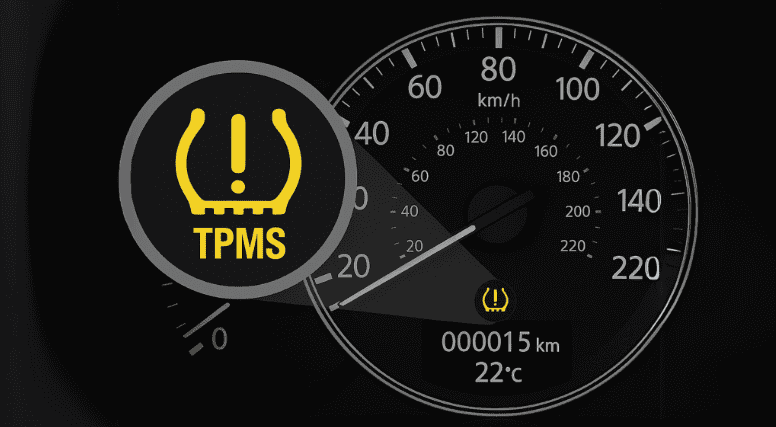
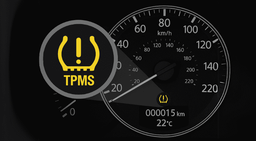
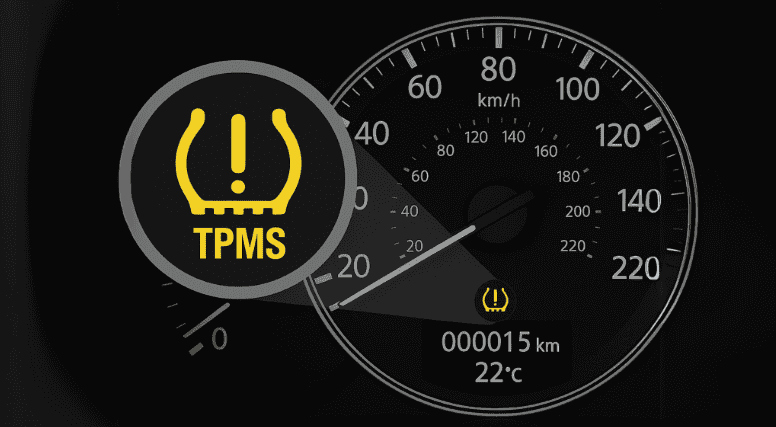
Today at Motor Guide, we are looking at a crucial dashboard indicator that frequently triggers sudden anxiety for drivers: the TPMS (Tire Pressure Monitoring System) warning light. Understanding exactly what this horseshoe-shaped yellow icon means and the technical reasons behind it is vital for your road safety and maximizing your vehicle's lifespan.
The Role of the TPMS
The TPMS continuously monitors the air pressure in all four tires and alerts you the moment it drops below a safe threshold. Automakers made this system mandatory because driving on underinflated tires drastically increases braking distances, causes severe handling issues, and significantly elevates the risk of high-speed blowouts.
Primary Reasons the TPMS Light Turns On
- Natural Pressure Drop & Temperature Fluctuations: Even without a puncture, tires naturally lose 1 to 2 PSI per month. Additionally, cold weather causes the air inside to contract, rapidly dropping the pressure. If the pressure falls more than 25% below the manufacturer's recommended PSI, the light will illuminate instantly.
- Punctures and Slow Leaks: Running over a nail or sharp debris can cause a slow leak. The TPMS detects this gradual loss of pressure long before you feel the steering wheel pull, giving you ample warning to pull over and inspect the tire safely.
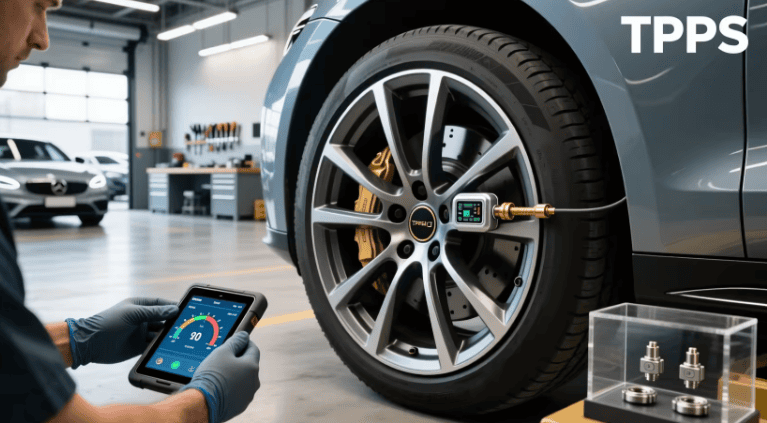
- Dead Sensor Batteries or Physical Damage: Modern Direct TPMS setups feature electronic sensors mounted near each tire valve. These sensors run on batteries that typically last 5 to 10 years. If a battery dies, or if a sensor is physically damaged by a mechanic during a tire change, the system cannot receive signals. A flashing TPMS light that stays solid after a minute usually indicates a sensor fault rather than a tire leak.
- Failure to Reset After a Tire Rotation: If you rotate or replace your tires and forget to reset (or "relearn") the system, the TPMS light will trigger. Furthermore, Indirect TPMS systems (which use ABS sensors to measure wheel rotational speed) will trigger if tire circumferences change without a system recalibration.
Motor Guide's advice is to never ignore the TPMS light. The moment it comes on, safely pull over and check the pressure of all four tires against the recommended PSI (found on a sticker inside the driver's side door jamb). If the pressure is low, inflate the tires and reset the system. If the tires are perfectly inflated but the light continues to blink or stays solid, head to a certified service center to have the sensors diagnosed. Stay tuned to Motor Guide for more valuable insights into modern vehicle technology!

எழுதியவர்
Nisaga Sandaru
A versatile and highly experienced professional, currently an Automobile undergraduate at the University of Jaffna, with strong technical expertise grounded in hands-on work as a technician with SriLankan Airlines Ground Support Equipment (GSE). Holding an Automobile NVQ Level 3 qualification, along with specialized certifications in Vehicle ECU Programming and Diagnosis, and extensive experience in arc welding and vehicle body painting, and well equipped to handle complex automotive, diagnostic, and fabrication-related tasks with a high level of competence.