2026 Hybrid Vehicle Battery Reconditioning Standards and New Insurance Regulations in Sri Lanka

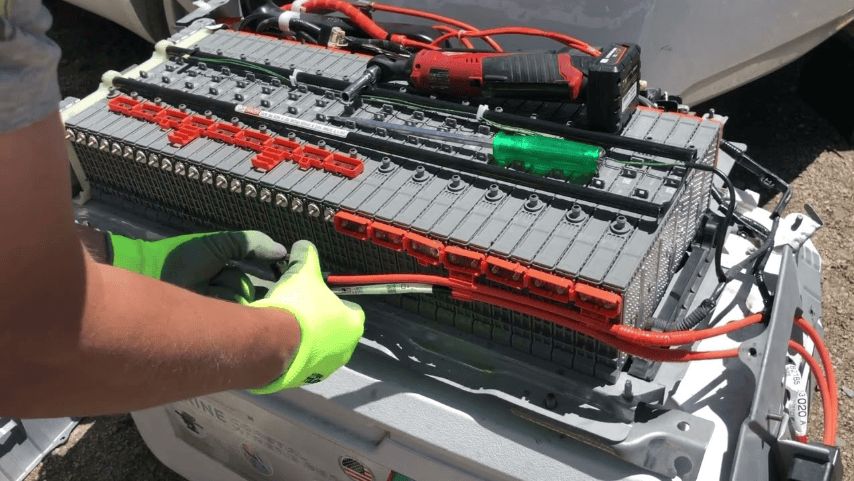
The year 2026 is a highly crucial period for hybrid vehicle owners and industry professionals in Sri Lanka. The hybrid technology that entered the country over the past few years has now taken a massive leap forward. Specifically, starting this year, the government and standardization institutions have introduced an extremely strict set of regulations regarding hybrid battery reconditioning. It is vital for everyone to understand that the era of simply swapping out a few battery cells and "patching things up" is officially over. Today at Motor Guide, we urge you to keep these facts in mind, as they directly impact both your vehicle's safety and your wallet.
New Standards for Hybrid Battery Reconditioning
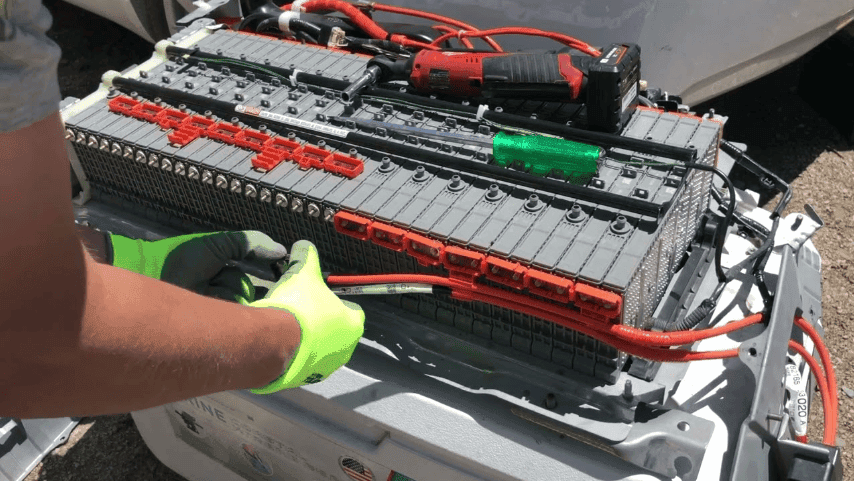
First, let's discuss the new standards for hybrid battery reconditioning. From 2026 onwards, the Sri Lanka Standards Institution (SLSI) has introduced a special licensing system for hybrid battery reconditioning centers. Moving forward, unauthorized locations are strictly prohibited from dismantling batteries or replacing cells.
The most important factor is the "Cell Balancing" process. In the past, if one cell burned out, mechanics would simply remove it and replace it with another used cell. However, under the new regulations, maintaining specific values for minimum voltage equality and Internal Resistance across a battery pack is mandatory. Any battery repair conducted outside these standards is considered illegal, and no valid certification can be issued for them.
Quality of Spare Parts and Digital Service Records
The next critical aspect is the standard of the spare parts used for these batteries. The government now demands proper quality certification for imported "Replacement Cells" entering the market, whether from China or elsewhere. Specifically, Nickel-Metal Hydride (NiMH) and Lithium-ion (Li-ion) batteries are categorized and regulated differently.
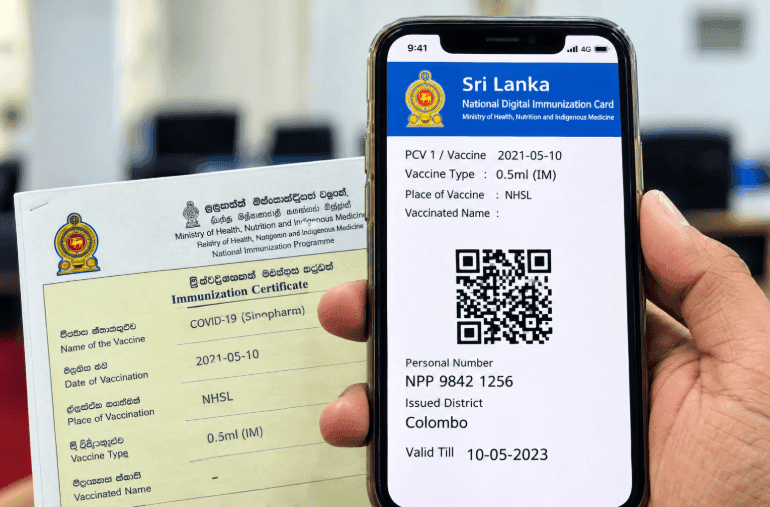
According to the new 2026 laws, once a battery is reconditioned, the respective service center must compulsorily maintain a "Digital Service Record." This means anyone must be able to scan a QR code at any time to verify exactly what was done to your vehicle's battery, which specific cells were replaced, and their dates of manufacture.
The Biggest Challenge: New Insurance Policies
Now let's turn to insurance policies. This poses the biggest challenge for vehicle owners. Starting in 2026, insurance companies will determine the premium for hybrid vehicles based on the battery's condition report. When you apply for or renew your vehicle insurance, it is mandatory to submit a "Battery Health Report" from an accredited institution.
If the battery's efficiency is below 70%, insurance companies will simply not provide coverage for the battery. Furthermore, if the battery was repaired at an unauthorized, government-unapproved location, your entire insurance claim could be rejected even if the vehicle meets with a regular accident. Therefore, keeping proper bills and certificates for everything done to your vehicle is extremely important.
Battery Disposal Policy
Another special regulation is the "Battery Disposal Policy." Releasing old batteries or battery cells into the environment is now a serious offense. Even insurance companies now verify whether you handed over your old battery to a formalized recycling institution when you get a replacement. Without the certificate proving proper disposal, securing insurance coverage for your new battery will be difficult. Through this, the government expects to minimize environmental pollution while stopping the illegal hoarding of old cells to be secretly resold in the market.
Motor Guide's Perspective
As professionals in this field, we at Motor Guide believe that these new rules provide immense protection to the consumer. The recurring issue of repairing a battery only to have the "Warning Lights" pop up on the dashboard two months later will be greatly reduced thanks to this standardization. Furthermore, the accountability enforced through insurance companies will save you from unexpected expenses. However, you must be well-informed about all of this. When buying a used hybrid vehicle now, you cannot just look at its exterior; you must thoroughly check its battery history and ensure it has been maintained according to the new regulations.
Final Advice
Finally, remember that hybrid technology is a highly complex subject. By 2026, this sector in Sri Lanka has become highly regulated and formalized. Therefore, do not be deceived by places offering to fix your battery for suspiciously low prices. Unstandardized repair work can severely damage your vehicle's entire electronic system. Additionally, losing your insurance coverage will result in a massive financial loss. By choosing a government-registered institution equipped with modern tools and working to standard, you can protect both your vehicle's lifespan and your insurance security. Adapting to these rules and using your vehicle responsibly is not just your duty; it is the smartest decision you can make.

Written by
Nisaga Sandaru
A versatile and highly experienced professional, currently an Automobile undergraduate at the University of Jaffna, with strong technical expertise grounded in hands-on work as a technician with SriLankan Airlines Ground Support Equipment (GSE). Holding an Automobile NVQ Level 3 qualification, along with specialized certifications in Vehicle ECU Programming and Diagnosis, and extensive experience in arc welding and vehicle body painting, and well equipped to handle complex automotive, diagnostic, and fabrication-related tasks with a high level of competence.