Common Engine Starting Problems During Cold or Rainy Weather and How to Fix Them

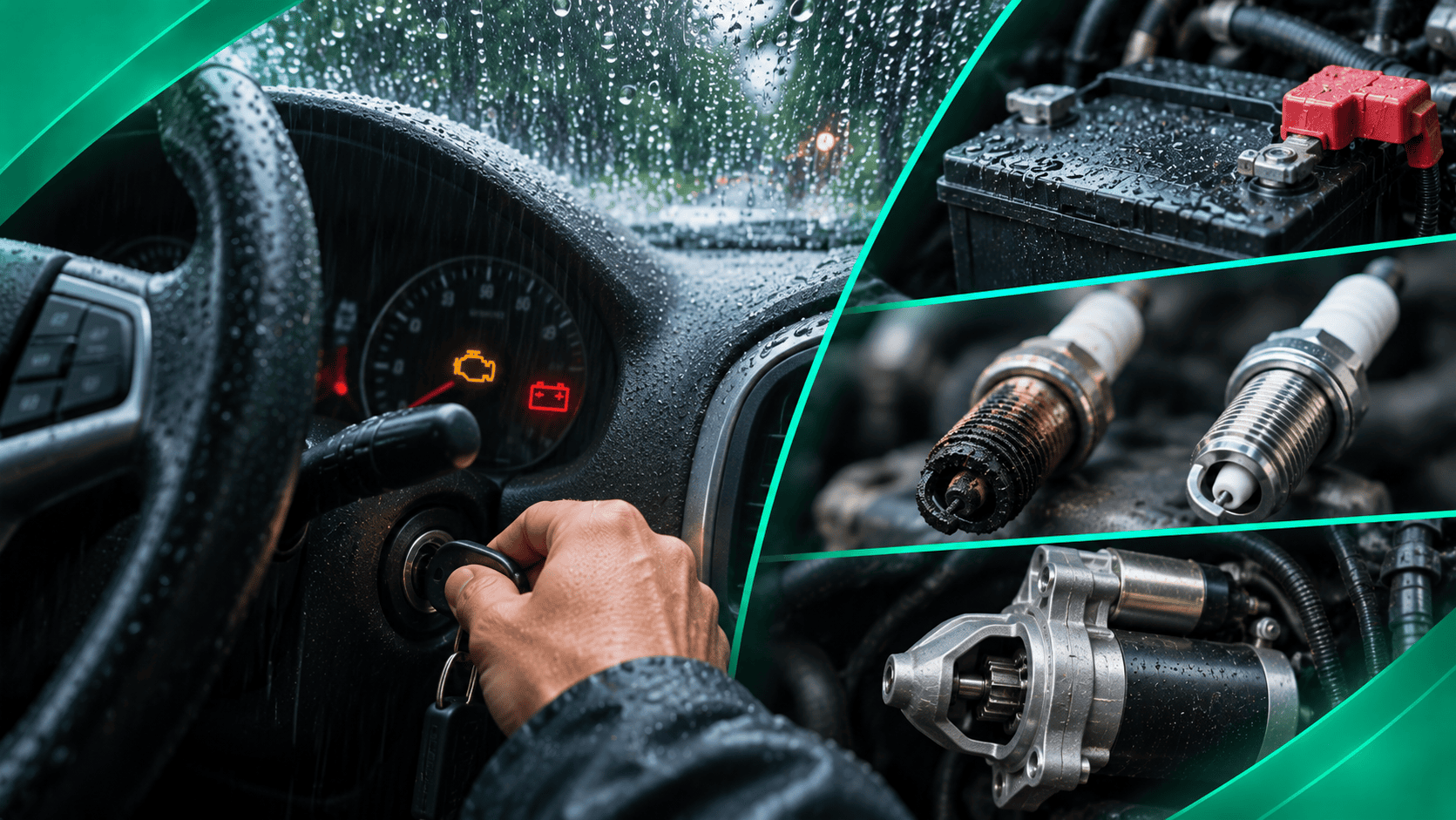
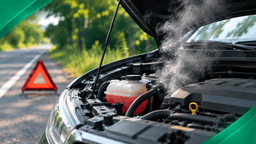
Today at MotorGuide, we're going to discuss a frustrating problem that many vehicle owners experience, especially during cold mornings and periods of heavy rain. We're talking about engine starting problems and what you can do when your vehicle refuses to start.
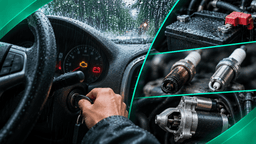
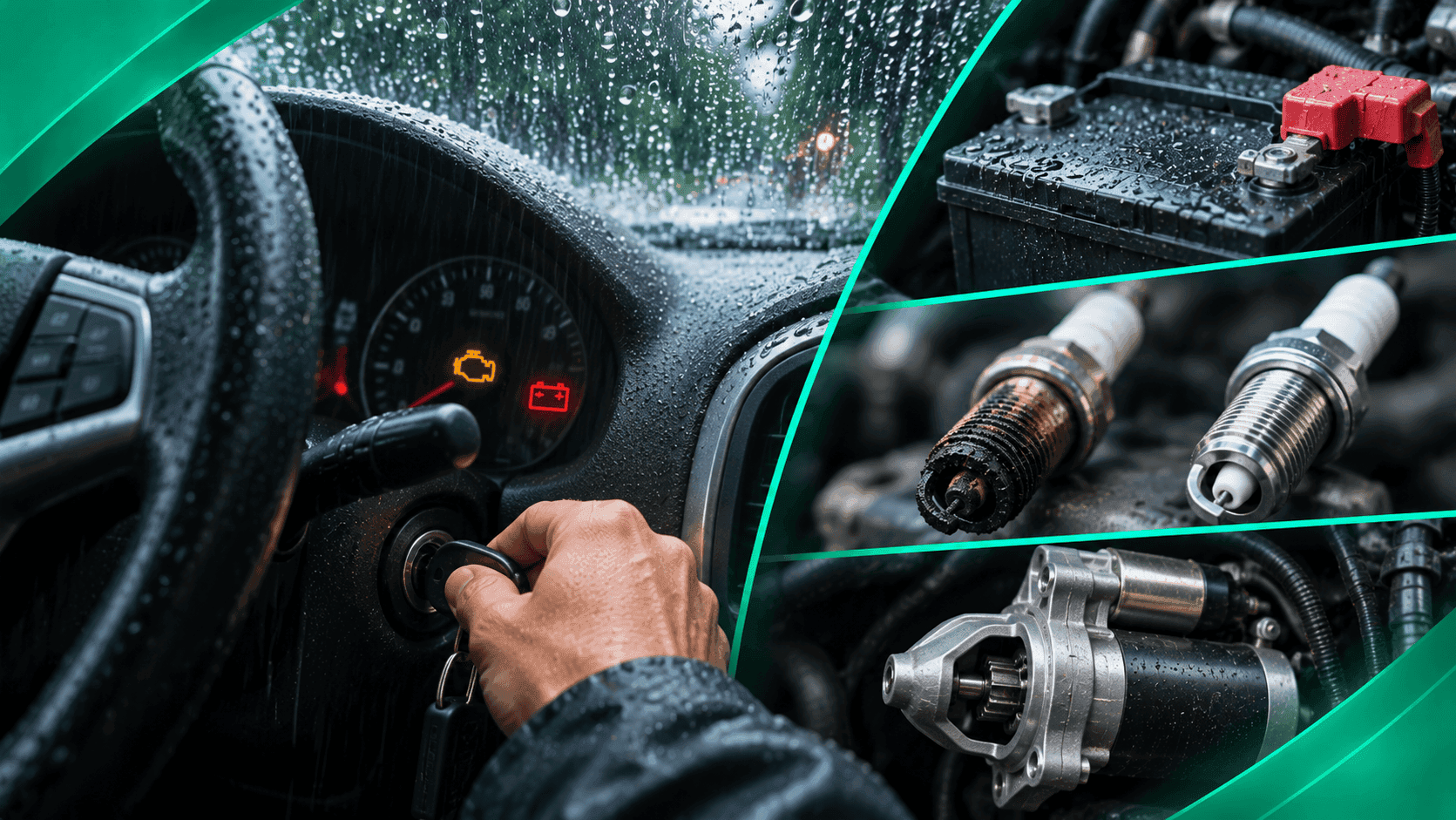
Imagine getting into your car early in the morning, ready to leave for work. You turn the ignition key or press the Start button, expecting the engine to start normally. Instead, you hear a weak cranking sound, repeated clicking, or the engine turning over without actually starting.
It's an inconvenient situation, especially when you're already running late.
Although starting problems can happen at any time, certain weather conditions can make existing mechanical or electrical weaknesses more noticeable.
Cold temperatures can reduce battery performance and increase the effort needed to crank the engine. Rainy weather, meanwhile, can expose damaged electrical connections, worn ignition components, and moisture-related faults.
So, why do these problems occur, how can you identify their causes, and what practical steps can you take before calling a mechanic? Let's take a closer look.
Why Do Cars Sometimes Struggle to Start in Cold or Rainy Weather?
For an internal combustion engine to start successfully, several systems must work together.
The battery must provide sufficient electrical power, the starter motor must turn the engine, and the fuel delivery and engine management systems must operate correctly.
Petrol engines also require a functioning ignition system to ignite the air-fuel mixture, while diesel engines depend on compression ignition and may require additional cold-start assistance.
If any of these systems develops a fault, the engine may become difficult to start.
Cold temperatures and moisture do not always cause the problem directly. Instead, they often make an existing weakness more noticeable.
For example, a battery that performs adequately during warm weather may struggle when temperatures fall. Similarly, a damaged ignition coil or cracked spark plug wire may cause problems only when exposed to moisture.
1. Reduced Battery Performance in Cold Weather
One of the most common reasons for difficult cold starts is reduced battery performance.
A conventional 12V lead-acid battery produces electrical energy through chemical reactions.
When the surrounding temperature becomes significantly colder, these reactions slow down and the battery's ability to deliver high starting current decreases.
At the same time, the starter motor may need more effort to turn a cold engine because engine oil becomes more viscous at lower temperatures.
This combination can make starting particularly difficult for a weak or ageing battery.
For example, you might notice that the starter motor turns more slowly than usual or that the dashboard lights become noticeably dim while attempting to start the engine.
In some cases, you may hear a repeated clicking sound without the engine cranking properly.
However, clicking sounds can also indicate poor battery connections, starter motor problems, or other electrical faults.
During rainy weather, drivers may use headlights, windscreen wipers, demisters, and other electrical accessories more frequently.
These accessories increase the vehicle's electrical demand, although a properly functioning alternator should normally supply their power while the engine is running.
Battery problems are more likely when the battery is already weak, the alternator is not charging correctly, or the vehicle has been used mainly for short journeys.
How to Identify Battery-Related Starting Problems
There are several symptoms that may suggest a weak battery or poor electrical connection.
- The starter motor turns more slowly than normal.
- The dashboard lights dim significantly during cranking.
- You hear clicking sounds when trying to start the engine.
- The vehicle starts after a jump-start but struggles again later.
- Battery terminals appear corroded, loose, or damaged.
However, these signs are not enough to confirm that the battery needs replacement.
A technician may need to perform a battery condition test, inspect the electrical connections, and check the charging system.
Replacing a battery without checking the alternator and starter circuit may fail to resolve the underlying problem.
2. Moisture Entering the Ignition System
Another possible cause of starting difficulties during heavy rain is moisture affecting the ignition system.
In a petrol engine, the ignition system generates the high-voltage spark needed to ignite the air-fuel mixture inside the cylinders.
Depending on the vehicle, this system may include spark plugs, ignition coils, high-voltage ignition leads, or a distributor assembly.
Older vehicles often use distributor caps and separate spark plug wires, while many modern petrol engines use individual ignition coils mounted directly above the spark plugs.
If protective insulation becomes cracked or damaged, moisture may contribute to electrical leakage or poor ignition performance.
For example, worn spark plug leads can sometimes allow ignition voltage to escape instead of reaching the spark plug correctly.
As a result, the engine may crank normally but struggle to start.
Even after starting, the vehicle may experience rough idling, hesitation, or engine misfires.
Moisture-related electrical problems can also affect connectors, sensors, or control circuits, especially if the vehicle has previously experienced water intrusion.
However, a properly sealed and maintained ignition system should generally tolerate normal rainy weather without difficulty.
What Should You Do If Moisture Is Affecting the Ignition System?
If you suspect an ignition-related problem, avoid repeatedly cranking the engine without identifying the cause.
Check for obvious signs of water intrusion or damaged components only when the engine is switched off and it is safe to inspect the area.
Never touch ignition leads, coils, or related high-voltage components while the engine is running or being cranked.
If visible moisture has entered an accessible low-voltage connector or another component, a qualified technician can inspect and dry it using suitable procedures.
Damaged ignition coils, cracked plug wires, or deteriorated connectors may need repair or replacement.
It is also important to identify how moisture entered the affected area so that the problem does not return during the next period of heavy rain.
3. Thick Engine Oil and Cold-Start Resistance
Engine oil viscosity is another factor that can affect starting performance in cold conditions.
When engine oil becomes colder, its resistance to flow generally increases.
This means the starter motor may need more effort to rotate the engine during the initial starting process.
The effect can become more noticeable when the engine contains oil that is unsuitable for the expected operating temperature.
Modern multigrade engine oils are designed to provide appropriate flow characteristics across a specified temperature range.
For example, the first number in an oil grade such as 0W-20 or 5W-30 relates to its low-temperature performance classification.
However, you should never choose an engine oil grade based only on a general recommendation.
Always use the viscosity and performance specification approved by the manufacturer for your exact engine.
In Sri Lanka's relatively warm lowland climate, extreme cold-related oil thickening is generally less significant than in countries experiencing freezing temperatures.
Nevertheless, colder highland conditions, unsuitable oil, and existing battery or starter problems can make difficult starting more noticeable.
4. Glow Plug Problems in Diesel Vehicles
Diesel engines operate differently from petrol engines because they normally rely on compression ignition rather than spark plugs.
During a cold start, particularly in low ambient temperatures, the air and combustion chamber may not be sufficiently warm for reliable ignition.
Many diesel engines therefore use glow plugs to provide additional heat during starting and, in some cases, after the engine has started.
If one or more glow plugs fail, the engine may take longer to start during cold conditions.
Other possible symptoms include rough running immediately after starting, white exhaust smoke during a cold start, or a glow plug warning light.
However, diesel starting problems may also be caused by low fuel pressure, injector faults, poor compression, sensor problems, or a weak battery.
Glow plugs are therefore only one possible cause.
How to Start a Diesel Vehicle Correctly in Cold Weather
For diesel vehicles equipped with a glow plug indicator, follow the starting procedure described in the owner's manual.
In many vehicles, the driver turns the ignition to the ON position and waits for the glow plug indicator to go out before attempting to start the engine.
For vehicles with push-button starting, the engine management system may control the preheating sequence automatically.
Modern diesel engines can have different glow plug strategies, so avoid repeatedly cycling the ignition unless the manufacturer recommends it.
If the engine consistently takes too long to start, have the glow plug system and other relevant components tested.
5. Fuel Contamination and Water in the Fuel System
Fuel system problems can also contribute to difficult starting during wet weather.
Water entering the fuel tank or fuel delivery system can interfere with normal engine operation.
Possible sources include contaminated fuel, damaged seals, faulty filler caps, or water entering the system during flooding.
Temperature changes can also contribute to condensation in fuel storage systems under certain conditions.
However, keeping a vehicle's tank partially empty does not automatically mean that enough water will accumulate to cause starting problems.
Modern fuel tanks and evaporative emission systems are designed to limit unwanted exposure to the surrounding environment.
Nevertheless, water contamination can be particularly harmful in diesel fuel systems because modern high-pressure injection components depend on correct fuel quality and lubrication.
Some diesel vehicles use fuel filters with water separators, which should be inspected and serviced according to the manufacturer's instructions.
If you suspect contaminated fuel, professional inspection is preferable to repeatedly attempting to start the engine.
6. Wet or Restricted Air Filters
The engine's air intake system is another area worth checking when starting problems occur after heavy rain.
An engine requires an appropriate amount of clean air for combustion.
If the air filter becomes heavily contaminated or saturated with water, airflow may be restricted.
This can affect engine performance and, in severe cases, contribute to starting or running problems.
However, ordinary atmospheric humidity should not normally cause a properly maintained air filter to become waterlogged.
A soaked air filter may indicate water entering the intake system through an unsuitable opening, damaged component, or deep floodwater.
If the vehicle has driven through deep water and then stalled, do not attempt to restart it.
Water entering the engine cylinders can cause hydrolock, a condition that may result in serious mechanical damage.
In that situation, arrange professional recovery and inspection.
7. Turn Off Unnecessary Electrical Accessories Before Starting
If your vehicle struggles to start, a useful first step is to switch off unnecessary electrical accessories.
Turn off the headlights, audio system, air conditioning, and other accessories where possible before attempting to start the engine.
This can reduce additional electrical demand on the battery, particularly in older vehicles.
However, many modern vehicles automatically disconnect certain accessories during engine cranking.
Therefore, switching accessories off will not correct a severely discharged battery or a defective starter motor.
If the vehicle still struggles to crank, the battery and electrical system should be checked.
8. Avoid Cranking the Engine Continuously
Another important precaution is to avoid operating the starter motor continuously for an excessive period.
Repeated or prolonged cranking can heat the starter motor and place additional strain on the battery.
Some manufacturers recommend limiting each starting attempt and allowing a short cooling period between attempts.
For example, a brief attempt lasting several seconds may be appropriate for certain vehicles.
However, there is no universal rule that every engine must be cranked for exactly five seconds or rested for precisely thirty seconds.
Always follow the starting procedure in the owner's manual.
If the engine repeatedly cranks without starting, further attempts may drain the battery without addressing the fault.
In that situation, stop and identify the likely cause before continuing.
9. Check Battery Terminals and Electrical Connections
Battery terminal condition is especially important for reliable starting.
Loose or corroded terminals can interfere with electrical current flowing from the battery to the starter motor and other systems.
During wet weather, existing corrosion or damaged connections may become more troublesome.
Inspect the battery area for loose connections, visible corrosion, damaged cables, or signs of electrolyte leakage.
If the terminals require cleaning or tightening, follow the manufacturer's safety instructions.
Avoid touching exposed electrical connections with metal tools unless you know the correct procedure.
Some modern vehicles have battery management sensors and specialised electrical connections that should not be disturbed unnecessarily.
For hybrid and electric vehicles, never interfere with orange high-voltage cables or traction battery components.
10. How to Prevent Starting Problems During Rainy Weather
Although not every starting problem can be prevented, regular maintenance can reduce the likelihood of being stranded unexpectedly.
One useful practice is checking the condition of the vehicle's 12V battery before periods of demanding use.
If the battery is several years old or has already shown signs of weak cranking, consider having it tested.
Also make sure the ignition system, fuel filter, air filter, and charging system are maintained according to the manufacturer's recommended service intervals.
If your vehicle has damaged spark plug wires, worn ignition components, or poorly sealed electrical connectors, arrange repairs before heavy rain exposes the problem.
Parking in a sheltered, well-drained area can help reduce unnecessary exposure to standing water and severe weather.
However, a vehicle in good mechanical condition should generally be capable of starting after ordinary rainfall.
Keeping adequate fuel in the tank is also sensible, particularly if you regularly travel long distances or through areas where filling stations are limited.
Maintaining the tank above half full may be a convenient precaution, but it is not a guaranteed way to prevent water contamination or cold-start problems.
When Should You Call a Mechanic?
If your vehicle repeatedly struggles to start, avoid assuming that the battery is always responsible.
A qualified technician can inspect the battery, charging system, starter motor, ignition system, fuel supply, and relevant electronic sensors.
Diagnostic equipment may also help identify stored fault codes or abnormal operating conditions.
If the vehicle refuses to start after flooding, shows signs of serious electrical damage, or produces unusual mechanical noises during cranking, do not continue attempting to start it.
Arrange professional assistance to prevent further damage.
MotorGuide's Advice: Prepare Before the Weather Changes
At MotorGuide, our advice is to keep your vehicle's battery, ignition system, fuel delivery components, and air intake system in good condition.
Cold temperatures can reduce battery performance, while rainy weather may expose weaknesses in electrical insulation and connections.
When the engine struggles to start, turn off unnecessary accessories, follow the manufacturer's recommended starting procedure, and avoid excessive cranking.
Check for obvious signs of battery problems or moisture-related faults, but avoid attempting unsafe electrical repairs.
If the problem persists, have the vehicle inspected by a qualified mechanic rather than repeatedly trying to start it.
Regular maintenance and sensible precautions can help reduce starting problems and keep your vehicle more reliable during Sri Lanka's rainy season and cooler weather.
Stay connected with MotorGuide for more useful information about vehicle maintenance, engine problems, automotive technology, and practical driving advice.

Written by
Nisaga Sandaru
A versatile and highly experienced professional, currently an Automobile undergraduate at the University of Jaffna, with strong technical expertise grounded in hands-on work as a technician with SriLankan Airlines Ground Support Equipment (GSE). Holding an Automobile NVQ Level 3 qualification, along with specialized certifications in Vehicle ECU Programming and Diagnosis, and extensive experience in arc welding and vehicle body painting, and well equipped to handle complex automotive, diagnostic, and fabrication-related tasks with a high level of competence.