How Low Power Steering Fluid Can Damage Your Steering System

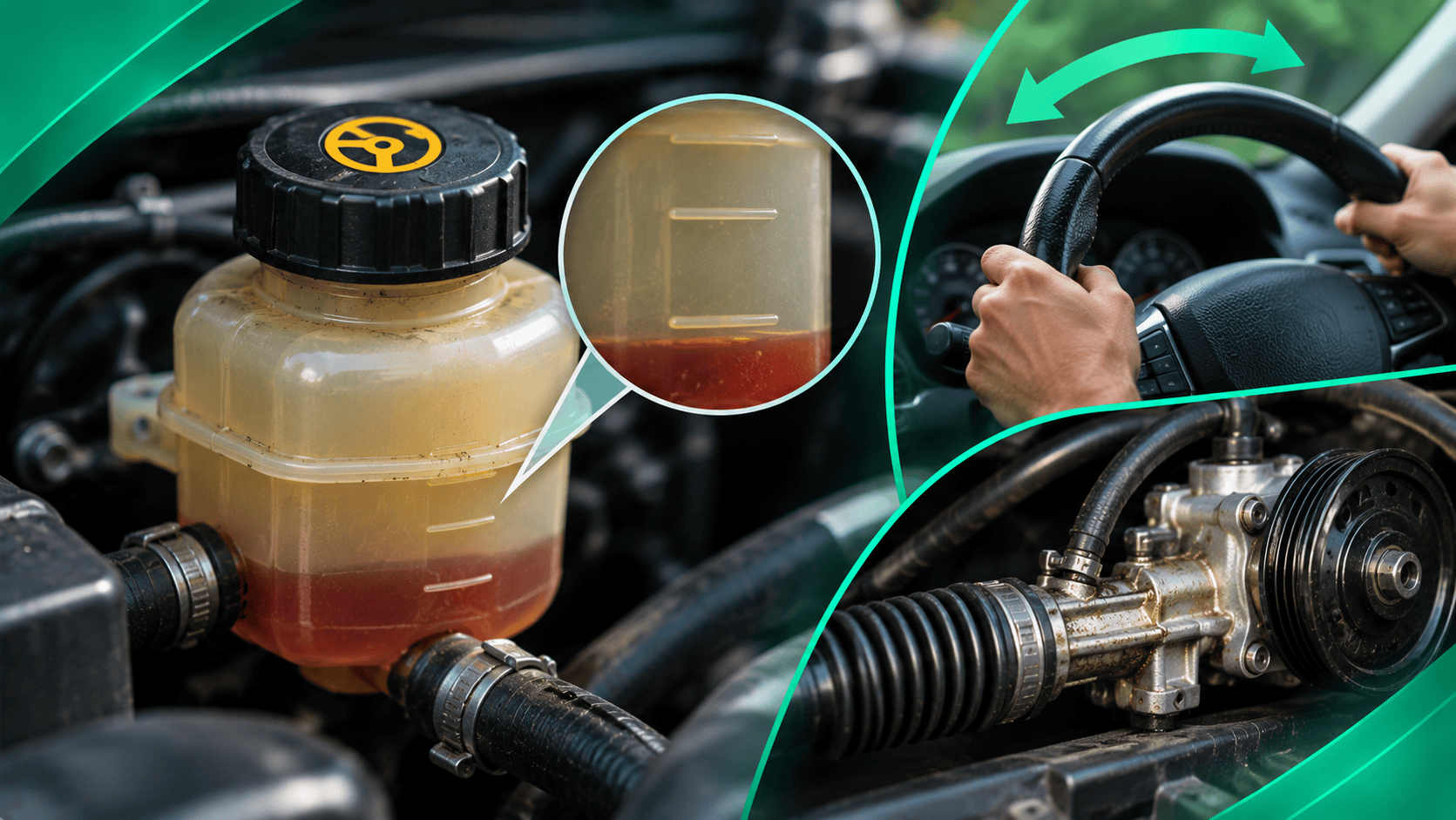
Today at MotorGuide, we're going to discuss an important vehicle system that helps drivers control their cars comfortably and safely. Although it plays an essential role in everyday driving, many vehicle owners forget to check or maintain it until something goes wrong. We're talking about the hydraulic power steering system.
More specifically, we're going to explore what happens when your vehicle's power steering fluid level becomes too low, how this affects steering performance, and why ignoring the problem could eventually lead to expensive repairs.
Imagine driving your vehicle as usual and suddenly noticing that the steering wheel feels heavier than normal. You might also hear a whining noise when turning the wheel or experience inconsistent steering assistance while parking.
These symptoms can sometimes indicate a problem with the hydraulic power steering system, including insufficient fluid.
But why is power steering fluid so important? What damage can occur when the level drops, and how can you prevent these problems? Let's take a closer look.
What Is Hydraulic Power Steering and How Does It Work?
In simple terms, hydraulic power steering is a system that uses pressurised fluid to reduce the effort required to turn a vehicle's steering wheel.
In a conventional hydraulic power steering system, a pump generates hydraulic pressure and circulates fluid through the steering mechanism.
The pump is commonly driven by the engine through a belt, although some vehicles use an electrically powered hydraulic pump.
When the driver turns the steering wheel, a control valve directs pressurised fluid to assist the movement of the steering rack or steering gear.
This assistance makes steering easier, particularly when parking, making tight turns, or travelling at low speeds.
Power steering fluid also performs other important functions within the system.
It helps lubricate moving hydraulic components, transfers energy through the steering mechanism, and carries away some of the heat produced during operation.
When the fluid level is correct and the system is functioning properly, the driver can usually turn the steering wheel smoothly with relatively little effort.
However, when the fluid level becomes too low, the system may struggle to maintain sufficient hydraulic pressure and lubrication.
This can affect both steering assistance and the durability of its internal components.
Do All Modern Vehicles Use Power Steering Fluid?
Before discussing the possible damage, it's important to understand that not every vehicle uses a hydraulic power steering system.
Many modern cars use Electric Power Steering, commonly known as EPS.
Instead of relying on hydraulic pressure, an EPS system uses an electric motor and electronic controls to assist steering.
These systems generally do not have a conventional power steering fluid reservoir.
Therefore, if your vehicle uses EPS, you should not expect to find hydraulic power steering fluid or attempt to add any.
Always check your owner's manual or the vehicle's technical specifications to identify the steering system installed in your particular model.
1. Power Steering Pump Damage
One of the most serious consequences of low hydraulic power steering fluid is potential damage to the power steering pump.
The pump is designed to operate with an adequate supply of fluid.
When the reservoir level becomes too low, the pump may begin drawing air into the hydraulic circuit, particularly during steering manoeuvres.
Air entering the system can interfere with hydraulic pressure generation and cause a condition known as aeration.
Under certain circumstances, insufficient fluid supply can also contribute to cavitation, where vapour bubbles form and collapse within the hydraulic system.
These conditions can produce unusual noises and reduce the pump's operating efficiency.
For example, you may notice a whining or groaning sound when turning the steering wheel.
The noise may become more noticeable during parking manoeuvres or when the steering system is under greater load.
If the problem continues, insufficient lubrication, aeration, and overheating may accelerate internal pump wear.
In severe cases, the pump may require replacement.
However, a whining noise does not automatically confirm pump failure. Similar sounds can occur because of incorrect fluid, a loose drive belt, air trapped after maintenance, or other mechanical faults.
A proper inspection is necessary to identify the cause.
2. Steering Rack and Pinion Damage
Another possible consequence of prolonged low power steering fluid is damage to components within the steering rack or steering gear assembly.
The hydraulic steering rack contains internal passages, pistons, seals, and other components that help convert hydraulic pressure into steering assistance.
When the system operates with insufficient fluid, normal hydraulic performance can be affected.
If a power steering pump experiences excessive internal wear, metallic particles may sometimes enter the fluid and circulate through the system.
Contaminated fluid can accelerate wear in sensitive hydraulic components, including valves and sealing surfaces.
Over time, damaged seals may allow fluid to leak internally or externally, reducing steering assistance further.
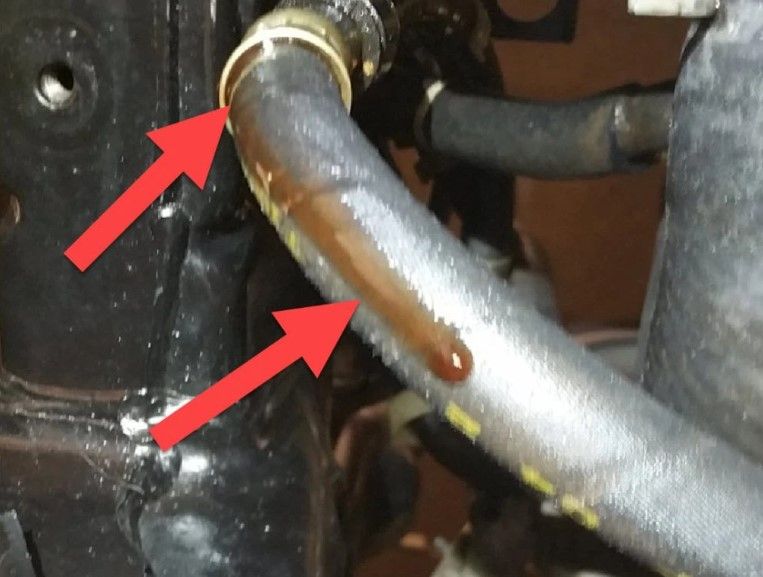
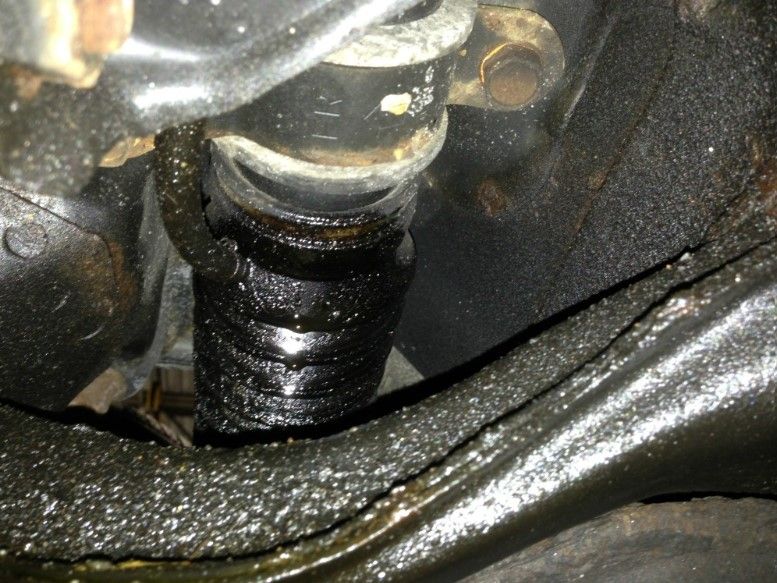
In some cases, leaks may become visible around the steering rack boots, hydraulic connections, or nearby components.
However, low fluid does not automatically mean that the rack and pinion gears are being damaged. The risk depends on the design of the steering system, the cause of the fluid loss, and how long the vehicle continues operating with the fault.
If a steering rack develops serious internal damage, repairs can be expensive because some vehicles require replacement of the complete steering gear assembly.
This is one reason why early diagnosis of power steering fluid loss is important.
3. Heavy Steering and Reduced Driving Safety
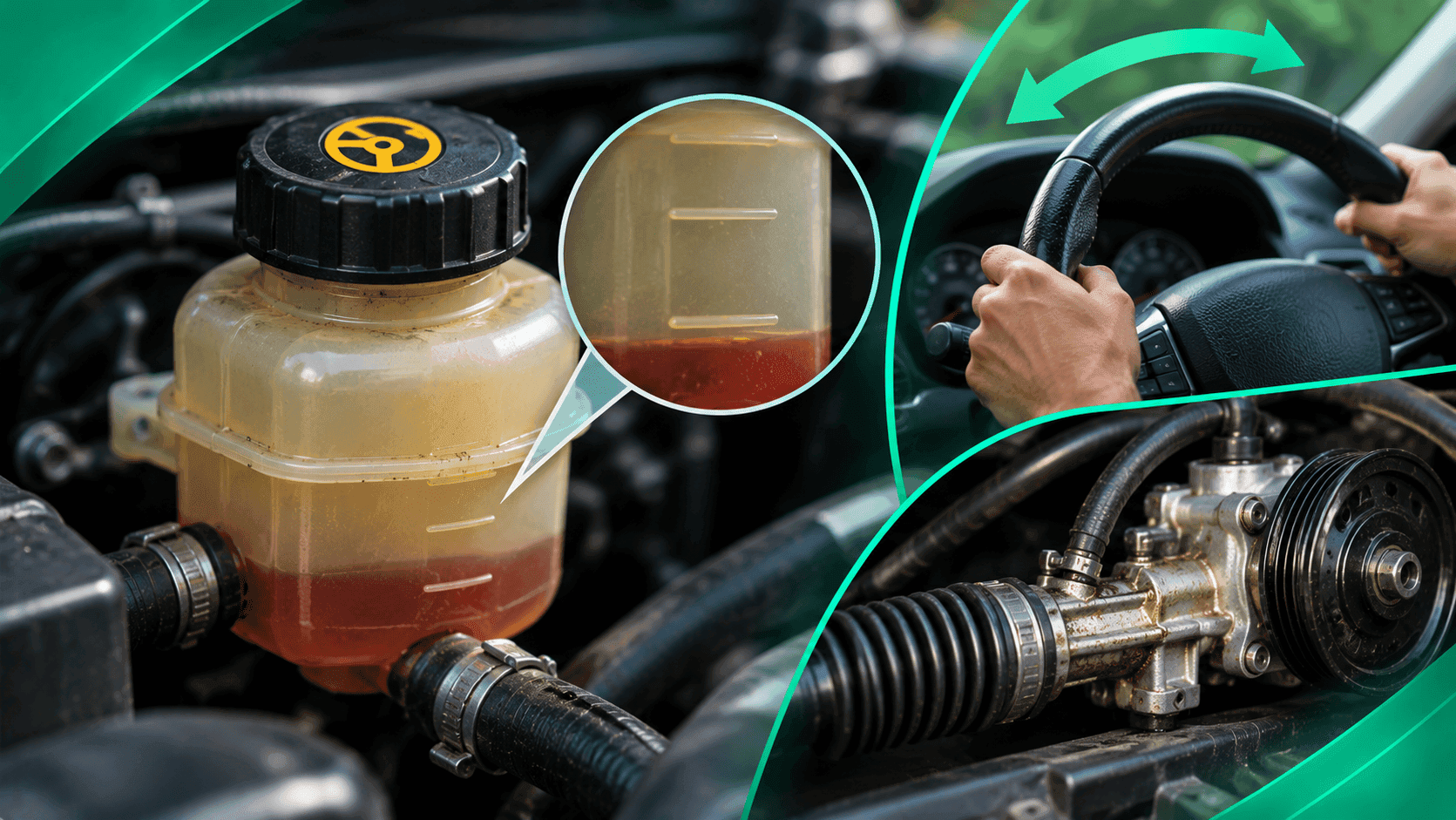
One of the most noticeable symptoms of low power steering fluid is an increase in steering effort.
Under normal conditions, the hydraulic system provides assistance when the driver turns the steering wheel.
However, when the fluid level is insufficient, the pump may struggle to maintain the hydraulic pressure required for normal assistance.
As a result, the steering wheel may feel unusually heavy.
This can become especially noticeable while parking or manoeuvring at low speeds, when greater steering effort is normally required.
For example, turning into a narrow parking space may suddenly require much more physical effort than usual.
In some cases, steering assistance may become inconsistent rather than disappearing completely.
Although the mechanical steering connection generally remains functional in a conventional hydraulic power steering system, losing assistance can make the vehicle significantly harder to control.
This may become particularly concerning during an unexpected manoeuvre or when quick steering input is required.
If you notice a sudden increase in steering effort, reduce speed carefully and stop in a safe location as soon as practical.
A vehicle with severely reduced steering assistance should be inspected before continued use.
4. Air Bubbles and Foaming Power Steering Fluid
Low fluid levels can also allow air to enter the hydraulic steering system.
When air becomes mixed with power steering fluid, the fluid may develop a foamy appearance.
This condition is known as fluid aeration.
Hydraulic systems rely on fluid to transfer pressure consistently. Air bubbles interfere with this process because air compresses much more readily than hydraulic fluid.
As a result, the system may experience reduced pressure stability or inconsistent steering assistance.
Drivers may notice that the steering wheel does not respond as smoothly as usual.
In some cases, steering assistance may feel uneven or jerky, particularly during low-speed manoeuvres.
Aerated fluid may also contribute to unusual pump noises and increased operating temperatures.
Foaming can indicate low fluid, but it may also occur because of an air leak on the pump's suction side or air trapped during previous repairs.
Therefore, simply adding fluid may not completely resolve the problem.
The underlying cause of air entering the system must be identified and corrected.
5. Overheating and Deterioration of Power Steering Fluid
Power steering fluid is exposed to heat during normal operation.
As it circulates through the pump, valves, and steering mechanism, it carries energy and helps lubricate internal hydraulic components.
When the system operates with insufficient fluid, the remaining fluid may be exposed to higher thermal stress, depending on operating conditions.
Air entering the system, pump cavitation, and mechanical problems can also contribute to increased heat.
Over time, excessive heat can accelerate the deterioration of the hydraulic fluid.
Some drivers may notice that the fluid becomes unusually dark or develops a burnt smell.
However, fluid colour alone is not a reliable way to diagnose every steering problem because power steering fluids come in different colours and formulations.
Changes in fluid condition should be assessed alongside other symptoms, such as noise, leaks, heavy steering, or evidence of overheating.
If the fluid appears contaminated or smells burnt, a qualified technician should inspect the system and determine whether fluid replacement or additional repairs are required.
6. Damage to Hydraulic Hoses and Rubber Seals
Another area that deserves attention is the condition of the power steering hoses, seals, and hydraulic connections.
A conventional hydraulic power steering system uses hoses to carry fluid between the reservoir, pump, steering mechanism, and other components.
These hoses and seals are designed to operate within specific pressure and temperature limits.
Over time, age, heat exposure, vibration, and normal material deterioration can cause rubber components to harden, crack, or begin leaking.
Excessive operating temperatures may accelerate some of these ageing processes.
However, it is not accurate to assume that low power steering fluid directly causes every hose or seal to fail.
In many cases, the relationship is actually the opposite: a worn hose, damaged seal, or loose connection causes the fluid level to drop.
For example, a small leak around a hose connection may gradually reduce the amount of fluid in the reservoir.
If the driver continues using the vehicle without identifying the leak, the fluid level may eventually become low enough to affect steering assistance or damage the pump.
Therefore, repeated fluid loss should be treated as a warning sign rather than a normal part of vehicle operation.
What Are the Warning Signs of Low Power Steering Fluid?
Low power steering fluid may produce several symptoms, depending on the vehicle and the severity of the problem.
- Heavy steering: The steering wheel requires more effort to turn, particularly during parking.
- Whining or groaning noises: Unusual sounds may occur when turning the steering wheel.
- Jerky steering assistance: The steering may feel inconsistent or uneven.
- Foamy fluid: Air entering the hydraulic system may produce visible bubbles in the reservoir.
- Fluid leaks: Oily patches may appear around steering hoses, the pump, or steering rack.
- Low reservoir level: The fluid remains below the manufacturer's recommended level.
- Unusual fluid condition: Contaminated or overheated fluid may show signs of deterioration.
These symptoms can also be caused by problems unrelated to fluid level, so proper diagnosis is important.
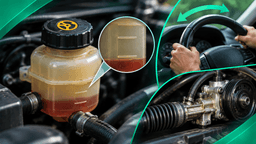
How to Check Your Power Steering Fluid Level
For vehicles equipped with hydraulic power steering, checking the reservoir level is a useful part of routine maintenance.
First, park the vehicle safely on level ground and follow the inspection procedure provided in the owner's manual.
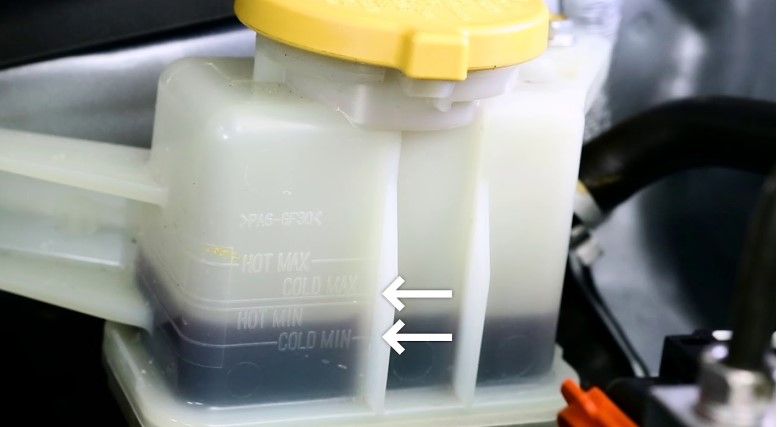
Locate the power steering fluid reservoir, which may have a marked cap or a dedicated level indicator.
Depending on the vehicle, the reservoir may display MIN and MAX markings or separate HOT and COLD level references.
Always follow the correct measurement conditions because some systems specify checking the fluid with the engine off, while others have different requirements.
If the fluid level is below the recommended range, inspect the system for visible leaks and arrange further checks if necessary.
Do not overfill the reservoir or add an unidentified fluid.
Different vehicles require different fluid specifications, and using the wrong product can damage seals or affect hydraulic performance.
Why Does Power Steering Fluid Keep Decreasing?
Unlike fuel, power steering fluid is not normally consumed during ordinary steering operation.
Although fluid levels can vary slightly with temperature, repeated or significant loss usually requires investigation.
Possible causes include leaking hoses, damaged connections, faulty seals, or problems within the pump or steering rack.
Some systems may also develop leaks around the reservoir or return line connections.
If you frequently need to top up the power steering fluid, do not assume that adding more fluid is a permanent solution.
The leak should be identified and repaired before it causes more serious damage.
How to Prevent Power Steering System Damage
At MotorGuide, our advice is to include the hydraulic power steering system in your vehicle's regular maintenance checks.
If your vehicle uses power steering fluid, inspect the reservoir periodically according to the owner's manual.
A monthly visual inspection can be a useful habit, particularly for older vehicles, provided the correct checking procedure is followed.
Check for any unusual reduction in fluid level, visible leaks, steering noises, or changes in steering effort.
Always use the exact fluid specification recommended by the vehicle manufacturer.
Some hydraulic steering systems require a specific power steering fluid, while others use an approved automatic transmission fluid. These products are not universally interchangeable.
If the fluid level drops repeatedly, have the hoses, pump, steering rack, and hydraulic connections inspected by a qualified technician.
Also, avoid holding the steering wheel firmly against its full-lock position for extended periods, as this can place additional load on some hydraulic steering systems.
Addressing minor leaks and abnormal noises early can help prevent more expensive repairs.
MotorGuide's Advice: Don't Ignore Low Power Steering Fluid
Power steering fluid plays an important role in the operation of a hydraulic steering system.
It helps transfer hydraulic pressure, lubricate internal components, and manage heat during normal operation.
If the fluid level becomes too low, the consequences may include pump noise, reduced steering assistance, aeration, overheating, and additional wear.
In more serious cases, prolonged operation with insufficient fluid can contribute to expensive pump or steering gear repairs.
However, the severity of the damage depends on the cause of the fluid loss and how quickly the problem is addressed.
If your vehicle develops heavy steering, unusual noises, or repeated power steering fluid loss, arrange a professional inspection as soon as possible.
Regular fluid checks, correct maintenance, and timely leak repairs can help keep your steering system operating safely and reliably.
Stay connected with MotorGuide for more useful information about vehicle maintenance, steering systems, automotive technologies, and practical advice for everyday drivers.

Written by
Nisaga Sandaru
A versatile and highly experienced professional, currently an Automobile undergraduate at the University of Jaffna, with strong technical expertise grounded in hands-on work as a technician with SriLankan Airlines Ground Support Equipment (GSE). Holding an Automobile NVQ Level 3 qualification, along with specialized certifications in Vehicle ECU Programming and Diagnosis, and extensive experience in arc welding and vehicle body painting, and well equipped to handle complex automotive, diagnostic, and fabrication-related tasks with a high level of competence.