how-dirty-fuel-injectors-affect-engine-performance

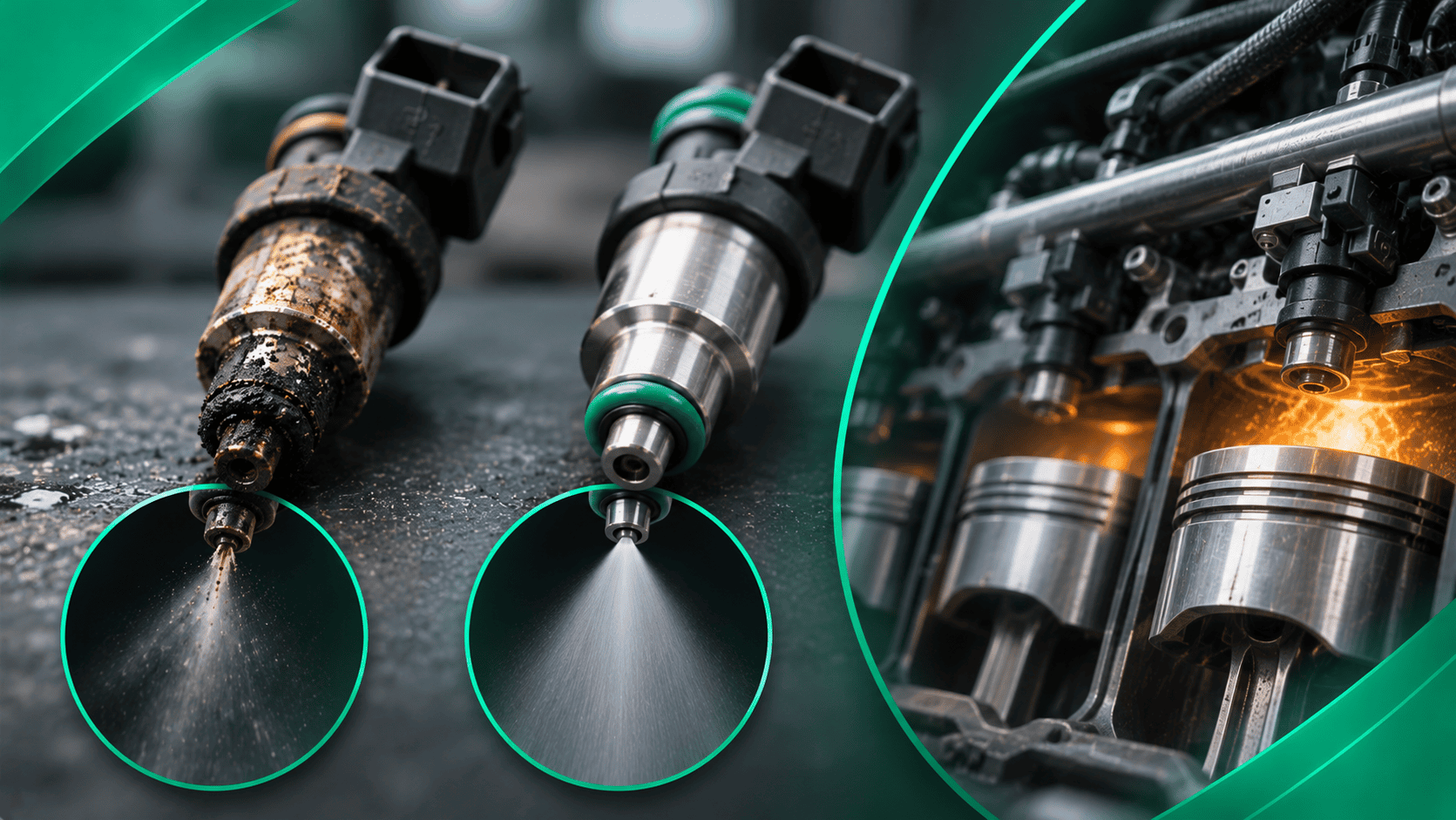
Today at MotorGuide, we're going to discuss an important component that plays a major role in how efficiently your vehicle's engine operates. We're talking about fuel injectors and what happens when they become dirty, clogged, or fail to deliver fuel correctly.
Many drivers notice that their vehicle no longer accelerates as smoothly as it used to, consumes more fuel than usual, or begins vibrating while idling. Although these symptoms can have several causes, dirty or malfunctioning fuel injectors are among the possible reasons.
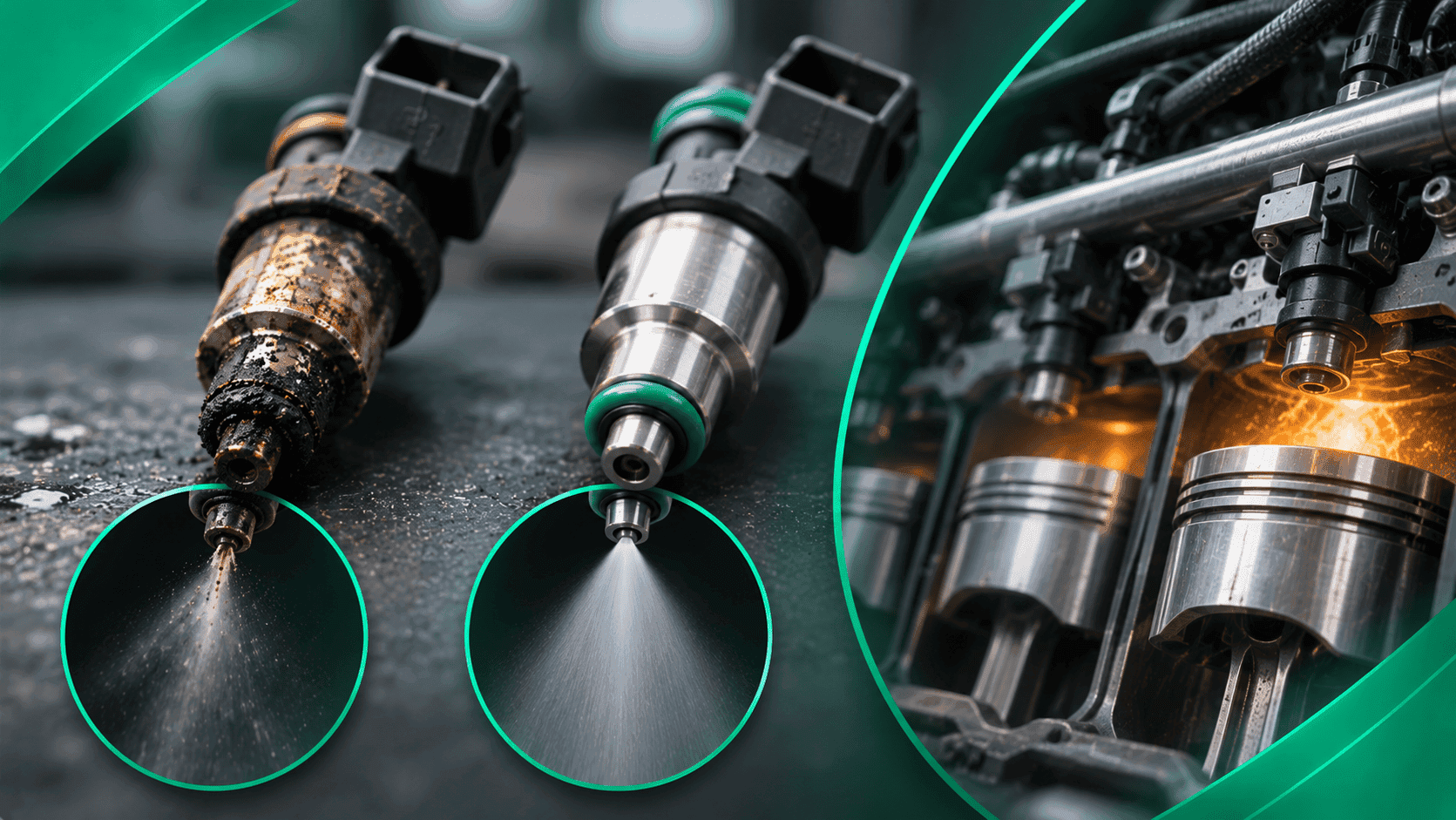
Over time, deposits and contaminants can affect an injector's ability to deliver the correct amount of fuel with the required spray pattern.
When this happens, the engine may struggle to maintain consistent combustion, affecting performance, fuel efficiency, and overall driving comfort.
So, how exactly do fuel injectors work? What happens when they become dirty, and how can you identify and prevent injector-related problems? Let's take a closer look.
What Is a Fuel Injector and How Does It Work?
In simple terms, a fuel injector is a precisely controlled component responsible for delivering fuel into an engine at the appropriate time and in the required quantity.
Modern petrol and diesel engines use fuel injection systems to manage fuel delivery more accurately than older carburettor-based systems.
Depending on the engine design, the injector may spray fuel into the intake port or directly into the combustion chamber.
In a port fuel injection system, fuel is generally sprayed into the intake port, where it mixes with incoming air before entering the cylinder.
In a gasoline direct injection or diesel common-rail system, fuel is delivered directly into the combustion chamber under controlled conditions.
The injector's job is to supply the correct amount of fuel with the appropriate spray pattern and timing.
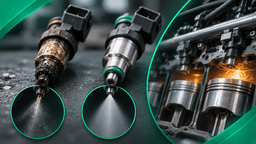
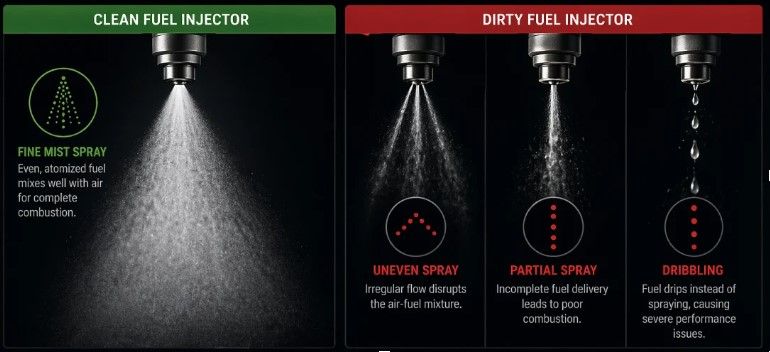
In many applications, the injector breaks the fuel into fine droplets, helping it mix with the available air and support efficient combustion.
Good fuel atomisation and accurate delivery are important for smooth engine operation, predictable acceleration, and fuel efficiency.
However, an effective combustion process also depends on other components, including the ignition system in petrol engines, air intake, sensors, compression, and engine management software.
Why Do Fuel Injectors Become Dirty?
Fuel injectors operate in demanding conditions, and their performance can be affected by several factors over time.
One possible cause is contamination in the fuel supply.
Small particles, fuel-related deposits, or other impurities may accumulate around an injector's filter or nozzle openings.
Heat exposure and fuel residue can also contribute to deposit formation, particularly around injector tips in certain engine designs.
Over time, these deposits may interfere with the injector's spray pattern or reduce the amount of fuel it can deliver.
In other cases, the injector may develop an internal mechanical or electrical fault rather than a simple blockage.
It is also important to understand that carbon deposits on the intake valves of some gasoline direct injection engines are a separate problem from deposits inside the fuel injectors.
For this reason, symptoms should be diagnosed properly before assuming that injector cleaning is the correct solution.
1. Reduced Engine Power and Poor Acceleration
One of the most noticeable symptoms of dirty fuel injectors is reduced engine performance.
For example, you may press the accelerator and notice that your vehicle does not respond as quickly or smoothly as it used to.
The engine may hesitate briefly before accelerating, or you might experience an unusual jerking sensation while driving.
These symptoms can become particularly noticeable when climbing a hill, carrying passengers, or attempting to overtake another vehicle.
If an injector is partially blocked, the affected cylinder may not receive the intended amount of fuel.
This can disturb the air-fuel mixture and reduce the engine's ability to produce the expected torque.
In some cases, the engine may feel weak during acceleration or struggle to maintain smooth power delivery.
However, poor acceleration can also result from ignition faults, fuel pump problems, restricted air intake, faulty sensors, or transmission issues.
Therefore, reduced performance alone does not confirm that the fuel injectors are dirty.
2. Engine Misfiring and Rough Idling
Another possible consequence of incorrect fuel delivery is engine misfiring.
A misfire occurs when combustion in a cylinder fails to take place correctly or does not produce the expected amount of power.
If an injector delivers too little fuel, sprays fuel unevenly, or fails to operate as intended, combustion in the affected cylinder may become inconsistent.
As a result, the engine may run roughly or produce noticeable vibrations.
For example, when your vehicle is stopped at a traffic light with the engine idling, you may feel the body or steering wheel vibrating more than usual.
In some vehicles, the tachometer may also show fluctuations in engine RPM.
Misfires may be more noticeable during cold starts, acceleration, or when the engine is operating under load.
However, similar symptoms can be caused by worn spark plugs, faulty ignition coils, vacuum leaks, poor compression, or other mechanical problems.
Because persistent misfiring can damage additional engine components, it should be investigated promptly.
3. Increased Fuel Consumption
Dirty or malfunctioning fuel injectors can also contribute to poor fuel economy.
Some drivers assume that if an injector becomes partially blocked and delivers less fuel, the vehicle should automatically consume less petrol or diesel.
However, reduced fuel delivery does not necessarily mean improved efficiency.
When an injector's spray pattern becomes irregular, fuel may not mix with air as effectively as intended.
This can reduce combustion efficiency and cause the engine to produce less useful power from the fuel supplied.
In certain situations, the engine management system may adjust fuel delivery in response to oxygen sensor feedback and other operating conditions.
For example, if the system detects a lean mixture within its control range, it may increase fuel delivery to compensate.
However, the ECU does not simply recognise every blocked injector and automatically command additional fuel in all circumstances.
The response depends on the engine design, sensor feedback, severity of the fault, and whether the system is operating in closed-loop or open-loop control.
Drivers may also compensate for reduced engine performance by pressing the accelerator harder, potentially increasing fuel consumption.
A leaking injector can create a different problem by delivering too much fuel, which may also reduce fuel economy.
For these reasons, both restricted and leaking injectors can affect efficiency, but the actual result depends on the nature of the fault.
4. Difficulty Starting the Engine
Another possible symptom of injector trouble is difficulty starting the engine.
You might notice that the starter motor needs to crank the engine for longer than usual before it begins running.
This problem may become more noticeable during a cold start, particularly if the engine is already experiencing inconsistent fuel delivery.
If an injector is severely restricted or fails to operate correctly, the engine may not receive the fuel required for reliable starting.
On the other hand, an injector that does not seal properly may allow fuel to leak after the engine has been switched off.
In certain engine designs, this can contribute to an excessively rich mixture, difficult restarting, or other fuel-related problems.
However, hard starting can also result from a weak battery, fuel pressure problems, faulty sensors, ignition issues, or other mechanical faults.
Therefore, the starting system and fuel delivery system should be tested before replacing the injectors.
5. Check Engine Light and Exhaust Smoke
Dirty or faulty fuel injectors may also contribute to the appearance of a Check Engine Light.
Modern engine control systems monitor combustion performance and various operating parameters using information from sensors.
When an injector problem causes a misfire or abnormal fuel mixture, the vehicle may store a diagnostic trouble code.
For example, some vehicles may record misfire-related codes or fuel mixture correction faults.
However, a Check Engine Light does not automatically indicate an injector problem.
A diagnostic scan and further testing are usually required to identify the actual cause.
In some cases, excessive fuel delivery or poor combustion can also produce abnormal exhaust smoke.
Black smoke is more commonly associated with an overly rich mixture or incomplete combustion, although the visible symptoms differ between petrol and diesel engines.
Persistent smoke should never be ignored because it can indicate problems with fuel delivery, air supply, or other engine systems.
6. Can Dirty Fuel Injectors Damage Other Engine Components?
If injector-related problems continue for an extended period, they may affect more than engine performance.
For example, persistent misfiring in a petrol engine can allow unburned fuel to reach the exhaust system.
This may increase temperatures inside the catalytic converter and potentially damage it.
A severely leaking injector may also cause excessive fuel to enter a cylinder, creating additional risks for engine operation.
In certain cases, excess fuel can dilute engine oil or contribute to abnormal combustion conditions.
The severity of the damage depends on the engine design and the nature of the fault.
These problems are not inevitable whenever an injector becomes dirty, but they are reasons to take persistent symptoms seriously.
How Can You Tell If a Fuel Injector Is Dirty?
Although symptoms such as hesitation, rough idling, poor fuel economy, and difficult starting can point towards a fuel delivery problem, they are not enough to identify a dirty injector with certainty.
A qualified technician may begin by scanning the vehicle's engine control system for diagnostic trouble codes.
Depending on the vehicle, further inspections may include checking fuel pressure, examining fuel trims, performing injector balance tests, or testing injector electrical operation.
In some cases, specialised equipment can be used to inspect injector flow and spray characteristics.
These tests help distinguish injector deposits from other problems such as fuel pump faults, ignition issues, or engine sensor failures.
Accurate diagnosis is particularly important for modern direct injection and diesel common-rail systems, which operate at very high fuel pressures.
How Are Dirty Fuel Injectors Cleaned?
The correct cleaning method depends on the type of injection system and the severity of the deposits.
Some mild deposits in compatible petrol fuel systems may respond to a manufacturer-approved fuel system cleaning additive.
However, additives cannot repair electrical faults, damaged injector components, or severe mechanical problems.
For more significant deposits, a workshop may recommend a specialised cleaning or injector testing procedure.
Depending on the injector design, professional cleaning may involve controlled cleaning equipment and testing to confirm whether fuel flow has improved.
Some injectors may be unsuitable for certain cleaning methods, while others may require replacement if their internal components are damaged.
For high-pressure diesel and gasoline direct injection systems, specialised procedures and equipment are often necessary.
Never attempt to open or disconnect high-pressure fuel components while the system is pressurised.
How to Prevent Fuel Injector Problems
At MotorGuide, our advice is to take a few practical precautions to protect your vehicle's fuel injection system.
First, purchase petrol or diesel from reputable filling stations that follow appropriate fuel storage and handling practices.
Good fuel quality can help reduce the risk of contamination reaching the injection system.
Second, replace the fuel filter according to the vehicle manufacturer's maintenance schedule, where the filter is serviceable.
A properly functioning filter helps prevent certain contaminants from travelling through the fuel delivery system.
However, not all modern vehicles have an externally replaceable fuel filter, so always follow the requirements for your exact model.
Third, use fuel additives only when they are suitable for your engine and recommended or permitted by the manufacturer.
Although some fuel injector cleaner additives may help manage particular deposits, there is no universal requirement to add one every 10,000 or 15,000 kilometres.
Excessive or inappropriate additive use may be unnecessary and, in some cases, unsuitable for the fuel system.
Finally, pay attention to early warning signs such as hesitation, persistent rough idling, unusual fuel consumption, and starting problems.
Addressing these symptoms early can help prevent more serious engine performance problems.
MotorGuide's Advice: Don't Ignore Changes in Engine Performance
Fuel injectors are small components, but their role in engine operation is extremely important.
Accurate fuel delivery allows the engine management system to maintain appropriate combustion conditions across different driving situations.
When injectors become dirty, restricted, or faulty, the effects may include poor acceleration, engine misfires, rough idling, increased fuel consumption, and difficult starting.
However, these symptoms can also be caused by other engine problems, so proper diagnosis should always come before cleaning or replacing injectors.
Using suitable fuel, following the manufacturer's service schedule, and avoiding unnecessary or incompatible additives can help maintain the fuel system.
If your vehicle begins showing persistent injector-related symptoms, have it inspected by a qualified mechanic with appropriate diagnostic equipment.
Taking action early may help restore engine performance and avoid more expensive repairs.
Stay connected with MotorGuide for more useful information about vehicle maintenance, engine technologies, fuel efficiency, and the latest developments in the automotive world.

Written by
Nisaga Sandaru
A versatile and highly experienced professional, currently an Automobile undergraduate at the University of Jaffna, with strong technical expertise grounded in hands-on work as a technician with SriLankan Airlines Ground Support Equipment (GSE). Holding an Automobile NVQ Level 3 qualification, along with specialized certifications in Vehicle ECU Programming and Diagnosis, and extensive experience in arc welding and vehicle body painting, and well equipped to handle complex automotive, diagnostic, and fabrication-related tasks with a high level of competence.