Do You Need to Warm Up Your Engine During a Cold Start?


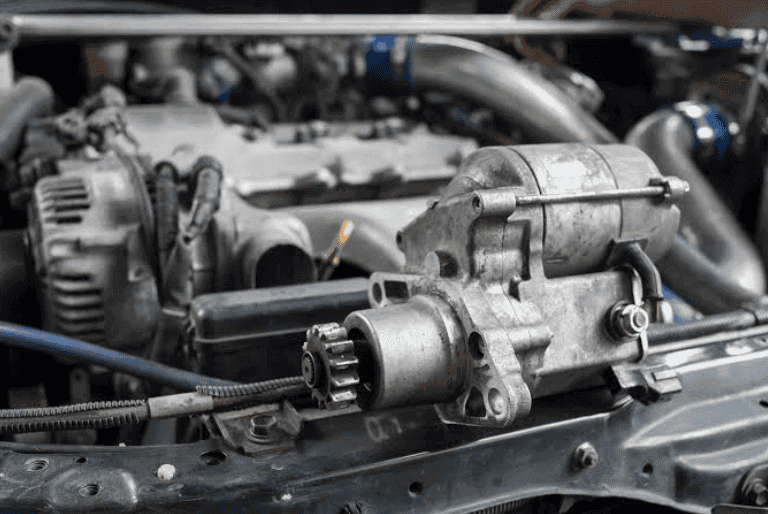
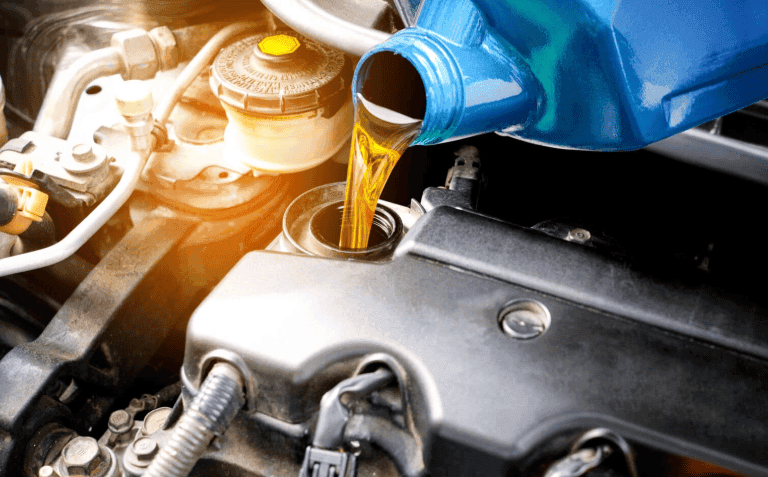
As a vehicle owner, the curiosity about whether you need to warm up the engine during a "Cold Start" is completely justified. While this was a mandatory practice for older vehicles, modern technology has changed things significantly. First, let Motor Guide explain why we need to "warm up" an engine. The metal parts inside the engine work by constantly rubbing against each other. There must be a layer of lubricating oil (Engine Oil) between these parts to prevent damage. When a vehicle is parked for a few hours, all this oil drains down and settles in the oil pan. So, when you start the engine again, it takes a little time for the oil to be pumped up to the upper components.
For older vehicles equipped with a carburetor, the engine wouldn't operate smoothly until it warmed up because the air-fuel mixture depended heavily on the engine's temperature. Therefore, idling the engine for 5 to 10 minutes was necessary back then. However, modern vehicles feature EFI (Electronic Fuel Injection) technology. In these systems, engine sensors measure both the outside temperature and the engine's internal temperature to precisely control the fuel delivery. Because of this, a modern vehicle is ready to be driven almost immediately after starting.
How Long Should You Actually Warm It Up?
Truth be told, you don't need to sit for minutes waiting for a modern engine to warm up. Start your vehicle and wait for about 30 seconds to a maximum of one minute. That brief period is enough for the oil pump to circulate engine oil to every corner of the engine. You will notice that right after starting, the RPM (Revolutions Per Minute) idles a bit high. After a few seconds, it will drop slightly. That exact moment is the best time to start driving.
Leaving the engine to idle for 10-15 minutes unnecessarily does nothing but waste your fuel. It also increases the amount of harmful emissions released into the environment. The most effective way to warm up the components of a modern engine is simply by driving the vehicle. However, there is a very important rule here: do not rev the engine hard or accelerate to high speeds as soon as you hit the road. You must drive gently and at a low speed until the temperature gauge reaches its normal operating level. This allows the engine as well as the transmission system to gradually warm up and reach their optimal operating conditions.
What is the Technical Impact?
What happens if we aggressively rev the engine right after starting it? The engine oil is still cold and thick. Until the oil heats up, its viscosity remains high, making it difficult for the fluid to pass through the engine's tiny, intricate lubrication passages. If you rev the engine during this vulnerable window, the lack of immediate lubrication causes severe metal-to-metal friction, ultimately reducing the engine's lifespan. Additionally, if you have a turbocharged vehicle, it strictly takes a few seconds for the oil to reach the turbo bearings. Therefore, you must be even more mindful of "Cold Starts" in turbo vehicles.
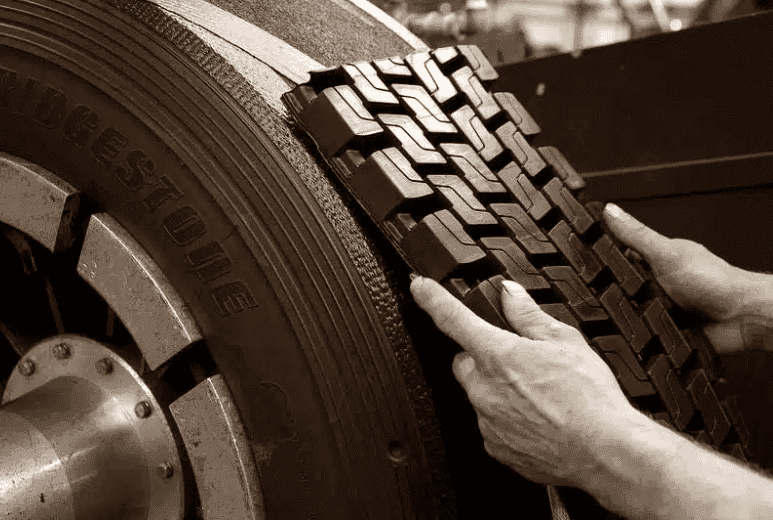
Looking at it from another perspective, letting the vehicle sit and idle only warms up the engine. The gearbox, differential, and tires remain stone cold. By starting to drive slowly 30 seconds after ignition, all of these mechanical components begin to warm up simultaneously and evenly. This is the absolute best method for maintaining your vehicle's overall mechanical health.
Cold Weather and the Engine
Generally, Sri Lanka experiences a hot climate. But if you live in a colder area like Nuwara Eliya, there is nothing wrong with taking an extra minute to warm up the engine. Extreme cold makes the engine oil even thicker. Moreover, the battery has to work much harder during a cold start in low temperatures. When starting the vehicle, keep heavy electrical loads like the AC and headlights turned off. Turning them on a few seconds after the engine has started helps preserve the battery's lifespan.
Some drivers have a bad habit of revving the engine the second it starts—this is a practice you should avoid entirely. Doing so causes immediate damage to the piston rings and cylinder walls. Remember, the metals inside the engine expand as they heat up, and they are engineered to expand to very precise tolerances. Forcing them to heat up too suddenly can subject those metals to unbearable stress.
Motor Guide Advice
In conclusion, the time it naturally takes to start your vehicle, fasten your seatbelt, adjust your mirrors, and turn on the music system (about 30 to 45 seconds) is perfectly adequate for the engine to warm up. After that, begin your journey slowly. Once the engine's temperature gauge reaches the normal midpoint, you can drive as you usually would. By following these simple steps, you will ensure your vehicle's engine runs flawlessly for many years to come.

Written by
Nisaga Sandaru
A versatile and highly experienced professional, currently an Automobile undergraduate at the University of Jaffna, with strong technical expertise grounded in hands-on work as a technician with SriLankan Airlines Ground Support Equipment (GSE). Holding an Automobile NVQ Level 3 qualification, along with specialized certifications in Vehicle ECU Programming and Diagnosis, and extensive experience in arc welding and vehicle body painting, and well equipped to handle complex automotive, diagnostic, and fabrication-related tasks with a high level of competence.