Vehicle Warning Sounds Every Daily Driver Should Know

Writing as experienced professionals in the automotive field, we want to share these crucial details that everyone behind the wheel should know. A vehicle isn't just a pile of metal; it operates much like the human body. Before a major mechanical failure occurs, your vehicle will often "speak" to you by emitting various warning sounds. If we ignore these signals, we risk getting stranded on the side of the road and facing massive repair bills. Therefore, paying close attention to unusual noises is incredibly valuable for both your safety and your wallet.
Starting and Belt Noises
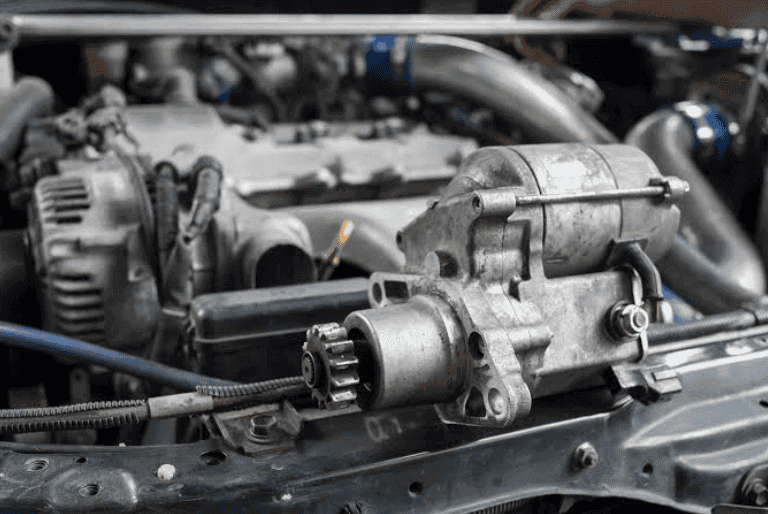
First, let's talk about the sounds you hear when starting the vehicle. If you hear a rapid clicking or cranking sound when you turn the key or press the start button, it usually indicates a weak battery or a fault in the Starter Motor.
If you hear a high-pitched squealing ("chiri-chiri") sound, especially when starting the car in the morning, it is highly likely an issue with the engine belt (Fan Belt / Serpentine Belt). This sound occurs when the belt is loose or worn out.
If you ignore this, the belt could snap, causing the engine to overheat and leading to catastrophic damage.
Brake System Warnings
Next is something extremely important: sounds coming from your braking system. If you hear a high-pitched squealing sound when you apply the brakes, it means your brake pads are nearing the end of their lifespan. Modern brake pads have a small, specialized metal tab built into them specifically to scrape against the brake disc and create this warning sound when the pad gets too thin. When you hear this, you should know it's time to replace the pads.
However, if you ignore that squeal, it will eventually turn into a harsh, metallic grinding sound. This means the friction material is completely gone, and bare metal is grinding directly against the brake disc. If it reaches this stage, you will likely have to replace the expensive brake discs (rotors) as well.
Wheel and Drivetrain Sounds
You should also be aware of a humming or droning noise coming from the wheels while driving. If this sound gets louder as your speed increases, it is almost certainly a faulty Wheel Bearing. This noise occurs when the grease inside the bearing dries up or the internal steel balls wear out.
This is highly dangerous because if you drive too far in this condition, the wheel can actually seize up entirely.
Similarly, if you hear a clicking or popping ("tok-tok") sound when taking a sharp turn, it indicates a problem with a CV Joint. It is mandatory to check the CV joint on the side corresponding to the direction you are turning.
Engine Ticks and Knocks
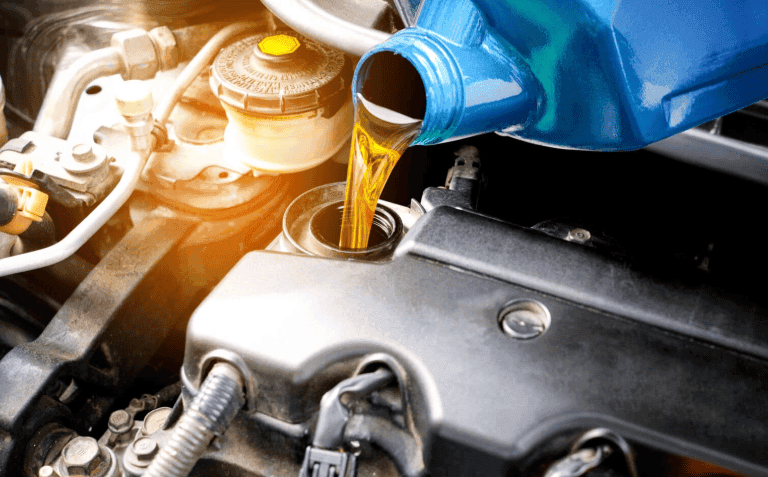
Pay close attention to tapping or ticking sounds coming from inside the engine. This sound most often occurs when the engine oil level is low or there is an issue with oil pressure. When the valves inside the engine do not receive proper lubrication, they generate this ticking noise.
On the other hand, if you hear a heavy, deep knocking ("dok-dok") sound from the engine, it is an extremely serious situation. This indicates severe wear on the major internal components of the engine (like rod bearings). In this scenario, it is imperative to stop the vehicle immediately and have it inspected by a qualified mechanic.
Suspension Clunks and Rattles
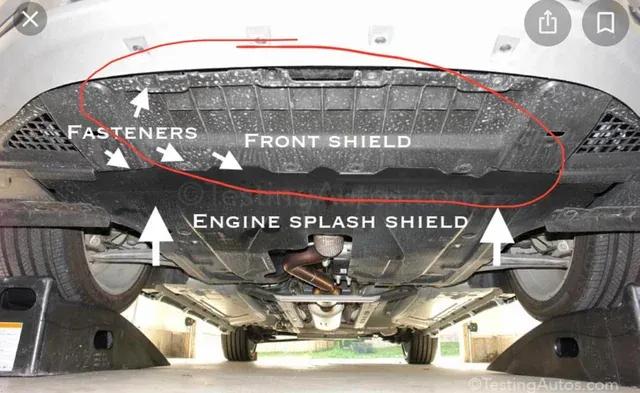
Another important category is the clunking or rattling ("daba-daba" or "kada-kada") sounds coming from the undercarriage. These are mostly heard when hitting a pothole or driving on an uneven road. These sounds are caused by faults developing in the vehicle's suspension system.
When components like shock absorbers, bushes, or rack ends wear out, they produce these noises. Not only can this lead to poor handling and loss of vehicle control, but it can also cause your tires to wear unevenly. Therefore, any noise from the undercarriage should be inspected immediately.
Cooling System Hisses and Engine Misfires
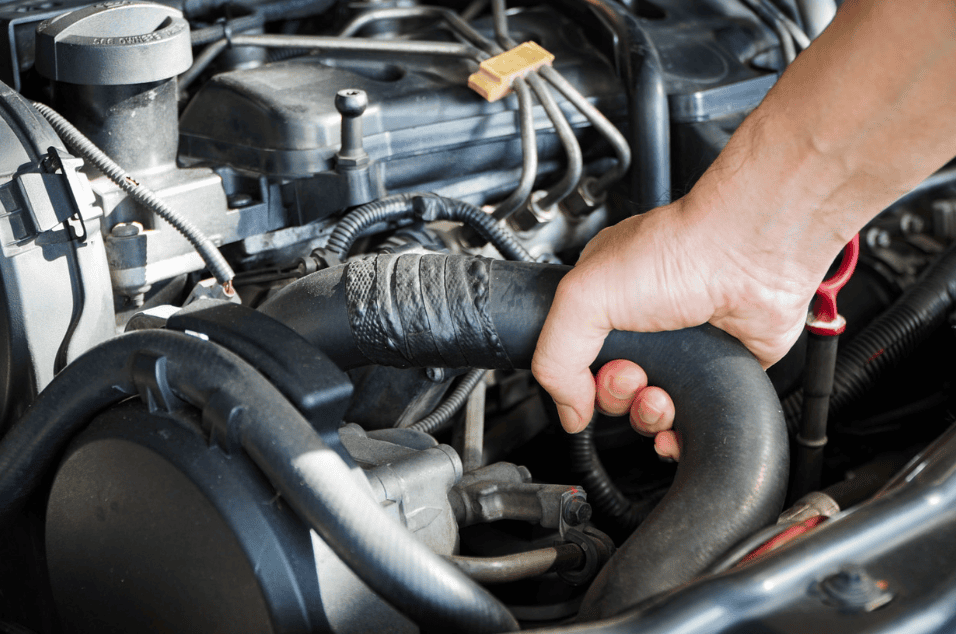
If you hear a hissing sound (like escaping air or steam) while the vehicle is parked with the engine running, it signifies that a hole has developed in the radiator or a coolant hose. This sound is the pressurized boiling water or steam escaping. This is a precursor to a major disaster. You must address this before the engine overheats and blows the head gasket.
Additionally, if you hear a sputtering or popping sound ("dos-dos") from the exhaust accompanied by a jerking sensation, it could be an engine misfire. This is often caused by faulty spark plugs or a failing ignition coil.
The Final Word
Ultimately, remember that any abnormal sound from a vehicle is its way of giving you a message: "Inspect me." By recognizing these sounds early, you can prevent unexpected accidents and save yourself from massive expenses by fixing a minor repair before it turns into a major disaster. Therefore, keep the radio volume reasonable and always stay alert to the sounds coming from inside and outside your vehicle. That is the hallmark of a smart, capable driver.

Written by
Nisaga Sandaru
A versatile and highly experienced professional, currently an Automobile undergraduate at the University of Jaffna, with strong technical expertise grounded in hands-on work as a technician with SriLankan Airlines Ground Support Equipment (GSE). Holding an Automobile NVQ Level 3 qualification, along with specialized certifications in Vehicle ECU Programming and Diagnosis, and extensive experience in arc welding and vehicle body painting, and well equipped to handle complex automotive, diagnostic, and fabrication-related tasks with a high level of competence.