How to Protect Your Battery and Tires When Parking Your Vehicle for a Long Time

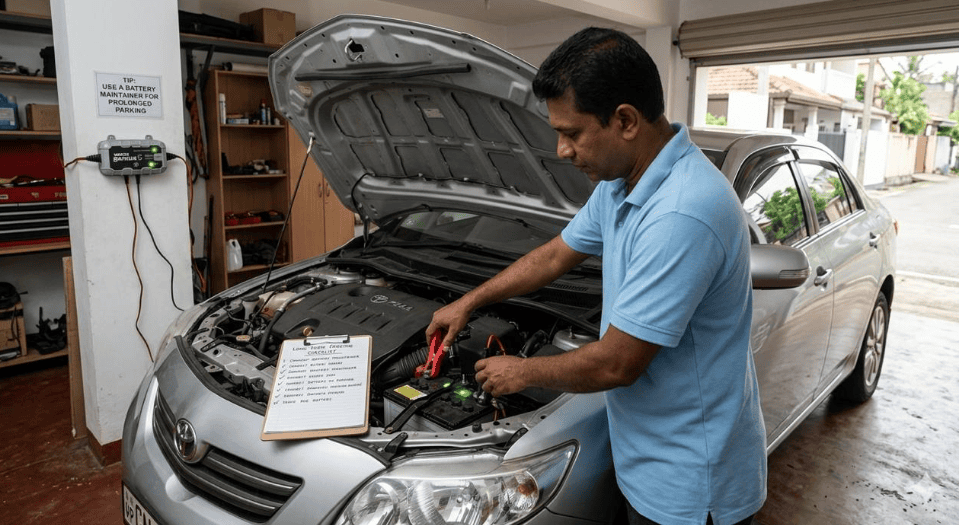
If you are parking your vehicle in one place without using it for several weeks or months, don't just lock it in a garage and forget about it. Leaving a vehicle parked continuously like this causes it to degrade and develop faults much faster than if it were driven regularly on the road. Specifically, the battery and the four tires are the components most vulnerable to damage during such times. Therefore, Motor Guide is here to clearly explain the technical advice you need to protect these parts.
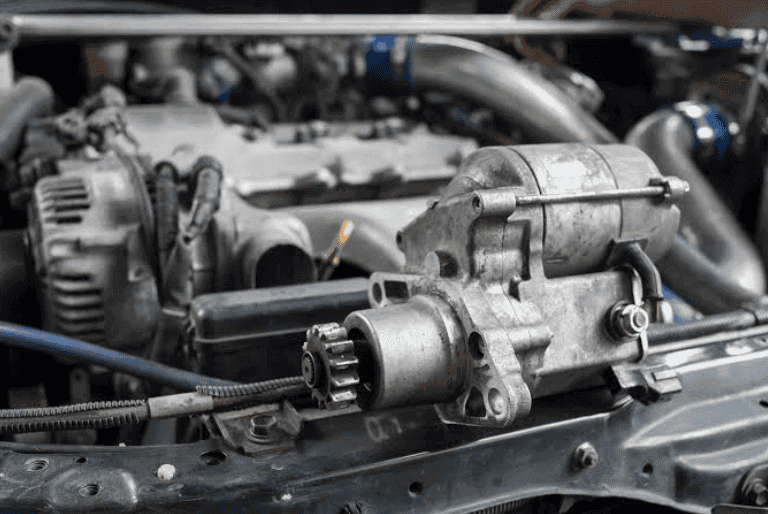
How to Protect the Battery
First, looking at the battery, even if the vehicle is not being used, the electricity in the battery slowly drains away. We call this "Self-discharge." Furthermore, components in modern vehicles like security systems, clocks, and the ECU constantly consume a very small electrical current.
What you need to do:
- Battery Disconnection: If you are not using the vehicle for more than a month, the best thing to do is disconnect the Negative Terminal of the battery. This prevents unnecessary power drain. However, keep in mind that disconnecting the battery on newer hybrids or high-end luxury vehicles can sometimes reset memory settings, so be mindful of that.
- Using a Trickle Charger: The best way to maintain the battery without disconnecting it is to use a "Trickle Charger." This continuously charges the battery at a very low voltage. It prevents the battery from a "Deep Discharge," which can destroy its cells.
- Keeping Battery Terminals Clean: During the parked period, a white powder-like substance (Corrosion) can build up around the terminals. To prevent this, clean the terminals and apply a little Petroleum Jelly (Vaseline) over them. This is much more effective than applying grease.
How to Protect the Tires
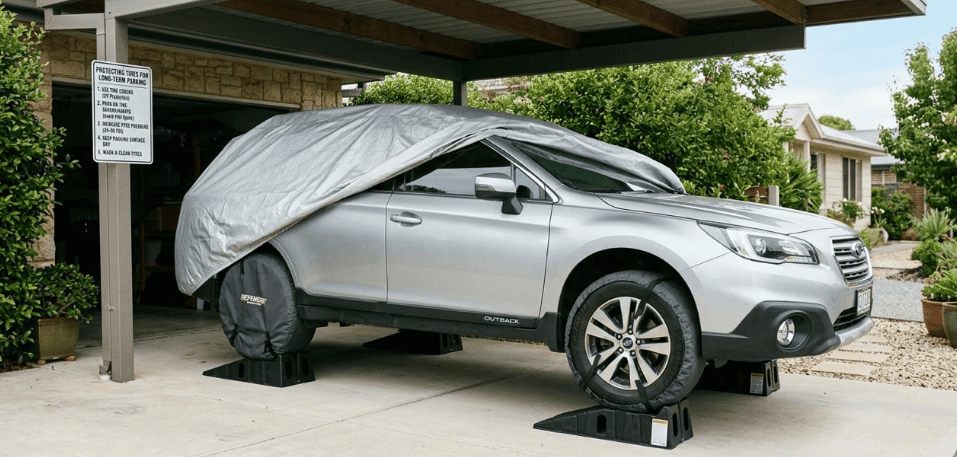
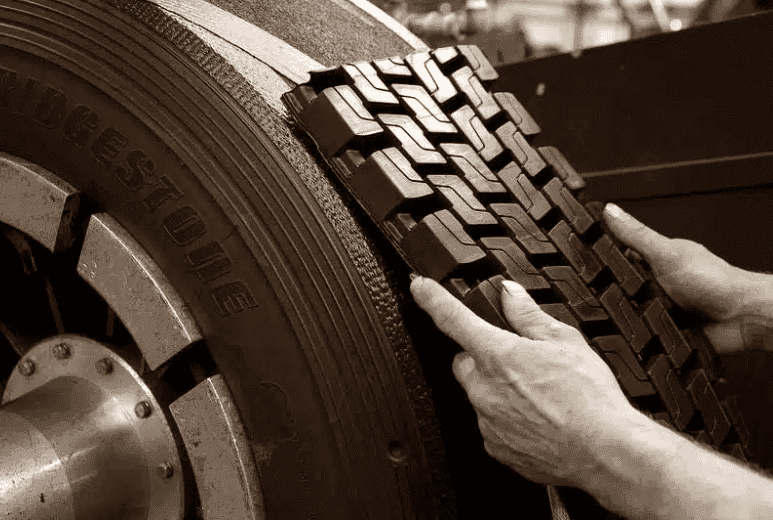
The next most important thing is the tires. If a vehicle is parked in the exact same position for months, the weight of the vehicle can cause the section of the tire touching the ground to flatten. We call this "Flat Spotting." This is the main reason why a vehicle might feel bumpy, like riding a motorcycle, when you eventually drive it.
- Over-inflation: Before parking the vehicle, inflate the tires slightly more than the usual recommended pressure (for example, around 35-40 PSI). This reduces the likelihood of the tire flattening. However, you must absolutely reduce the pressure back to the recommended level before taking the vehicle back on the road.
- Moving the Vehicle Slightly: If possible, move the vehicle forward or backward by a few feet at least once a week. This ensures the vehicle's weight does not rest on the exact same spot of the tire. It is a very simple yet highly successful method.
- Using Jack Stands: If you are not going to use the vehicle for a long period, like a year, the best solution is to lift the vehicle off the ground using "Jack Stands." This way, the tires bear no weight at all.
- Ground Surface: If you are parking on a concrete or asphalt floor, placing pieces of carpet or wooden planks under the tires can prevent them from absorbing the cold or moisture from the ground.
Other Essential Points
When parking a vehicle for a long time, there are a few other factors to consider besides the battery and tires. It is worth paying attention to these as well:
- Handbrake: Never leave the handbrake engaged when parking for a long period. If you do, the Brake Pads or Shoes can stick to the drum or disc and "Seize." Instead, secure the vehicle by placing wheel chocks against the tires.
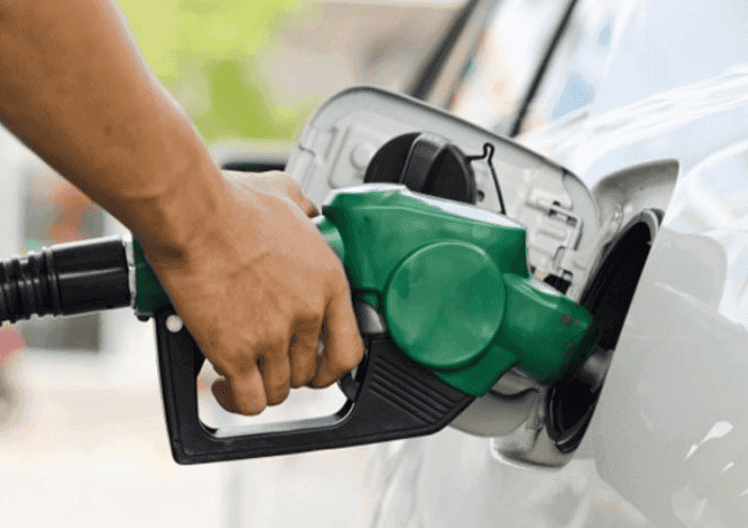
- Fuel Tank: Keep the fuel tank completely full. This reduces the amount of air inside the tank, thereby minimizing moisture buildup and the risk of rusting. Also, if you can use a Fuel Stabilizer, it will keep the fuel from degrading.
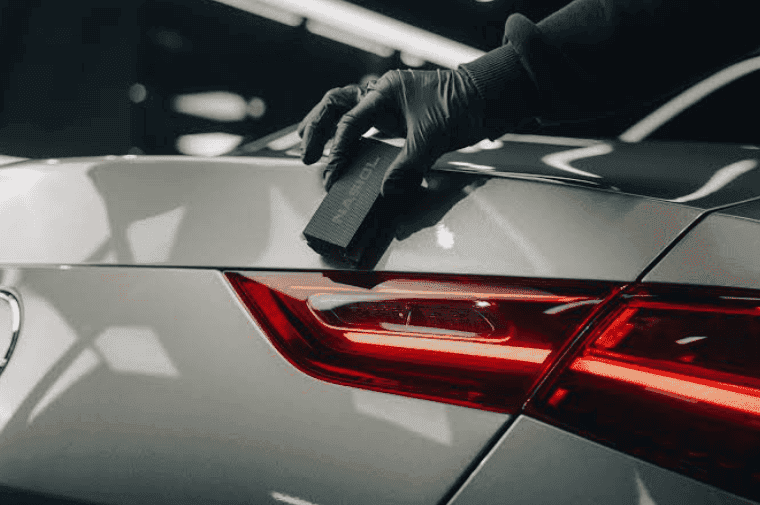
- Cleanliness: Wash and wax the vehicle thoroughly before parking. This protects the vehicle's paint. Also, do not leave any food items inside, as they can attract mice or cockroaches that might damage the wiring systems.
A vehicle is a machine. For a machine to remain in good condition, it needs to operate. Therefore, whenever possible, start the vehicle at least once a week and let it idle for 10-15 minutes without revving the engine. This allows the engine oil to circulate everywhere and protects the internal components.
If you follow these instructions accurately, you will be able to start using your vehicle again after several months without any hassle. You won't have to waste time dealing with a dead battery or ruined tires.

Written by
Nisaga Sandaru
A versatile and highly experienced professional, currently an Automobile undergraduate at the University of Jaffna, with strong technical expertise grounded in hands-on work as a technician with SriLankan Airlines Ground Support Equipment (GSE). Holding an Automobile NVQ Level 3 qualification, along with specialized certifications in Vehicle ECU Programming and Diagnosis, and extensive experience in arc welding and vehicle body painting, and well equipped to handle complex automotive, diagnostic, and fabrication-related tasks with a high level of competence.