Symptoms of Engine Knock and Hesitation Due to Poor Fuel Quality

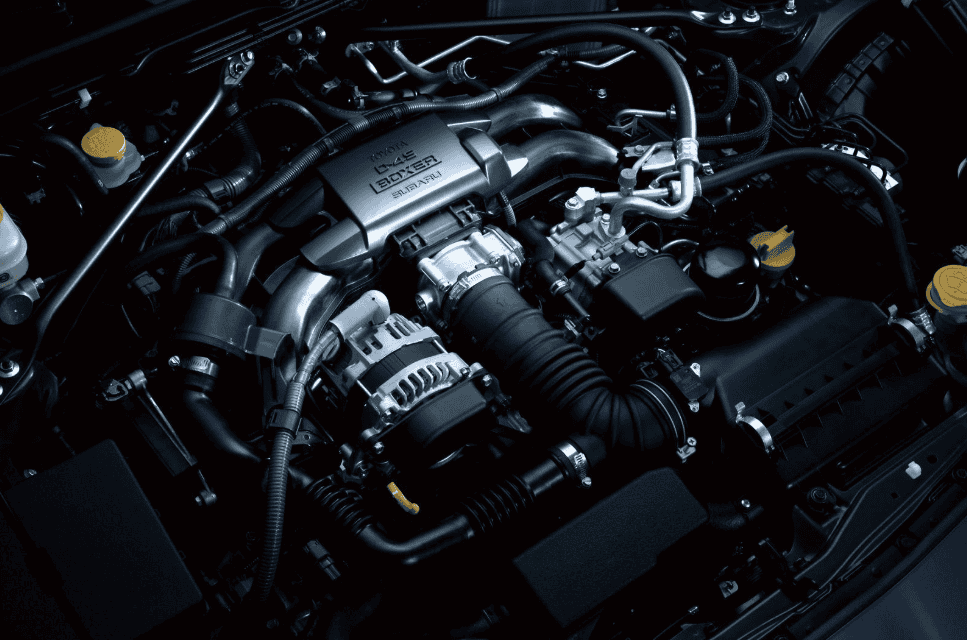
Today at Motor Guide, we are going to discuss a topic that directly affects the health of your vehicle's engine. A major problem frequently faced by vehicle users in our country is poor fuel quality. For an engine to function properly, the quality of the petrol or diesel it receives must be at an optimal level. When fuel quality drops, the combustion process inside the engine becomes irregular. The very first symptoms you will notice from this are what we call 'Engine Knocking' (or pinging) and 'Hesitation'.
What is Engine Knocking?
First, let's look at what that "tick-tick" sound coming from the engine, or "knocking," actually is. Normally, inside an engine's cylinder, the spark plug should fire and ignite the fuel mixture only after the piston reaches the very top. However, when fuel quality is low—meaning the Octane Rating is low—the fuel mixture heats up and ignites spontaneously before the spark plug fires. This is exactly like two explosions happening at the same time.
This creates a massive pressure working against the piston as it travels upward. That is when you hear a strange metallic clanking sound from inside the engine. This is mostly heard when the vehicle is pulling, meaning when it is under a load. If this continues, it can scratch the pistons, damage the engine valves, and pave the way for a very expensive repair.
Engine Hesitation and Loss of Power
Next, let's look at 'Hesitation'. This is when you press the accelerator, but instead of speeding up smoothly, the vehicle suddenly jerks, holds back, or feels like it is 'panting' as it moves forward. The main reason for this is the clogging of the Fuel Filters and Injectors due to impurities found in poor-quality fuel.
Fuel should spray out of an injector as a very fine mist. But if there is dirt or debris in the fuel, that fine mist is not delivered correctly. Because the engine does not receive the required amount of fuel at the exact right time, you feel a lack of pulling power. Especially if the engine tends to stall when you try to move from a complete stop, it is almost certainly a fault in the fuel system.
How to Identify Poor Quality Fuel?
If you notice the following changes after pumping fuel, you should be mindful of them:
- Rough Idling: If the rhythm of the engine changes while the vehicle is simply running while parked (Idle), or if the engine vibrates more than usual, it is a fuel issue.
- Reduced Fuel Efficiency: If your fuel economy suddenly drops compared to the mileage you used to get, it means the engine is working much harder to burn that low-quality fuel.
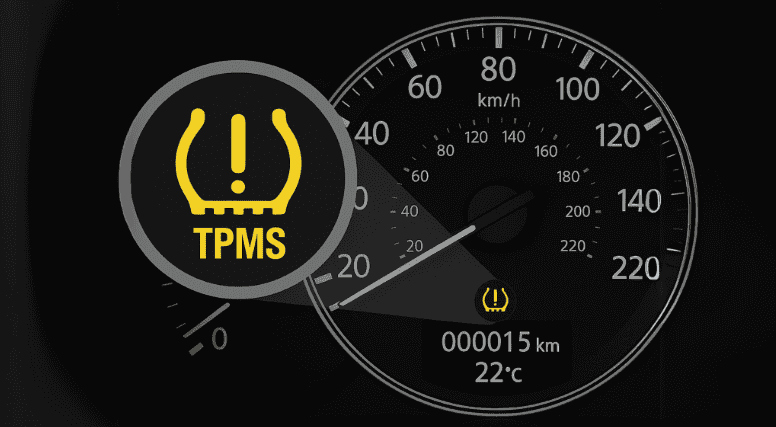
- Check Engine Light Illuminating: The sensors in modern vehicles (like the Knock Sensor or Oxygen Sensor) can detect fuel faults and trigger a warning light on the dashboard.
- Exhaust Smoke: If black smoke or smoke with a strange odor is coming from the exhaust, it means the fuel is not burning correctly.
What Should You Do in Such a Situation?
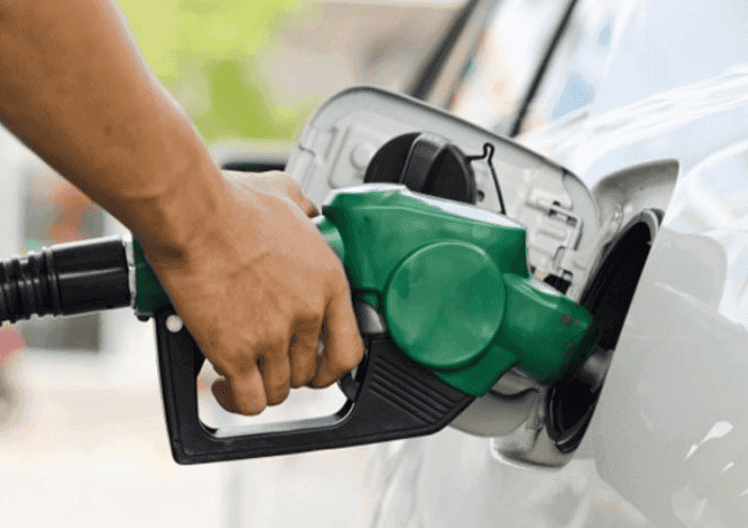
If you suspect you have pumped bad fuel, do not take it lightly. The first thing you should do is try to finish that fuel as quickly as safely possible and refill with a high-quality fuel (for example, 95 Octane or Super Diesel) from a trusted, reliable filling station.
However, if the situation is severe—meaning the vehicle is jerking heavily or the knocking sound is very loud—do not force the vehicle to drive. In that case, the wisest thing to do is to completely drain the Fuel Tank and install a new fuel filter. Additionally, using an Additive like an Injector Cleaner can help remove the impurities from the system.
In conclusion, always try to get your fuel from the same trusted filling station. If you pump fuel from random places just because it is cheaper or you are in a hurry, it will only shorten your engine's lifespan. If you love your vehicle, you should only give it the best. By paying attention to even the slightest hint your engine gives you, you will be able to save yourself from massive repair costs in the future.

Written by
Nisaga Sandaru
A versatile and highly experienced professional, currently an Automobile undergraduate at the University of Jaffna, with strong technical expertise grounded in hands-on work as a technician with SriLankan Airlines Ground Support Equipment (GSE). Holding an Automobile NVQ Level 3 qualification, along with specialized certifications in Vehicle ECU Programming and Diagnosis, and extensive experience in arc welding and vehicle body painting, and well equipped to handle complex automotive, diagnostic, and fabrication-related tasks with a high level of competence.