Electronic Toll Collection (ETC) Systems Emerging in 2026


The year 2026 marks a massive revolution in our country's transportation sector. In particular, Electronic Toll Collection (ETC) technology has now reached a highly advanced level. The days of queuing up on expressways and fumbling for change are officially over. However, there are still those who know about it but haven't switched to ETC yet. First of all, it must be stated that these systems do not simply operate as money-deducting machines; there is a massive data network and sensor system working relentlessly behind the scenes. Therefore, having an accurate technical understanding of this is crucial for all vehicle users as well as professionals in this field.
The Core Technology: RFID and High-Speed Scanning
Now let's look at the core component of this ETC system. Currently, both in Sri Lanka and globally, RFID (Radio Frequency Identification) is the most widely used technology. This involves a Reader installed on the road scanning a sticker containing a tiny microchip pasted on your vehicle's front windshield.
By 2026, this RFID technology has advanced significantly. Unlike in the past, you no longer need to bring the vehicle to a complete stop. The antenna systems have been upgraded to the point where they can accurately read the sticker even while you are traveling at speeds of 40-60 km/h. This not only saves valuable time but also reduces fuel consumption by minimizing traffic congestion.
Dual Verification: RFID and ANPR
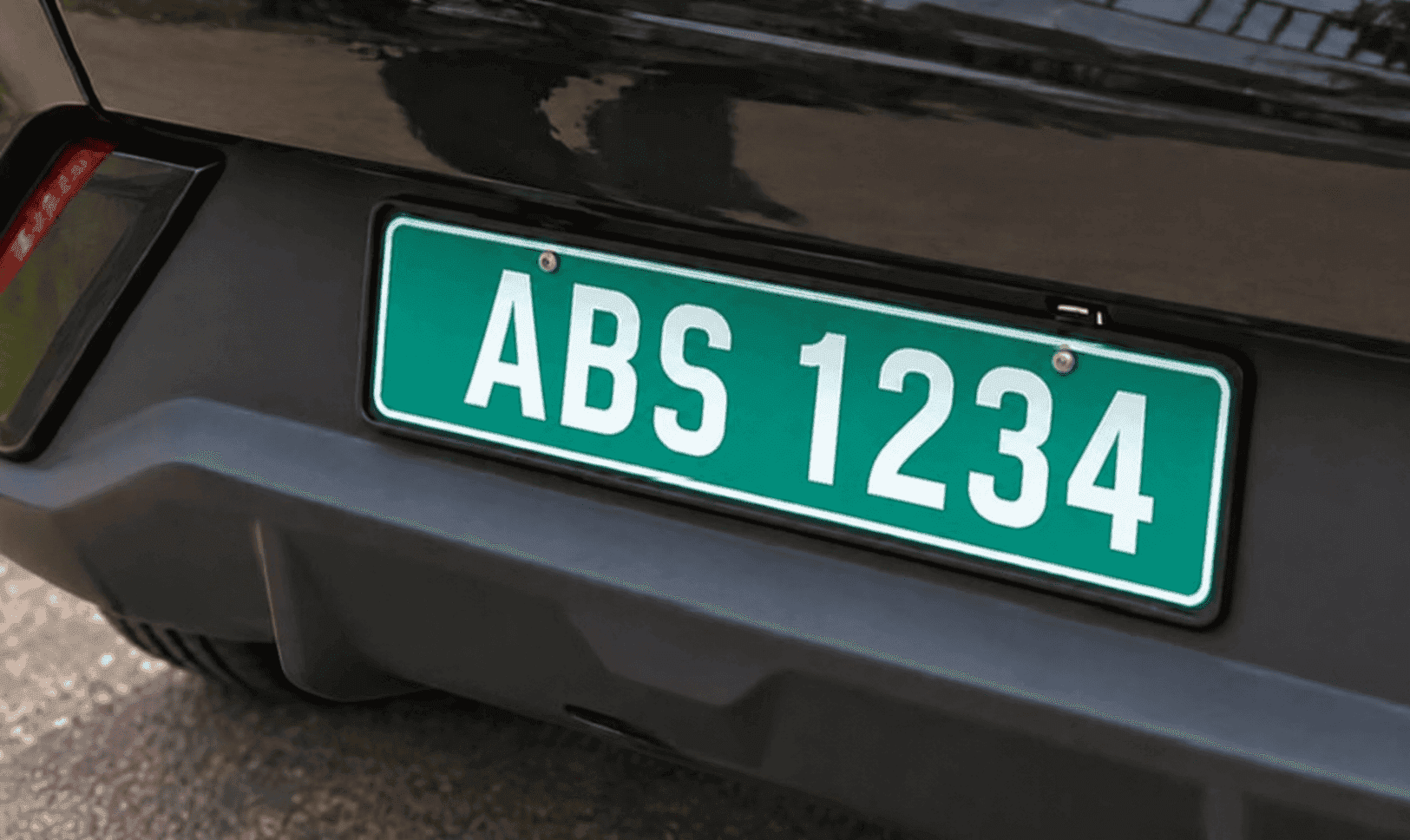
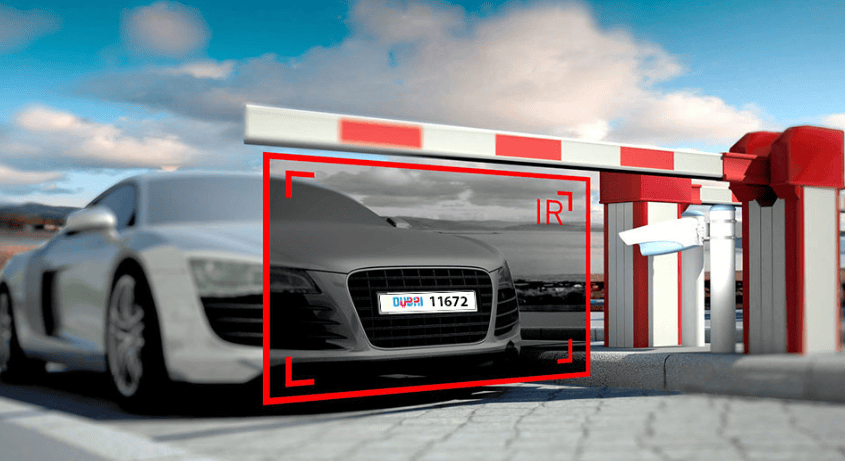
The next important point is exactly how this system operates. As you drive towards the gate, the sensors instantly identify the vehicle. Simultaneously, a camera system scans the vehicle's license plate. This is implemented as a fail-safe security measure. If, for some reason, an error occurs with the sticker, the system can now identify the relevant account via the license plate and deduct the toll. This is what we call ANPR (Automatic Number Plate Recognition) technology. By 2026, these two systems are working together in tandem. Therefore, absolutely no one gets the opportunity to pass through without paying by mistake or design, and the system's reliability is exceptionally high.
Centralized Cloud Servers and Banking Integration
Looking at the technical side, everything is seamlessly connected to a Centralized Cloud Server. The moment you recharge your sticker, it updates instantaneously. Through modern Mobile Apps, you can check your balance and view travel details at any time. Specifically, it must be mentioned that this system is now directly integrated with the banking network. Therefore, even if you run out of prepaid balance, you can configure the system to deduct the toll directly from your linked bank account. This provides immense convenience to the consumer.
The "Multi-lane Free Flow" System
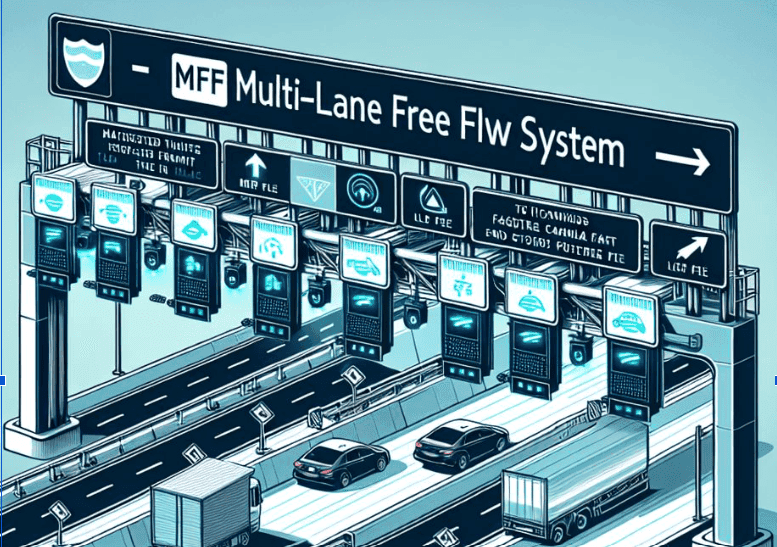
Another new advancement is the "Multi-lane Free Flow" method. This has become highly popular in 2026. In this setup, there are absolutely no vehicle barriers (boom gates); you can enter the expressway just as if you were driving on a regular road. A Gantry system installed across the road automatically deducts the tolls from fast-moving vehicles. This allows the road capacity to be utilized to its absolute maximum. As professionals in this field, what we observe is that this method drastically reduces maintenance costs, because there is no longer a need to constantly maintain those moving boom gates and their mechanical motors.
Uncompromising Security: Blockchain and Tamper-Proof Stickers
We must also discuss the security of this system. Technologies like "Blockchain" have even been integrated into these ETC systems to prevent data theft or fraud. This means no one can tamper with or alter your transaction details. Furthermore, the stickers are manufactured to be Tamper-evident—if you try to peel it off to illegally use it on another vehicle, the internal antenna breaks and the sticker is instantly destroyed. Because of this, vehicle owners do not need to harbor any doubts regarding the security of their accounts.
Crucial User Guidelines
When using these technologies, there are a few things you must be mindful of:
- Proper Placement: When pasting the sticker, it must be placed in the designated spot—usually the top center of the windshield.
- Beware of Tints: The heat-resistant layers (Tinted films) on the glass can sometimes weaken the signal, so you must be cautious about that.
- No Metallic Interference: Never let any metallic object touch or cover the sticker, as this will completely block the radio waves.
- Handling Damage: If the sticker gets damaged for any reason, it is wise to immediately inform the relevant authorities and obtain a replacement.
Motor Guide's Final Thoughts
In conclusion, by 2026, we are living in an era that goes hand-in-hand with technology. Electronic toll collection is not just a mere convenience; it is something that contributes massively to the country's economy and environment. A reduction in vehicle emissions, saved time, and fully transparent transactions are guaranteed through this. Therefore, the intelligent thing to do is correctly understand these new methods and move forward with the technology. Take a proactive interest in this and ensure your vehicle is properly connected to this system. It is a great service you are doing for yourself as well as for the country.

Written by
Nisaga Sandaru
A versatile and highly experienced professional, currently an Automobile undergraduate at the University of Jaffna, with strong technical expertise grounded in hands-on work as a technician with SriLankan Airlines Ground Support Equipment (GSE). Holding an Automobile NVQ Level 3 qualification, along with specialized certifications in Vehicle ECU Programming and Diagnosis, and extensive experience in arc welding and vehicle body painting, and well equipped to handle complex automotive, diagnostic, and fabrication-related tasks with a high level of competence.