A Unified Card System for Public Transport in 2026


The biggest revolution happening in our country's transport sector in 2026 will be the introduction of the "Single Card System" for public transport. This is not merely about using a card instead of a physical ticket; there is a massive technical operation and a fundamental shift in methodology behind it. From a technological perspective, this is an incredibly important topic. Having a complete understanding of this is highly valuable for you and everyone else who will use this system. That is why we at Motor Guide decided to discuss it.
The Technical Foundation: NFC
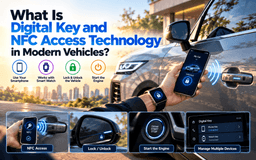
First, let's look at the technical foundation of this card system. It utilizes NFC (Near Field Communication) technology. Through this, data can be exchanged over a very short distance without even having to physically touch the card to the machine. The moment you bring the card near the 'Validate' machine when boarding a bus or train, your destination and the required fare begin to calculate in less than a second. This saves the time spent issuing paper tickets and completely eliminates the hassle of searching for five- and ten-rupee coins.
Interoperability and Security
The most valuable aspect of this system is that it is Interoperable. This means the exact same card can be used on SLTB buses, private buses, and trains alike. In 2026, this will operate through a Centralized Database. Once you load money onto the card, it will be accepted across any mode of public transport. Technically, this is integrated with the banking system, ensuring that every transaction made through this card is highly secure and transparent. There will no longer be a need to argue with the bus conductor over your balance.
Big Data and Transport Management
Another crucial point is how data management within the transport sector will occur through this system. With this card network, the government and relevant authorities will be able to accurately identify peak travel times and the most crowded routes. This is directly linked to Big Data technology. By analyzing this data, authorities can increase or adjust the frequency of bus and train schedules. This means it is not just a payment method, but a powerful tool to streamline and increase the efficiency of the entire transport service.
Card Maintenance and Top-Ups
Maintaining this card is also very simple. Because it contains a smart chip, it is resistant to minor scratches and normal moisture. However, you must remember that bending it or exposing it to extreme heat is not recommended. In 2026, you will have multiple ways to Top-up this card. You will be able to reload money via a mobile app, through your bank, or via designated machines located at bus stops. Furthermore, this system will allow you to securely view your complete Travel History.
Discounts and Monthly Packages
Another exceptional advantage is the Discounts and Packages you can receive. For example, a person commuting daily for work can purchase a monthly package, allowing them to travel at a lower cost compared to buying standard daily tickets. This is very similar to systems like the 'Oyster Card' or 'Octopus Card' currently used in developed countries. The implementation of such a system here signifies the complete digitalization of our public transport network.
Conclusion
Finally, when utilizing such modern technologies, building proper awareness about them is essential. This will ultimately save both your time and money. When this system is fully established in 2026—though the process might face delays due to various reasons—the stress of traveling by bus or train will be significantly reduced. Start taking an interest right now in how to properly use the card, its security features, and how to reload it. We see this as a monumental victory for our country's transport sector. Therefore, do not be afraid to adapt to this new change; it will make your daily life much easier.
Written by
Nisaga Sandaru
A versatile and highly experienced professional, currently an Automobile undergraduate at the University of Jaffna, with strong technical expertise grounded in hands-on work as a technician with SriLankan Airlines Ground Support Equipment (GSE). Holding an Automobile NVQ Level 3 qualification, along with specialized certifications in Vehicle ECU Programming and Diagnosis, and extensive experience in arc welding and vehicle body painting, and well equipped to handle complex automotive, diagnostic, and fabrication-related tasks with a high level of competence.