How Does the Auto Hold Function Work?

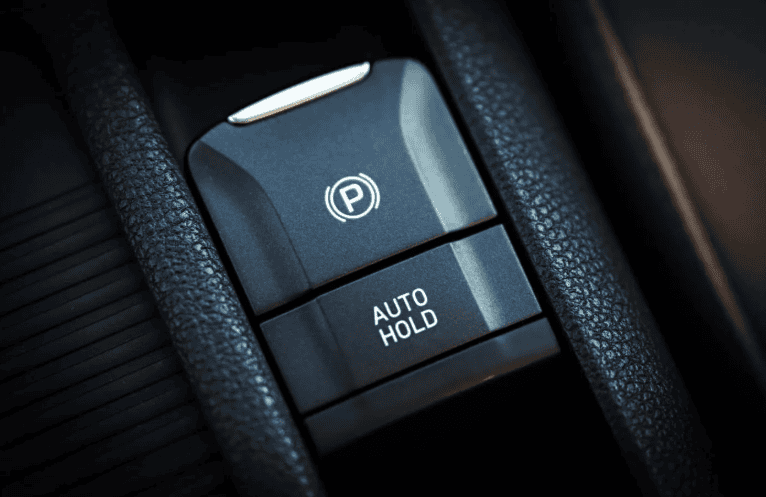
Today at Motor Guide, we are exploring an incredibly useful modern vehicle feature that significantly reduces driving fatigue: the Auto Hold function. We all know how physically exhausting it is to constantly keep your foot pressed on the brake pedal while stuck in heavy, daily traffic. To combat this muscle strain and daily driving stress, automakers introduced Auto Hold technology. Let’s dive into the technical side of how it operates and the real-world benefits it offers.
What is Auto Hold and How Does it Work?
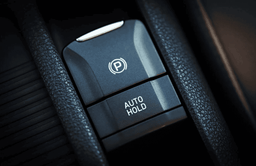
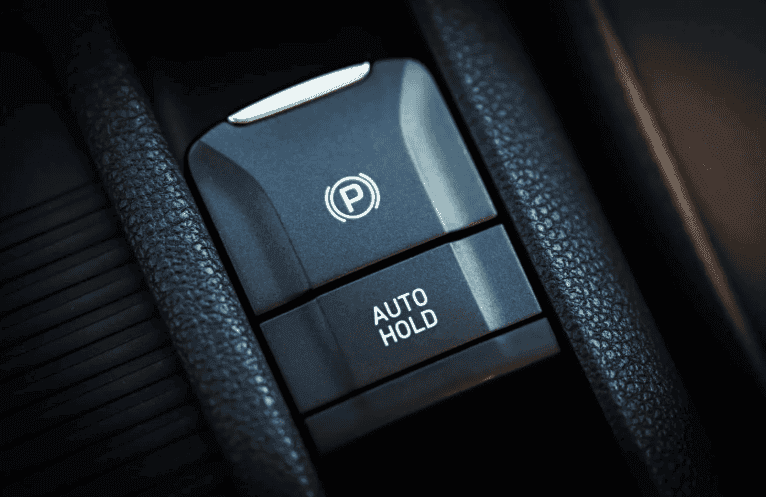
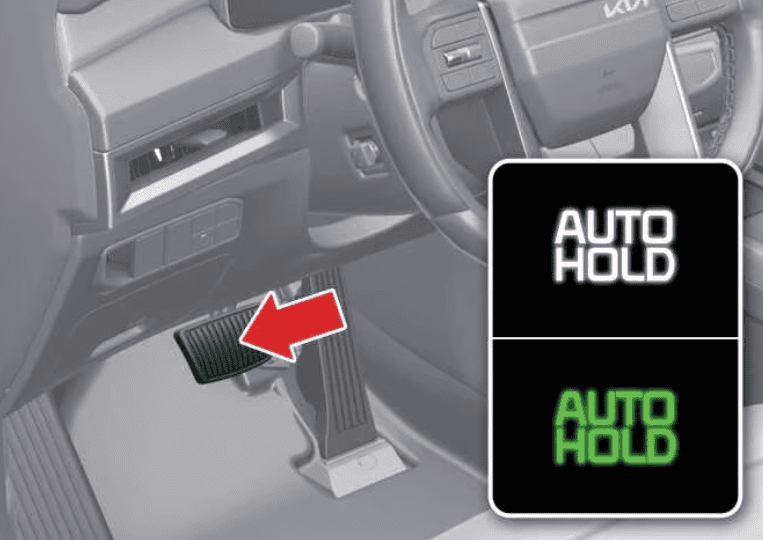
Simply put, Auto Hold is an electronic system that keeps your vehicle completely stationary after you come to a full stop, even if you entirely remove your foot from the brake pedal. This feature operates hand-in-hand with the modern Electronic Parking Brake (EPB) system. We view this as a major milestone in driving comfort and safety, offering far more convenience than manually engaging an old-school handbrake during stop-and-go traffic.
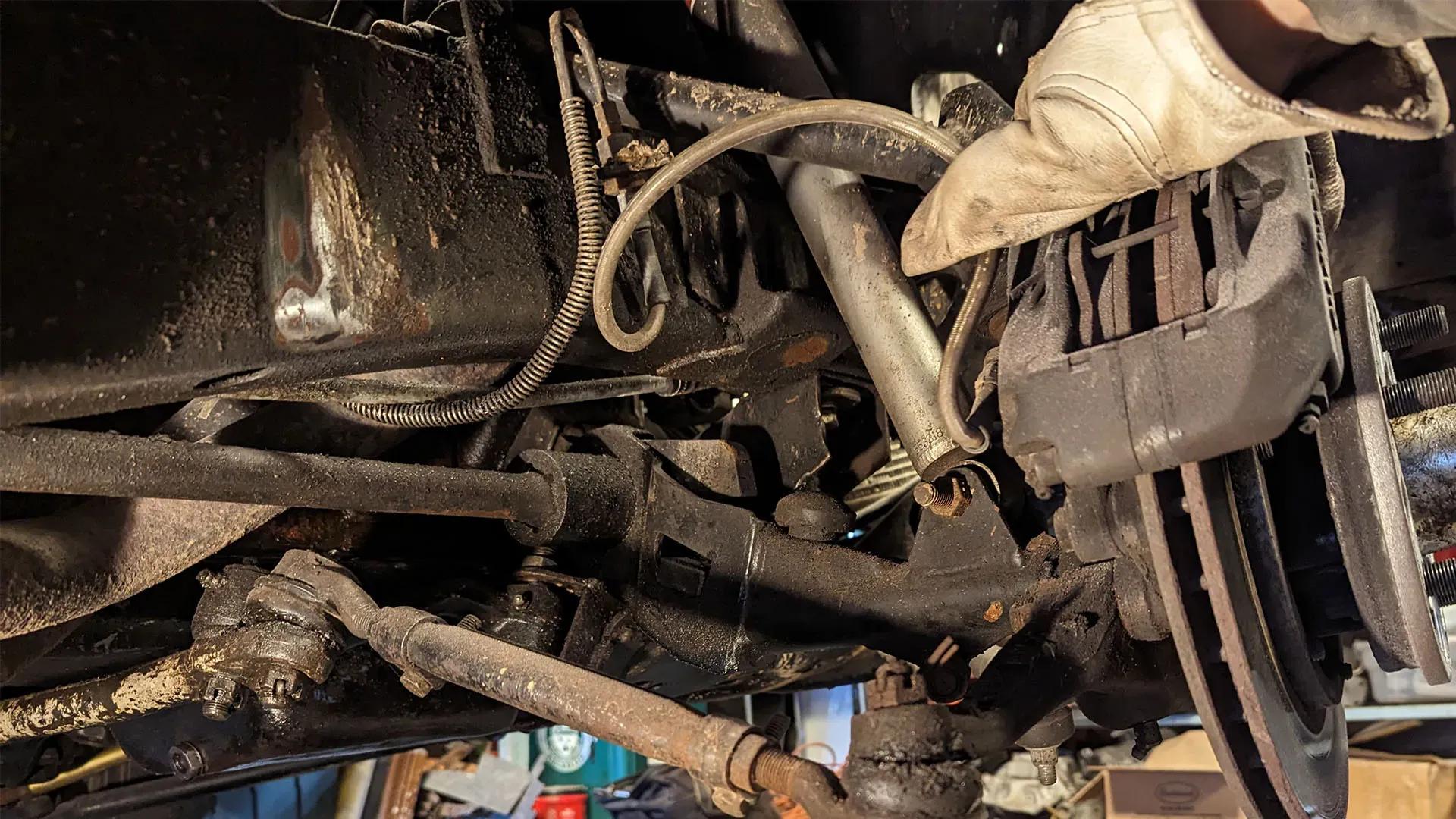
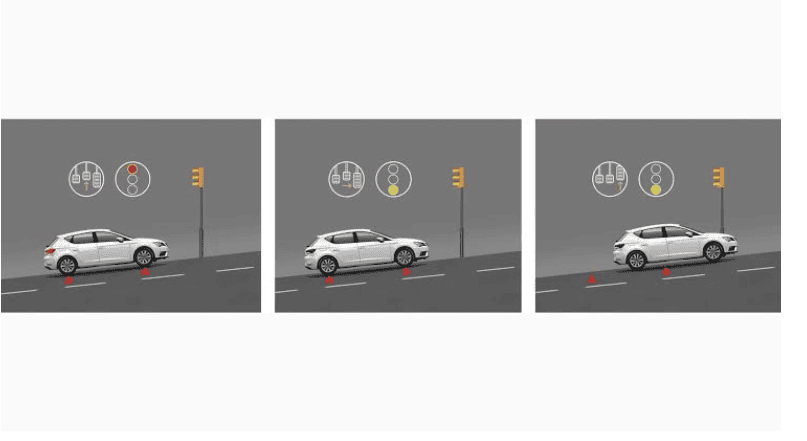
Behind the scenes, a complex network of sensors and the Engine Control Unit (ECU) work seamlessly together. Once you activate the Auto Hold button, the system continuously monitors Wheel Speed Sensors, Transmission Status, and Incline Sensors to confirm the vehicle is at a complete standstill. When you press the brake pedal to stop the car, the Auto Hold system instantly locks in the hydraulic pressure within the brake lines. This trapped hydraulic pressure keeps the brake pads firmly clamped against the brake rotors. At this moment, the driver no longer needs to hold the pedal down. Even though the engine is running and the transmission is engaged, the car will not creep forward or roll backward.
When you are ready to move again and press the accelerator, the system rapidly calculates engine speed and gearbox activity. In a fraction of a second, the Auto Hold system fully releases the hydraulic brake pressure, allowing the vehicle to move forward smoothly without any jerking. In vehicles with automatic transmissions, this release is perfectly synchronized with the torque converter or clutch system.
Key Practical Benefits
- Reduces Physical Fatigue: Relieves the constant strain on your leg and foot muscles during heavy city traffic, making daily commutes much more comfortable.
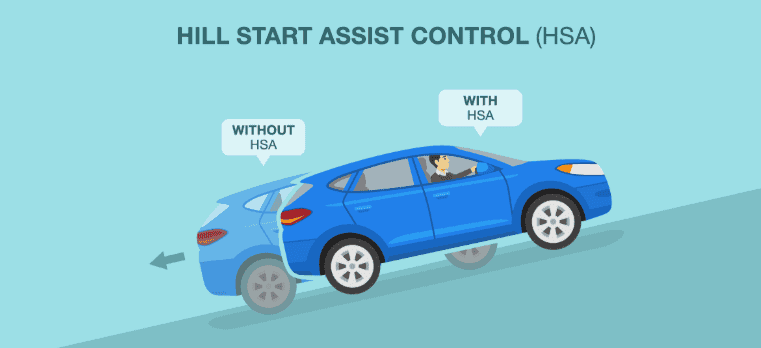
- Prevents Rollback: When stopped on an incline or hill, it completely prevents the vehicle from rolling backward while you transfer your foot from the brake to the accelerator.
- Enhances Safety: Automatically keeps the vehicle secured, drastically reducing the risk of accidental creeping and rear-end collisions if the driver gets momentarily distracted.
Motor Guide's Final Advice
Our advice at Motor Guide is to consistently monitor the condition of your brake pads and tires if you frequently use the Auto Hold system. Because this feature relies entirely on trapping and releasing hydraulic pressure, maintaining your braking system to the highest standard is absolutely essential for it to function safely. Stay tuned with Motor Guide for more valuable insights into modern vehicle technology!

Written by
Nisaga Sandaru
A versatile and highly experienced professional, currently an Automobile undergraduate at the University of Jaffna, with strong technical expertise grounded in hands-on work as a technician with SriLankan Airlines Ground Support Equipment (GSE). Holding an Automobile NVQ Level 3 qualification, along with specialized certifications in Vehicle ECU Programming and Diagnosis, and extensive experience in arc welding and vehicle body painting, and well equipped to handle complex automotive, diagnostic, and fabrication-related tasks with a high level of competence.