What Is Steer-by-Wire Technology?

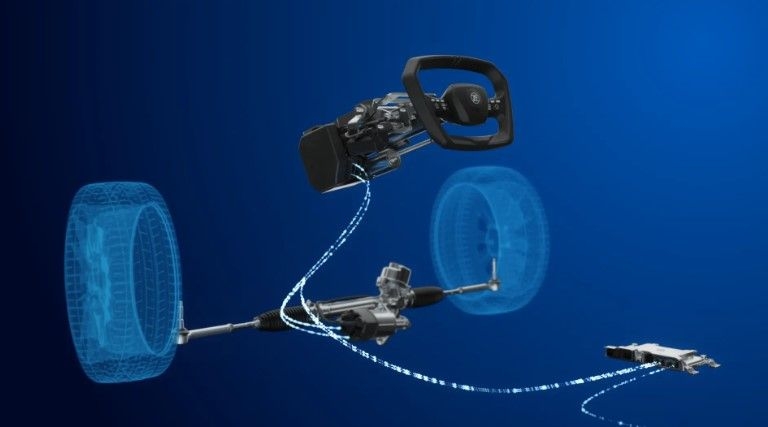
Today at MotorGuide, we're going to explore one of the most exciting developments in modern automotive engineering. It's a technology that's changing the way vehicles are designed and driven by replacing a mechanical steering system that has been used for decades. We're talking about Steer-by-Wire technology.
In a conventional vehicle, turning the steering wheel moves the front wheels through a physical mechanical connection, which includes a component known as the steering column. This mechanical arrangement has been a fundamental part of vehicle steering systems for many years.
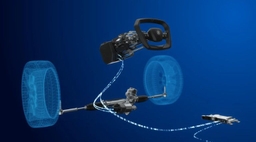
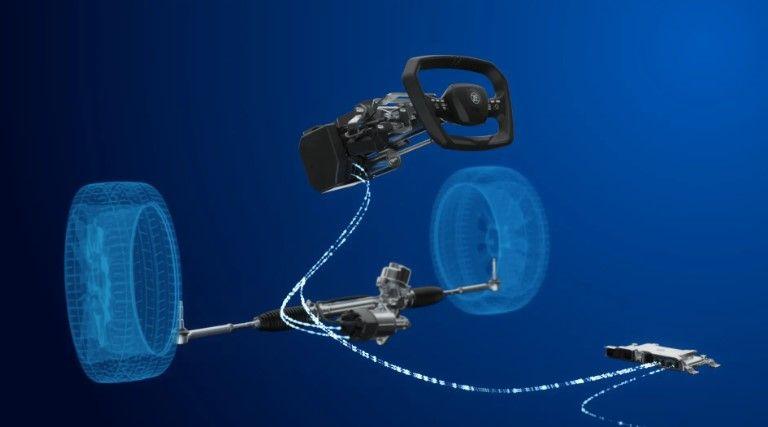
However, Steer-by-Wire takes a completely different approach. Instead of relying on a direct mechanical connection between the steering wheel and the road wheels, a fully electronic Steer-by-Wire system uses digital signals and electrical components to control steering.
So, how does this advanced technology actually work? What makes it different from conventional steering, and what benefits does it offer drivers? Let's take a closer look.
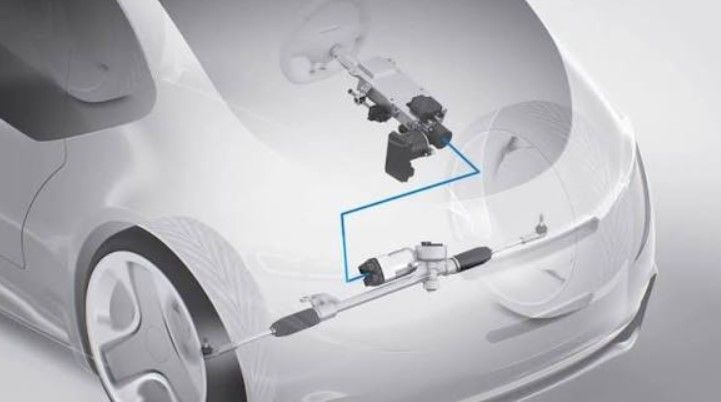
In simple terms, Steer-by-Wire is an electronic steering system that converts the driver's steering inputs into digital signals. These signals are processed by a computer, which then controls an electric actuator to turn the vehicle's wheels in the required direction.
The technology shares similarities with the Fly-by-Wire systems used in modern aircraft, where electronic signals are used to control flight surfaces instead of relying entirely on traditional mechanical connections.
From an automotive perspective, the introduction of Steer-by-Wire technology in vehicles such as selected Infiniti and Toyota models, as well as the Tesla Cybertruck, represents a significant development in vehicle engineering. Beyond improving steering flexibility, it also opens up new possibilities for interior design, driving comfort, and future vehicle technologies.
How Does Steer-by-Wire Technology Work?
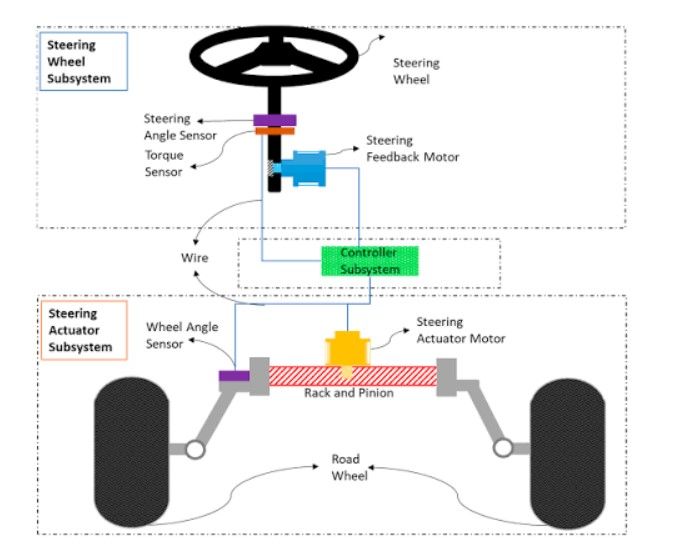
Behind the Steer-by-Wire system is a sophisticated combination of electronic sensors, Electronic Control Units (ECUs), and electric motors working together to control the direction of the vehicle.
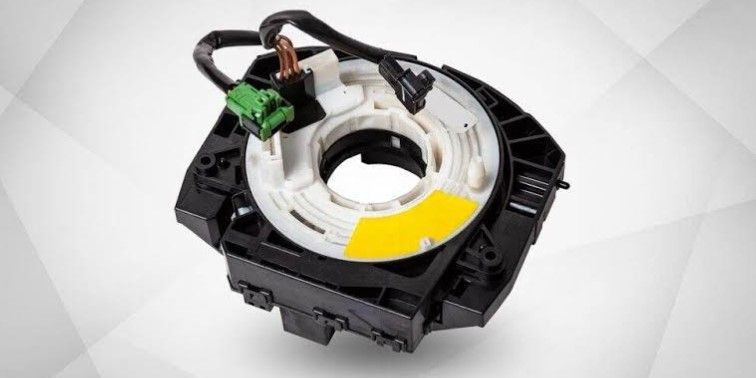
When the driver turns the steering wheel, a Steering Wheel Angle Sensor detects the movement and measures how far and how quickly the steering wheel is being turned.
This information is immediately converted into a digital signal and transmitted to the vehicle's main Electronic Control Unit (ECU).
The computer then processes the steering input along with other relevant information, such as vehicle speed and driving conditions, to determine the appropriate steering response.
Once the necessary calculations are completed, the ECU sends commands to an electric motor known as the Steering Actuator Motor, which operates the steering mechanism connected to the road wheels.
The actuator then turns the wheels to the required angle, allowing the vehicle to respond accurately to the driver's steering input without the need for a direct mechanical connection between the steering wheel and the road wheels.
How Does the Driver Feel the Road?
At this point, you might be wondering something important. If there is no mechanical connection between the steering wheel and the road wheels, how does the driver feel the road surface, tyre grip, or the resistance normally experienced when turning?
That's where another important component comes into play: the Feedback Actuator Motor.
In a conventional steering system, forces acting on the tyres and suspension are transmitted through the steering mechanism, allowing the driver to feel some of what is happening at the wheels.
With Steer-by-Wire, the system uses electronic information to calculate the steering feedback that should be delivered to the driver.
The Feedback Actuator Motor then creates artificial resistance or feedback at the steering wheel, helping reproduce a sense of road feel.
As a result, the driver can experience steering resistance and feedback similar to those found in conventional vehicles, even though the steering wheel is electronically controlled.
The exact level and character of this feedback can also be adjusted through software, depending on the vehicle's design and driving mode.
What Are the Benefits of Steer-by-Wire Technology?
One of the biggest advantages of Steer-by-Wire technology is improved steering comfort.
In conventional vehicles, driving over potholes, stones, or uneven road surfaces can cause unwanted vibrations and sudden movements to travel back through the steering wheel. This effect is commonly known as Steering Kickback.
Since a fully electronic Steer-by-Wire system does not have a direct mechanical connection between the steering wheel and the road wheels, it can significantly reduce these unwanted disturbances.
The computer can filter out certain vibrations while maintaining the steering feedback needed for driving. This can provide a smoother and more comfortable steering experience, particularly on rough roads.
Another major advantage is the ability to automatically adjust the Steering Ratio according to vehicle speed and driving conditions.
For example, when parking in a tight space, the system can make the steering more responsive. This means the driver may only need to turn the steering wheel through a small angle to achieve a larger change in the direction of the road wheels.
However, when travelling at higher speeds on a highway, the system can reduce steering sensitivity to provide more controlled steering responses and help maintain vehicle stability.
This flexibility allows manufacturers to optimise steering behaviour for different driving situations without relying entirely on a fixed mechanical steering ratio.
Vehicle Safety and Interior Design Benefits
Steer-by-Wire technology also introduces new possibilities for vehicle safety and cabin design.
In a fully electronic system, removing the direct mechanical steering column can eliminate certain risks associated with that component during a frontal collision.
However, overall crash safety still depends on the vehicle's complete structural design, restraint systems, and other safety technologies.
Without the limitations of a traditional steering column, automotive designers also have greater flexibility when arranging the dashboard, steering wheel, and other interior components.
Removing certain mechanical components may also help reduce weight, although the actual weight savings depend on the design of the vehicle and the additional electronic components required.
Another important benefit is the technology's potential contribution to future autonomous vehicles.
Because steering commands can be managed electronically, Steer-by-Wire systems can be integrated with advanced driver assistance and automated driving technologies.
This could make them particularly useful in the development of future vehicles with more advanced autonomous driving capabilities.
Important Maintenance and Safety Considerations
At MotorGuide, our advice is that if you own a modern vehicle equipped with Steer-by-Wire technology, you should pay special attention to the condition of its electrical systems and follow the manufacturer's recommended maintenance procedures.
Since these systems rely on electronic control, sensors, actuators, and electrical power, maintaining the vehicle's electrical system is extremely important.
Modern Steer-by-Wire systems are designed with safety measures and backup arrangements to help maintain steering control if certain components experience a fault. These arrangements vary depending on the manufacturer and vehicle model.
It's also important to monitor the condition of the vehicle's 12V battery and other relevant electrical components, according to the manufacturer's specifications.
If a steering system warning appears on the instrument cluster, it should never be ignored.
Depending on the warning and the manufacturer's instructions, the safest action may be to stop driving as soon as it is safe to do so and arrange for the vehicle to be inspected by a qualified technician using appropriate diagnostic equipment.
Steer-by-Wire technology represents an important step forward in automotive engineering, offering greater flexibility in steering control, improved comfort, and exciting possibilities for future vehicle design.
Stay connected with MotorGuide for more useful information about modern vehicle technologies, advanced automotive features, and everything you need to know about the world of vehicles.

Written by
Nisaga Sandaru
A versatile and highly experienced professional, currently an Automobile undergraduate at the University of Jaffna, with strong technical expertise grounded in hands-on work as a technician with SriLankan Airlines Ground Support Equipment (GSE). Holding an Automobile NVQ Level 3 qualification, along with specialized certifications in Vehicle ECU Programming and Diagnosis, and extensive experience in arc welding and vehicle body painting, and well equipped to handle complex automotive, diagnostic, and fabrication-related tasks with a high level of competence.