What Is the Exit Warning System in a Vehicle?

Today at MotorGuide, we're going to talk about an important safety feature found in many modern vehicles. It's designed to prevent a common mistake that can lead to serious road accidents. This technology is known as the Exit Warning System.
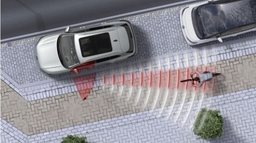
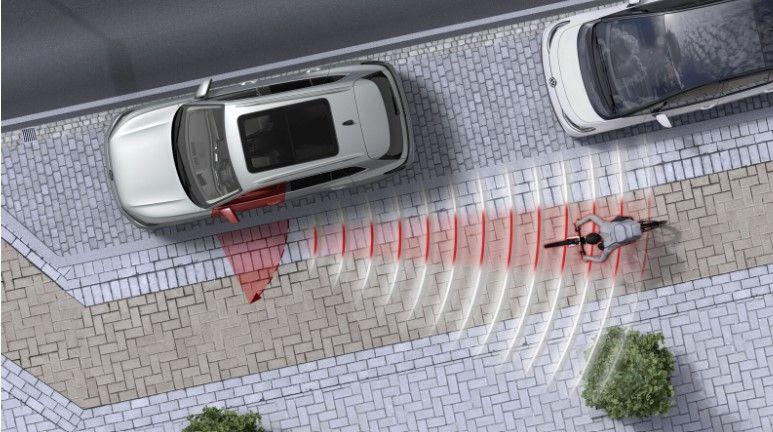
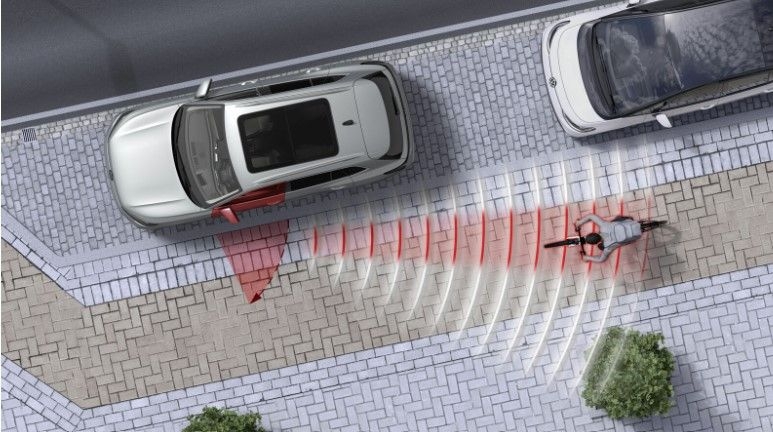
Think about what happens when you finish driving and park your vehicle along the side of a road. Most of us simply reach for the door handle and get ready to step out. But what if a motorcycle, bicycle, three-wheeler, or another vehicle is approaching from behind?
Opening the door without checking your surroundings can cause a serious collision. In the automotive industry, accidents like these are commonly referred to as "Dooring."
To help reduce this risk, vehicle manufacturers have introduced advanced safety technologies such as the Exit Warning System. So, how exactly does this feature work, and what makes it so useful? Let's take a closer look.
In simple terms, an Exit Warning System is an electronic safety feature that detects vehicles, cyclists, or other approaching road users when the driver or passengers are preparing to open their doors.
If the system identifies a potential collision risk, it alerts the occupants through visual and audible warnings. Some modern vehicles also offer a more advanced version called Safe Exit Assist (SEA), which can help prevent certain doors from being opened when approaching traffic is detected.
From a technical perspective, this technology builds on the capabilities of traditional Blind Spot Monitoring systems. Instead of monitoring surrounding traffic only while driving, it extends protection to the moments when occupants are getting out of the vehicle.
In certain vehicles, the system can even remain active for a short period after the engine has been switched off, providing an additional layer of safety.
How Does the Exit Warning System Work?
The Exit Warning System uses a combination of sensors and electronic control units (ECUs) to monitor approaching traffic.
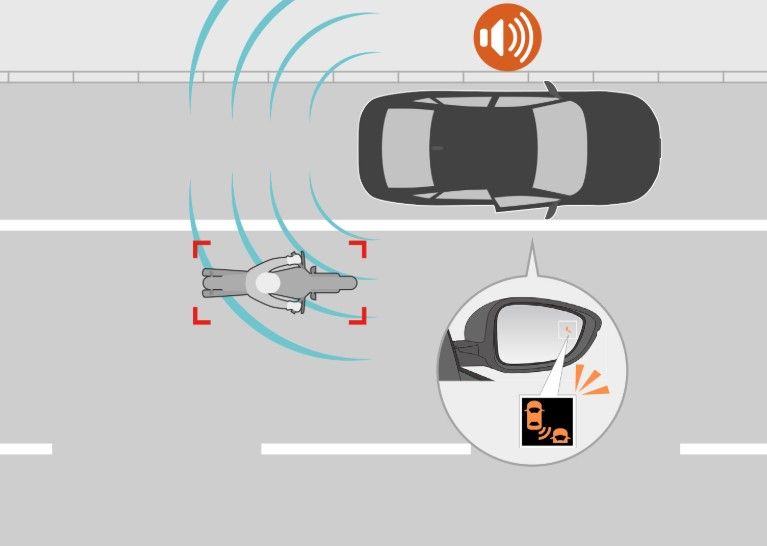
In many vehicles, radar sensors located near the corners of the rear bumper continuously monitor the areas behind and alongside the vehicle. Some systems may also use cameras or other sensors to support their operation.
Depending on the vehicle and its sensor technology, the system may detect approaching objects from approximately 20 to 50 metres away. However, the actual detection range varies between manufacturers and models.
When the vehicle comes to a stop and someone prepares to open a door, the system checks whether another road user is approaching from behind.
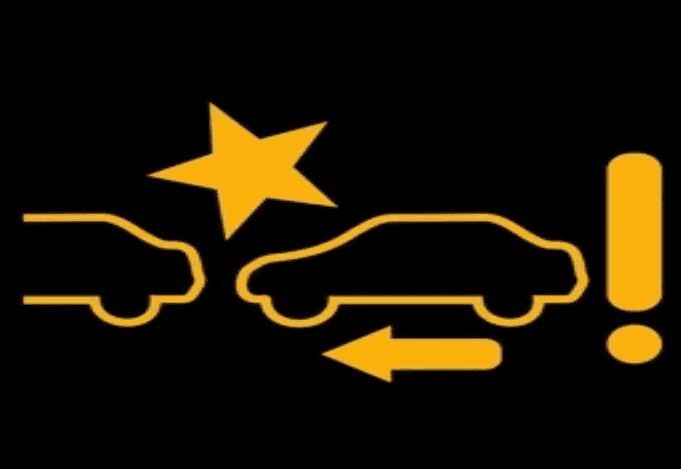
If a potential collision risk is identified, a warning light may begin flashing on the side mirror or another designated warning display. Depending on the vehicle, this indicator may appear in red or amber.
At the same time, the system may produce an audible warning, such as a series of beeps, to alert the driver and passengers.
Some vehicles keep this feature active for several minutes after the engine is switched off, helping protect passengers who take a little longer to get out.
What Is Safe Exit Assist (SEA)?
Some modern vehicles, including selected models from Hyundai and Kia, offer an advanced safety feature known as Safe Exit Assist (SEA). Certain Audi models also offer exit warning or exit assistance technologies, although the exact functions vary by model.
Unlike a basic Exit Warning System that only provides visual and audible alerts, some Safe Exit Assist systems can actively help prevent passengers from opening a door when another vehicle is approaching.
For example, in vehicles equipped with compatible electronic child locks, the system may automatically keep the rear doors locked when it detects approaching traffic.
Even if a passenger attempts to operate the interior door handle, the system can temporarily prevent the door from opening until the detected danger has passed.
This feature is particularly useful when travelling with young children who might otherwise open a rear door without checking for approaching traffic.
However, it's important to remember that not all vehicles with an Exit Warning System offer automatic door locking. The available functions depend on the manufacturer, model, and vehicle specifications.
What Are the Benefits of an Exit Warning System?
One of the biggest advantages of this technology is the additional protection it provides when parking along busy roads.
In urban areas, drivers often stop close to moving traffic, where motorcycles and bicycles regularly pass alongside parked vehicles. A door opened unexpectedly can put these road users at serious risk.
The Exit Warning System helps reduce this danger by alerting occupants to approaching traffic before they step outside.
It can also be particularly helpful when drivers or passengers are distracted, in a hurry, or unable to clearly see an approaching vehicle.
Another important benefit is the protection it offers to motorcyclists and cyclists. Since they often travel close to parked vehicles, they are especially vulnerable to dooring accidents.
By helping occupants identify approaching traffic, this technology can reduce the likelihood of such collisions and improve safety for everyone sharing the road.
Important Safety Tips
At MotorGuide, our advice is simple. Even if your vehicle is equipped with an Exit Warning System or Safe Exit Assist, you should never rely entirely on the technology when opening a door.
Always check your side mirrors and look over your shoulder before stepping out of the vehicle.
It's also important to understand that the performance of radar sensors can be affected by certain environmental conditions.
For example, heavy rain, mud, dirt, or other obstructions covering the rear bumper may reduce sensor performance and affect the system's ability to detect approaching traffic accurately.
Therefore, keeping the rear bumper and relevant sensor areas clean is an important part of maintaining the system's effectiveness.
Most importantly, remember that these systems are designed to assist the driver and passengers, not replace their attention and judgement.
By combining modern safety technology with responsible habits, we can make getting in and out of vehicles safer for ourselves and other road users.
Stay connected with MotorGuide for more useful information about modern vehicle technologies, automotive safety features, and everything you need to know about the world of vehicles.

Written by
Nisaga Sandaru
A versatile and highly experienced professional, currently an Automobile undergraduate at the University of Jaffna, with strong technical expertise grounded in hands-on work as a technician with SriLankan Airlines Ground Support Equipment (GSE). Holding an Automobile NVQ Level 3 qualification, along with specialized certifications in Vehicle ECU Programming and Diagnosis, and extensive experience in arc welding and vehicle body painting, and well equipped to handle complex automotive, diagnostic, and fabrication-related tasks with a high level of competence.