Let's Learn About AEB (Automatic Emergency Braking)

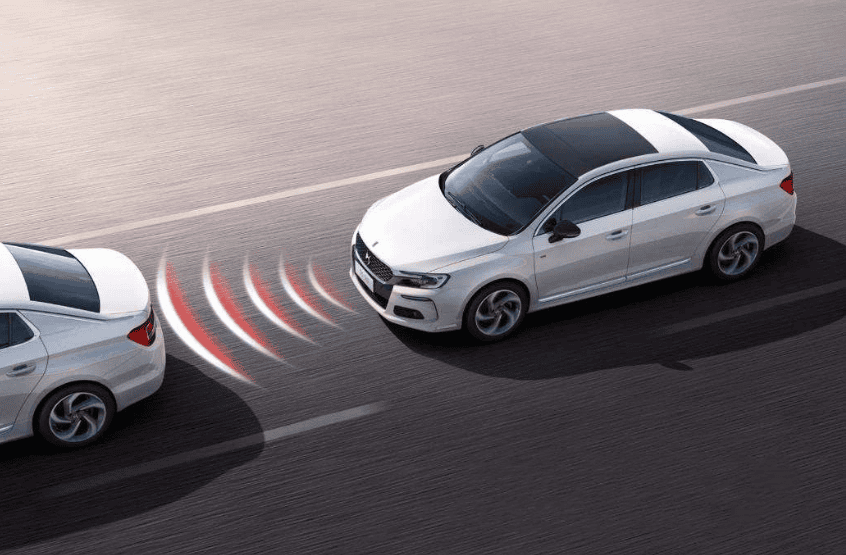
For those of you enthusiastic about automobiles, today at Motor Guide we are going to explain a highly crucial safety system in modern vehicles: the AEB (Automatic Emergency Braking) system. Simply put, this is a system designed to apply a vehicle's brakes much faster than a human driver can, in order to prevent a collision or reduce its severity. As a vehicle owner, you should have a good understanding not just of the engine or transmission, but of advanced technical features like this as well.
What is AEB?
AEB stands for Automatic Emergency Braking. Normally, when we are driving and a vehicle in front suddenly stops, or a pedestrian jumps onto the road, our eyes detect it, send a signal to the brain, and it takes a certain amount of time for our foot to press the brake pedal. However, this AEB system can make a decision and engage the vehicle's brakes much faster than the driver. The most important factor here is the system's ability to control the vehicle's speed and stop it entirely without any intervention from the driver.
How Does This System Work?
This system primarily operates through the combination of three main components: Sensors, a Control Unit, and Actuators.
-
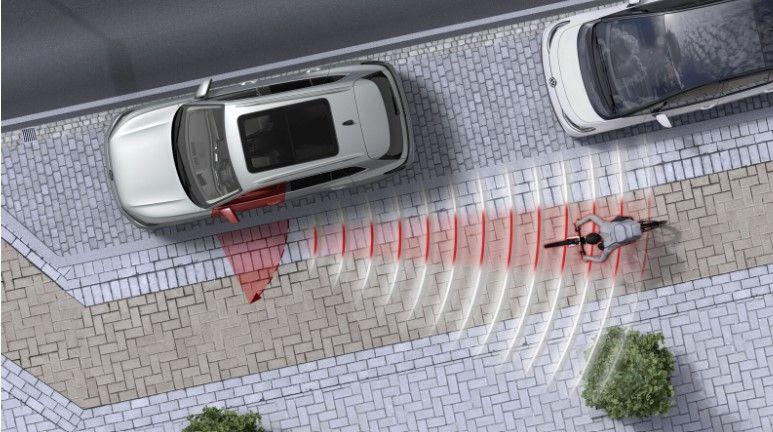
Sensors: A Radar, LiDAR, or camera system is mounted on the vehicle's front grille or at the top of the windshield. These continuously scan the road ahead of the vehicle. They measure the distance to any obstacle in front and the speed at which that obstacle is approaching the vehicle.
- Control Unit (ECU): The data received from the sensors is rapidly analyzed by a computer unit. It calculates the probability of colliding with the vehicle ahead.
- Actuators: If the system identifies an imminent collision, it first warns the driver via an audible alarm or a message on the dashboard. If the driver does not respond, the system autonomously applies maximum braking force through the vehicle's ABS (Anti-lock Braking System) to bring the vehicle to a halt.
The Main Phases of the AEB System
An AEB system in any vehicle operates in a few distinct steps:
- Monitoring: The system constantly monitors the road conditions ahead.
- Warning: If an obstacle is approaching dangerously close, it notifies the driver with a 'beep' sound and visual alerts.
- Braking Support: At this stage, the hydraulic pressure is increased and primed so that the moment the driver touches the brake pedal, maximum braking force is instantly delivered.
- Autonomous Braking: If the driver does absolutely nothing and a crash is imminent, the vehicle applies the brakes by itself. This either completely prevents the accident or, at the very least, minimizes the damage caused.
Types of AEB Systems
Not all AEB systems in every vehicle operate in the exact same way. They can be mainly divided into three categories:
- Low-Speed System: This is specifically designed for roads with heavy city traffic. It helps prevent rear-ending the vehicle in front when traveling at low speeds (usually around 30-50 km/h).
- High-Speed System: This system uses radar technology that can detect vehicles up to 200 meters away while traveling at higher speeds on highways.
- Pedestrian Detection: This is the most advanced system. It can detect not only other vehicles but also pedestrians, animals, and even bicycles crossing the road, and stop the vehicle accordingly.
System Limitations and Maintenance
You must understand that this system does not work 100% of the time. For example, during heavy rain, thick fog, or snowstorms, the sensors might not be able to "see" the road clearly. Similarly, if dirt or mud covers the area where the camera is located, the system may deactivate itself.
Therefore, when servicing or repairing a vehicle, you must ensure that the sensor areas are clean. Most importantly, if you ever replace the windshield, the camera system must be recalibrated. If this is not done, the system might receive incorrect data and apply the brakes unnecessarily, which could easily cause a vehicle behind you to crash into your rear end.
Conclusion
Ultimately, AEB is merely an assist for the driver. A driver cannot sit back and relax, thinking, "The car will stop on its own now." The driver must remain attentive at all times. However, thanks to this technology, the number of road accidents occurring worldwide has dropped significantly. Being knowledgeable about technical systems like this when buying or using a vehicle adds immense value to your expertise as a vehicle owner. Staying updated on your vehicle's safety features will provide great peace of mind for you and everyone else sharing the road.

Written by
Nisaga Sandaru
A versatile and highly experienced professional, currently an Automobile undergraduate at the University of Jaffna, with strong technical expertise grounded in hands-on work as a technician with SriLankan Airlines Ground Support Equipment (GSE). Holding an Automobile NVQ Level 3 qualification, along with specialized certifications in Vehicle ECU Programming and Diagnosis, and extensive experience in arc welding and vehicle body painting, and well equipped to handle complex automotive, diagnostic, and fabrication-related tasks with a high level of competence.