What is Blind Spot Monitoring (BSM)?

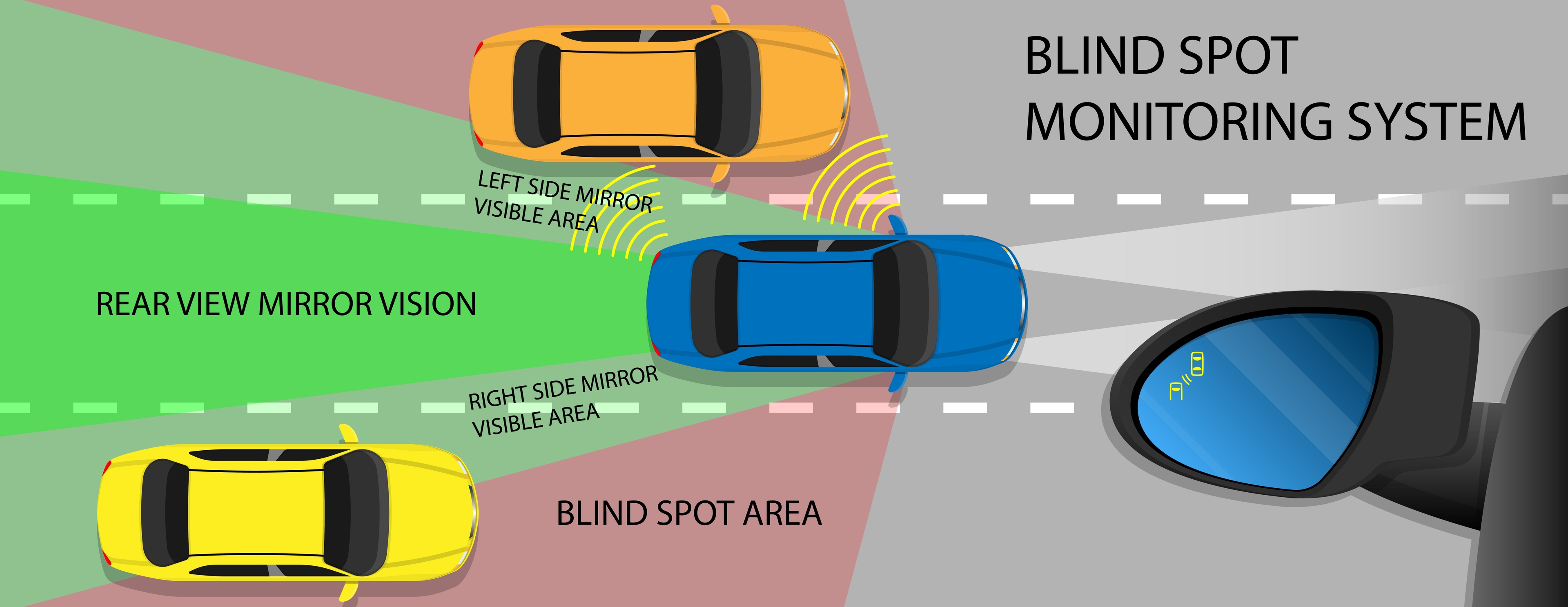
One of the most essential car safety features for modern drivers is Blind Spot Monitoring (BSM), also known as the Blind Spot Detection system. Simply put, when driving, there is a zone alongside your vehicle that cannot be seen through your rear-view or side mirrors. This invisible area is known as the "Blind Spot."
There is a high risk of colliding with a vehicle hidden in this zone when attempting to change lanes. This technology is designed specifically to prevent such accidents and enhance driver safety.
How Does the BSM System Work?
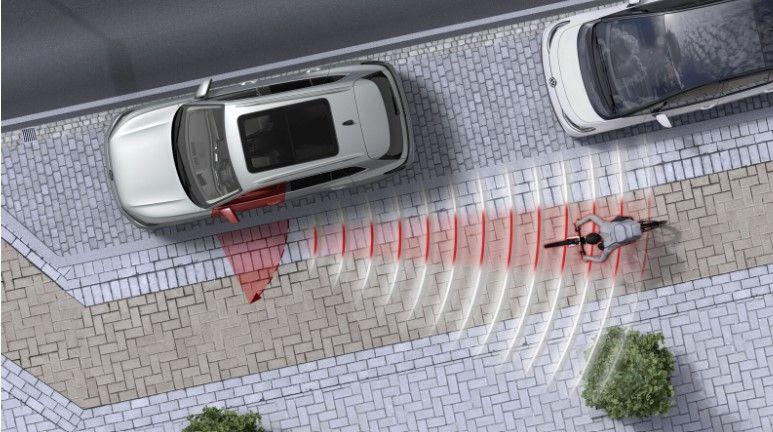
The Blind Spot Monitoring system operates using sensors or radar technology mounted on the vehicle's sides and rear bumper. While the vehicle is in motion, these sensors constantly scan the surrounding environment. If another vehicle or motorcycle enters your vehicle's blind spot, the system instantly detects it.
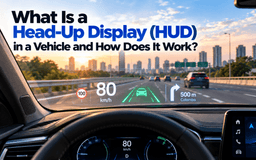
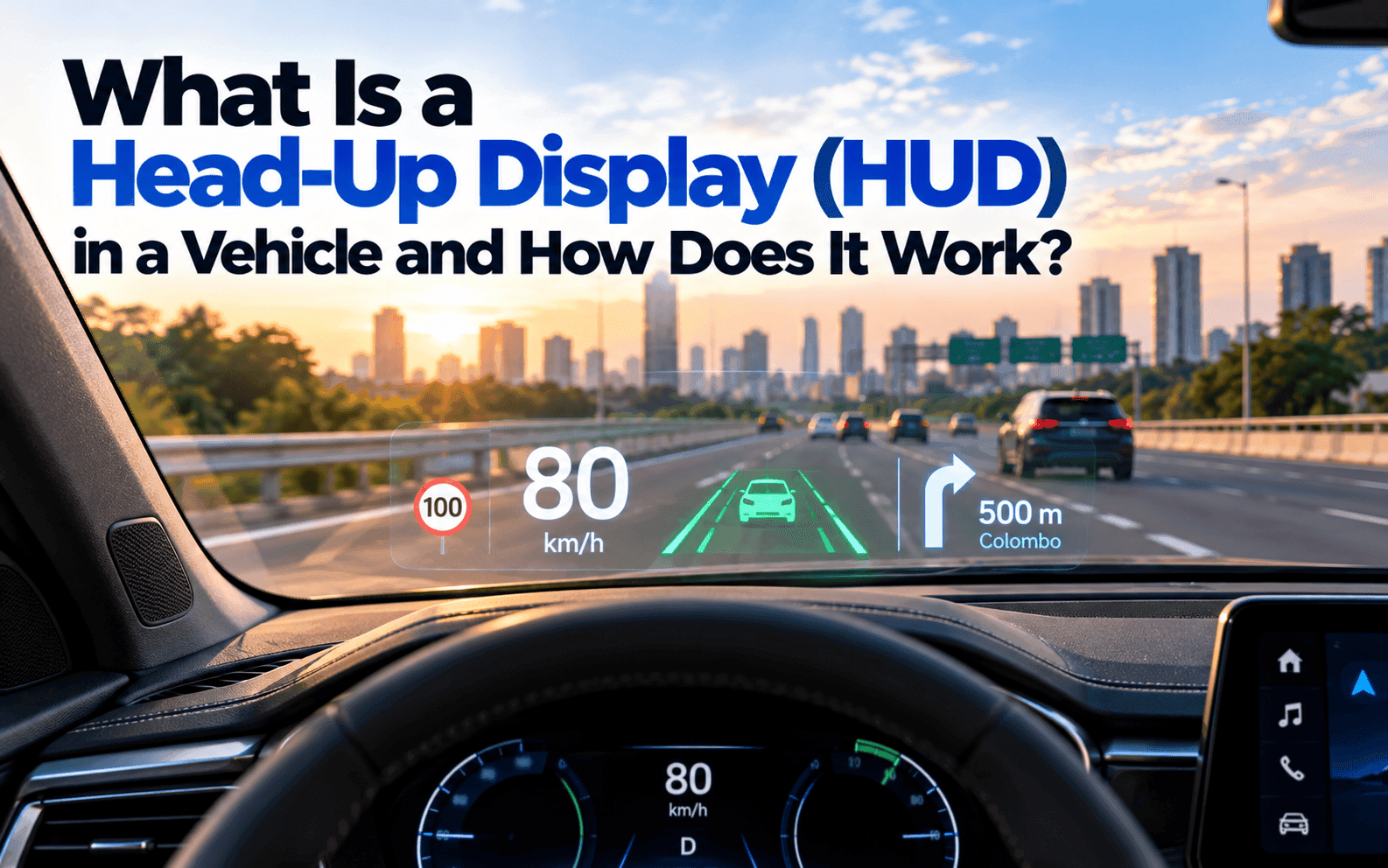
Once a vehicle is detected, the system issues a visual alert to the driver. Usually, this is a small yellow or orange light that illuminates on the side-view mirror. In some vehicles, this alert appears on the Dashboard or the Head-up Display (HUD).
If you activate your turn signal to change lanes while a vehicle is detected in that zone, the light will start to flash, and often, an audible warning (Beep sound) will alert the driver. Advanced active safety systems in modern cars can even apply the brakes or adjust the steering wheel to keep the vehicle safely in its lane, preventing a potential collision. However, remember that this is a driver assistance system; checking mirrors and remaining attentive is still mandatory.
Main Limitations of Blind Spot Monitoring
Although Blind Spot Monitoring is an advanced technology, like any electronic system, it has limitations. Understanding these weaknesses is vital for defensive driving.
- Speed-Based Limitations: In many vehicles, the BSM system only activates above a specific speed (e.g., 10 km/h or 30 km/h). Therefore, it may not function in slow traffic jams or when the vehicle is stationary. Additionally, if a car approaches from behind at an extremely high speed, the sensors may not have enough time to alert you.
- Detection Accuracy: The system is primarily designed to detect larger vehicles like cars, vans, and buses. Sensors may sometimes fail to accurately detect smaller objects like motorcycles, bicycles, or pedestrians. Changing lanes solely because "the light didn't turn on" is dangerous.
- Weather and Environmental Factors: Heavy rain, fog, or snow can obstruct radar waves. During severe weather, the system might malfunction or issue false alerts because sensor waves do not bounce back correctly. Mud or dirt covering the bumper sensors can also reduce sensitivity.
- Road Conditions: BSM may not function correctly on curved roads or hilly terrain. For instance, on a sharp curve, a vehicle behind you might fall outside the sensor's range. Roadside guard rails or walls can also confuse the system, leading to false warnings.
- Lane Width Issues: If a vehicle is driving extremely close or very far within a wide lane, it might not be captured accurately by the radar zone.
Due to these limitations, it is always emphasized that BSM is only an assistant. As a responsible driver, you should never neglect checking your mirrors and performing a shoulder check before changing lanes.

Written by
Nisaga Sandaru
A versatile and highly experienced professional, currently an Automobile undergraduate at the University of Jaffna, with strong technical expertise grounded in hands-on work as a technician with SriLankan Airlines Ground Support Equipment (GSE). Holding an Automobile NVQ Level 3 qualification, along with specialized certifications in Vehicle ECU Programming and Diagnosis, and extensive experience in arc welding and vehicle body painting, and well equipped to handle complex automotive, diagnostic, and fabrication-related tasks with a high level of competence.