Basic Parts of a Car and Their Functions

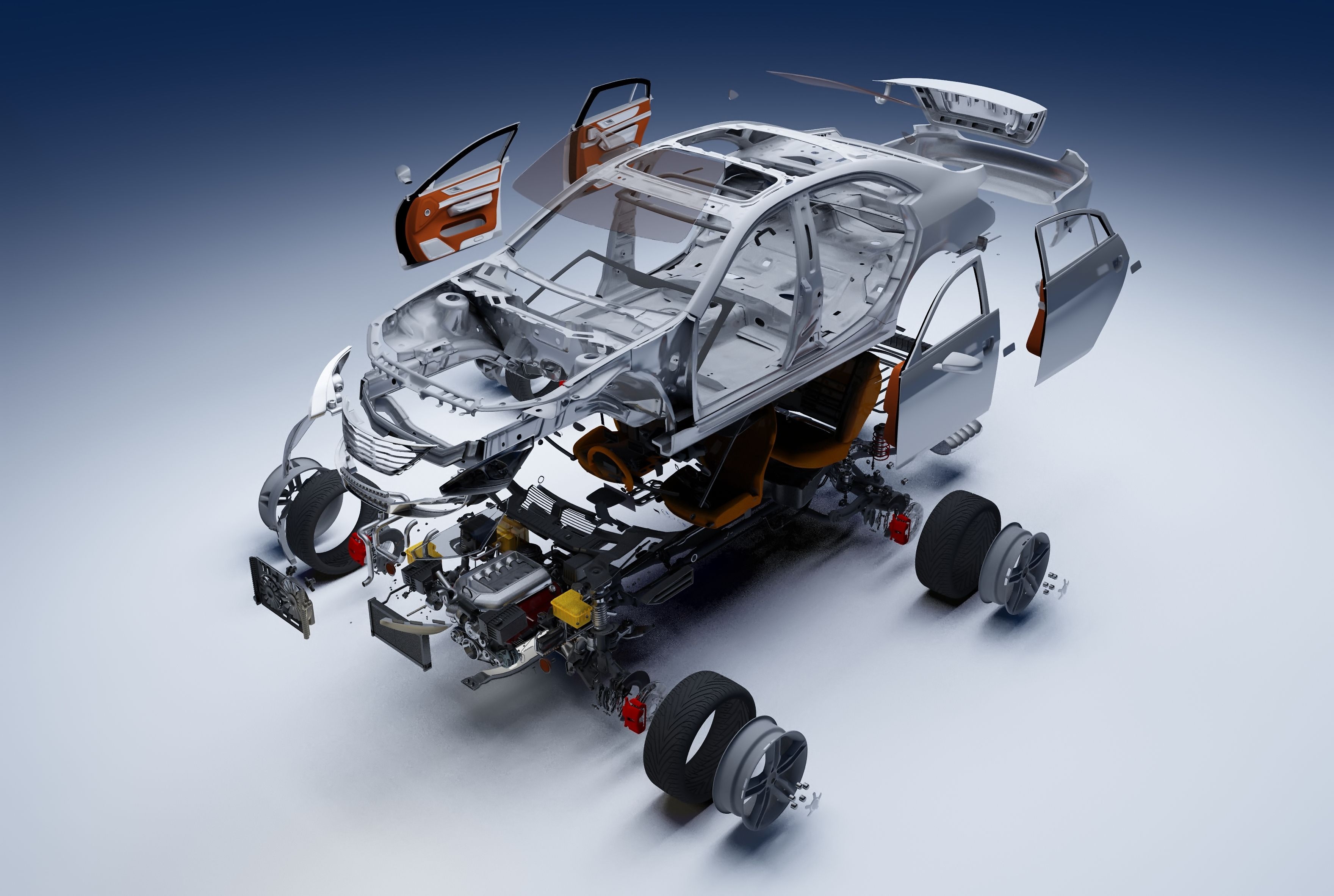
Have you ever been asked, “How does a car work?” Most of us drive daily but don’t fully understand the basic car parts and their functions. As someone planning to buy a vehicle, it’s important to know the essential components that keep it running. Today, MotorGuide explains the basic parts of a car and how they function.
What Are the Basic Parts of a Vehicle?
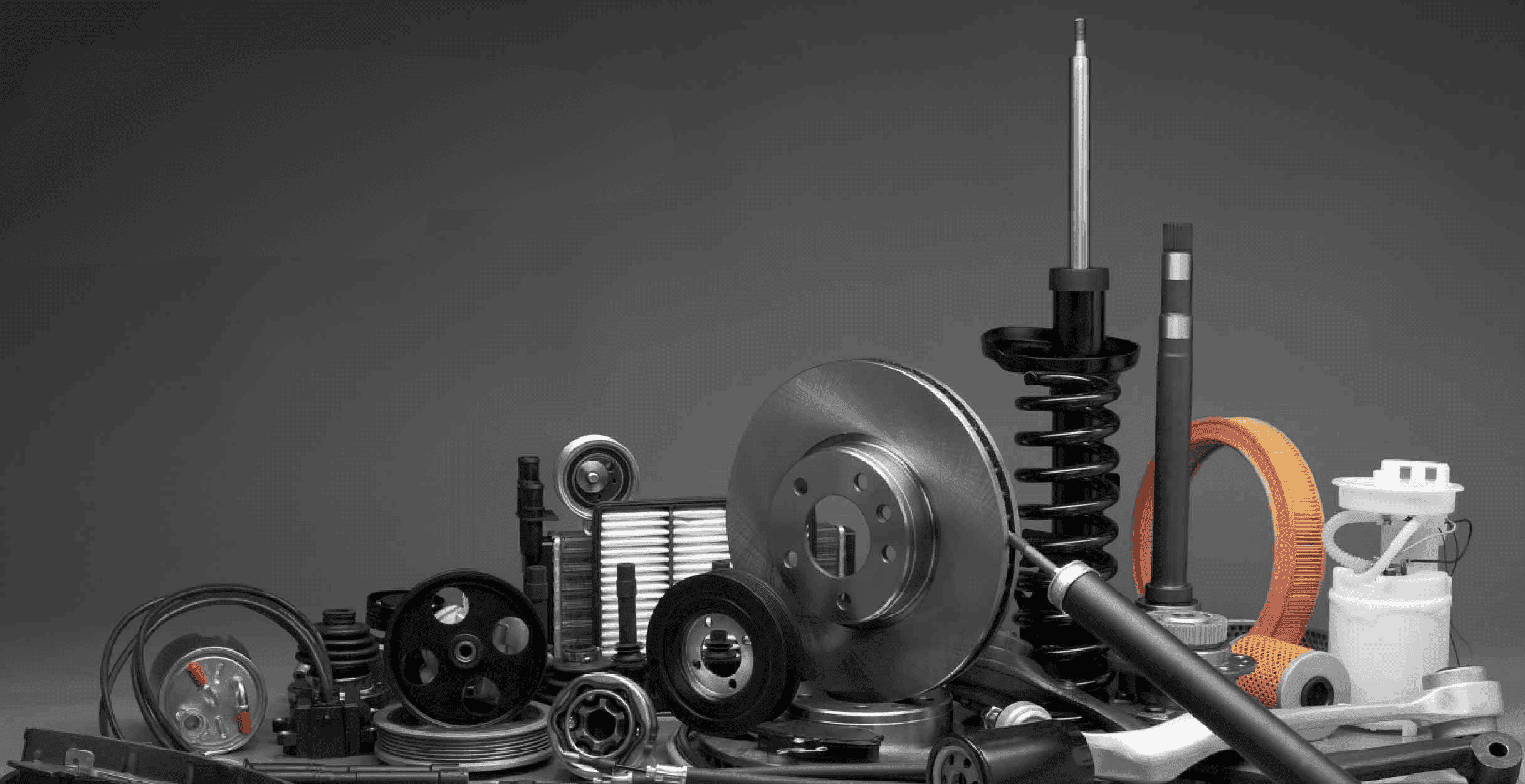
No matter how stylish a car looks from the outside, it is essentially a machine made up of carefully designed components. These parts work together to ensure smooth performance. Here are some of the key components:
- Radiator
- AC Compressor
- Battery
- Alternator
- Axle
- Brakes
- Shock Absorbers (Shocks & Struts)
- Transmission
- Catalytic Converter
- Muffler
- Tailpipe
- Fuel Tank
Functions of the Basic Car Parts
Each of these parts plays a crucial role in how a vehicle operates. Let’s go through them one by one.
Radiator
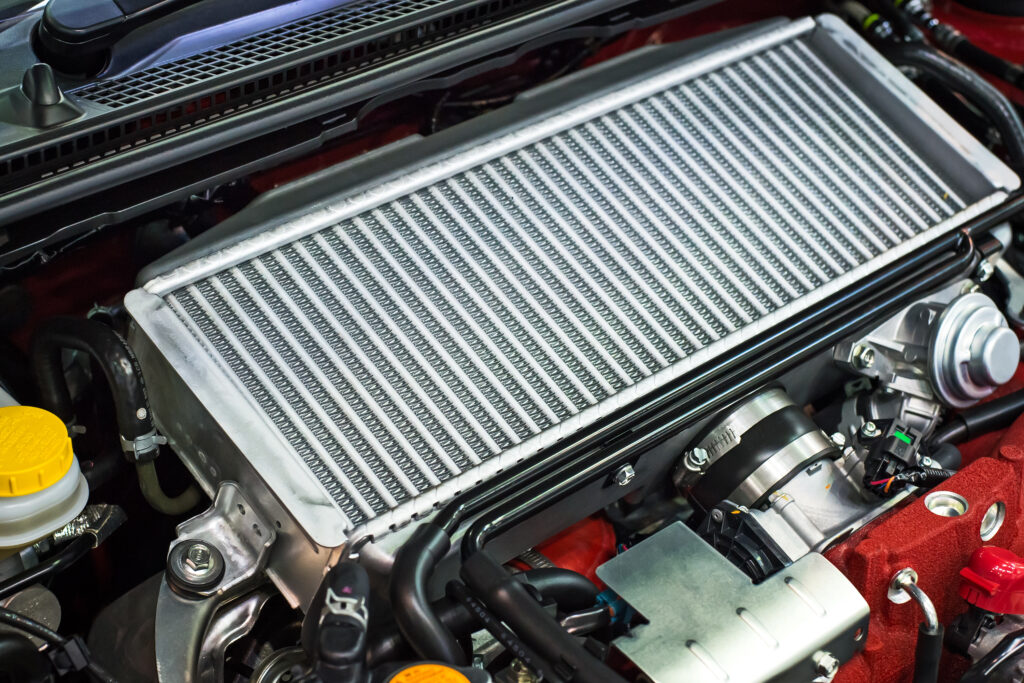
The radiator prevents engine overheating by cooling down the hot coolant. The heated fluid passes through the radiator, where it releases heat to the surrounding air. To maintain it, check coolant levels at least twice a year.
AC Compressor

The AC compressor is the heart of your car’s air conditioning system. It pumps refrigerant through the system and enables the cooling process. Without it, your AC won’t function.
Battery
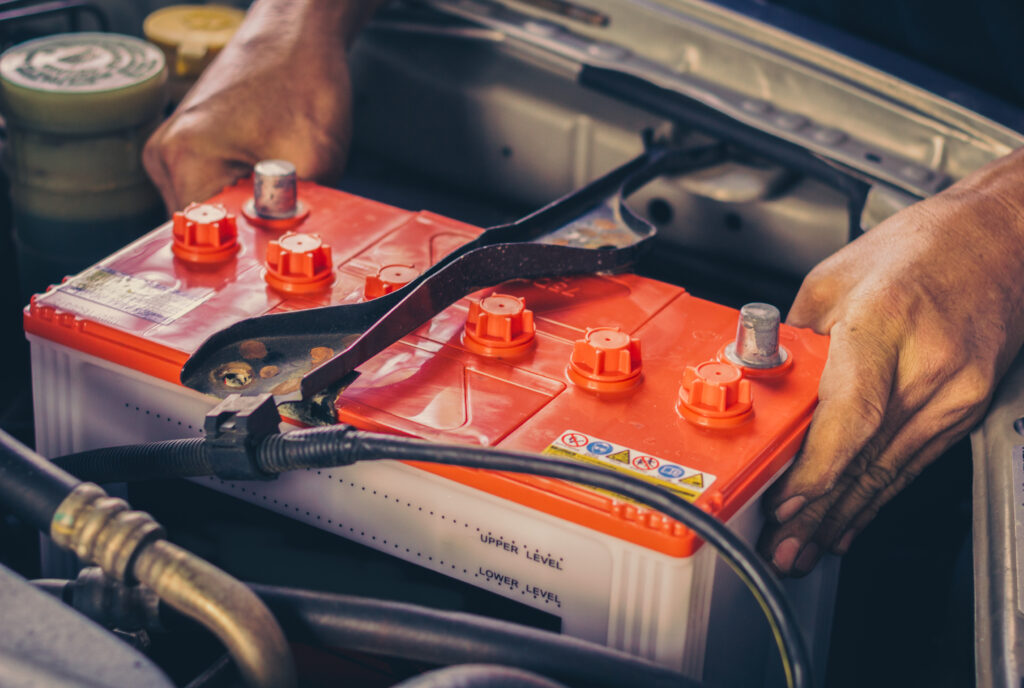
The car battery stores chemical energy and releases it as electricity to power the vehicle’s electrical systems, such as lights, ignition, and infotainment. A healthy battery is essential for starting your car.
Alternator

The alternator generates electrical energy from mechanical movement. It powers the car’s electrical systems while driving and recharges the battery. A faulty alternator may cause battery swelling or charging issues.
Axle

The axle connects the wheels and transmits power from the engine via the transmission and differential. Without the axle, the wheels cannot rotate and move the car.
Brakes
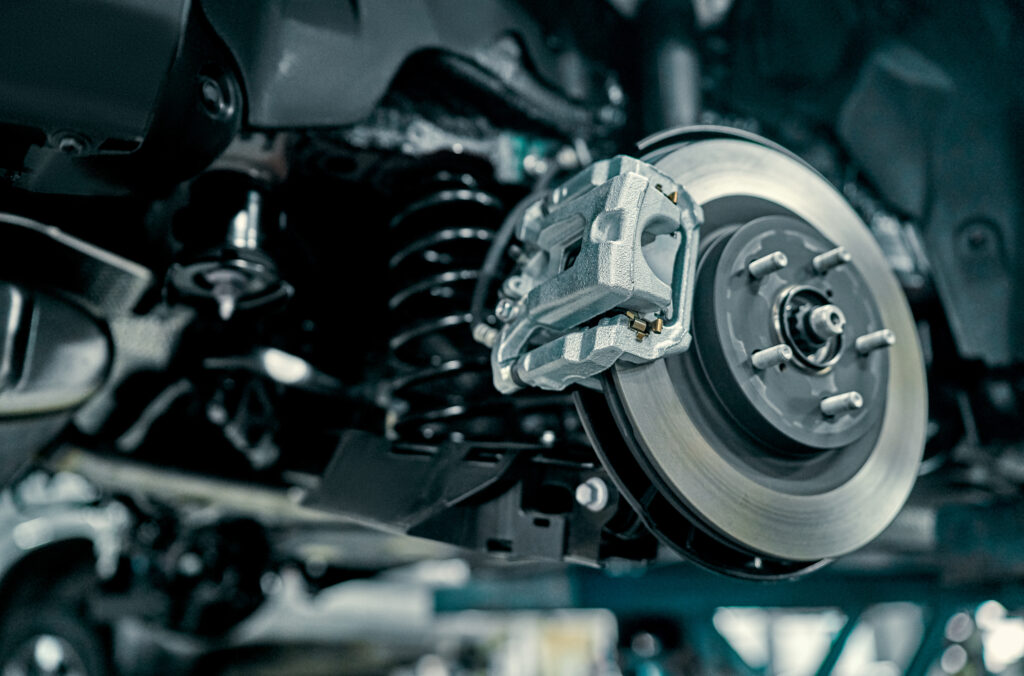
The brake system allows you to slow down, stop, or hold the vehicle in place. Cars use two main types of brakes: disc brakes and drum brakes.
Brake Caliper

The caliper is part of the disc brake system. It uses hydraulic pressure to press the brake pads against the rotor, slowing or stopping the vehicle.
Brake Pad

Brake pads are the friction material that contacts the rotor when braking. Worn-out brake pads reduce stopping power and must be replaced regularly for safe driving.
Shock Absorbers (Shocks & Struts)
Shock absorbers stabilize the ride, reduce vibrations, and keep the tires in contact with the road. This ensures safety and comfort while driving.
Transmission
The transmission transfers power from the engine to the wheels and allows the vehicle to shift gears. It determines speed and torque balance while driving.
Catalytic Converter
The catalytic converter reduces harmful emissions by converting toxic gases into less harmful ones before they leave the exhaust system.
Muffler
The muffler reduces engine noise from the exhaust system, ensuring smoother and quieter operation.
Tailpipe
The tailpipe is the final exit point of exhaust gases. It directs fumes away from the vehicle safely.
Fuel Tank
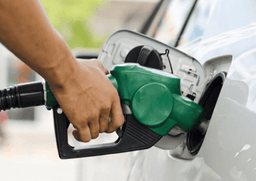
The fuel tank stores the fuel that powers your car. It connects to the fuel pump, which delivers fuel to the engine for combustion.
Understanding the basic car parts and their functions is essential for anyone who owns or plans to buy a vehicle. By knowing what each component does, you can take better care of your car, troubleshoot problems faster, and ensure a safer driving experience.

Written by
Nipuna Marasinghe