How to Check Your Engine Health via Spark Plugs

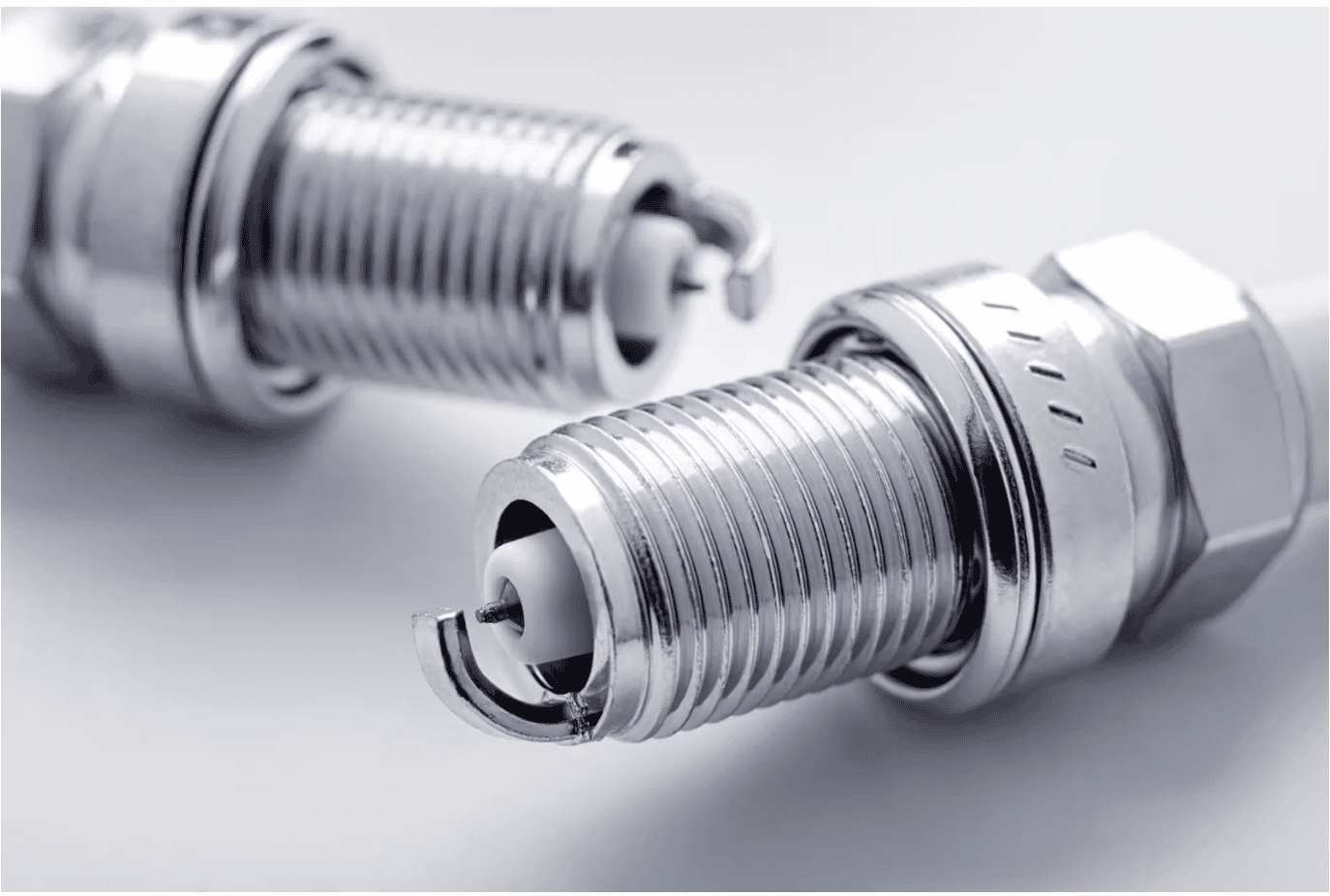
For a bike rider, the easiest and best way to understand what is happening inside the vehicle's engine is by removing and inspecting the "Spark Plug." Just as a doctor looks at a patient's tongue to diagnose an illness, a mechanic can tell you almost everything about your engine condition spark plug appearance. Today at Motor Guide, we will teach you how to identify engine problems by looking at the color of the plug.
1. Tan or Greyish-White (Normal Condition)
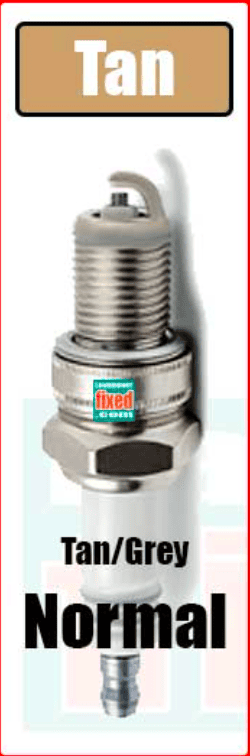
If you remove the plug and the insulator nose appears light tan or greyish-white, you are very lucky. This indicates that your bike's engine is in great condition. The air-fuel mixture is at the correct ratio, the plug is operating at the right temperature range, and combustion is happening efficiently inside the engine. There is no need to worry; just continue with your regular maintenance.
2. Dry Black Soot (Carbon Fouling)
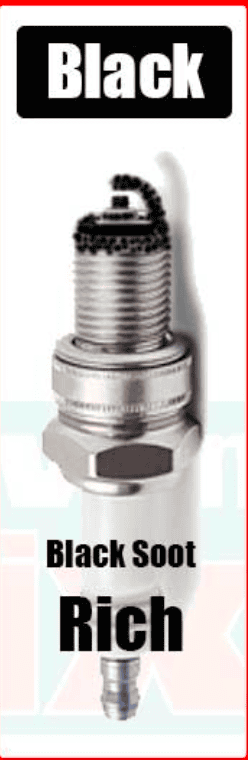
In any spark plug diagnosis guide, this is a common issue. If the firing end is covered in dry, black, soot-like powder, it indicates a "Rich Mixture." This means the engine is burning too much petrol without enough air. The cause could be a clogged Air Filter or an issue with the carburetor/injector. This results in poor fuel economy and can easily cause the plug to short out.
3. Wet Oily Black (Oil Fouling)
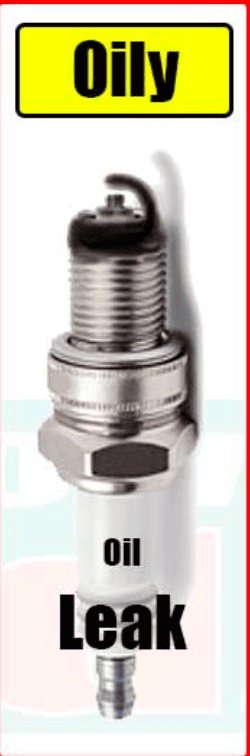
This indicates a more serious situation. If the plug is black with a wet, oily coating, it means Engine Oil is leaking into the Combustion Chamber. This usually happens due to worn Piston Rings or bad Valve Seals. In this scenario, you will likely see white/blue smoke coming from the silencer. This condition requires an immediate engine repair.
4. Ashy White or Blistered (Overheating)
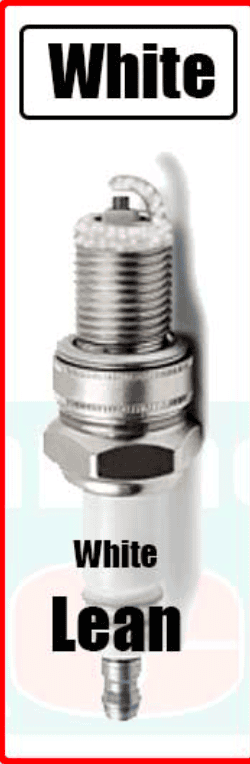
If the plug tip is stark white and you see small blisters on the insulator, it means the engine is Overheating. This spark plug color meaning usually points to a "Lean Mixture" (not enough fuel, too much air). Alternatively, you might be using a "Hot Plug" that holds too much heat and isn't suitable for your bike. If this condition continues, the piston can melt, potentially causing the engine to seize.
5. Worn Out or Melted Electrodes
If the center wire (Electrode) is worn down, short, or looks melted, the spark plug has reached the end of its life. This happens when a plug is used for a long time without being changed. This leads to hard starting and misfiring. Ensure you replace the plug after the recommended mileage.
Motor Guide Advice: never just replace the plug and stop there when you see a problem. Always find the Root Cause of why the color changed. Tasks like cleaning the air filter and tuning the carburetor on time will protect both your spark plug and your engine.

Written by
Nisaga Sandaru
A versatile and highly experienced professional, currently an Automobile undergraduate at the University of Jaffna, with strong technical expertise grounded in hands-on work as a technician with SriLankan Airlines Ground Support Equipment (GSE). Holding an Automobile NVQ Level 3 qualification, along with specialized certifications in Vehicle ECU Programming and Diagnosis, and extensive experience in arc welding and vehicle body painting, and well equipped to handle complex automotive, diagnostic, and fabrication-related tasks with a high level of competence.