The Function of EGR

EGR is an amazing process that happens inside your vehicle's engine. So, at Motor Guide, we thought of discussing the service rendered by EGR (Exhaust Gas Recirculation).
Now let's see what actually happens in an EGR system.
What is EGR?
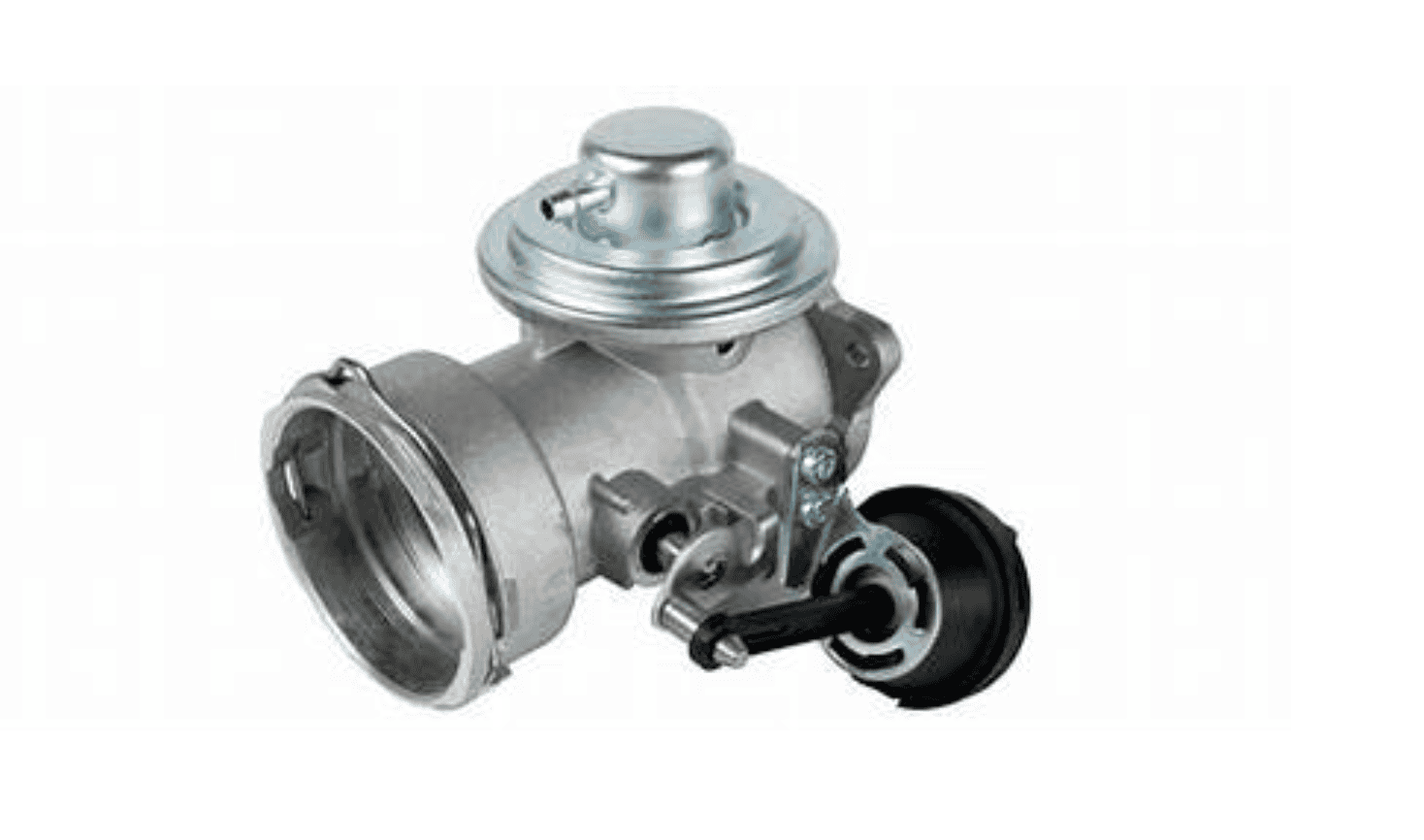
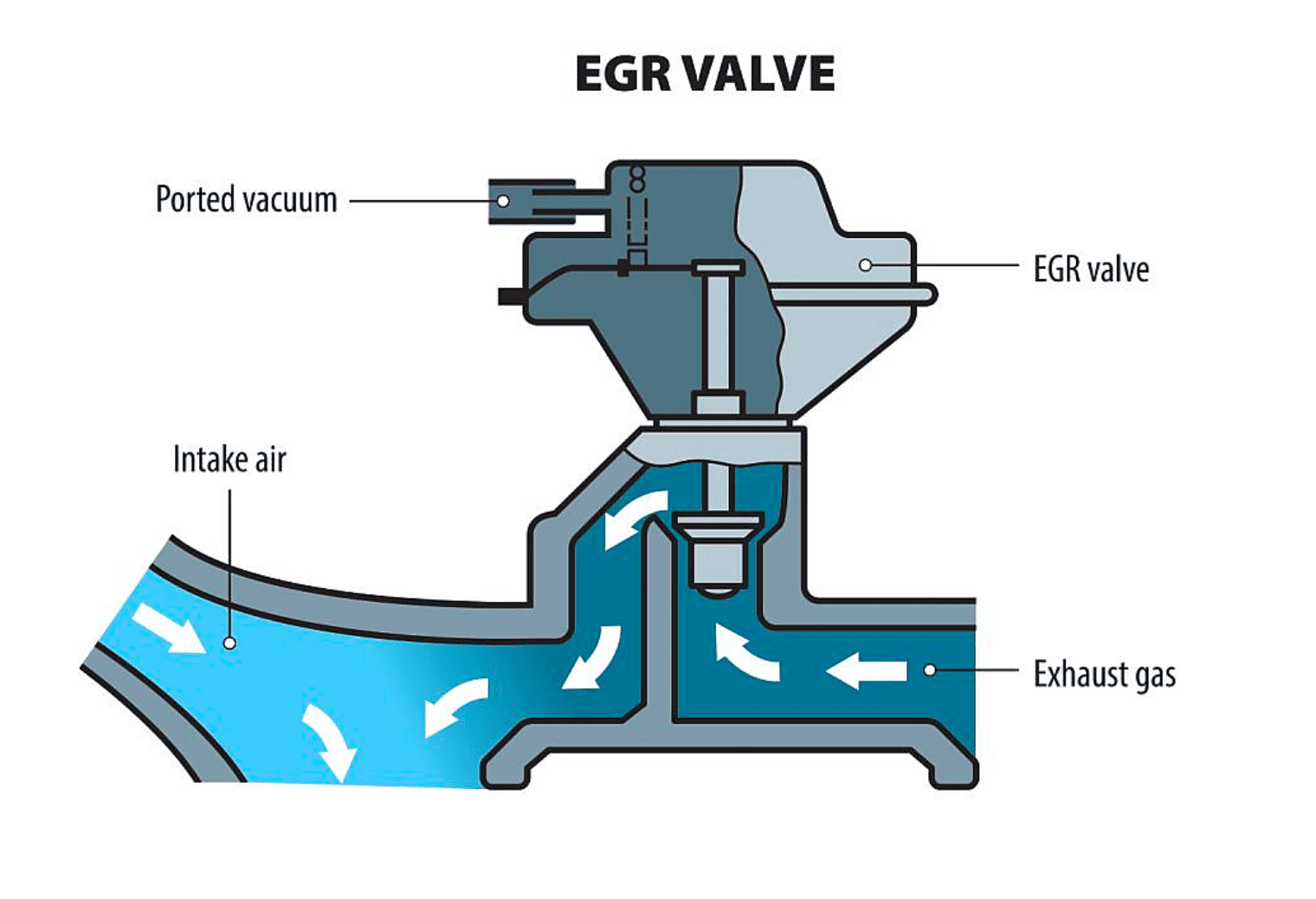
EGR is the abbreviation for Exhaust Gas Recirculation. Simply put, it is the process of sending a small amount of exhaust gas exiting the engine back into the engine, specifically into the Combustion Chamber. This is like a method of recycling. An EGR Valve is used for this purpose.
The Main Service Performed by EGR
The primary function of the EGR system is to minimize environmental pollution caused by gases emitted from the vehicle. Specifically, it directly contributes to reducing the emission of Nitrogen Oxides (NOx).
Why are Nitrogen Oxides Formed?
When fuel burns inside the engine, the temperature in the chamber rises to a very high level (over 1370°C). Due to this excessive heat, the Nitrogen and Oxygen in the air combine to form harmful gases like Nitrogen Oxides. These are very detrimental to the environment and our health.
How Does the EGR Work?
When some of the exhaust gas is sent back into the engine, since that smoke consists of gases that have already been burned, it does not burn again. Instead, this inert gas helps to reduce the temperature inside the combustion chamber. When the combustion temperature drops, the formation of harmful gases like Nitrogen Oxides naturally decreases significantly.
Other Benefits and Functionality
In addition to reducing pollution, EGR performs a few other tasks.
- Fuel Efficiency: In some situations (under low to medium load conditions), EGR improves the combustion process and helps to slightly increase fuel efficiency.
- Preventing Engine Knocking: By lowering the combustion temperature, EGR also helps control premature combustion (Knocking) that can occur at high temperatures.
Limitations and Maintenance
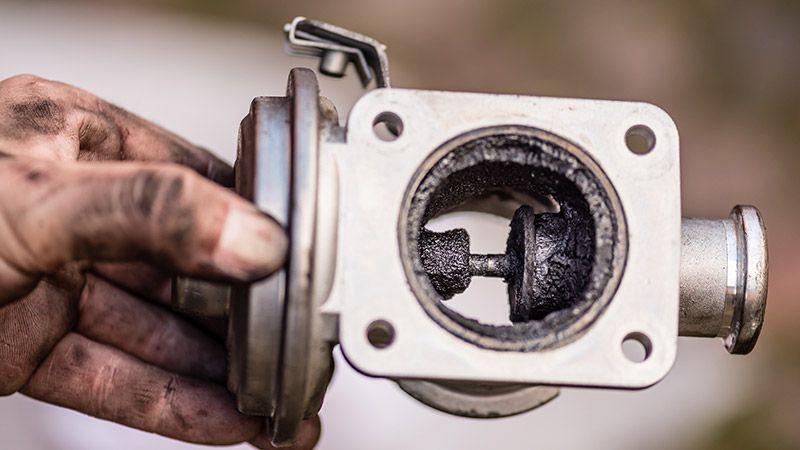
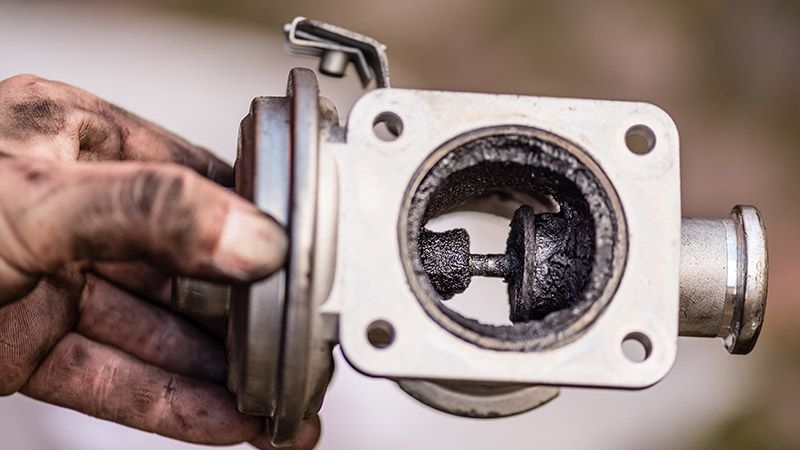
The EGR Valve, a very important component of the EGR system, can get clogged with Carbon Deposits over time. If the valve gets blocked like that, the exhaust gas is not sent back to the engine properly, and the aforementioned benefits are lost. As a result, reduced engine performance, increased fuel consumption, and increased Nitrogen Oxide emissions can occur. Therefore, it is very important to check and clean the EGR system periodically.
In summary, the EGR system is a part that performs a very valuable service, essential for protecting the environment and controlling the engine's combustion process.
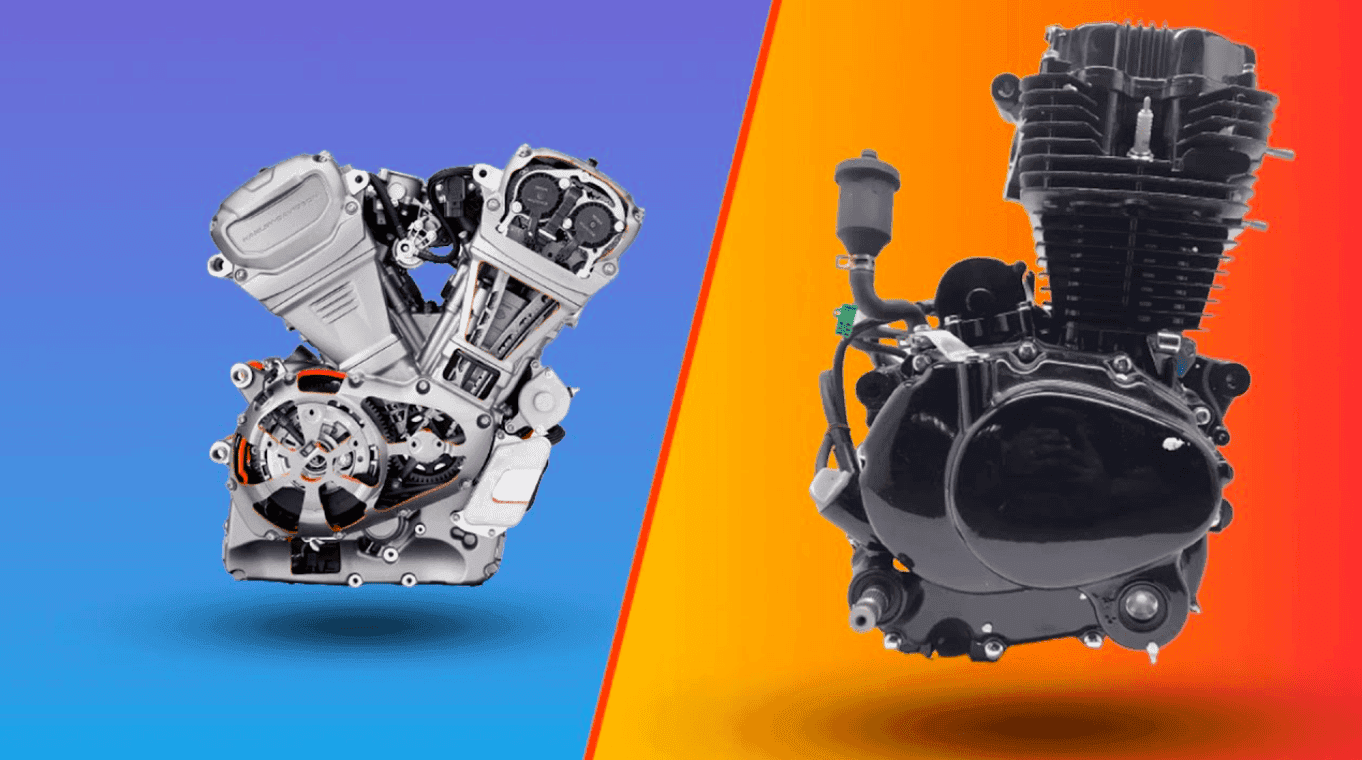
Difference in EGR Operation in Petrol and Diesel Engines
Although the primary goal of the EGR system is to reduce Nitrogen Oxides, it behaves differently according to the combustion process of each engine type.
EGR System in a Petrol Engine
A petrol engine operates by initiating combustion with a spark plug.
- Here, reducing Nitrogen Oxide emissions is done by lowering the combustion temperature.
- In petrol engines, the fuel-air mixture is controlled by the Throttle Valve. At high speeds, when the throttle is partially closed, a "Pumping Loss" occurs due to the air entering the engine.
- When EGR introduces some exhaust gas, the total volume of gas entering the engine increases, allowing the throttle to open a bit more. This reduces Pumping Loss and slightly increases Fuel Efficiency.
EGR System in a Diesel Engine
In a diesel engine, combustion occurs because air is heated under high pressure and diesel is sprayed onto it (Compression Ignition), so it does not have a throttle.
- Here, reducing Nitrogen Oxide emissions is done by lowering the combustion temperature.
- When using EGR in diesel engines, especially in modern engines, the exhaust gas entering the engine has to be cooled first. An EGR Cooler is used for this. Due to the nature of diesel engines, properly cooling the gas introduced by EGR can efficiently reduce emissions further.
Also, diesel exhaust gases have relatively more Soot (Particulate Matter - PM) particles. Because of this, the risk of diesel EGR systems getting clogged with carbon deposits is higher than in petrol engines. For this reason, the EGR system in modern diesel vehicles often works closely with other pollution control systems like the DPF (Diesel Particulate Filter).
Accordingly, EGR is an important system that operates differently depending on the type of vehicle and performs a great service for the environment.

Written by
Nisaga Sandaru
A versatile and highly experienced professional, currently an Automobile undergraduate at the University of Jaffna, with strong technical expertise grounded in hands-on work as a technician with SriLankan Airlines Ground Support Equipment (GSE). Holding an Automobile NVQ Level 3 qualification, along with specialized certifications in Vehicle ECU Programming and Diagnosis, and extensive experience in arc welding and vehicle body painting, and well equipped to handle complex automotive, diagnostic, and fabrication-related tasks with a high level of competence.