Difference Between Genuine Parts and Duplicate Parts

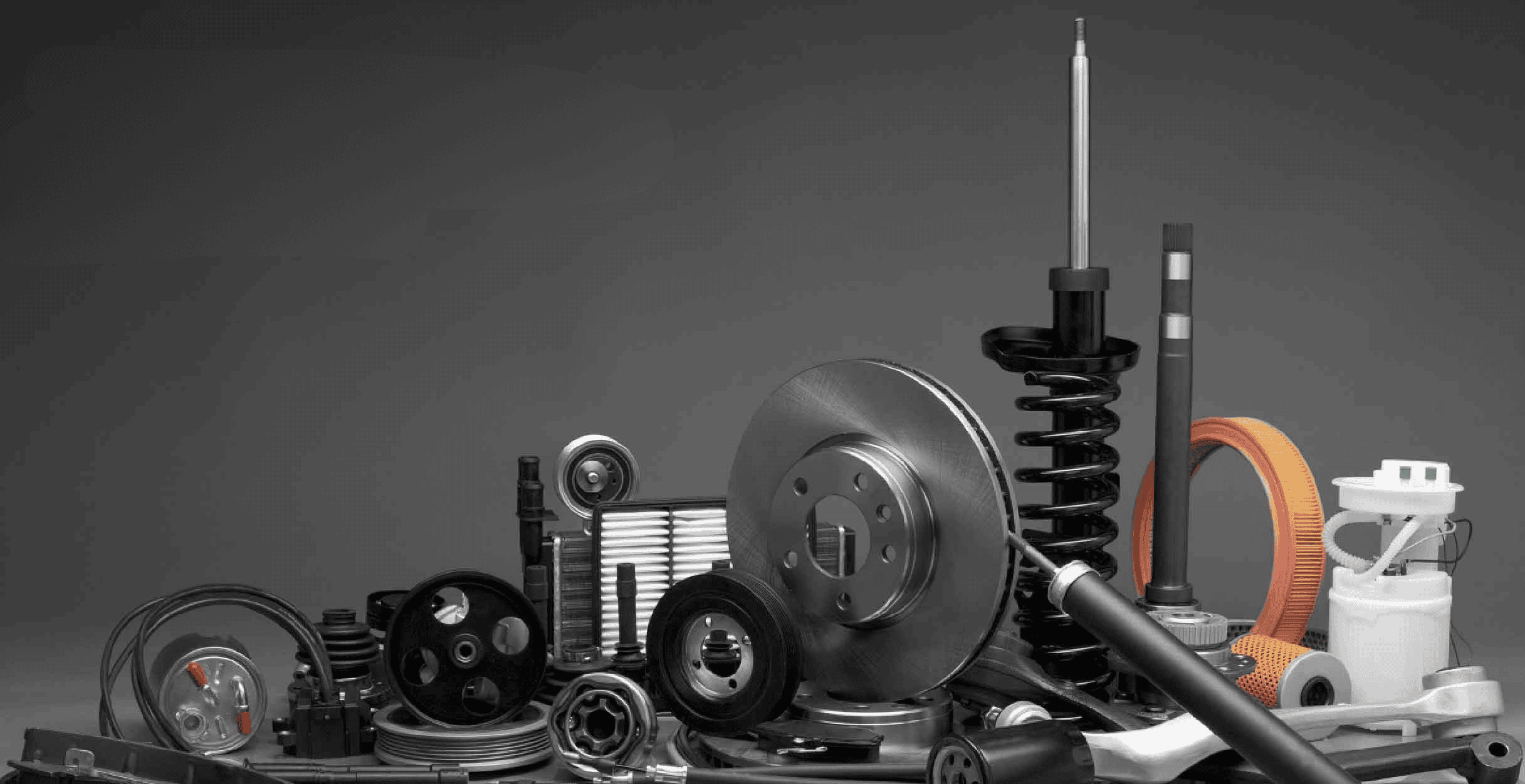
One of the biggest dilemmas for any vehicle owner when buying spare parts is choosing between Genuine and Duplicate parts. We have seen countless instances where people try to save money and end up in trouble. At Motor Guide, let us explain the real difference between these two in simple terms.
What are Genuine Parts?
Genuine Parts are parts approved by the vehicle manufacturer (e.g., Toyota, Nissan, Honda) and designed specifically for that vehicle. These usually come in a box with the manufacturer's Logo. The specialty of these parts is that they maintain the same standard as the parts originally installed when the vehicle left the factory. Furthermore, they come with a Warranty from the manufacturer.
What are Duplicate Parts?
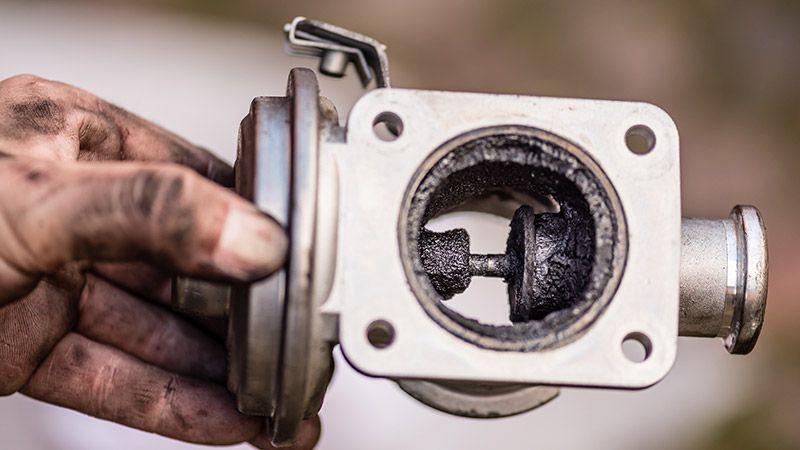
Duplicate or "Fake" parts are those made by other companies imitating the shape and appearance of Genuine parts. These are often made to look similar on the outside, without considering the internal metal strength or technology. Their price is very low, but they lack standards or reliability. Often, even the "Made in" country label on these might be fake.
Key Differences Between the Two
- Durability: If a Genuine part lasts for 5 years, a Duplicate part might break in about 6 months. Genuine parts are made from high-quality raw materials.
- Precision Fitting: When installing a Genuine part, it fits the vehicle perfectly. However, a Duplicate part might be loose or too tight. This can damage other parts of the vehicle.
- Safety: This is the most important factor. If you use Duplicate parts for critical components like Brake Pads, the braking system might fail in an emergency. This is a life risk.
- Cost: Although a Duplicate part looks cheaper initially, you have to replace it frequently because it breaks quickly. Ultimately, installing a Genuine part is more cost-effective.
Advice: If you use your vehicle to travel safely with your family, never go for Duplicate parts. Especially for Engine parts, Braking systems, and Suspension, make sure to use Genuine Parts. Installing a Duplicate part can affect other good parts and reduce the vehicle's value. Think about the vehicle's longevity and your safety, not just the profit.
How to Identify the Difference?
When trying to distinguish between the two, pay attention to the following details:
1. Packaging & Labeling
The box of a Genuine part has a very high-quality finish. The Part Number, Barcode, and Hologram stickers on the label should be very clear. If the letters are faded or crooked, or if the print on the box looks low quality, it is definitely a Duplicate.
2. Build Quality
Take the part into your hand and check its weight and Finishing.
- Metal Parts: Genuine ones have a very smooth surface and the correct weight. Duplicate ones may show casting marks and rough edges.
- Rubber Parts: A Genuine rubber bush or belt is flexible and does not tear easily. Duplicate ones are very hard and tend to crack quickly over time.
3. Markings on the Part
Most of the time, the manufacturer's name (e.g., TOYOTA) or the Part Number is Embossed/Engraved on the Genuine part itself. A Duplicate often only has a sticker or no markings at all.
4. Abnormal Price Gap
If the shopkeeper offers you a "Genuine" part at a price 50% lower than the price at other main authorized dealers, there is a problem. Remember, there are no "Cheap Genuine" parts anywhere in the world.
5. Checking the Part Number
Everyone has a smartphone these days. Google the Part Number on the box. The image that appears online and the part in your hand must match 100%. If there is even a small difference, do not buy it.
Tip: Get used to buying parts only from a trusted, well-known Agent or an authorized dealer. Then you won't have to worry about doing these checks.

Written by
Nisaga Sandaru
A versatile and highly experienced professional, currently an Automobile undergraduate at the University of Jaffna, with strong technical expertise grounded in hands-on work as a technician with SriLankan Airlines Ground Support Equipment (GSE). Holding an Automobile NVQ Level 3 qualification, along with specialized certifications in Vehicle ECU Programming and Diagnosis, and extensive experience in arc welding and vehicle body painting, and well equipped to handle complex automotive, diagnostic, and fabrication-related tasks with a high level of competence.