Mild Hybrid vs. Micro Hybrid: What is the Real Difference?

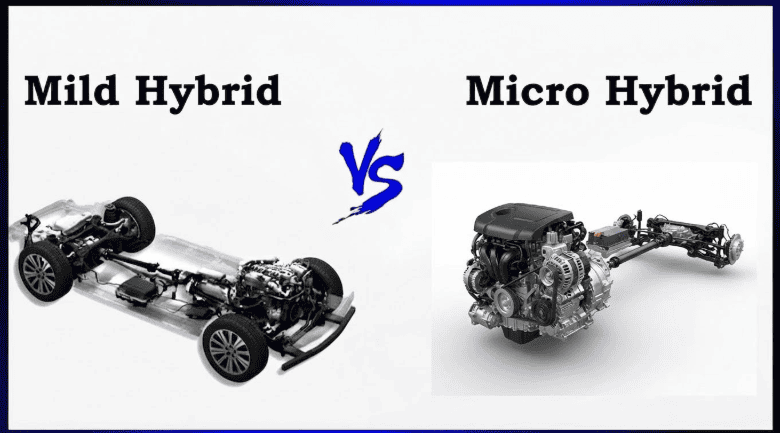
Today at Motor Guide, we are breaking down a highly discussed topic that confuses many in the automotive world: the actual technical difference between Mild Hybrid and Micro Hybrid vehicles. Since a large portion of modern vehicles come equipped with one of these systems, understanding them is crucial before making a purchase.
What is a Micro Hybrid?
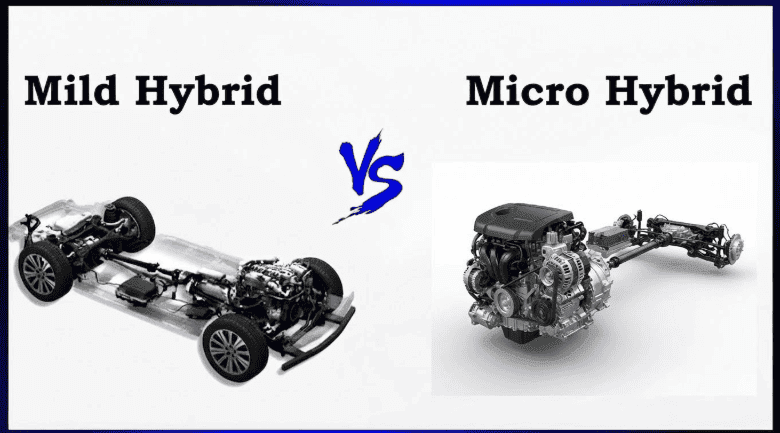
Simply put, a Micro Hybrid is merely a conventional petrol or diesel vehicle equipped with a specific advanced feature. Unlike standard hybrids, it does not have a main electric motor that actually drives the wheels. Its primary defining feature is the Idling Stop-Start system. When you stop in traffic or at a color light, the engine automatically shuts off, and the moment you press the clutch or release the brake, it instantly restarts. This prevents unnecessary idling and saves fuel.
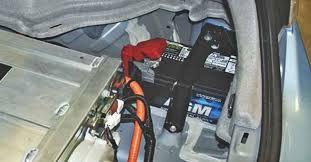
As industry professionals, we often see marketing campaigns attempting to sell Micro Hybrids under the general "hybrid" umbrella. However, technically, a Micro Hybrid has zero capability to move the vehicle forward using electric power alone. It simply utilizes an Enhanced Starter Motor or a Belt-driven Starter Generator (BSG) alongside a specialized small Lead-acid or AGM battery purely for the restart mechanism.

What is a Mild Hybrid?
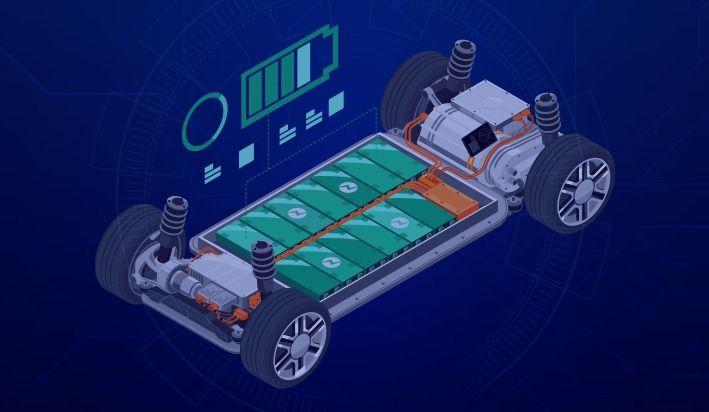
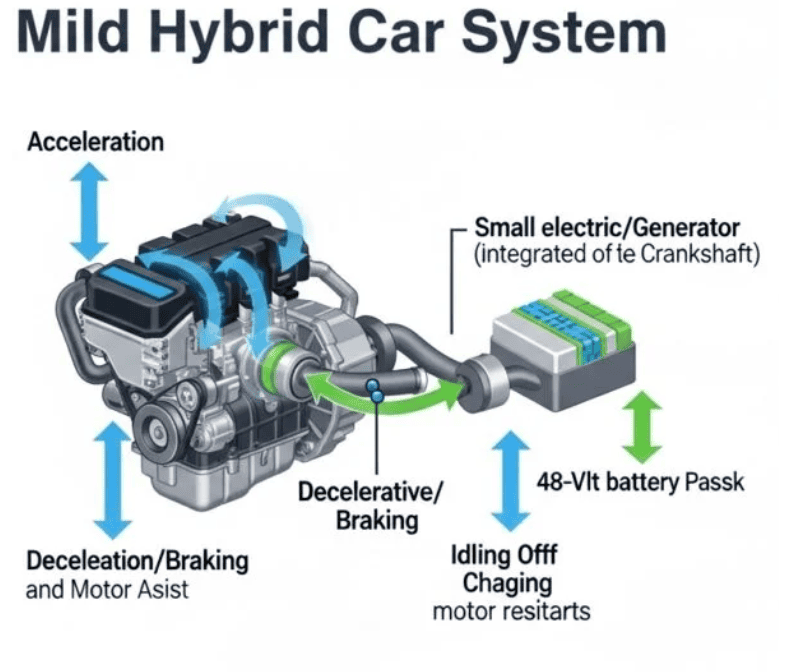
A Mild Hybrid is a much more advanced and complex step up from the micro hybrid. Here, a 48V electrical system is added alongside the vehicle's standard 12V system. This is where the real difference begins. The electric motor used here (often called an Integrated Starter Generator - ISG) is significantly more powerful. During acceleration, this motor directly assists the engine by providing extra torque, drastically reducing the mechanical load on the engine.
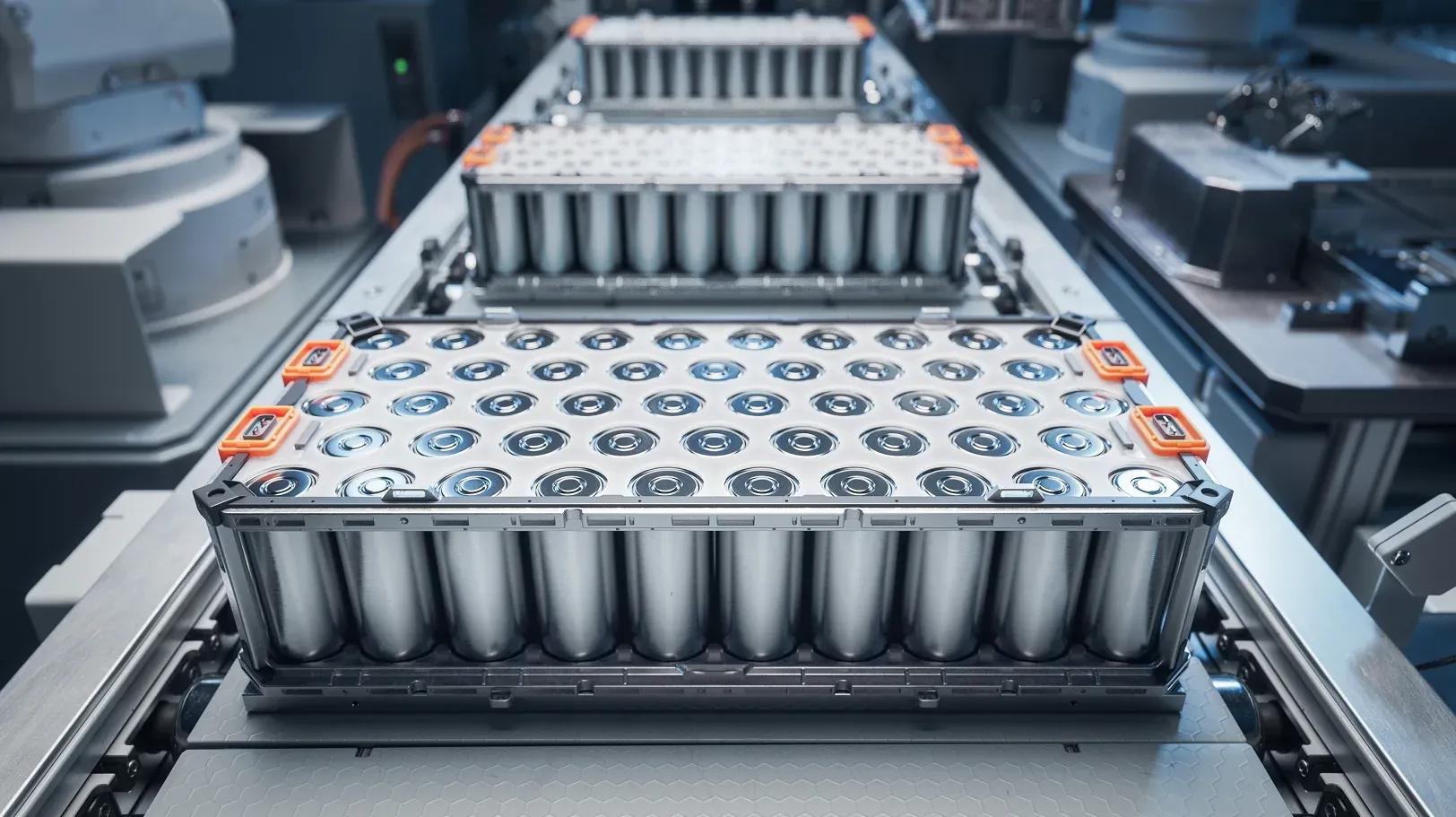
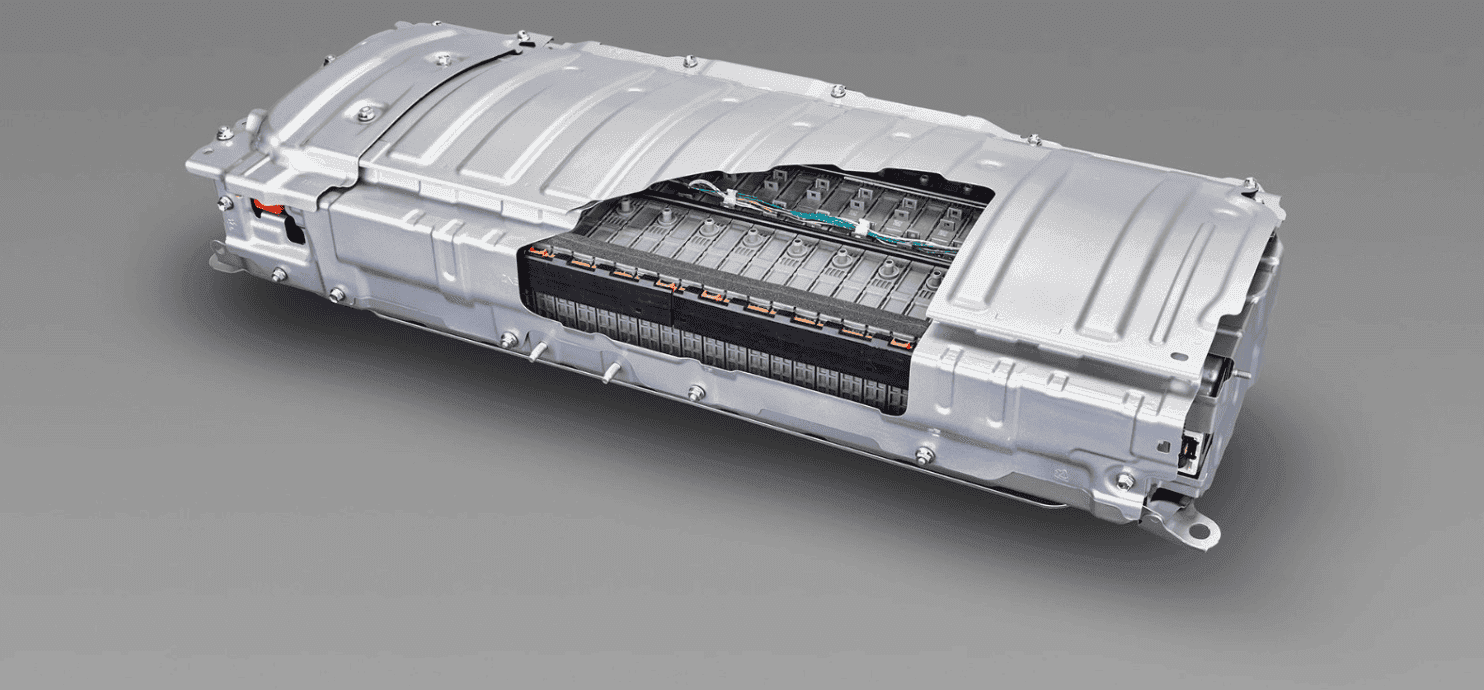
This process noticeably reduces the amount of fuel required for combustion. Furthermore, the Mild Hybrid system utilizes Regenerative Braking to capture the kinetic energy normally lost during braking, converting it into electricity and storing it in a dedicated Lithium-ion battery. While it still cannot drive the vehicle purely on electric power, it provides substantial assistance to the engine while driving.
Key Technical Comparisons
| Feature | Micro Hybrid | Mild Hybrid |
|---|---|---|
| Electric Motor Function | Uses a small motor strictly for restarting the engine. | Uses a powerful motor (ISG) that actively assists the engine and provides torque during driving. |
| Battery System | Utilizes standard 12V Lead-acid or AGM batteries. | Utilizes an advanced 48V (or higher) Lithium-ion battery system. |
| Fuel Economy | Saves fuel only when the vehicle is completely stationary (Stop-Start). | Saves fuel both when stationary and while accelerating/driving. |
| Cost & Maintenance | Very simple technology, resulting in lower purchasing and maintenance costs. | Slightly more expensive to purchase, requiring more technical expertise for maintenance. |
In our local vehicle market, some sellers mislead consumers by marketing simple Micro Hybrids as true hybrids. A Micro Hybrid is not a real hybrid; it is just a petrol vehicle with a stop-start system. A Mild Hybrid, however, offers a much higher level of efficiency and advanced technology.
Motor Guide's advice is to always thoroughly check the specific technology inside a vehicle before buying. If you want better fuel savings and a smoother drive with engine assistance, opting for a Mild Hybrid is the wiser choice. If you are on a budget and only expect minor fuel savings in heavy traffic, a Micro Hybrid will suffice. Stay tuned with Motor Guide for more valuable insights into modern vehicles and technology!

Written by
Nisaga Sandaru
A versatile and highly experienced professional, currently an Automobile undergraduate at the University of Jaffna, with strong technical expertise grounded in hands-on work as a technician with SriLankan Airlines Ground Support Equipment (GSE). Holding an Automobile NVQ Level 3 qualification, along with specialized certifications in Vehicle ECU Programming and Diagnosis, and extensive experience in arc welding and vehicle body painting, and well equipped to handle complex automotive, diagnostic, and fabrication-related tasks with a high level of competence.