What Is the e:HEV Technology in the New Honda Vezel?

Today at MotorGuide, we're going to explore an interesting technology found in one of Sri Lanka's most popular compact SUVs, the Honda Vezel. More specifically, we're talking about the e:HEV hybrid technology featured in the newer generation of the Vezel.
The Honda Vezel has been a familiar name in Sri Lanka for years, particularly among drivers looking for a practical SUV with good fuel economy and everyday comfort. However, some earlier Vezel Hybrid models equipped with Honda's Dual Clutch Transmission (DCT) also became known for transmission-related problems experienced by certain owners.
With the newer Vezel, Honda introduced a different hybrid powertrain called e:HEV. Rather than relying on the same dual-clutch arrangement used in the older Sport Hybrid system, this technology uses a two-motor hybrid setup designed to offer smoother acceleration and improved efficiency.
So, how does Honda's e:HEV system actually work? What makes it different from a conventional hybrid, and what are the benefits for everyday driving? Let's take a closer look.
What Is Honda e:HEV Technology?
In simple terms, e:HEV is Honda's hybrid electric vehicle technology that combines a petrol engine with electric motors and a high-voltage battery.
One of the biggest differences between e:HEV and many conventional hybrid systems is the way the vehicle is driven.
In the Honda e:HEV system, the electric motor provides most of the driving power during everyday conditions. Instead of continuously using the petrol engine to drive the wheels directly, the system often operates the engine as a source of electricity.
However, the petrol engine can also drive the wheels mechanically when doing so is more efficient, particularly during steady cruising at higher speeds.
This combination allows the Vezel e:HEV to deliver the smooth driving characteristics of an electric vehicle while maintaining the convenience and driving range of a petrol-powered hybrid.
Another important point is that the e:HEV system does not use the conventional dual-clutch gearbox found in earlier Vezel Hybrid models.
Instead, Honda uses a simpler power transmission arrangement with electric motor drive and a mechanical connection for direct engine drive when required.
How Does the e:HEV System Work?
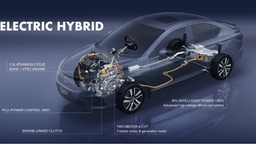
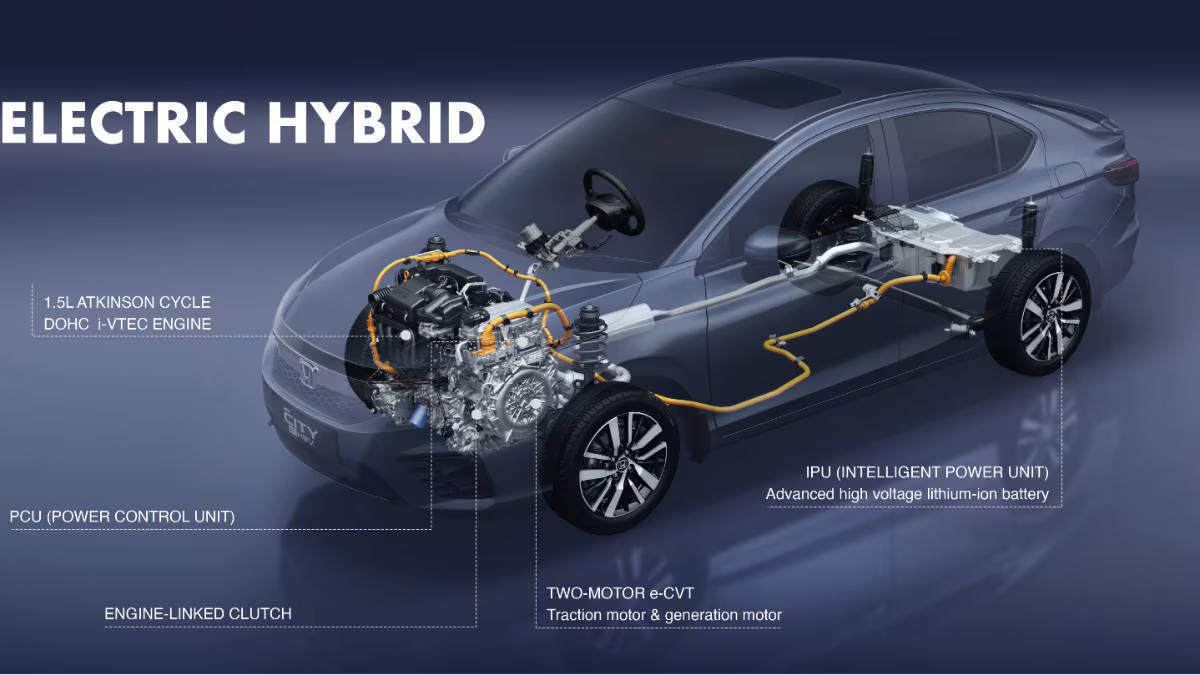
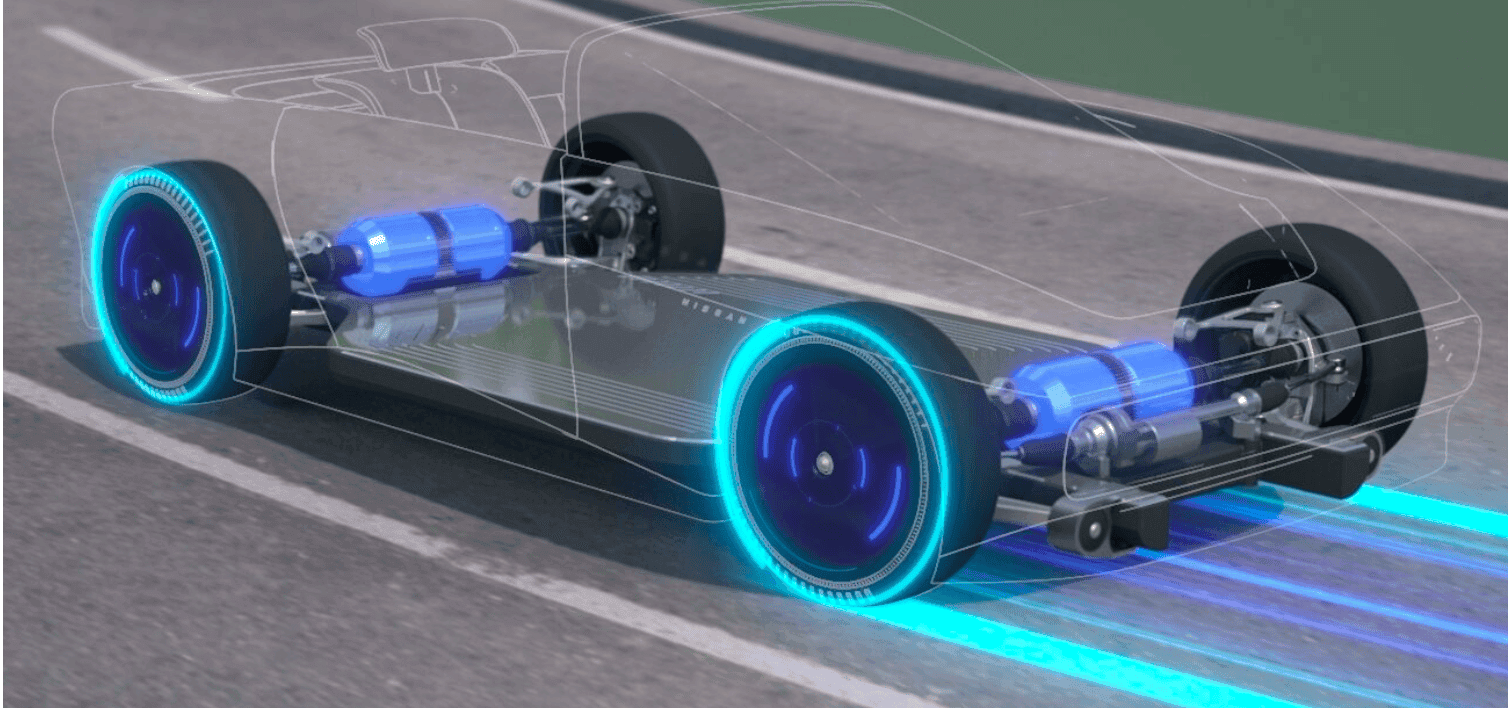
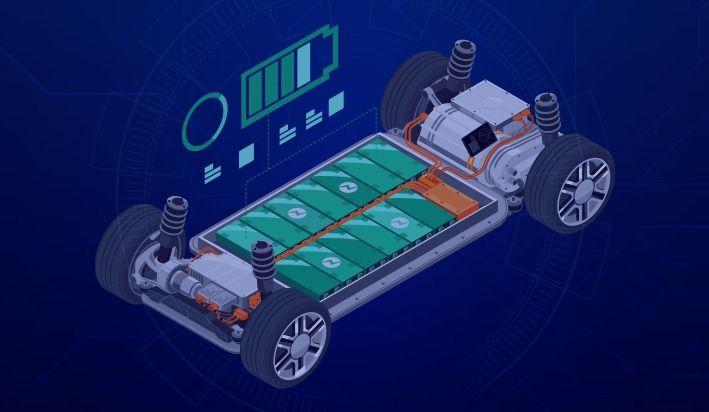
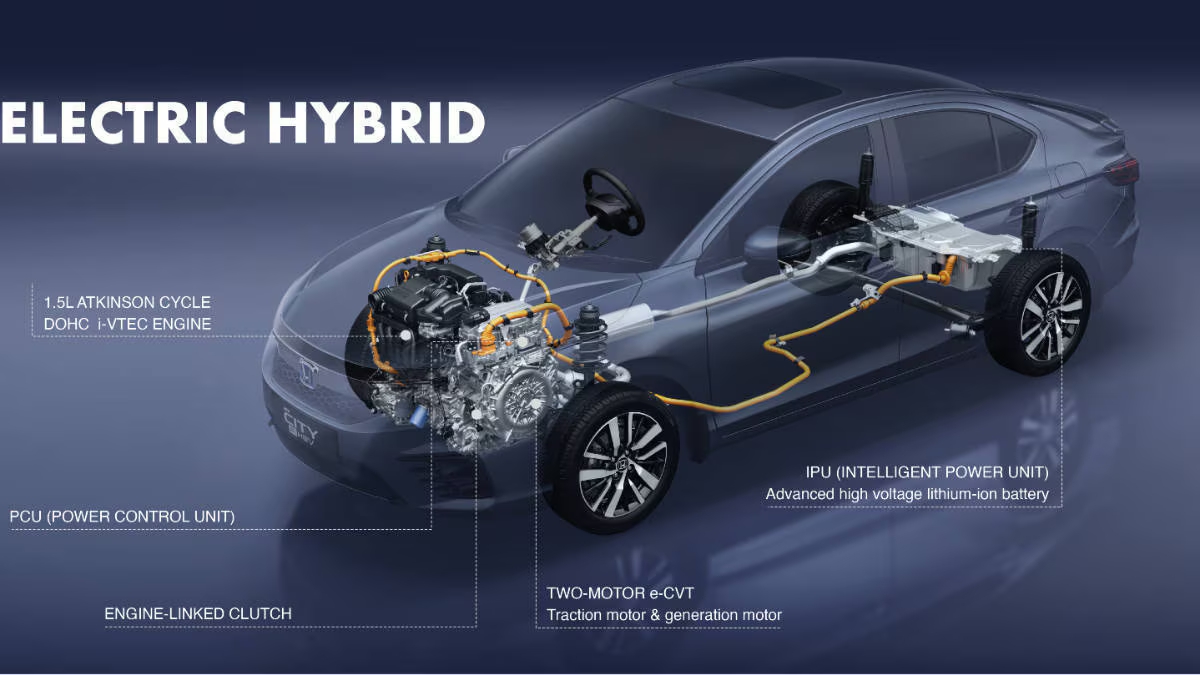
The Honda Vezel e:HEV combines several important components, including a petrol engine, two electric motor units, a lithium-ion hybrid battery, and electronic systems that manage the flow of power.
Of the two electric motors, one mainly works as a generator, producing electricity using power from the petrol engine.
The other is the traction motor, also called the propulsion motor, which is responsible for driving the wheels during electric-powered operation.
The Power Control Unit (PCU) manages the flow of electrical energy between these components, while the hybrid battery stores energy for later use.
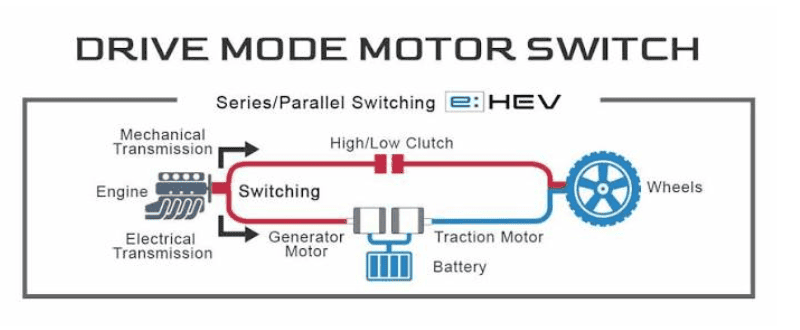
Depending on vehicle speed, acceleration demands, battery charge, and driving conditions, the system automatically switches between three main operating modes.
1. EV Drive Mode
EV Drive Mode is one of the most noticeable features of the Honda e:HEV system.
When the vehicle starts moving from a standstill or travels at relatively low speeds under suitable conditions, it can operate using electricity from the hybrid battery alone.
During this mode, the petrol engine remains switched off, and the electric traction motor drives the wheels.
As a result, the vehicle can move quietly and smoothly, much like a fully electric vehicle.
This mode is especially useful in city traffic, where frequent stopping and starting would otherwise increase fuel consumption.
However, EV Drive Mode does not operate continuously at every low speed. The system may start the petrol engine whenever additional power is required, the battery charge is low, or operating conditions demand it.
2. Hybrid Drive Mode
The second operating mode is Hybrid Drive Mode.
When the vehicle requires more power, such as during stronger acceleration or when the battery needs additional energy, the petrol engine starts automatically.
However, rather than driving the wheels directly, the engine primarily operates the generator motor to produce electricity.
This electrical energy is then supplied to the traction motor, which drives the vehicle.
Depending on the situation, the system can also use electricity stored in the hybrid battery to provide additional power for acceleration.
Any available excess energy may be used to recharge the battery.
This arrangement allows the petrol engine to operate within an efficient range while the electric motor provides smooth and responsive acceleration.
3. Engine Drive Mode
The third operating mode is Engine Drive Mode, and this is where Honda's hybrid system becomes particularly interesting.
During steady driving at higher speeds, such as cruising on a highway, the system may determine that using the petrol engine to drive the wheels directly is more efficient than generating electricity to power the traction motor.
When this happens, a special lock-up clutch connects the petrol engine mechanically to the drivetrain.
This allows engine power to reach the wheels directly, reducing some of the energy losses associated with converting mechanical power into electricity and then back into mechanical movement.
The vehicle automatically switches between these three operating modes according to driving conditions.
In normal driving, these transitions are designed to feel smooth, allowing the driver to concentrate on the road without manually selecting the different modes.
What Are the Benefits of Honda e:HEV Technology?
One of the main advantages of the e:HEV system is improved fuel efficiency.
Because the electric motor handles much of the driving during suitable conditions, the petrol engine does not need to operate continuously.
This can be particularly beneficial in city traffic, where vehicles frequently slow down, stop, and accelerate again.
Depending on the Vezel variant, driving conditions, traffic, and driving style, fuel economy may fall within or around the 22 to 26 km/L range mentioned in some vehicle discussions. However, this should not be treated as a guaranteed real-world figure.
Actual fuel consumption can vary considerably depending on whether the vehicle is a two-wheel-drive or all-wheel-drive model, as well as its specifications and operating conditions.
Another major benefit is responsive acceleration.
Electric motors can produce strong torque from very low speeds, which helps the Vezel respond quickly when the driver presses the accelerator.
This is especially useful when moving away from traffic lights, overtaking at suitable speeds, or navigating busy urban roads.
The newer e:HEV powertrain also avoids the particular dual-clutch transmission arrangement found in the earlier Vezel Sport Hybrid.
This means the newer system does not have the same dual-clutch components and actuator arrangement associated with certain problems in older models.
However, that does not mean the e:HEV system is completely maintenance-free or immune to mechanical and electrical faults. Its motors, electronics, battery, cooling systems, and other components still require proper care.
What Is Regenerative Braking?
Another important feature of the Honda Vezel e:HEV is Regenerative Braking.
In a conventional vehicle, much of the kinetic energy produced during braking is converted into heat and lost through the friction brakes.
With regenerative braking, the electric traction motor can operate as a generator when the vehicle slows down.
This converts some of the vehicle's kinetic energy back into electrical energy, which is then stored in the hybrid battery.
It helps improve overall energy efficiency by recovering part of the energy that would otherwise be wasted.
The Vezel e:HEV also features Deceleration Selectors on equipped versions, allowing the driver to adjust the strength of deceleration when releasing the accelerator.
Using paddles behind the steering wheel, the driver can choose between four levels of deceleration on the applicable Vezel system.
This can be useful when travelling downhill, approaching slower traffic, or adjusting vehicle speed without constantly applying the brake pedal.
However, regenerative braking does not replace the conventional braking system, and the selected deceleration level may be limited or adjusted automatically under certain conditions.
How to Maintain the Honda Vezel e:HEV System
At MotorGuide, our advice is that if you own a newer Honda Vezel equipped with e:HEV technology, you should pay particular attention to the condition of its hybrid electrical system and follow the manufacturer's recommended maintenance schedule.
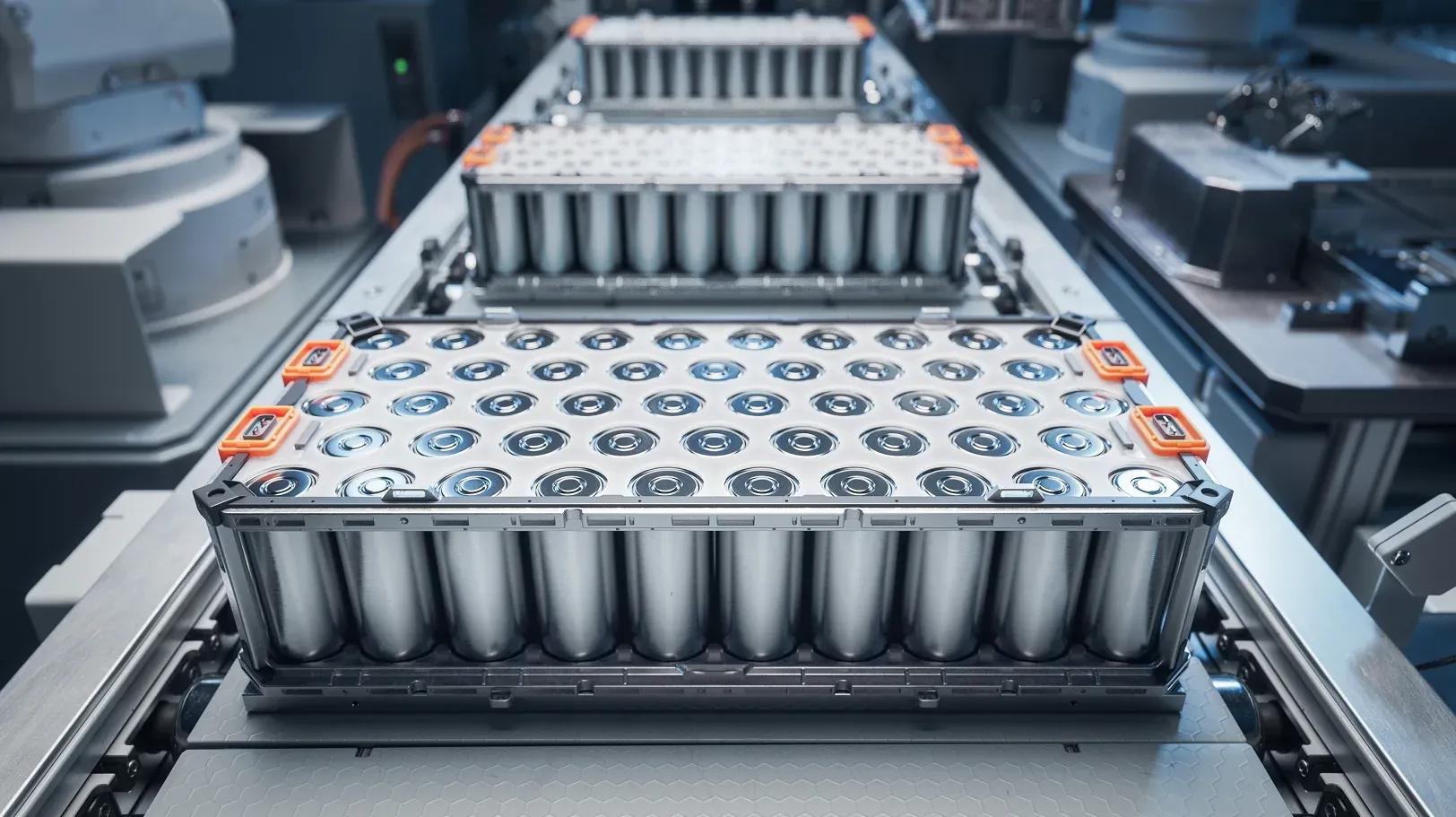
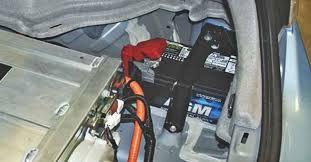
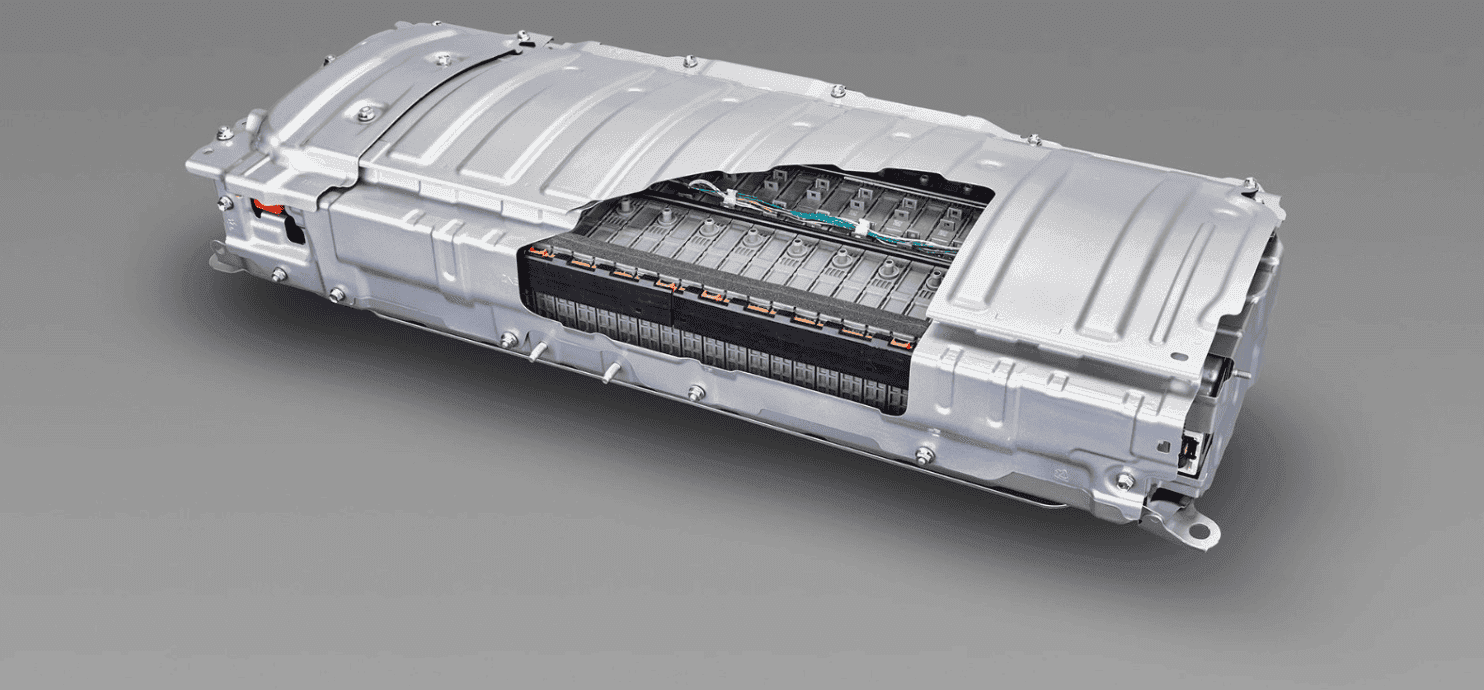
One of the most important components is the high-voltage lithium-ion hybrid battery.
Like other hybrid batteries, it depends on proper temperature management to maintain performance and long-term reliability.
Make sure the hybrid battery's cooling air intake and ventilation passages remain unobstructed. Depending on the vehicle's design, these may be located around the rear seating area.
Avoid placing bags, clothes, or other objects over ventilation openings because restricted airflow can increase battery temperature and affect performance.
It is also important to inspect the vehicle's cooling system and coolant levels according to Honda's maintenance recommendations.
If you notice a hybrid system warning, unusual performance, or an unexpected change in fuel consumption, arrange for the vehicle to be inspected by a qualified technician familiar with Honda hybrid systems.
Because the e:HEV system contains high-voltage electrical components, owners should never attempt to open or repair the hybrid battery or associated high-voltage wiring themselves.
With proper maintenance, the Honda e:HEV system offers a practical combination of electric motor responsiveness, petrol engine convenience, and efficient everyday driving.
More importantly, understanding how these three driving modes work can help owners appreciate what makes the newer Vezel Hybrid different from its predecessors.
Stay connected with MotorGuide for more useful information about modern vehicle technologies, hybrid systems, automotive maintenance, and everything you need to know about the world of vehicles.

Written by
Nisaga Sandaru
A versatile and highly experienced professional, currently an Automobile undergraduate at the University of Jaffna, with strong technical expertise grounded in hands-on work as a technician with SriLankan Airlines Ground Support Equipment (GSE). Holding an Automobile NVQ Level 3 qualification, along with specialized certifications in Vehicle ECU Programming and Diagnosis, and extensive experience in arc welding and vehicle body painting, and well equipped to handle complex automotive, diagnostic, and fabrication-related tasks with a high level of competence.