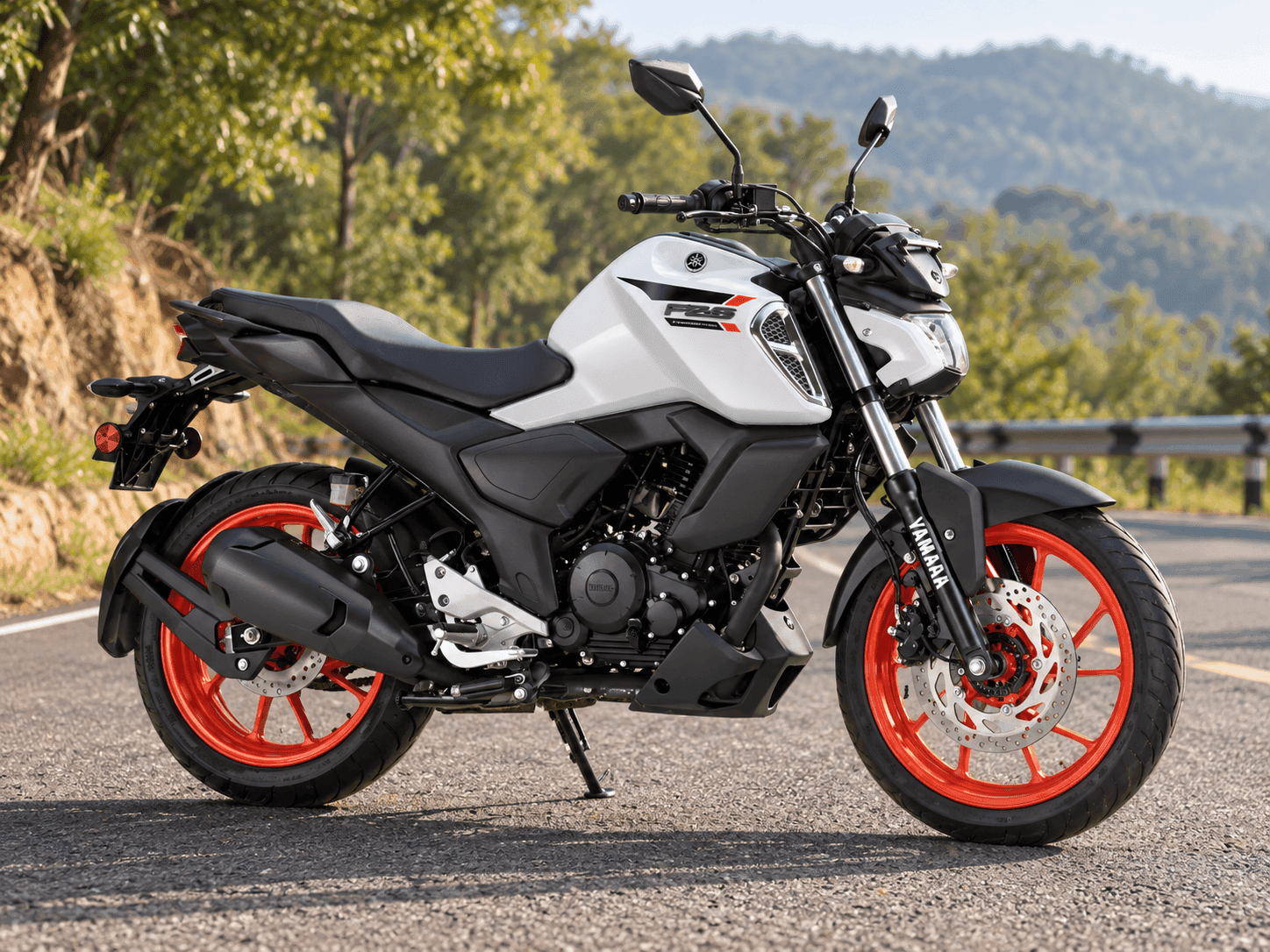
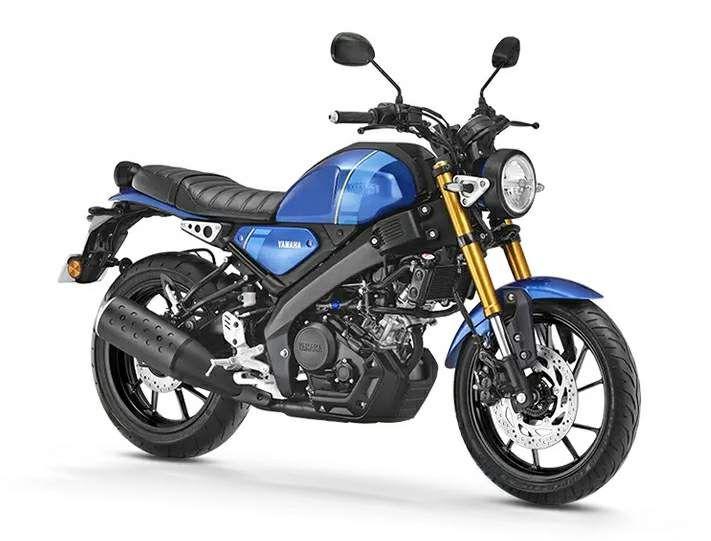
Let's Choose the Right Parts for Your Vehicle


Your vehicle plays an important role in your daily life. It helps you save time and makes travel easier. But to keep it running smoothly, you must choose the right parts when replacements are needed. Using incompatible or low-quality components can damage your vehicle over time. Today, MotorGuide explains how to choose the correct and reliable parts for your vehicle.
Know Your Vehicle
The first step in selecting the right parts is understanding your vehicle. Always know the model, make, production year, and engine type (petrol or diesel). This information is crucial when buying any replacement parts. By knowing these details, you can ensure compatibility and prevent performance issues later on.
Choose a Trusted Brand
When buying parts, always look for a reputable and established brand. Well-known manufacturers maintain consistent quality standards and provide parts that fit perfectly. These brands also offer warranty coverage, giving you peace of mind. Choosing recognized brands ensures both reliability and long-term durability.
Check the Warranty
Always check whether the part you're buying comes with a valid warranty. A good warranty protects you if something goes wrong with the part after installation. Avoid purchasing parts that do not include warranty coverage, as you won't be able to claim replacements or refunds if defects appear later.
Compare Prices
Before making a purchase, take time to compare prices from different sources. Use online platforms to check the market rate for the specific part you need. Visiting multiple stores or authorized dealers helps you understand the fair price range and avoid being overcharged. Remember—buying the cheapest part isn't always the best decision; focus on value and authenticity.
Know Your Options
When replacing a vehicle part, you can choose from several types of products. Each has its own pros and cons:
- New parts: Brand-new and reliable, but often more expensive.
- Rebuilt parts: Restored parts that work well but may not last as long as new ones.
- Refurbished parts: More affordable but may not perform at the same level as original parts.
- Aftermarket parts: Made by third-party manufacturers; quality can vary.
- Used parts: Cheapest option, but compatibility and longevity can be uncertain.
Consider your budget, vehicle age, and long-term plans before choosing among these options.
Verify Authenticity
Counterfeit vehicle parts are a major issue in the market. Always verify that the parts you're buying are genuine. Check the packaging, part numbers, and compatibility details. You can confirm authenticity through the official website of the Original Equipment Manufacturer (OEM) or by using your vehicle's service manual. Buying genuine parts ensures your safety and helps your vehicle perform at its best.
Choosing the right vehicle parts is not just about price—it's about safety, performance, and long-term savings. By understanding your vehicle, comparing prices, checking warranties, and verifying authenticity, you can avoid costly mistakes. Follow these tips from MotorGuide to keep your vehicle in top condition for years to come.

Written by
Nipuna Marasinghe