Things to Consider When Choosing Spare Parts for Your Vehicle


One wrong decision when buying spare parts can turn your well-running vehicle into a problem. If the parts are not suitable, your vehicle’s performance, safety, and efficiency will suffer. That’s why it’s essential to choose the right spare parts. Today, MotorGuide explains the key things you must consider before purchasing vehicle spare parts.
1. Know Your Vehicle Details
Before choosing spare parts, you must know the exact details of your vehicle. This includes:
- Make, model, and year of manufacture
- Engine type (petrol or diesel)
- Transmission type
- Other essential specifications
Having this information makes it easier to find parts that are perfectly compatible with your vehicle.
2. Choose a Trusted Brand
Always select spare parts from recognized and reputable brands. Popular brands usually provide:
- Better quality and reliability
- High compatibility with your vehicle
- Warranty and after-sales support
Ask professionals or experienced vehicle owners for recommendations on reliable brands before making a purchase.
3. Focus on Quality, Not Just Price
Many buyers are tempted by low prices and compromise on quality. Cheap spare parts may save you money upfront but lead to frequent replacements and higher long-term costs. Instead:
- Prioritize quality over price
- Invest in durable parts that enhance vehicle efficiency
- Avoid extremely low-cost options that could damage your vehicle
By focusing on quality first, you can reduce breakdowns and increase your vehicle’s lifespan.
4. Understand the Different Types of Spare Parts
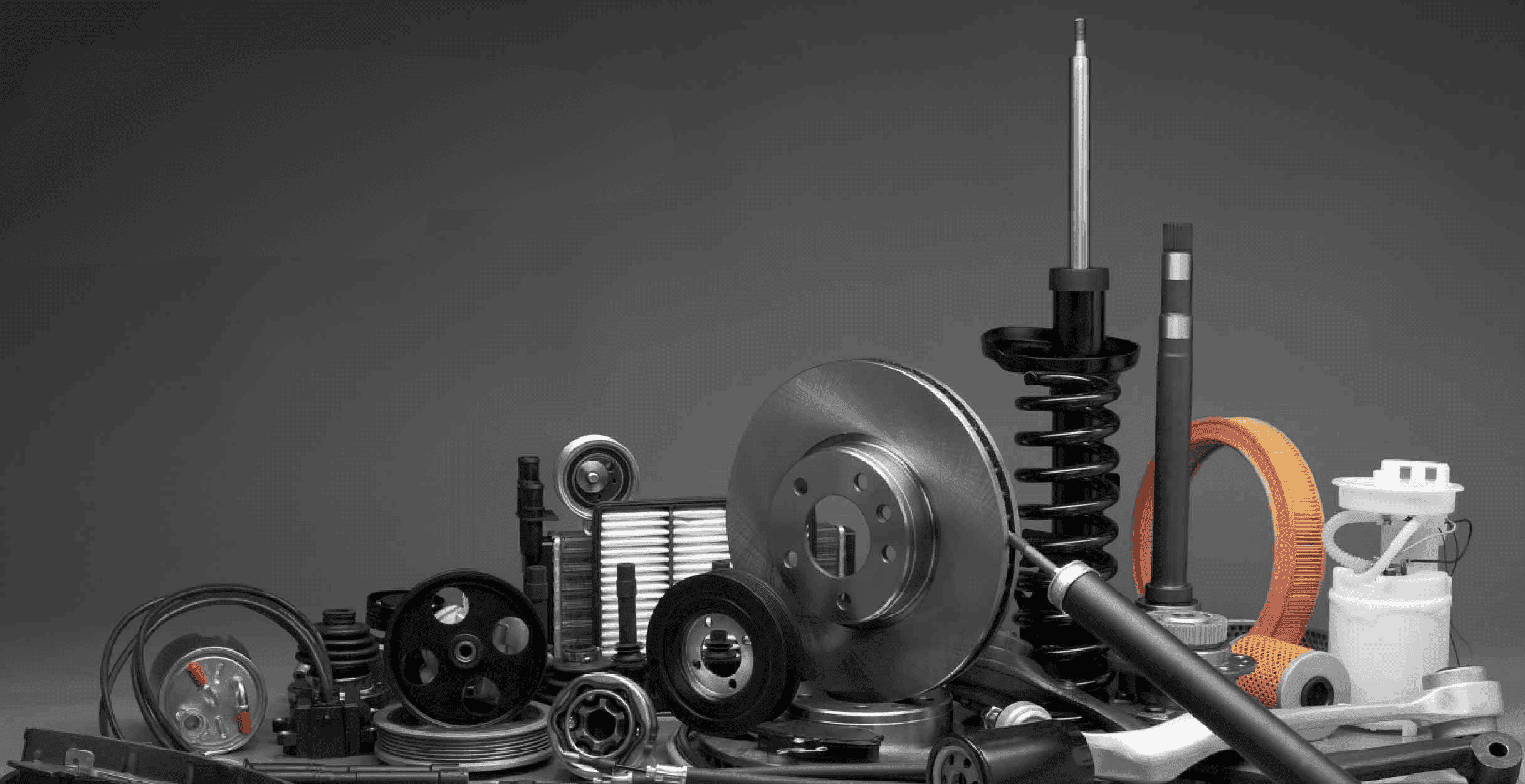
There are several categories of spare parts available in the market. Each has pros and cons:
- New (Genuine Parts): High quality, long-lasting, and often come with a manufacturer’s warranty. But also the most expensive.
- Reconditioned Parts: More affordable than new parts and often reliable, though not as durable as genuine parts.
- Rebuilt Parts: Lower cost but shorter lifespan. Suitable only for temporary fixes.
- Aftermarket Parts: Usually cheaper but may lack proper fit and reliability compared to genuine parts.
- Used Parts: Very cost-effective but come with high risk due to uncertain quality and wear.
Choose the type of part that best suits your budget and long-term vehicle needs.
5. Check the Warranty
A warranty is crucial when buying spare parts. It ensures you are protected against manufacturing defects and gives peace of mind. Always:
- Review the warranty period
- Understand the terms and conditions
- Keep warranty documents safe for future claims
Final Thoughts
Buying spare parts is more than just a purchase — it’s an investment in your vehicle’s health. By knowing your vehicle details, choosing trusted brands, prioritizing quality, understanding part categories, and checking warranties, you can ensure your vehicle remains safe and reliable. So, next time you buy spare parts, follow these steps and make a wise choice with MotorGuide.

Written by
Nipuna Marasinghe