Third-Party vs Comprehensive Car Insurance in Sri Lanka: Coverage, Claims and Hidden Conditions

Today at MotorGuide, we're going to discuss an important subject that every vehicle owner in Sri Lanka should understand: the difference between Third-Party Insurance and Comprehensive Insurance, commonly known as Full Insurance, and the policy conditions that can affect compensation after an accident.
Many drivers purchase motor insurance because it is a legal requirement or because they want to protect their vehicles from unexpected financial losses.
However, some vehicle owners focus mainly on the annual insurance premium without carefully reviewing the policy document.
As a result, they may be surprised when an insurance claim is reduced, an excess is deducted, or a particular type of damage is not covered.
For example, imagine your vehicle is involved in an accident and the repair estimate is Rs. 500,000. Even if you have Comprehensive Insurance, the insurer may not necessarily pay the entire amount.
The final settlement can depend on the sum insured, the vehicle's market value, applicable excesses, depreciation provisions, policy exclusions, and the circumstances of the accident.
Understanding these conditions before an accident occurs can help you choose suitable insurance cover and avoid unexpected expenses.
So, what is the real difference between Third-Party Insurance and Comprehensive Insurance in Sri Lanka, and what should you check before making a claim? Let's take a closer look.
What Is Third-Party Motor Insurance?
Third-Party Insurance is the minimum motor insurance protection generally required for vehicles used on public roads in Sri Lanka.
Under the Motor Traffic Act, vehicles used on public roads must have insurance or another legally recognised form of security against third-party risks, subject to the applicable provisions and exceptions.
Third-party motor insurance is primarily intended to address the insured driver's or vehicle owner's legal liability arising from certain injuries, deaths, or damage caused to other people and their property.
For example, imagine accidentally colliding with another vehicle and damaging its front bumper.
Depending on the circumstances and the terms of your insurance, third-party cover may respond to your legal liability for the other vehicle's damage.
Likewise, the policy may provide protection against covered third-party bodily injury or death claims.
However, standard Third-Party Insurance does not generally pay for accident damage to your own vehicle.
If your car is damaged in the same collision, repairing it may be your responsibility unless compensation is recoverable from another liable party or another applicable insurance arrangement.
Therefore, Third-Party Insurance provides essential liability protection, but it is not the same as cover for your vehicle's own accidental damage.
What Is Comprehensive or Full Motor Insurance?
Comprehensive Insurance provides broader protection than standard Third-Party Insurance.
It generally combines third-party liability coverage with protection for certain types of loss or damage to the insured vehicle.
Depending on the policy, covered events may include accidental collisions, theft, fire, and other specified risks.
Some comprehensive motor insurance packages also provide or offer additional protection against natural disasters, civil disturbances, and other risks.
However, the term Full Insurance should not be interpreted as unlimited protection against every possible event.
Each policy has specific insured risks, coverage limits, conditions, exclusions, and claim settlement procedures.
For example, flood damage may be covered under one comprehensive policy but require a specific extension under another.
Similarly, some policies provide additional benefits such as towing assistance, personal accident cover, airbag protection, or replacement transport, while others may not include these benefits.
Always review the policy schedule and full policy wording before assuming that a particular loss is covered.
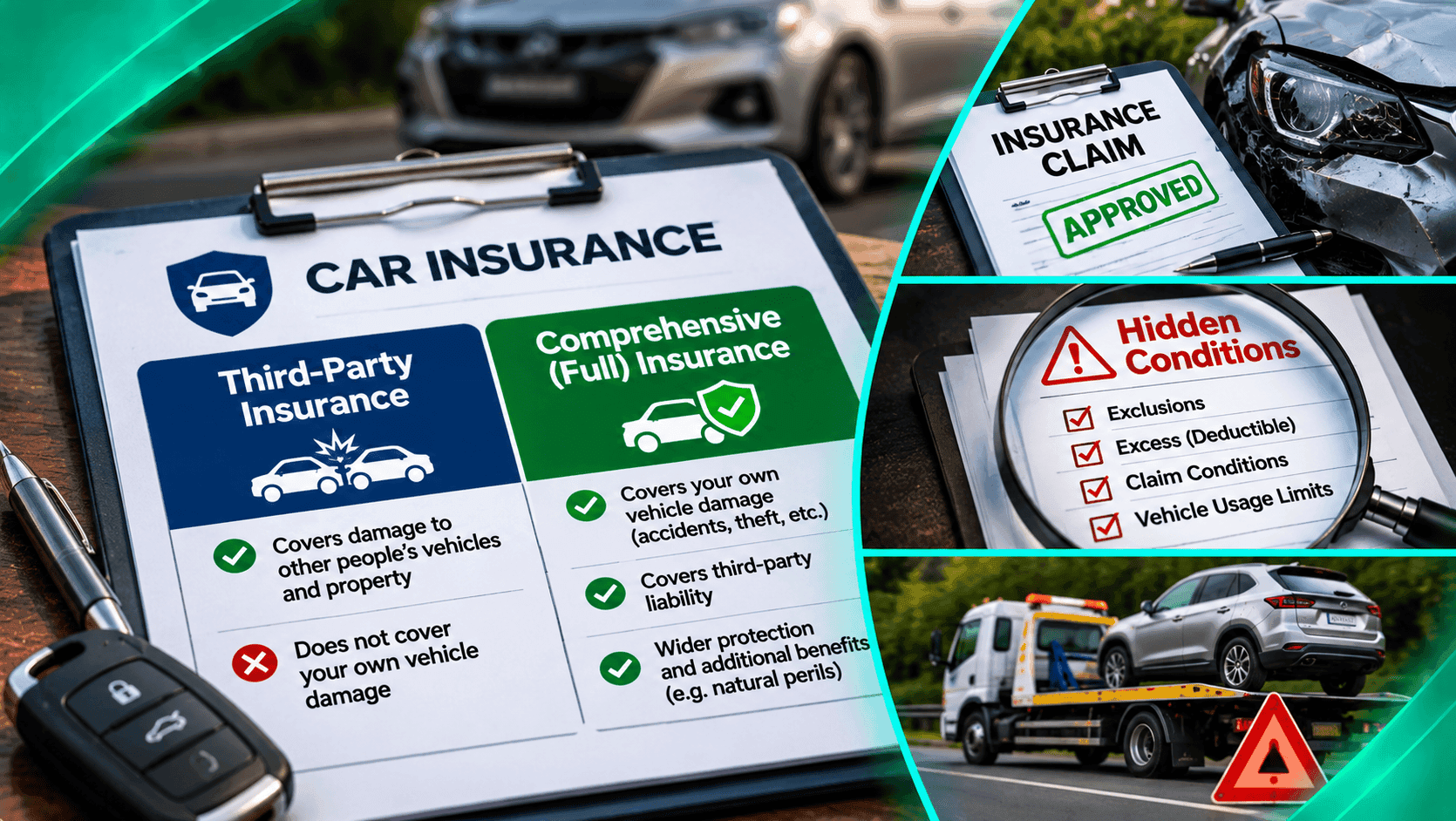
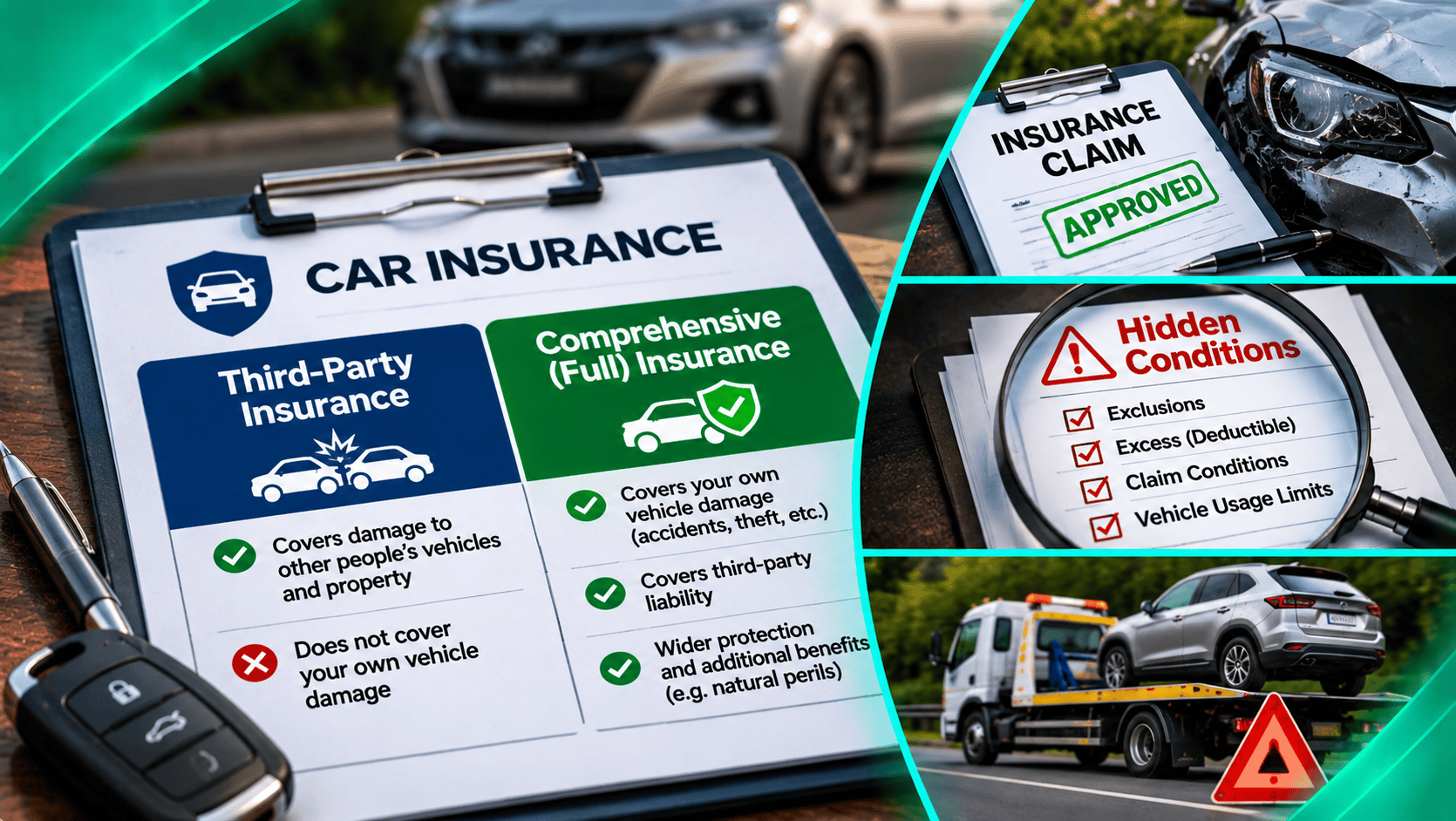
Third-Party Insurance vs Comprehensive Insurance: Key Differences
The main difference between the two insurance types is the scope of protection.
- Third-party liability: Both types generally provide legally required third-party protection, subject to the policy and applicable law.
- Damage to your own vehicle: Standard Third-Party Insurance generally excludes this, while Comprehensive Insurance covers specified own-damage events.
- Theft: Comprehensive Insurance may include theft cover, subject to the policy wording.
- Fire: Comprehensive Insurance commonly includes certain fire-related losses.
- Flood and natural disasters: Coverage depends on whether the relevant risks are included in the selected policy.
- Annual premium: Third-Party Insurance is generally less expensive because its coverage is narrower.
- Claim settlement: Comprehensive own-damage claims may involve excesses, depreciation, average clauses, and other settlement conditions.
The most suitable option depends on your vehicle's value, financial circumstances, risk exposure, and the protection you require.
1. Under-Insurance and the Condition of Average
One important condition to understand is under-insurance.
Under-insurance occurs when a vehicle is insured for less than the value required under the applicable policy terms.
Some vehicle owners deliberately choose a lower sum insured because they believe it will reduce the annual premium.
However, this decision may affect the amount they can recover after an accident.
Consider a vehicle with a market value of Rs. 8 million that is insured for only Rs. 5 million.
If a policy contains an applicable Condition of Average, the insurer may calculate compensation using the relationship between the sum insured and the value used for the claim.
For illustration, the insured proportion would be:
Rs. 5,000,000 divided by Rs. 8,000,000 = 62.5%.
If an otherwise covered repair costs Rs. 800,000, applying a straightforward proportional average calculation would produce an amount of Rs. 500,000 before any other relevant deductions.
However, this calculation is only an example. It does not mean every motor insurance claim in Sri Lanka automatically follows the same formula.
The Insurance Regulatory Commission of Sri Lanka has issued directions concerning motor vehicle market values and the application of the Condition of Average.
Therefore, insurers and policyholders must consider the applicable regulatory requirements and the actual wording of the policy.
Before purchasing or renewing Comprehensive Insurance, discuss the vehicle's market value and the proposed sum insured with the insurer.
Ask how under-insurance could affect a partial loss or total loss claim and obtain the explanation in writing.
2. Betterment Contributions and Depreciation
Another condition that may affect motor insurance claims is betterment.
Betterment generally refers to a situation in which replacing a worn or older component with a new one improves the vehicle's condition compared with its condition immediately before the accident.
For example, imagine an older vehicle suffers damage to a component that has already experienced several years of normal wear.
If the repair involves fitting a brand-new replacement part, the insurer may apply a contribution or deduction where the policy permits it.
The intention is generally to avoid providing a financial improvement beyond the insured loss.
Parts such as tyres, batteries, rubber components, and other items subject to wear may have specific replacement or depreciation conditions.
However, there is no universal rule requiring every Sri Lankan motor insurer to deduct between 15% and 50% for all replacement parts.
The percentage, if any, depends on the policy, part type, vehicle age, applicable endorsements, and settlement terms.
Some insurance products advertise benefits that reduce or remove particular owner contributions.
Therefore, before purchasing a policy, ask whether betterment applies to genuine replacement parts, tyres, batteries, and other expensive components.
3. Compulsory Excess and Voluntary Excess
An insurance excess is the amount of an insured loss that the policyholder must bear under the terms of the policy.
For example, if an approved claim is Rs. 300,000 and the applicable excess is Rs. 25,000, the settlement may be reduced by that amount, subject to other relevant terms.
Some policies have a standard or compulsory excess for specified claims.
Others may offer a voluntary excess, where the policyholder agrees to bear a larger portion of a future claim in exchange for a lower premium.
However, not every comprehensive policy applies the same excess structure.
Some insurers offer packages with reduced or waived contributions for particular repairs or approved workshops.
Before choosing a policy, check the excess payable for accidental damage, theft, flood damage, and other covered events.
Also confirm whether additional excesses apply in specific circumstances.
4. Young Driver and Inexperienced Driver Excess
Some motor insurance policies apply additional excesses when a vehicle is driven by a young or inexperienced driver.
For example, a policy may define additional conditions based on the driver's age, the period for which a driving licence has been held, or whether the driver has been specifically declared to the insurer.
However, there is no single age or experience threshold that applies to every motor insurance policy in Sri Lanka.
One insurer may apply a particular age threshold, while another may have different conditions.
If your vehicle is regularly driven by younger family members or recently licensed drivers, disclose this information accurately when arranging cover.
Ask the insurer whether an additional premium, endorsement, or excess applies.
This can prevent unpleasant surprises during a future claim.
5. Natural Disaster and Flood Insurance
Flooding is an important concern for Sri Lankan vehicle owners, particularly during periods of heavy rainfall.
However, Comprehensive Insurance does not automatically provide identical flood protection across every policy.
Depending on the insurer and product, flood, storm, inundation, landslide, or other natural perils may be included or offered through additional coverage.
Some policies may also apply special conditions, deductibles, or limits for particular events.
Before purchasing insurance, confirm whether the policy covers damage caused by floodwater entering the passenger compartment, engine, electrical systems, or other vehicle components.
For hybrid and electric vehicles, ask specifically about damage to high-voltage batteries and associated equipment.
It is also important to understand how the policy treats damage caused directly by flooding compared with further damage resulting from actions taken afterwards.
6. Flood Damage, Hydrolock and Consequential Loss
Hydrolock can occur when water enters an engine cylinder and prevents normal piston movement.
Unlike air, liquid water cannot be compressed sufficiently for the engine to complete its normal compression process.
If the engine is cranked or continues operating with significant water inside a cylinder, serious mechanical damage may occur.
In insurance claims, a distinction may arise between the original insured event and additional damage resulting from subsequent actions.
Some motor policies exclude particular forms of consequential loss or mechanical breakdown.
However, not every case of engine damage caused by floodwater is automatically excluded from insurance coverage.
The result depends on the policy wording, how the damage occurred, available evidence, and the insurer's assessment.
If your vehicle stalls while travelling through floodwater, do not attempt to restart it.
Move to safety, contact the insurer, and arrange appropriate recovery assistance.
Even when the vehicle appears undamaged, restarting a water-affected engine may cause further mechanical problems.
For electric and hybrid vehicles exposed to deep flooding, do not attempt to restart, charge, or operate the vehicle until qualified personnel confirm that it is safe.
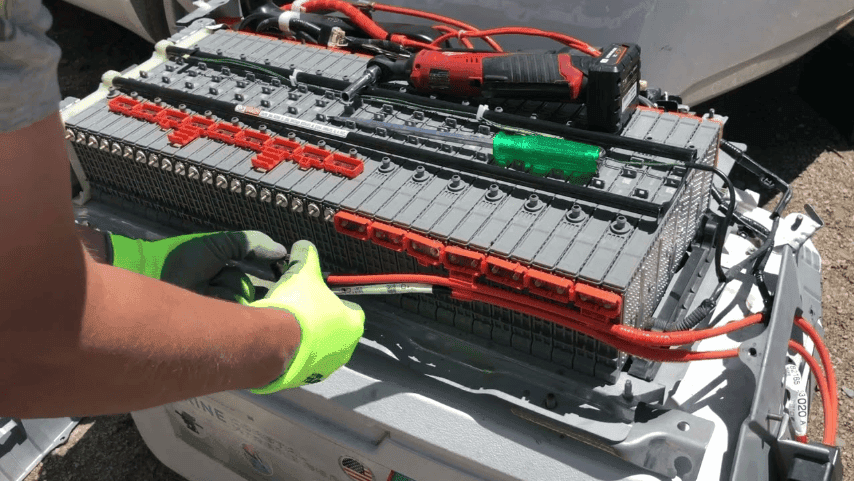
7. Hybrid and Electric Vehicle Battery Coverage
Hybrid and electric vehicles contain expensive electrical components, including traction batteries, inverters, motor controllers, and associated high-voltage systems.
These components can be costly to repair or replace after an accident, particularly when specialist equipment or imported parts are required.
However, insurance cover for these components varies between policies.
Some insurers may apply specific limitations, depreciation provisions, or exclusions for high-voltage batteries and related equipment.
Other products may offer broader protection through standard coverage or additional endorsements.
It is therefore inaccurate to assume that every motor insurer in Sri Lanka limits hybrid or electric battery compensation to 10% of the vehicle's insured value.
Before insuring a hybrid or EV, ask the insurer to confirm the treatment of accident damage, fire, flood damage, battery replacement, inverter damage, and other high-voltage components.
Also check whether the policy provides cover for genuine replacement components and whether depreciation or betterment deductions apply.
These details should be confirmed in the written policy schedule or an applicable endorsement.
8. SRCC and Terrorism Cover
Another important area to check is coverage for strikes, riots, civil commotion, and terrorism-related risks.
In Sri Lanka, these protections are commonly described using terms such as SRCC and terrorism cover.
Depending on the policy, relevant protection may be included, charged separately, or made available through an extension.
However, the precise risks covered and any restrictions should be checked carefully.
Do not assume that every comprehensive policy provides unlimited protection against civil disturbances or terrorism-related damage.
Ask whether the relevant cover is active and whether the policy schedule identifies any separate limits or premiums.
9. Driving Licence and Vehicle Use Conditions
Motor insurance policies commonly contain conditions relating to who may drive the insured vehicle and how the vehicle may be used.
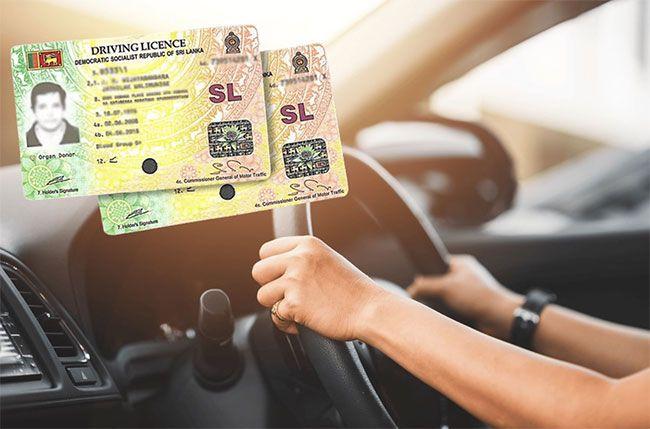
For example, a policy may require the driver to hold a valid licence for the relevant vehicle category.
Driving under the influence of alcohol or drugs may also create serious insurance and legal consequences.
Another important issue is whether the vehicle is insured for private use or commercial use.
If a privately insured vehicle is used for hire, rental, or another business activity outside its permitted use, the insurer may dispute coverage under the applicable terms.
However, the exact effect of a licence, revenue licence, or vehicle-use issue depends on the policy wording, the relevant law, and the circumstances of the claim.
It should not be assumed that every administrative irregularity automatically eliminates all possible insurance compensation.
When arranging insurance, accurately disclose the vehicle's intended use and the categories of people who may drive it.
If your circumstances change, contact the insurer to determine whether the policy needs to be updated.
10. Motor Insurance Premium Payment Deadlines in Sri Lanka
Paying the insurance premium within the required period is another important responsibility.
In Sri Lanka, the Insurance Regulatory Commission introduced revised premium payment requirements for motor insurance policies issued from 1 May 2026.
Under these requirements, insurers may grant a credit period of up to 30 days from the beginning of cover for payment of the full motor insurance premium.
This replaced the earlier longer credit arrangements used in the market.
Policyholders should therefore not assume that every motor insurance policy has a 60-day premium payment period.
Check the applicable payment terms, effective date, and consequences of late payment in the insurance documents.
If you are paying by instalments or through another approved arrangement, confirm how coverage is maintained and what happens if a payment is missed.
Never assume that a policy will remain valid indefinitely simply because an insurance certificate has been issued.
11. Check the Insured Value of Your Vehicle
Vehicle market values can change significantly over time.
In Sri Lanka, the prices of many vehicle models can be affected by import conditions, demand, exchange rates, and availability.
When renewing Comprehensive Insurance, review the proposed sum insured rather than automatically accepting the previous year's amount.
It is useful to discuss the current market value with the insurer and understand how that value affects premiums and claim settlements.
However, insuring a vehicle for more than its reasonable value does not guarantee that the insurer will pay the inflated amount after a total loss.
Claims are subject to the policy's valuation and settlement provisions.
The objective is to select an appropriate insured amount that accurately reflects the vehicle and the relevant insurance requirements.
12. Check Additional Benefits Before Choosing a Policy
When comparing comprehensive motor insurance products, the annual premium is only one consideration.
Additional benefits can make a difference when an accident occurs.
For example, some products may offer towing assistance, roadside support, airbag cover, personal accident benefits, approved repair facilities, or compensation for specified transport expenses.
Other benefits may include replacement vehicle arrangements or alternative transport allowances while the insured vehicle is being repaired.
However, these benefits often have eligibility conditions, maximum payment amounts, waiting periods, or other restrictions.
Before accepting a quotation, ask whether the benefits are included automatically or require an additional premium.
Also review whether repairs must be carried out at an approved garage to qualify for particular advantages.
A slightly higher premium may offer different protection, but the actual value depends on the terms and benefits relevant to your needs.
13. What Should You Do Immediately After a Vehicle Accident?
If your vehicle is involved in an accident, your first responsibility is to protect the safety of everyone involved.
Check for injuries and contact emergency services when necessary.
If the location is dangerous, take appropriate steps to avoid further collisions, following the law and instructions from the relevant authorities.
Once it is safe, take photographs of the vehicles, visible damage, road conditions, and the accident location.
These photographs may help document what happened.
However, do not remain in a dangerous position or obstruct emergency access simply to photograph the accident.
Notify your insurance company as soon as possible using its official claims hotline or reporting procedure.
Depending on the insurer, the initial assessment may be completed by an assessor attending the scene or through an approved digital claims process.
Always follow the insurer's instructions about whether the vehicle should be moved, inspected, or recovered.
Where a police report is required, follow the applicable reporting procedure.
Do not authorise major repairs or dispose of damaged components before obtaining the necessary approval, unless immediate action is required for safety or to prevent further loss.
14. Documents That May Be Needed for an Insurance Claim
The documents required for a motor insurance claim depend on the type of accident and the insurer's procedures.
Common requirements may include the insurance policy details, driver's licence, vehicle registration information, accident photographs, claim forms, and repair estimates.
A police report or other official documentation may be required in certain circumstances.
For theft claims or serious accidents, additional supporting information may be necessary.
Keep copies of documents, communication records, photographs, and repair invoices.
It is also useful to record the insurer's claim reference number and any instructions given during the process.
Providing accurate information and responding promptly to reasonable document requests can help avoid unnecessary delays.
15. Does Comprehensive Insurance Guarantee a Full Claim Settlement?
One of the most important things to understand is that Comprehensive Insurance does not guarantee payment of the entire repair bill in every situation.
A valid claim may still be subject to excesses, applicable depreciation or betterment provisions, policy limits, and other agreed conditions.
Some expenses may fall outside the scope of the selected cover.
In other circumstances, the insurer may request additional information before determining whether a loss is covered.
Therefore, the amount payable should be assessed based on the written policy and the circumstances of the actual loss.
If you disagree with a claim assessment, request a written explanation identifying the relevant policy provisions and the basis for any deductions.
Where necessary, follow the insurer's complaints procedure and seek assistance from the appropriate insurance regulatory or dispute resolution channels.
16. Motor Insurance Checklist for Sri Lankan Vehicle Owners
Before buying or renewing motor insurance, consider the following checklist.
- Insurance type: Confirm whether the policy provides Third-Party Insurance or Comprehensive Insurance.
- Sum insured: Review the proposed vehicle value and understand any applicable average clause.
- Excess: Check compulsory, voluntary, young driver, and other relevant excess conditions.
- Depreciation and betterment: Find out whether deductions apply to replacement parts.
- Flood protection: Confirm the scope of flood and natural disaster cover.
- Hybrid and EV components: Review battery, inverter, and high-voltage system conditions.
- SRCC and terrorism: Verify whether these risks are covered.
- Permitted drivers: Check age, licence, and driver eligibility conditions.
- Vehicle use: Ensure the policy matches private, commercial, or other declared use.
- Premium payments: Confirm the payment deadline and cancellation provisions.
- Additional benefits: Review towing, airbag cover, replacement transport, and other optional features.
- Claims process: Save the insurer's hotline and understand reporting and assessment requirements.
MotorGuide's Advice: Read the Policy Before You Need to Make a Claim
At MotorGuide, our advice is to avoid selecting motor insurance based only on the cheapest annual premium.
Third-Party Insurance provides legally required protection against specified third-party liabilities, while Comprehensive Insurance offers additional cover for the insured vehicle.
However, even a comprehensive policy has conditions and limitations.
Pay particular attention to the insured value, applicable excess, betterment provisions, flood cover, vehicle-use restrictions, and any limitations relating to hybrid or electric vehicle components.
Make sure you understand the payment deadline and keep your policy valid.
If an accident occurs, prioritise safety, document the damage where practical, notify your insurer promptly, and follow the approved claims procedure.
If a vehicle has been affected by floodwater, avoid restarting it until the potential mechanical and electrical risks have been assessed.
Most importantly, ask the insurer to clarify any condition you do not understand before purchasing the policy.
A clear understanding of your insurance coverage can help you manage unexpected costs and make better decisions when an accident occurs.
Stay connected with MotorGuide for more useful information about vehicle insurance, accident claims, maintenance, road safety, and practical automotive advice for Sri Lankan drivers.

Written by
Nisaga Sandaru
A versatile and highly experienced professional, currently an Automobile undergraduate at the University of Jaffna, with strong technical expertise grounded in hands-on work as a technician with SriLankan Airlines Ground Support Equipment (GSE). Holding an Automobile NVQ Level 3 qualification, along with specialized certifications in Vehicle ECU Programming and Diagnosis, and extensive experience in arc welding and vehicle body painting, and well equipped to handle complex automotive, diagnostic, and fabrication-related tasks with a high level of competence.