What Are Steering Dampers Used For?

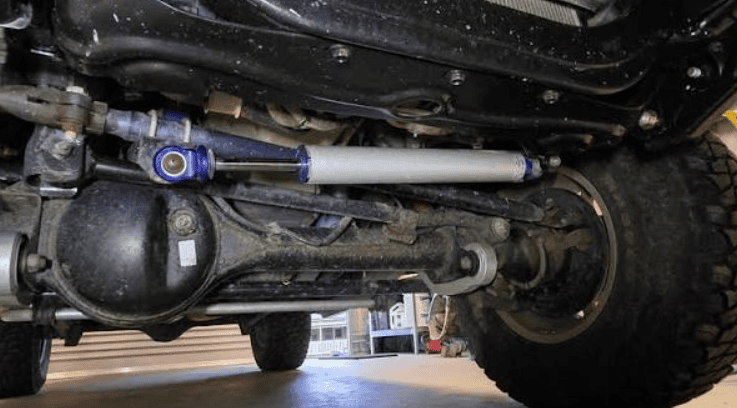
Today at Motor Guide, we are discussing a highly talked-about component that is crucial for safety and stability in the world of cars and motorcycles: the steering damper. If you've ever experienced your steering wheel violently jerking or feeling like it's slipping out of your hands while driving on highways or rough, uneven roads, the steering damper is the exact solution for it. However, many people still lack a clear understanding of how it actually works and which vehicles truly need it.
What is a Steering Damper?
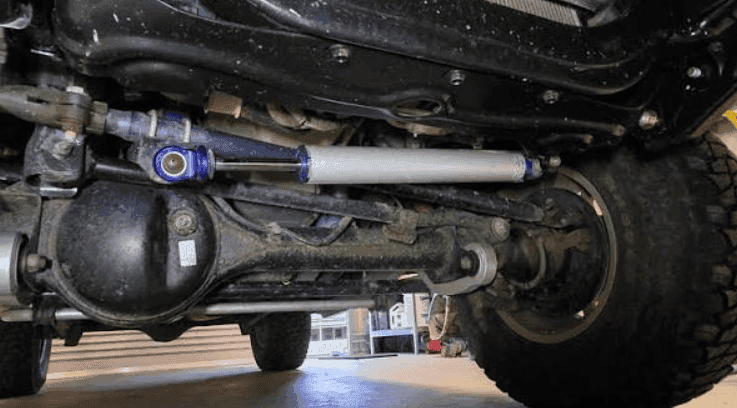
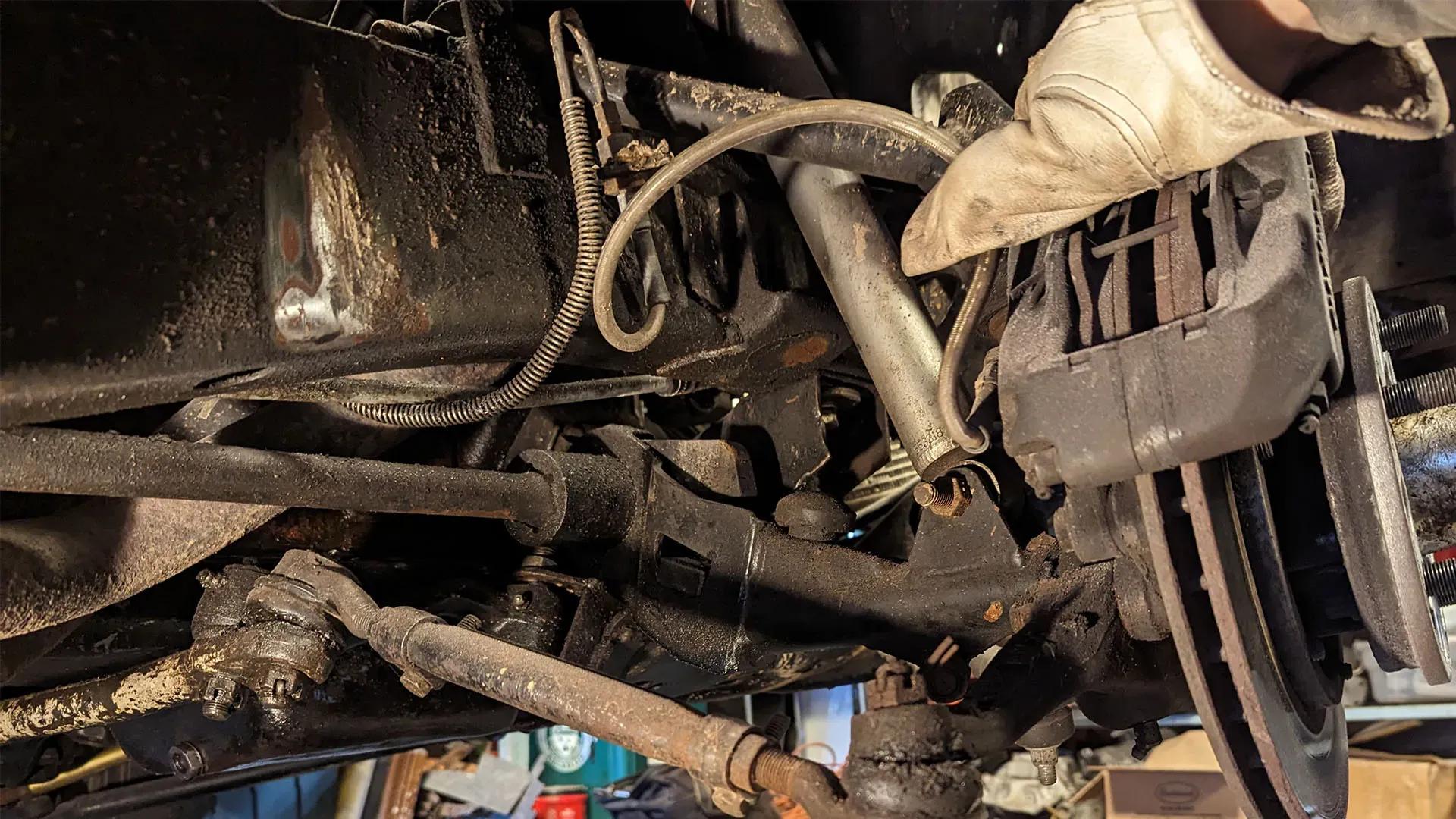
First, let's understand the fundamental role of a steering damper. Simply put, it is designed to absorb unexpected shocks, sudden jerks, and vibrations transferred to the wheels from the suspension and road surface, preventing those violent forces from ripping the steering wheel out of the driver's hands. It operates almost exactly like a standard shock absorber, but instead of being mounted to the chassis to handle vertical bumps, it is horizontally attached to the steering linkage or motorcycle fork.
Crucial for Off-Road and High-Performance Vehicles
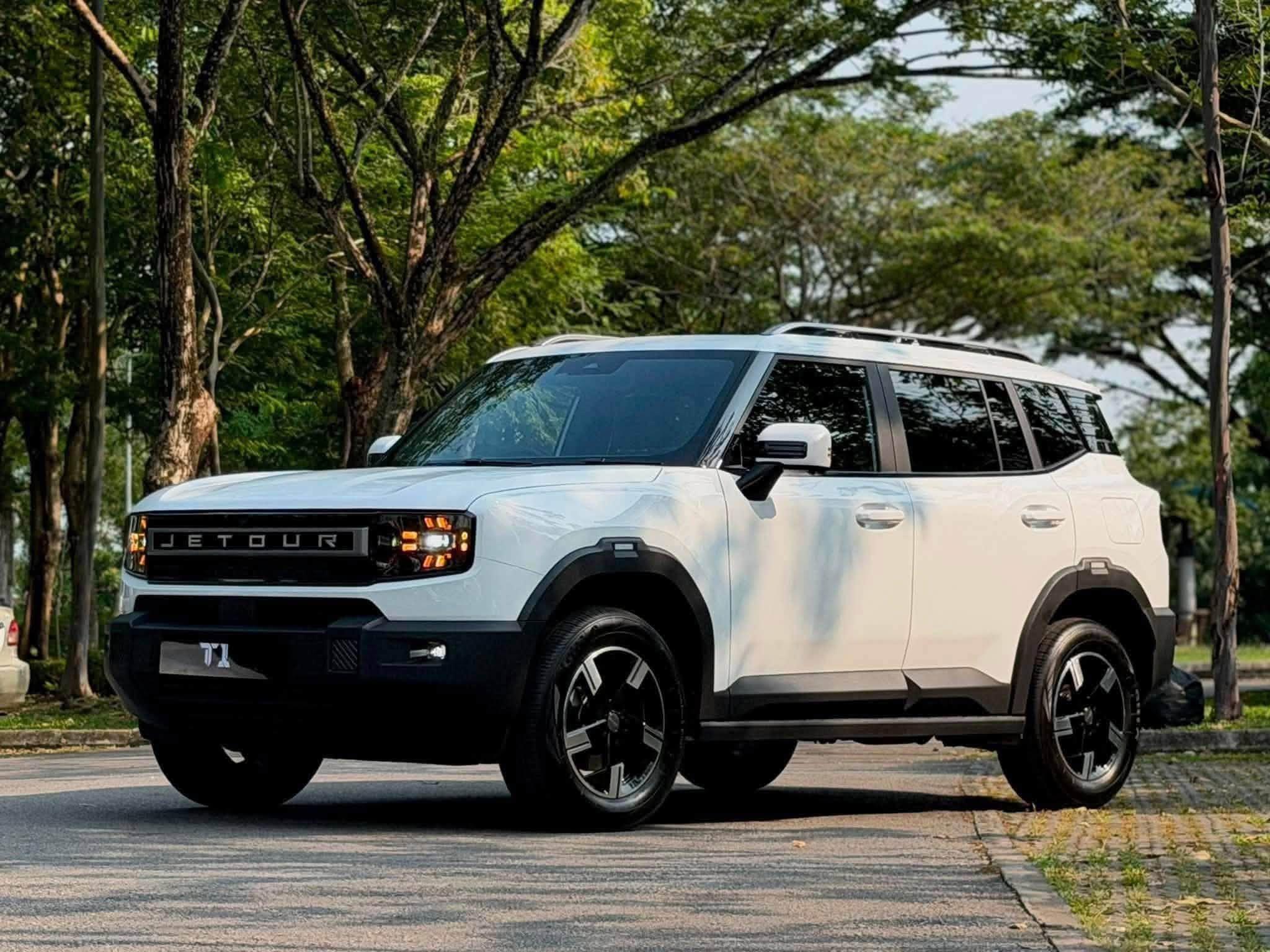
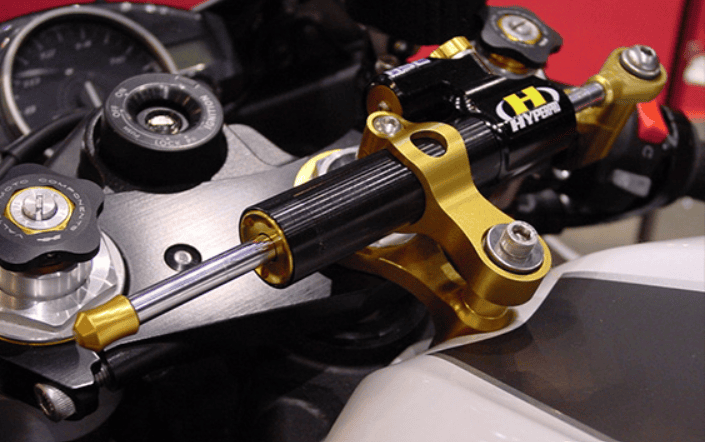
As industry professionals, a key observation we make is that steering dampers are predominantly used in 4x4 off-road jeeps, heavy commercial vehicles, and high-performance motorcycles rather than standard passenger cars. When you drive a jeep over rough, rocky terrain, the wheels constantly hit obstacles that forcefully push them to the left or right. If that violent force travels straight up the steering column, it can severely injure the driver's hands or cause a complete loss of vehicle control. A steering damper absorbs this impact, keeping the steering perfectly stable.
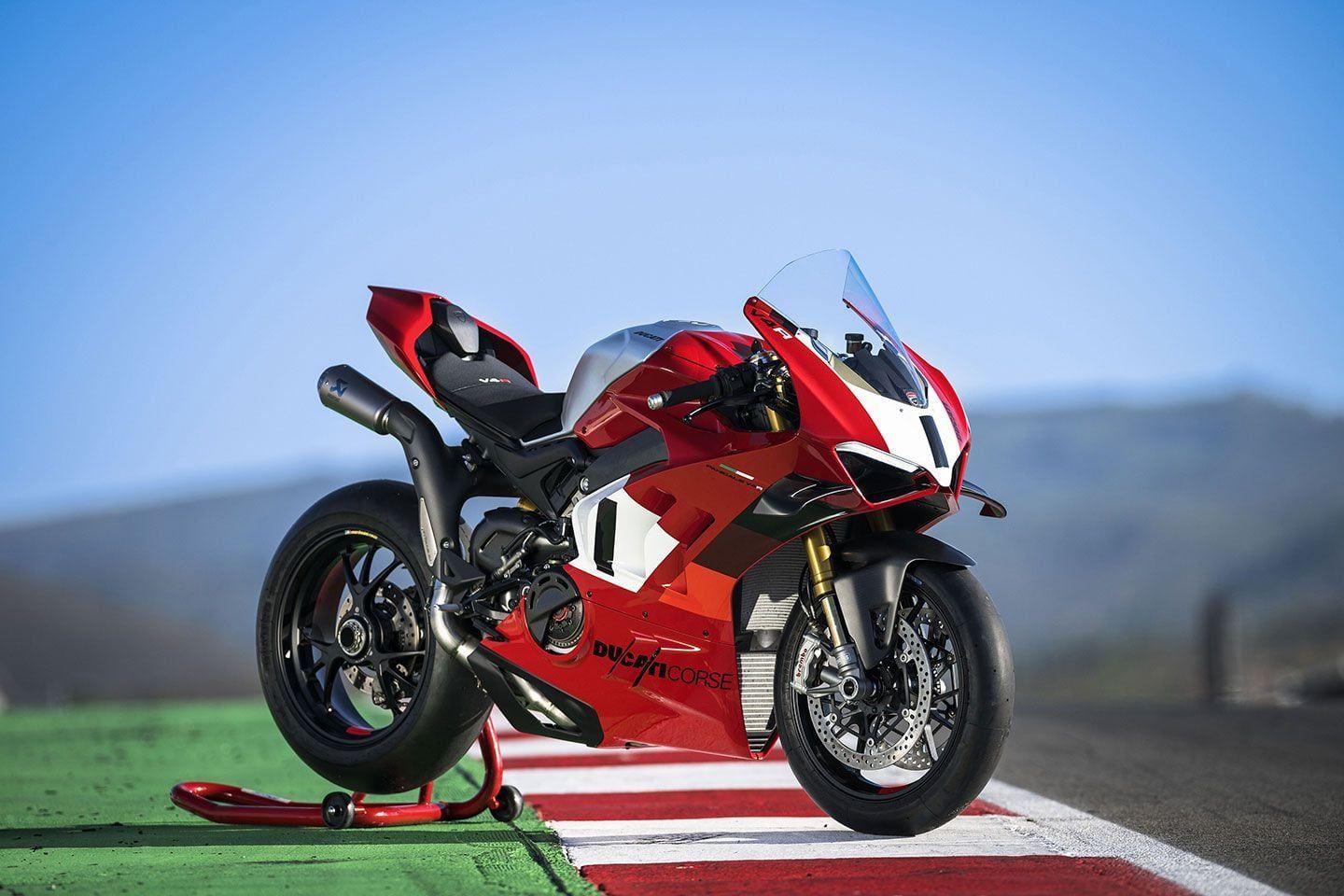
Furthermore, steering dampers are absolutely essential to prevent a terrifying phenomenon known as "speed wobble" or a "tank-slapper" at high speeds. When driving on highways at top speeds, wind pressure and road imperfections can cause the steering to violently oscillate back and forth. This can lead to fatal accidents as the driver loses all control. A steering damper neutralizes these dangerous vibrations, making high-speed driving a much safer and smoother experience.
Hydraulic vs. Electronic Dampers
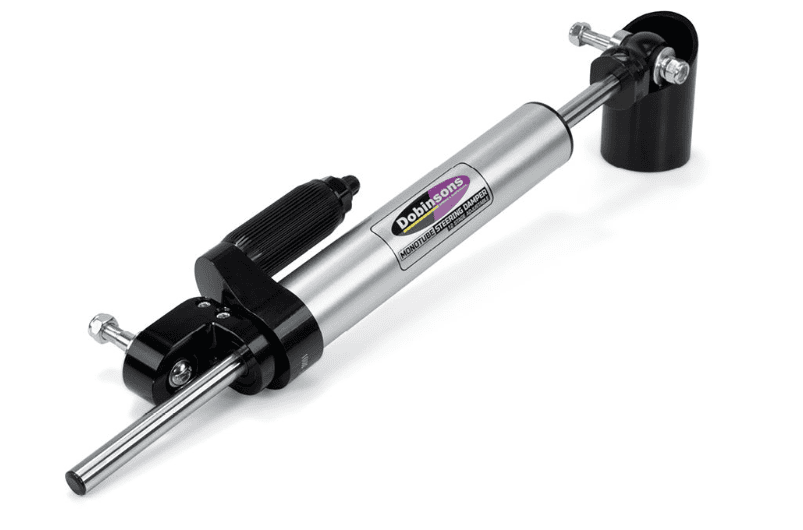
From a technical standpoint, there are several types of steering dampers. Standard hydraulic dampers utilize a cylinder filled with oil to provide constant resistance. Conversely, modern high-end vehicles and superbikes feature Electronic Steering Dampers (ESD). These advanced systems automatically adjust the steering stiffness based on the vehicle's speed. They keep the steering light and effortless for low-speed city driving and parking, while automatically stiffening up on the highway to provide maximum high-speed stability.
The Drawbacks for Standard City Cars
However, this technology does have a few drawbacks. Steering dampers are entirely unnecessary for standard city cars used for daily commutes. Installing one on a regular car will make the steering feel noticeably heavy. You would have to apply much more physical effort to turn the wheel, especially during low-speed parking maneuvers. This is exactly why manufacturers do not equip standard passenger cars with them; they are strictly meant for heavy-duty and off-road applications.
The Sri Lankan Context and Maintenance
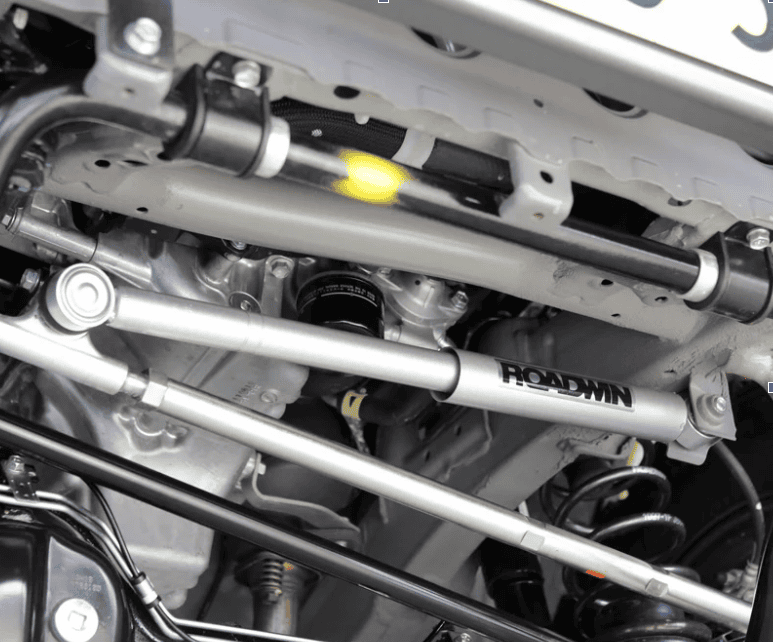
Looking at the situation in our country, given the rough and pothole-ridden nature of some of our roads, many 4x4 owners are highly interested in installing aftermarket steering dampers. Not only does it improve safety, but it also drastically reduces the wear and tear on the steering rack, steering box, and tie rod ends, extending their lifespan. However, if a damper develops a fault—such as an internal oil leak—the steering can become abnormally heavy or continuously pull to one side. Therefore, regular inspection during routine maintenance is critical.
Motor Guide's Final Advice
Motor Guide's final advice is this: if you frequently drive a 4x4 vehicle on rough off-road trails, or ride a high-performance motorcycle on highways, installing a high-quality steering damper is one of the best upgrades you can make to maximize your driving safety and stability.
And don't forget to always stay tuned with Motor Guide to learn more valuable information like this about modern vehicles and technology!

Written by
Nisaga Sandaru
A versatile and highly experienced professional, currently an Automobile undergraduate at the University of Jaffna, with strong technical expertise grounded in hands-on work as a technician with SriLankan Airlines Ground Support Equipment (GSE). Holding an Automobile NVQ Level 3 qualification, along with specialized certifications in Vehicle ECU Programming and Diagnosis, and extensive experience in arc welding and vehicle body painting, and well equipped to handle complex automotive, diagnostic, and fabrication-related tasks with a high level of competence.