What is AIRMATIC Suspension?

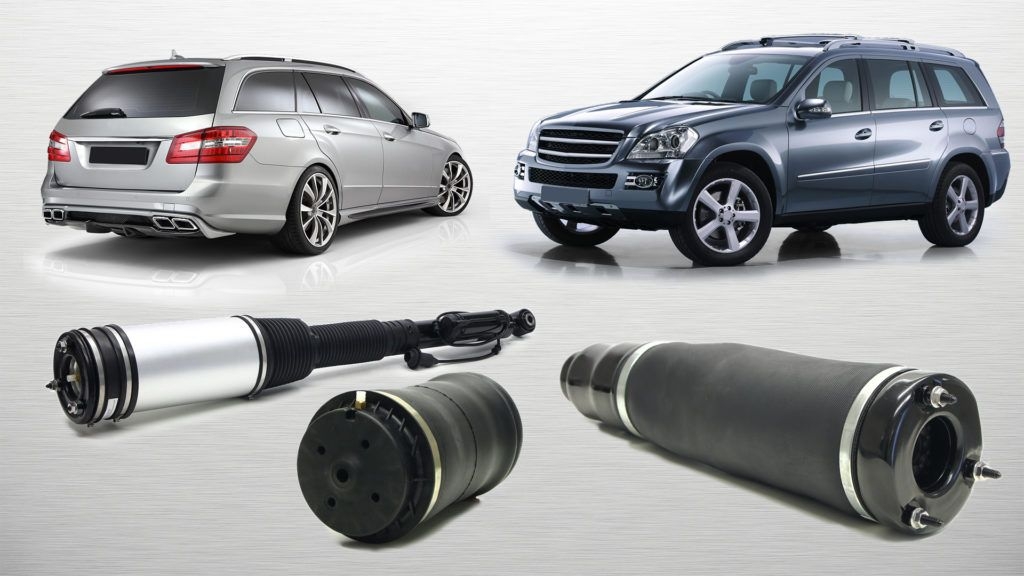
AIRMATIC can be described as a highly advanced, Semi-Active Air Suspension System introduced by Mercedes-Benz in some of their Luxury Vehicles.
Instead of the Coil Springs found in standard vehicles, this system uses Compressed Air to automatically and flexibly control the vehicle's height and suspension stiffness/damping.
Main Objectives and Benefits of AIRMATIC
The AIRMATIC system is designed primarily for two reasons:
- Superior Comfort: It absorbs road bumps and ruts, providing the driver and passengers with an incredibly smooth and comfortable ride.
- Handling and Stability: It facilitates easier driving stability and control. By adjusting the vehicle's height and suspension stiffness, it provides maximum control and safety at any speed and during cornering.
How AIRMATIC Works and Key Components
AIRMATIC is not a simple mechanical system. It is a combination of Electronic and Pneumatic technology. Here are the key components of this system:
Air Springs/Struts
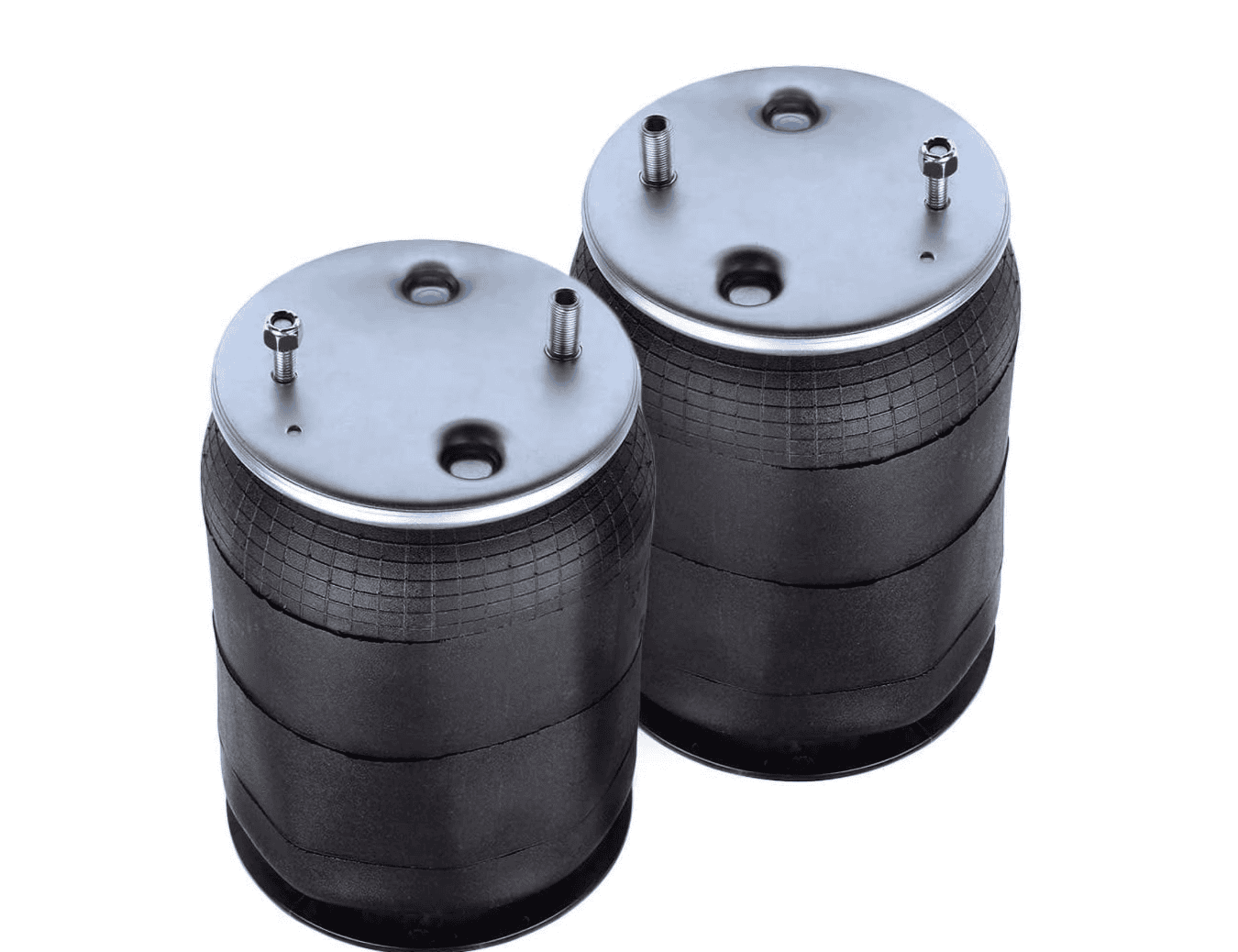
These are used instead of traditional coil springs. Made of rubber and plastic, they can change the vehicle's height by filling with or releasing air.
Air Compressor
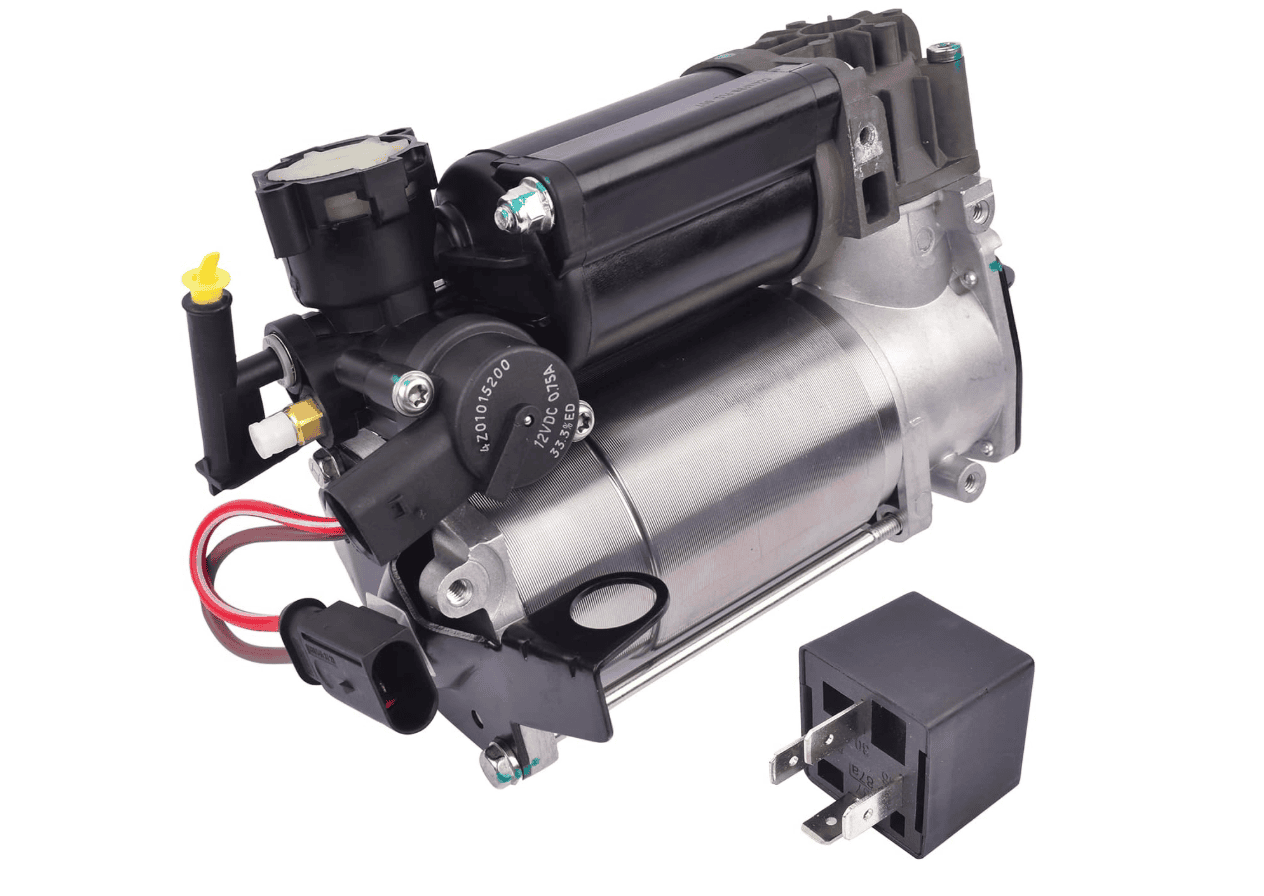
This provides the necessary compressed air to the air springs.
Air Lines and Valve Block
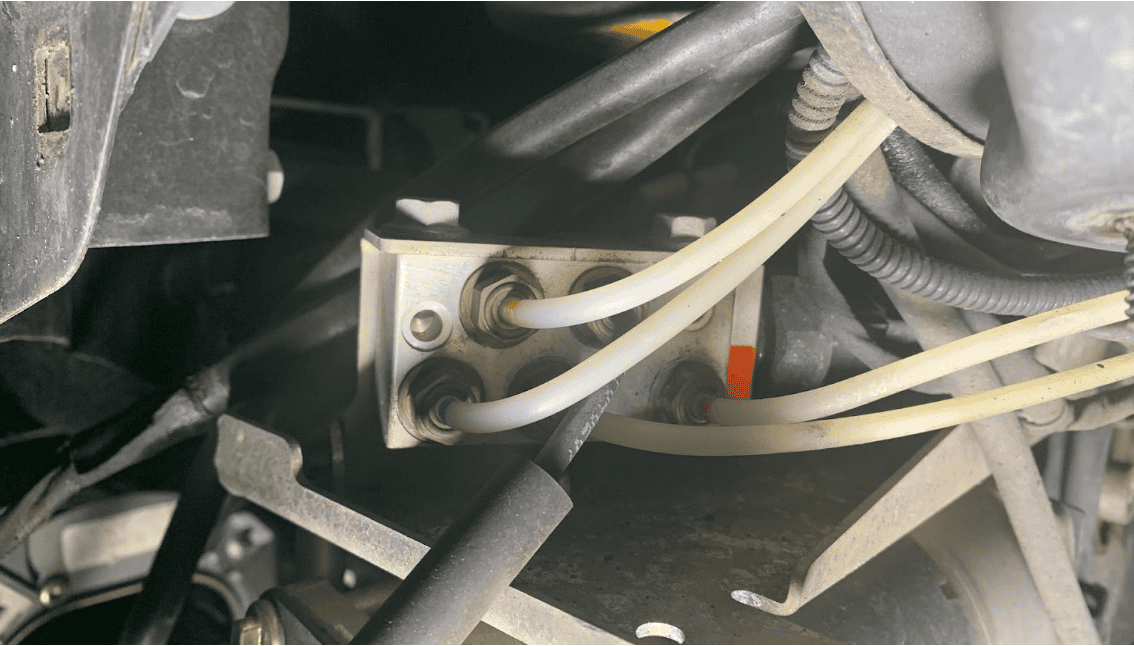
This is the system through which air travels between the compressor and the springs. The air going to each spring is controlled through valves.
Height Sensors
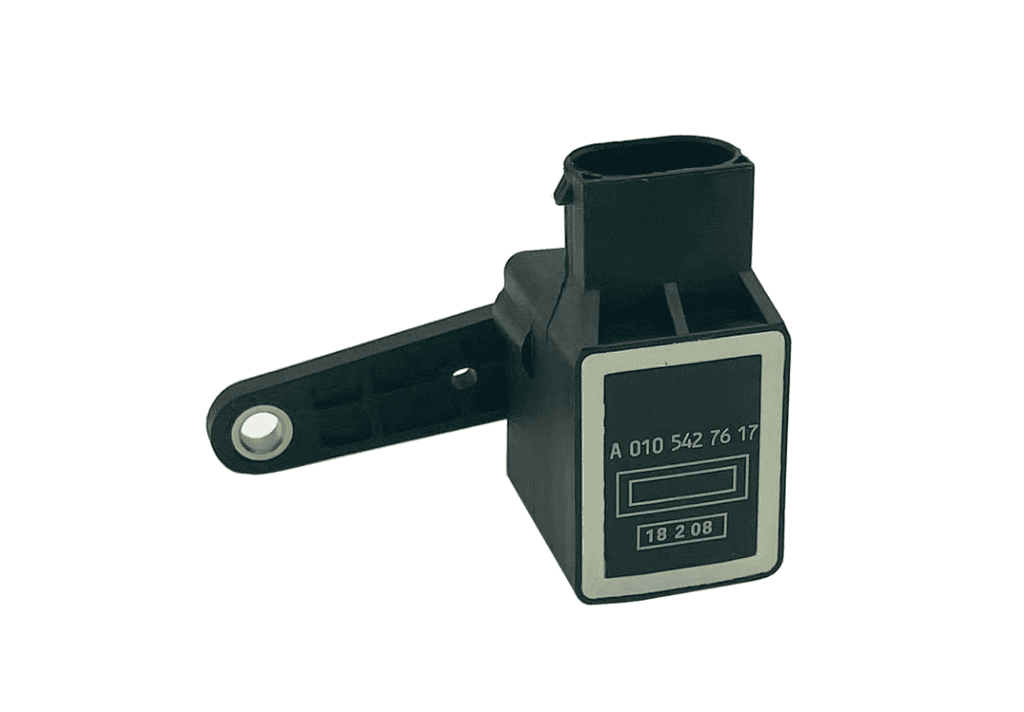
Located near each wheel, these sensors measure the distance between the vehicle body and the wheel and send information to the control unit.
Adaptive Dampers (ADS PLUS)
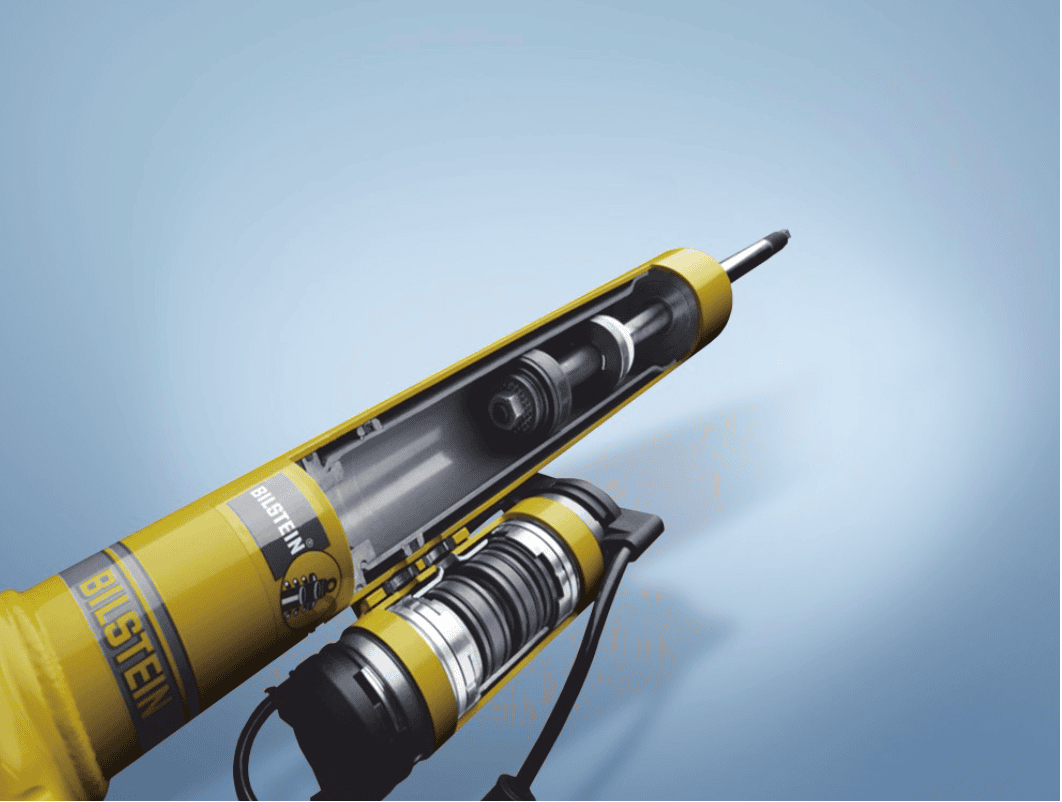
These automatically change the stiffness of the shock absorbers from second to second. This allows the ride to be comfortable or stable depending on road conditions.
Control Unit (ECU)
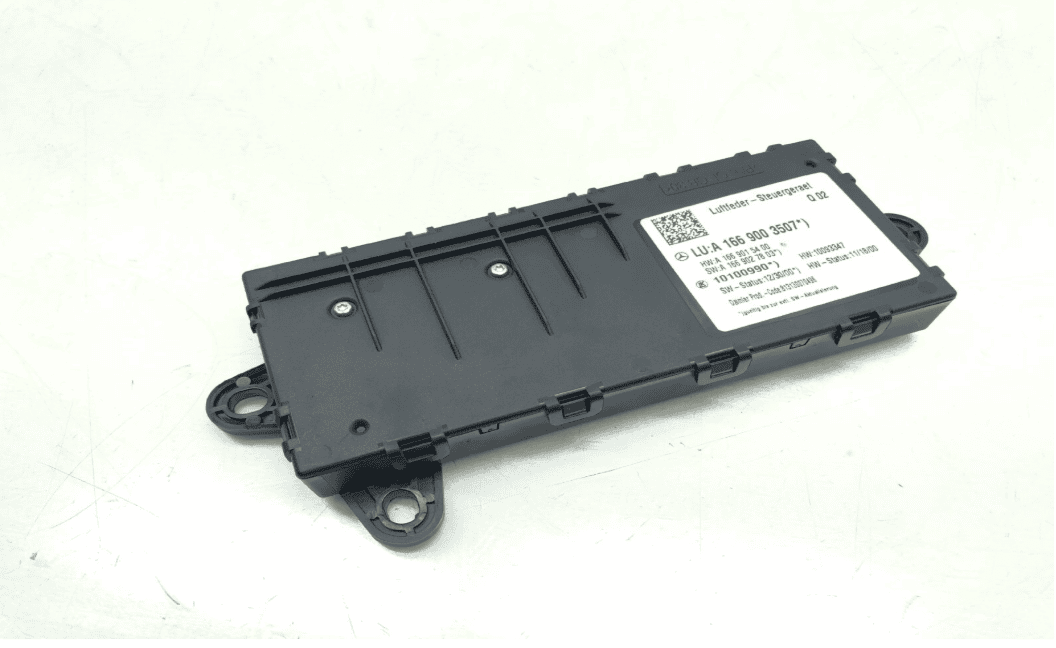
This is the 'brain' of the system. It analyzes data from sensors (speed, road conditions, load, driver selection) and controls the compressor and valves.
Key Functions
- Automatic Level Control: Regardless of the load placed on the vehicle (passengers or cargo), AIRMATIC maintains the vehicle height at the same level at all times.
- Speed-Dependent Lowering: On highways (e.g., at speeds over 120 km/h), the vehicle automatically lowers by a few inches. This reduces Air Drag/Wind Resistance, thereby increasing Fuel Efficiency and stability.
- Adaptive Damping: Softens shock absorbers for a comfortable ride (Soft/Comfortable Setting). Hardens shock absorbers during sharp turns or at high speeds (Firm/Sport Setting) to reduce Body Roll and provide maximum control.
- Manual Height Adjustment: The driver can raise the vehicle with the push of a button if needed (e.g., to increase ground clearance). It automatically lowers to normal height when returning to a lower speed or exceeding a certain speed.
Driving Modes: Many AIRMATIC systems offer the facility for the driver to choose Drive Modes according to their needs.
- Comfort: For a very comfortable ride. Keeps suspension soft.
- Sport / Sport Plus: For faster and sportier driving. Suspension becomes hard, the vehicle lowers slightly, and acceleration and handling improve.
- Off-Road: Some SUV models have the option to maximize Ground Clearance for rough roads.
AIRMATIC is a modern technology that brings comfort, control, and fuel efficiency into a single system. However, being more complex than a traditional suspension system, the chances of faults in its components (especially air springs and the compressor) and repair costs can be relatively higher.
Proper Maintenance and Potential Issues of the AIRMATIC System
AIRMATIC is a complex system that provides a comfortable ride, and it requires correct maintenance and troubleshooting to function properly.
Tips for Proper Maintenance
There are several things to pay attention to regularly to extend the lifespan of AIRMATIC system components.
- Regular Inspection: Every time the vehicle is serviced, check the Air Bellows and connected rubber parts for cracks or decay. Ensure Air Lines are properly secured.
- Compressor Filter Check: The air entering the system through the Compressor must be clean. If this filter gets clogged with moisture and debris, it can damage the compressor. Therefore, check and replace it if necessary.
- Role of the Dryer: A Desiccant dryer works to prevent moisture retention within the system. If this fails, it can damage the Valve Block.
- Control Software Updates: Checking for the latest software updates for the system's Control Unit (ECU) can improve performance and troubleshooting.
Major Potential Issues and Their Symptoms
Most issues that typically arise in an AIRMATIC system are air-related or electrical faults.
- Air Leaks: Caused by the rubber parts of air springs cracking over time or loose connections in air lines. This can be identified if the vehicle is lowered on one side or all sides after parking. Sometimes, the vehicle may lower to the point of touching the tires within a few days.
- Compressor Failure: This happens when the compressor has to work overtime due to a continuous air leak or when it reaches the end of its lifespan. Symptoms include the vehicle not reaching the required height or rising very slowly, or an AIRMATIC or Suspension error message lighting up on the dashboard.
- Valve Block Malfunction: Caused by valves inside the block not functioning properly or damage due to moisture. Symptoms include irregular air control. For example, one wheel being lower than the others or one side being higher than the other.
- Height Sensor Faults: Caused by damage to the sensors located near each wheel or interruption of electrical connections. Symptoms include the system's inability to measure the vehicle's correct height, resulting in the automatic height control not functioning properly.
Important Advice
Never ignore error messages. If you see any warning signal regarding AIRMATIC, check it immediately. Driving continuously with a leak can completely disable the compressor. Also, for AIRMATIC repairs, seek the assistance of an expert technician who can perform the correct Diagnosis and properly calibrate the system.
Written by
Nisaga Sandaru
A versatile and highly experienced professional, currently an Automobile undergraduate at the University of Jaffna, with strong technical expertise grounded in hands-on work as a technician with SriLankan Airlines Ground Support Equipment (GSE). Holding an Automobile NVQ Level 3 qualification, along with specialized certifications in Vehicle ECU Programming and Diagnosis, and extensive experience in arc welding and vehicle body painting, and well equipped to handle complex automotive, diagnostic, and fabrication-related tasks with a high level of competence.