What are Radial Tires?

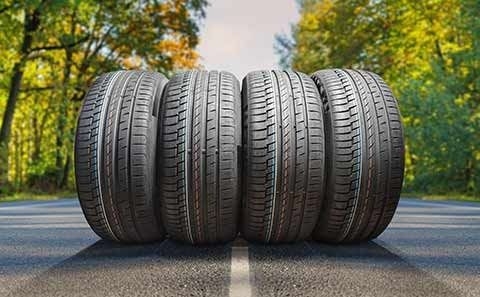
Radial tire technology is used in about 99% of the vehicles we drive today. So, at Motor Guide, we thought we should talk about these Radial Tires.
What are Radial Tires?
Simply put, the Radial Tire is the most popular type of tire for cars and light trucks in the world today. They are called "Radial" because of the way the ply layers inside the tire are arranged.
- In a radial tire, the ply layers (cords) run at a 90-degree angle to the centerline (Radially), from one side (bead) to the other.
- Underneath the part of the tire that touches the ground (the Tread), there is a separate layer of reinforcing belts (usually made of steel) running around the tire.
How does the Radial Tire design work?
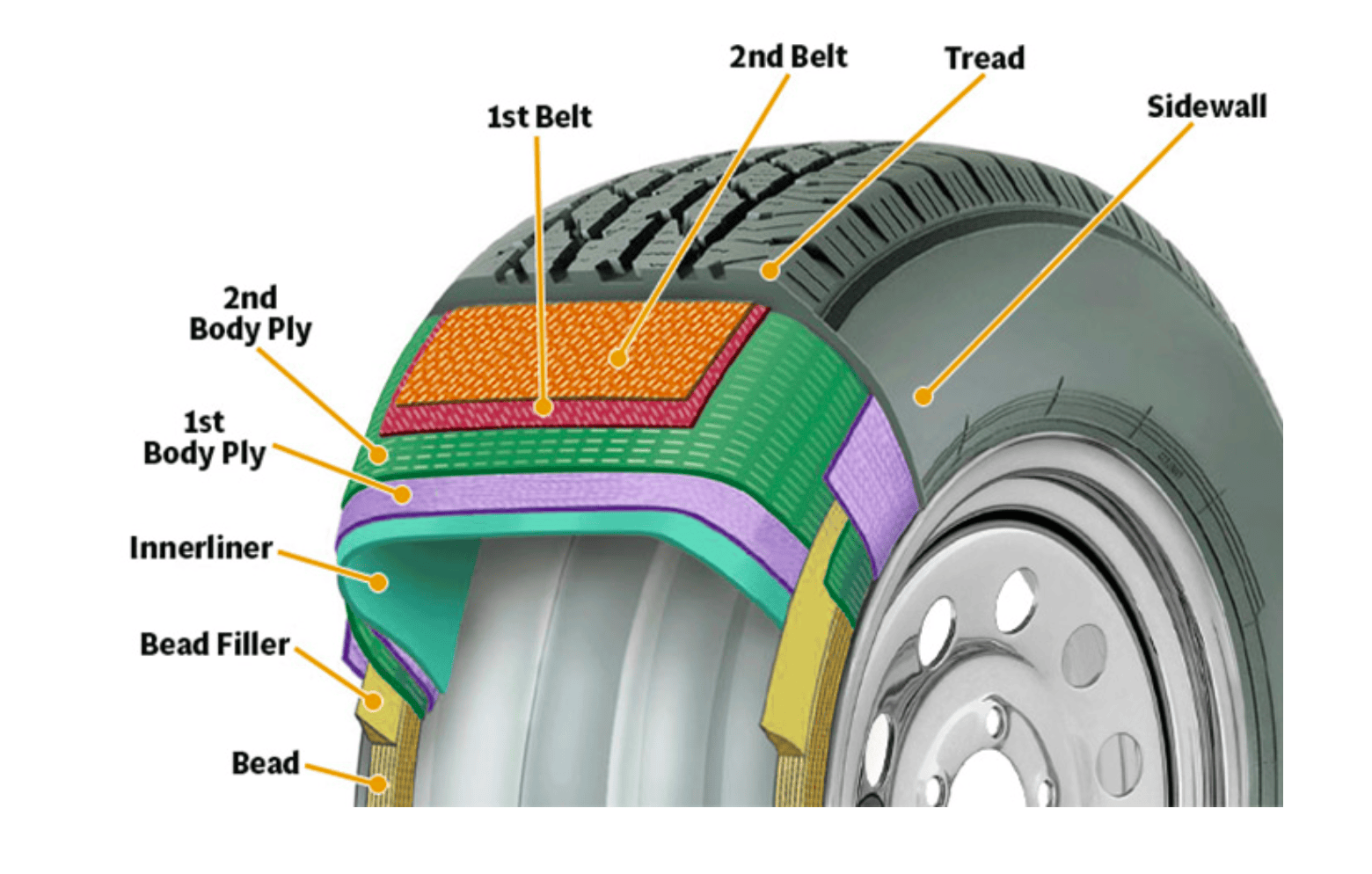
This design is the secret behind radial tires. Because the cord layers are positioned radially, the Sidewall of the tire and the Tread (the part touching the road) function independently of each other.
The radial positioning makes the sidewall very flexible. This flexibility allows it to absorb bumps better, resulting in a comfortable ride.
Because of the Steel Belts under the tread, the part of the tire touching the ground remains firm and flat against the road.
What are the Main Benefits of Radial Tires?
- Better Traction/Grip: Since the tread always stays flat on the road, it maintains good friction (grip) with the road surface, especially when cornering and braking.
- Longer Tread Life: Due to the stable contact patch, tire wear occurs evenly. This increases the tire's lifespan.
- Better Fuel Economy: The resistance created when the tire rolls (Rolling Resistance) is lower than in traditional (Bias-ply) tires. Therefore, less energy is needed to drive the vehicle, increasing fuel efficiency.
- Comfortable Ride: Due to the flexible sidewall, small vibrations and bumps on the road are absorbed well, increasing comfort.
The Difference Between Radial Tires and Bias-Ply Tires
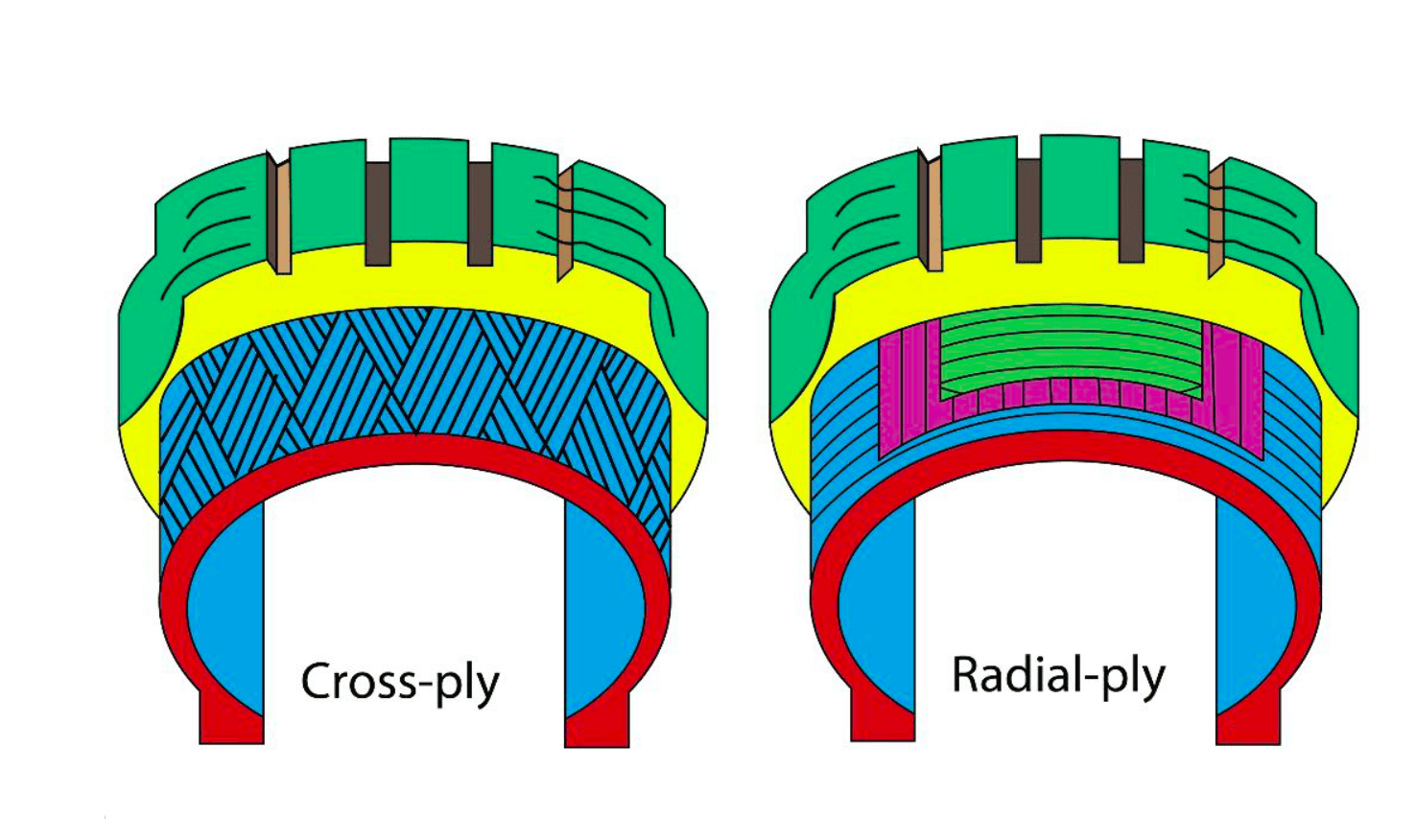
First, let's look at the internal structure of both tires. The main difference lies in how the ply cords reinforcing the tire are arranged. In Bias-Ply tires, these ply cord layers run diagonally across the tire's centerline. This means one layer runs at a 30°-45° angle, while the other layer runs in the opposite direction. Because of this, the Tread and the Sidewall are tightly connected and act as a single unit.
On the other hand, in Radial Tires, the ply cord layers are arranged at a 90-degree angle (radially) to the centerline. Here, to strengthen the contact patch, a layer of steel or fabric belts is placed horizontally under the tread. Due to this radial structure, the sidewall and the tread function independently.
There are many performance benefits due to this independent operation. In a Bias-Ply tire, the sidewall is stiff, and the tire's shape distorts completely when cornering. This reduces the grip on the road. Also, when driving at high speeds, the cord layers rub against each other, generating excess heat. This high heat is detrimental to the tire's safety and lifespan.
In contrast, the sidewall of a Radial Tire is very flexible, allowing it to absorb road bumps and vibrations well, providing a much more comfortable ride. Because of the rigid belts under the tread, the tire always stays flat on the road. As a result, traction is very high, and since the tire wears evenly, it has a long lifespan. Furthermore, due to the radial positioning, internal friction is minimized, generating less heat, making Radial Tires very safe for high-speed driving. For these reasons, the Radial tire has become the standard in the automotive industry today.

Written by
Nisaga Sandaru
A versatile and highly experienced professional, currently an Automobile undergraduate at the University of Jaffna, with strong technical expertise grounded in hands-on work as a technician with SriLankan Airlines Ground Support Equipment (GSE). Holding an Automobile NVQ Level 3 qualification, along with specialized certifications in Vehicle ECU Programming and Diagnosis, and extensive experience in arc welding and vehicle body painting, and well equipped to handle complex automotive, diagnostic, and fabrication-related tasks with a high level of competence.