How to Properly Park an Auto Gear Vehicle

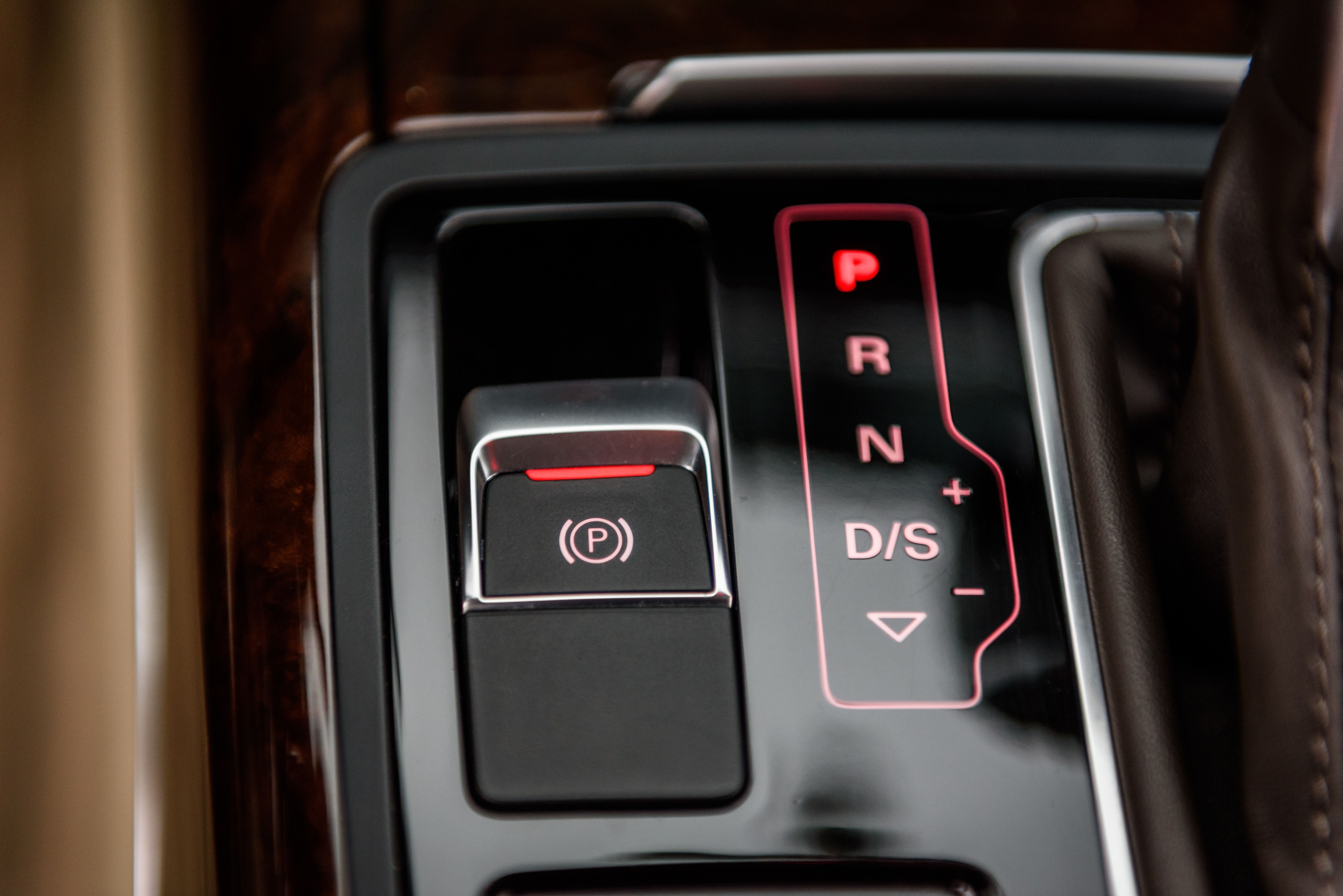
At Motor Guide, we decided to discuss the correct and safe way to park an Auto Gear (Automatic) vehicle in a detailed and practical manner.
How to Park an Auto Gear Vehicle Correctly?
Today, many people use vehicles with automatic transmission systems (Autogear). While driving these vehicles is easy, many do not pay enough attention to parking them correctly and safely. Let's clarify the correct steps you should follow when parking an auto gear vehicle and the importance behind those steps.
This is extremely important for protecting your vehicle's transmission (gearbox) in the long run and preventing the vehicle from rolling away.
Let's Look at the Correct Parking Steps
When parking your auto gear vehicle (whether on the road, in a garage, or on a slope), always follow these 3 steps.
Step 1:
Bring the vehicle to a complete stop.
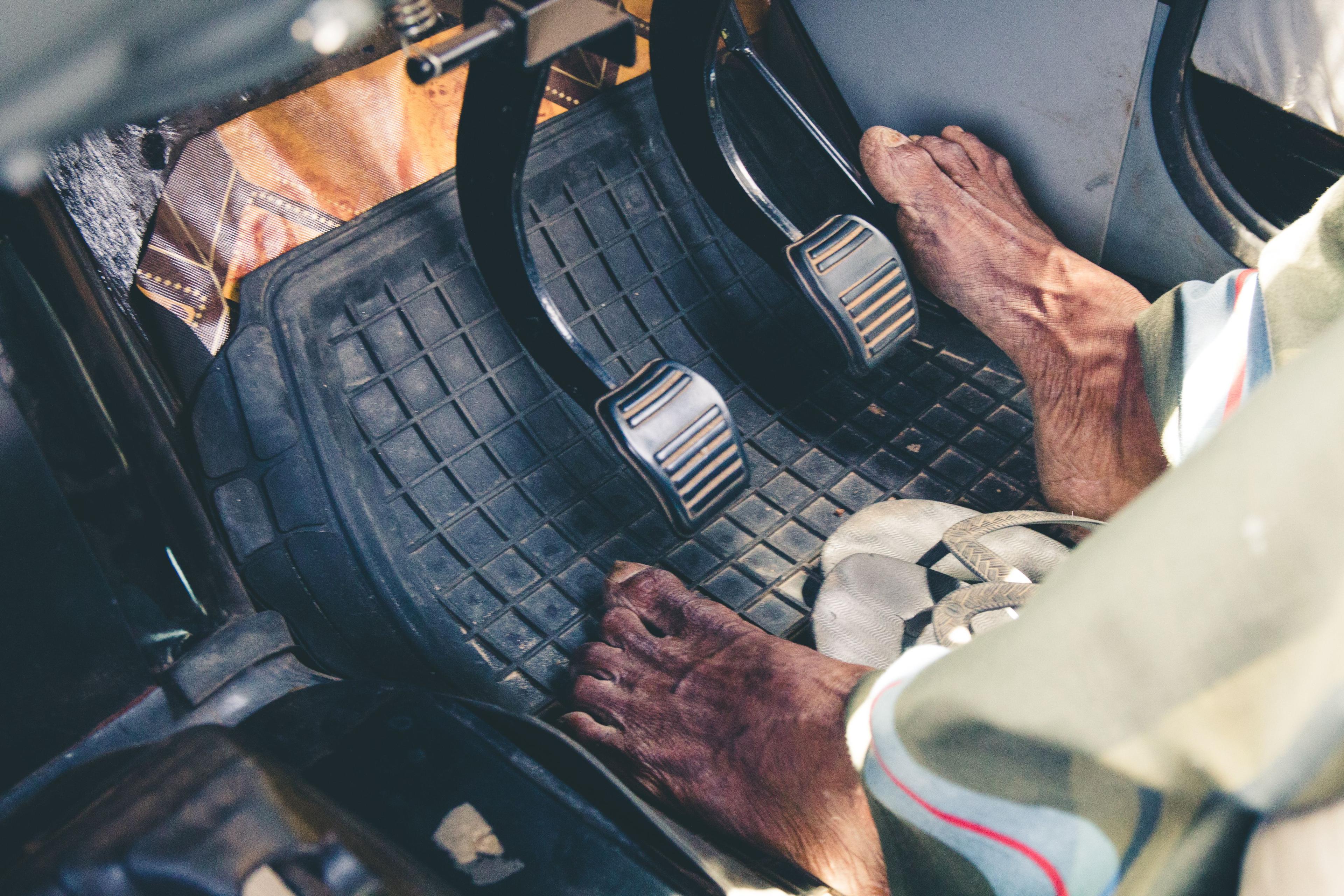
Once you arrive at the spot where you intend to park, keep the gear in 'Drive' (D) or 'Reverse' (R), keep your foot on the brake pedal (Foot Brake), and bring the vehicle's movement to a complete halt.
Step 2:
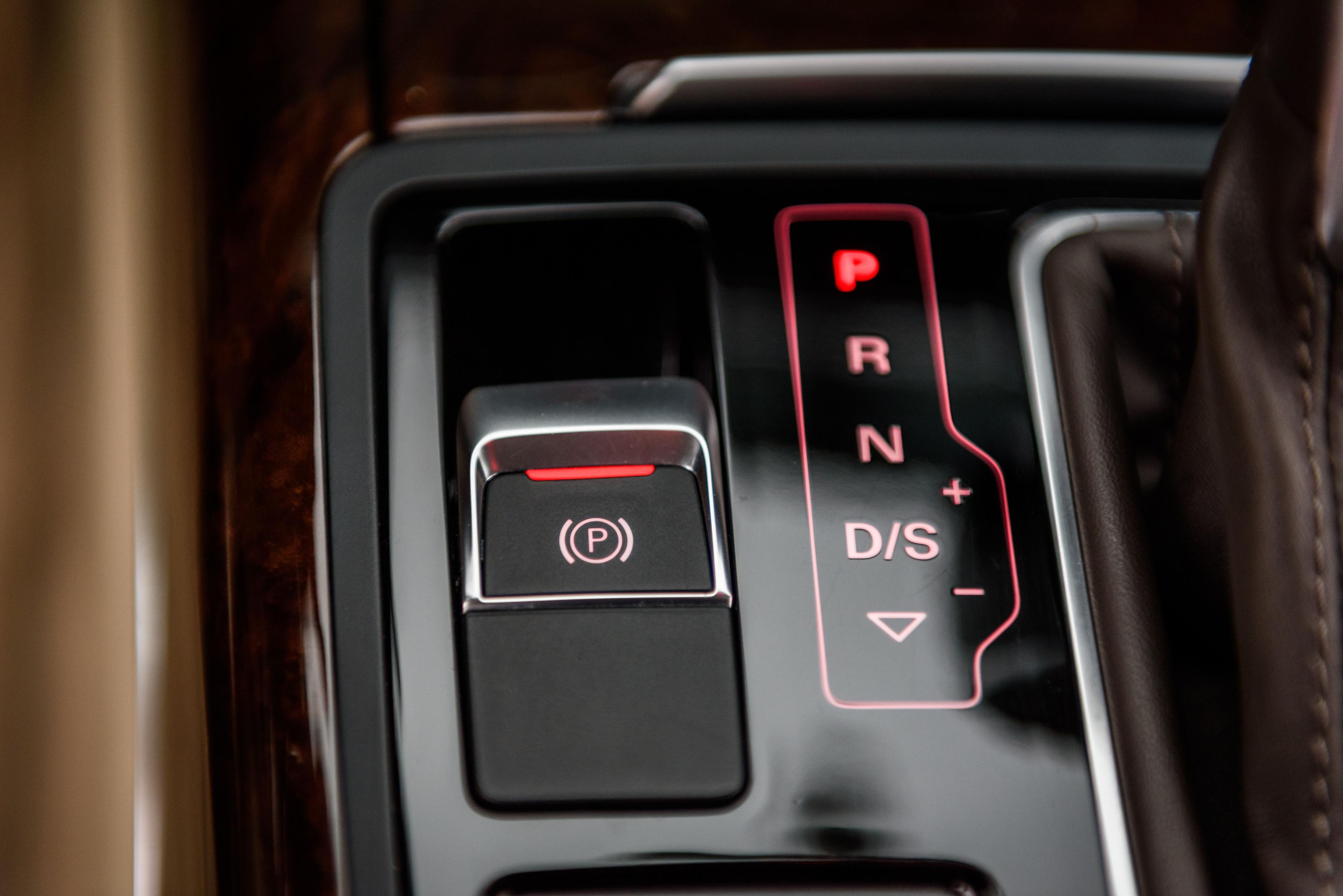
Now, shift the gear lever to 'Neutral' (N).

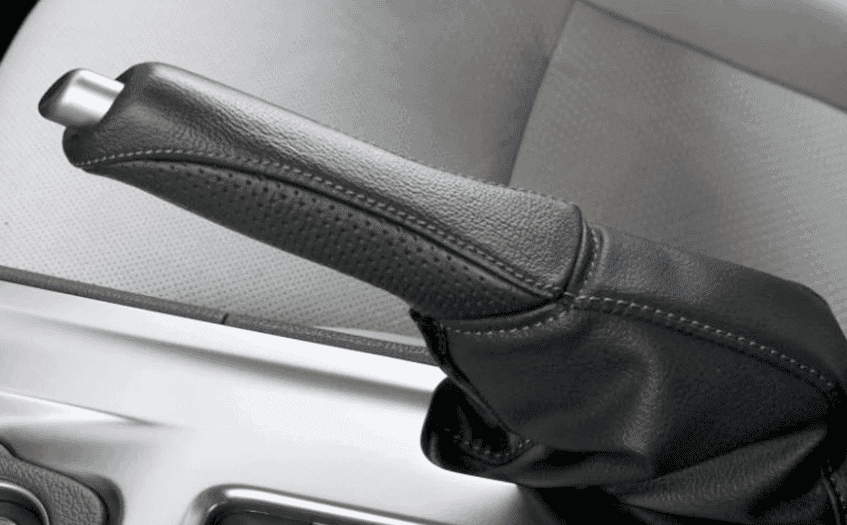
Now, pull the Handbrake (Parking Brake) firmly. If you are on a slope, pull it as tight as possible. If you have an Electronic parking brake, engage it. At this moment, even if you take your foot off the brake pedal, the vehicle's weight is held by the Handbrake. There is no load on the gearbox at this point.
Step 3:
Finally, shift the gear lever to 'Park' (P) and switch off the engine.

When you release your foot from the brake pedal again, the vehicle might move slightly (since the load is already taken by the Handbrake). This movement should be very minimal.
Why Should You Do This? (The Secret of 'P')
In auto gear vehicles, when you put it in 'Park' (P), a small metal piece called a Parking Pawl locks a component inside the gearbox. Simply put, 'P' is a final safety mechanism for parking; it is not the primary mechanism designed to bear the vehicle's weight.
If you shift directly to 'P' and remove your foot from the brake without engaging the Handbrake (or not engaging it properly), the entire weight of the vehicle rests on that small 'Parking Pawl.' This can lead to serious mechanical damage.
The Solution
Because we engage the Handbrake while in 'N', the vehicle's entire weight is transferred to the Handbrake. Then, when we shift to 'P', it only acts as extra security. This protects your gearbox.
How to Park on a Slope? (For Hilly Areas)
If you are parking in a hilly area or on an incline, in addition to following the 3 steps above, you need to take another safety measure.
Turning the Wheels

If you are parking facing uphill, turn the front wheels away from the road (to the right). If you are parking facing downhill, turn the front wheels toward the curb/road (to the left).

The importance of doing this is that even if the Handbrake fails, turning the wheels ensures the vehicle will hit a curb or fence instead of rolling straight down the hill into traffic. This can prevent a major accident.
Steps to Follow When Restarting
You must also follow the correct steps when starting your journey again. First, get into the vehicle and start the engine. Then, press the foot brake firmly. Now, shift the gear from 'P' to 'R' or 'D'. (Do not try to shift out of 'P' without pressing the foot brake — this can damage the gear lever). Now, release the Handbrake. Start your journey.
Make these simple but crucial steps a habit. It will undoubtedly be extremely important for the safety of your vehicle's mechanical system and your road safety.

Written by
Nisaga Sandaru
A versatile and highly experienced professional, currently an Automobile undergraduate at the University of Jaffna, with strong technical expertise grounded in hands-on work as a technician with SriLankan Airlines Ground Support Equipment (GSE). Holding an Automobile NVQ Level 3 qualification, along with specialized certifications in Vehicle ECU Programming and Diagnosis, and extensive experience in arc welding and vehicle body painting, and well equipped to handle complex automotive, diagnostic, and fabrication-related tasks with a high level of competence.