What is an Electronic Parking Brake (EPB)?

Today at Motor Guide, we are discussing a feature that many people in the automotive world are talking about these days, and a highly useful one at that: the Electronic Parking Brake, or EPB system. Remember the days when we all used to pull the handbrake by hand while driving? That old mechanical method has now been replaced in many modern vehicles by advanced technology operated by a simple button. So today, let's talk simply about how this electrically operated system that replaces the manual handbrake works, and what benefits we get from it.
How Does It Work?
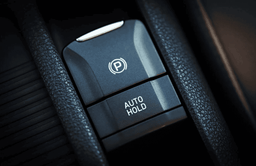
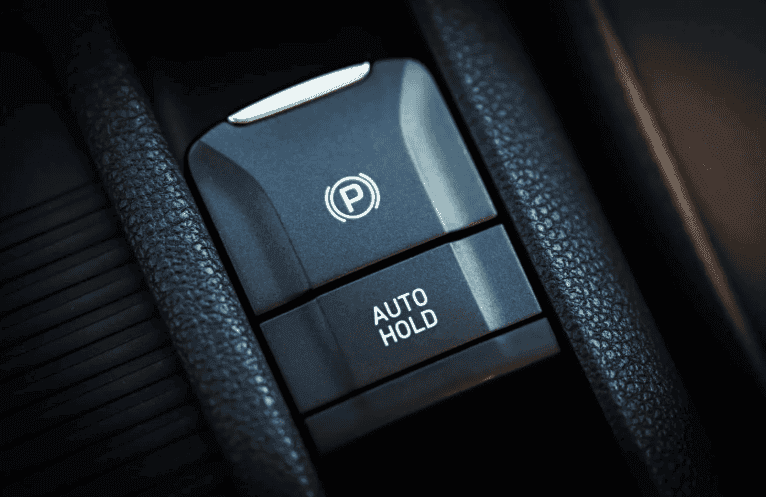
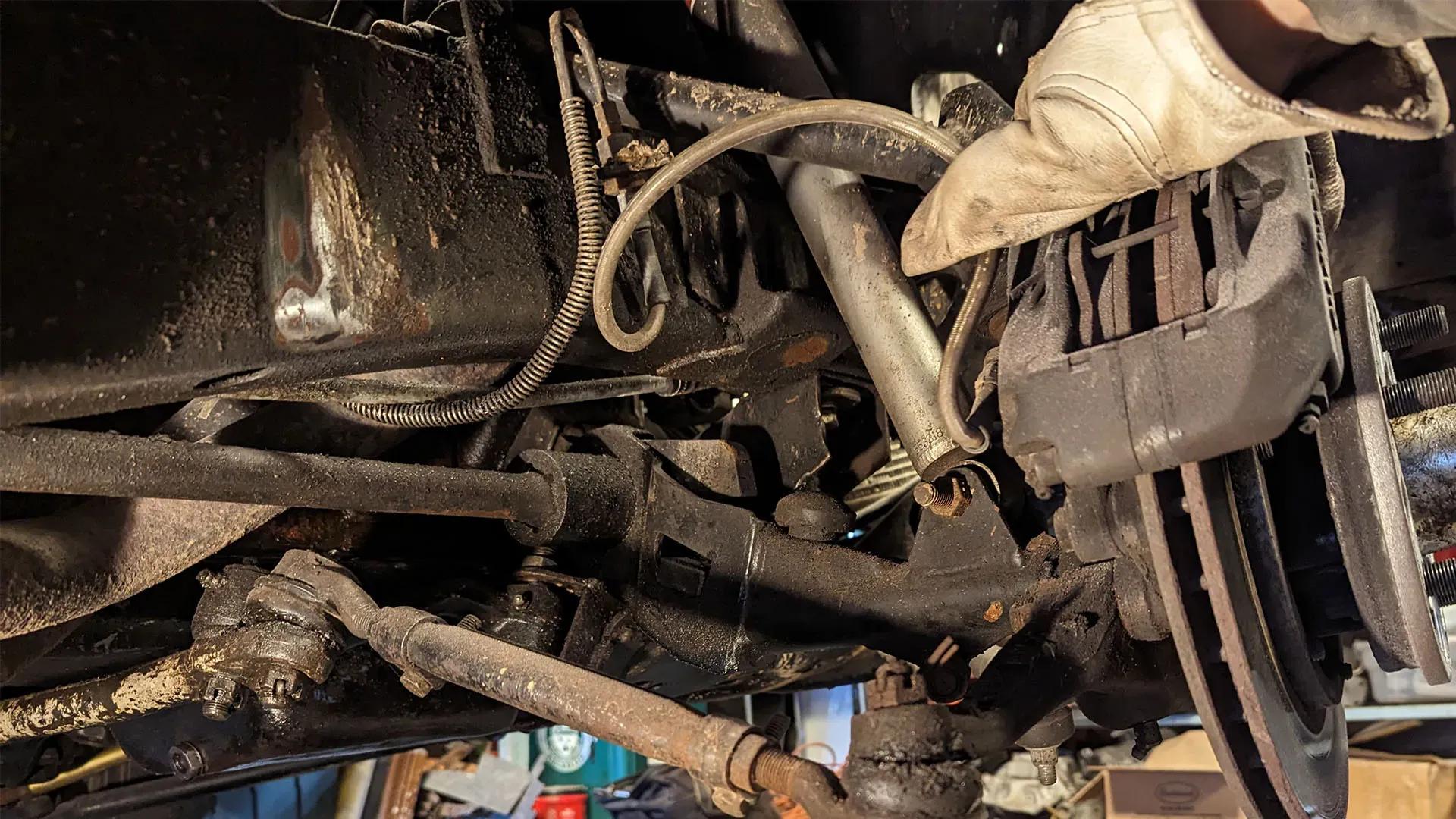
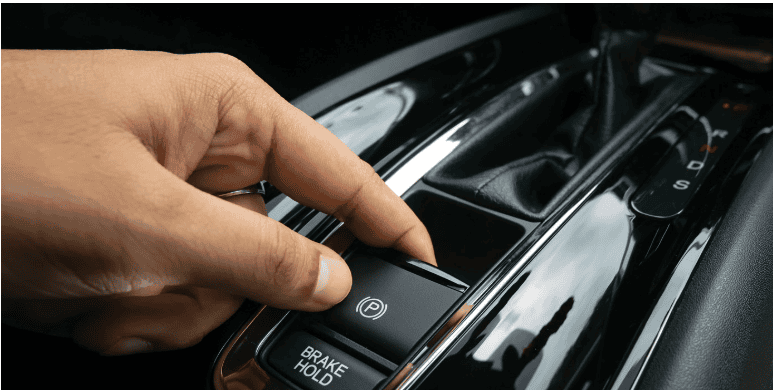
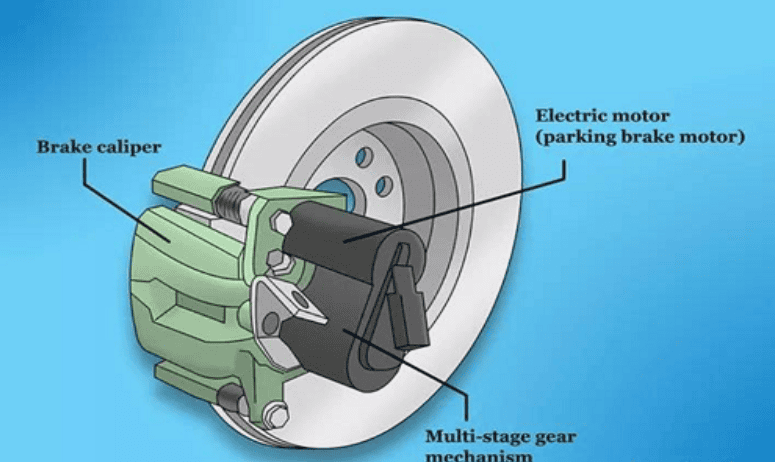
First, let's look at what this electronic parking brake actually is. Normally, in older vehicles, when we pulled the brake lever by hand or pressed a foot parking brake, the wheels were clamped via steel cables. But in this EPB system, there are no cables at all. There is only a small switch here. This is usually located on the dashboard or near the gear lever. When we pull or press this switch, the ECU system sends signals to the electronic motors on the wheels to engage or release the brake pads.
The Convenience of Auto Hold
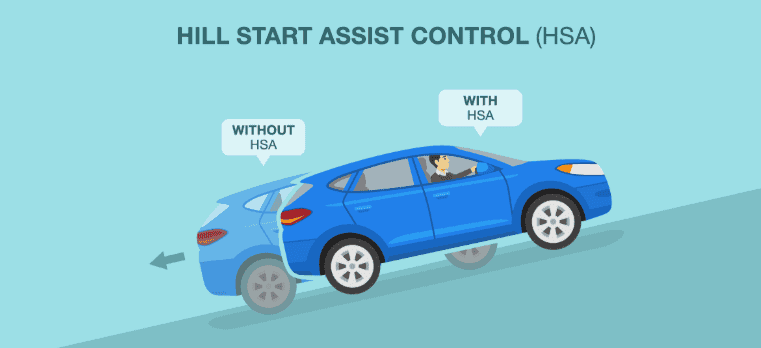
As professionals in this field, the biggest advantage we see is how much it eases the driver's workload. We all know the hassle of pulling and releasing the handbrake when stuck in traffic or when starting on a steep slope. But with the Auto Hold feature that comes with this EPB system, as soon as you bring the vehicle to a complete stop, it stays right there without rolling forward or backward, even if you take your foot off the brake pedal. As soon as you press the accelerator again, the brake releases on its own, and the vehicle moves forward. This truly makes driving a lot easier.
Advanced Safety Features
Also, the safety of this system is at a very high level. If you accidentally leave the vehicle in the 'Drive' gear and try to open the door and step out without applying the handbrake, this smart system detects it and automatically engages the parking brake. Furthermore, if the regular brake system fails in an emergency while driving on the road, you can continuously hold the EPB switch to safely bring the vehicle to a halt. Needless to say, this provides massive safety for both the driver and passengers.
Things to Keep in Mind
However, there are a few things to be mindful of when using this system. Unlike standard cable brakes, this is a fully electronic and motorized system. If the vehicle's battery goes completely dead, you might sometimes be unable to operate this EPB system. Also, if a fault occurs, only technicians with specialized knowledge—rather than standard mechanics—can repair these. Therefore, we must ensure that the vehicle's battery and electrical system are properly maintained.
Space Saving and Reduced Maintenance
As we mentioned earlier, this also saves space in our cabin. Because there is only a small button instead of that old, bulky handbrake lever, we can use the surrounding space for other useful things. This gives the interior of the vehicle a modern, sleek look. Additionally, because there is less mechanical wear and tear, we can save the money that would otherwise go into maintenance tasks like tightening cables over time.
Motor Guide's Final Advice
Motor Guide's advice is that if you use a vehicle with a modern electronic parking brake system, you should have a good understanding of how it operates. When taking the vehicle to a service center, do not forget to ensure that this brake system is correctly put into "service mode" using a computer scanner before they do any brake work. Without proper maintenance procedures, an excessive load can be placed on the system's motors, and you may have to face unexpected and expensive repair costs.
And don't forget to always stay tuned with Motor Guide to learn more valuable information like this about modern vehicles and technology!

Written by
Nisaga Sandaru
A versatile and highly experienced professional, currently an Automobile undergraduate at the University of Jaffna, with strong technical expertise grounded in hands-on work as a technician with SriLankan Airlines Ground Support Equipment (GSE). Holding an Automobile NVQ Level 3 qualification, along with specialized certifications in Vehicle ECU Programming and Diagnosis, and extensive experience in arc welding and vehicle body painting, and well equipped to handle complex automotive, diagnostic, and fabrication-related tasks with a high level of competence.