Things to Absolutely Avoid When Washing an Engine Bay

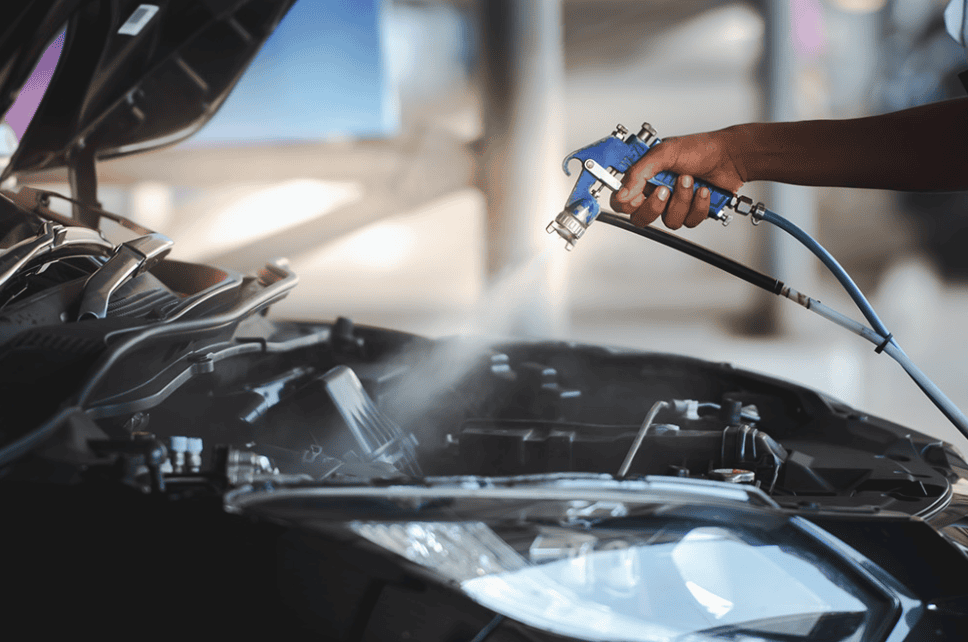
While keeping a vehicle clean is a great habit, cleaning the engine bay is a task that must be done with extreme caution. Many people think they can just point a high-pressure water hose at the engine just like they wash the exterior. However, at Motor Guide, we want to warn you that doing this without proper knowledge can completely destroy your vehicle's valuable electronic systems. Today, we will explain the things you must absolutely avoid when washing your engine.
Spraying Water on a Hot Engine
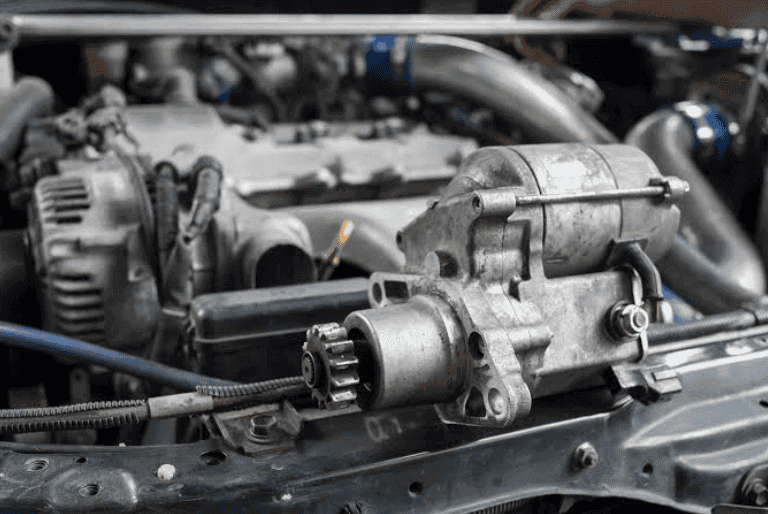
The first and most important rule is to avoid spraying water on an engine that is already hot. Do not wash the engine right after you finish driving. When the engine block and other metal components are at a very high temperature, sudden contact with cold water causes a condition known as "Thermal Shock." This can cause the metal parts to crack or warp. Components like the exhaust manifold are especially vulnerable to being destroyed this way. Turn off the vehicle and let the engine cool down for at least an hour before you start.
Using High-Pressure Water
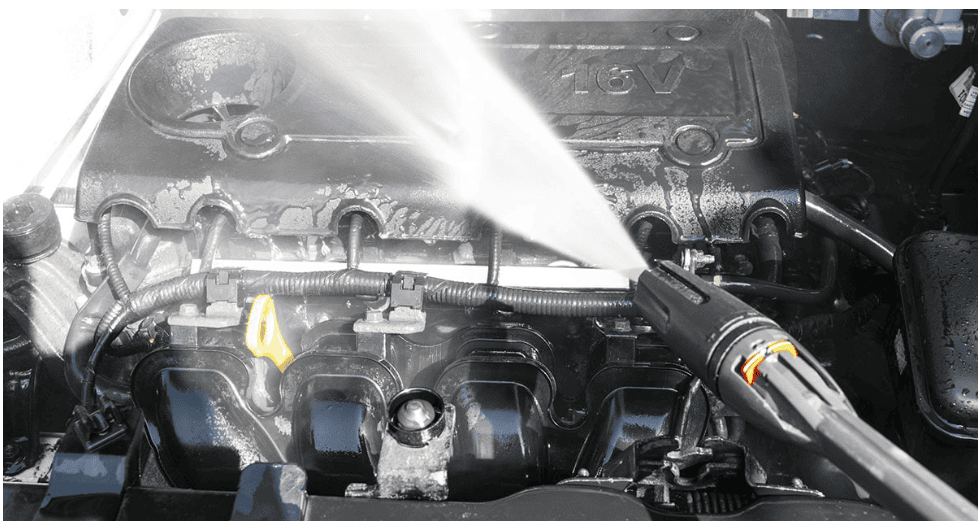
Do not point the high-pressure water hoses found at service stations directly into the engine bay. Modern vehicles are packed with wiring, sensors, and sockets everywhere. The force of high-pressure water can break the rubber seals on sensors and force water inside. It can also loosen or detach wiring harnesses. If you must use water, do it from a distance of about a meter or use very low pressure. Whenever possible, using a damp cloth and a brush to clean it by hand is the safest method.
Failing to Cover Electrical Systems and Sensors
Spraying water without covering the sensitive components in the engine bay is a serious mistake. You must pay special attention to the following:
- Main Battery and Fuse Box: If water gets inside these, the vehicle can short-circuit, potentially burning the wiring.
- Alternator: If water enters this electricity-generating component, it will start to malfunction.
- Air Intake: If water enters the tube that supplies air to the engine, that water can go straight into the cylinders, causing the engine to lock up completely (Hydrolock).
You must securely cover these components using polythene bags before introducing any water.
Using Harsh Chemicals
Many people use kerosene, diesel, or harsh degreasers to remove oil stains. These are extremely harmful to the rubber hoses, plastic components, and wire casings inside the engine. Over time, these chemicals cause the rubber hoses to soften or crack, leading to fuel or coolant leaks. Always use a dedicated "Water-based" degreaser formulated for vehicles. Furthermore, it is mandatory to rinse it off thoroughly so that no chemical residue is left behind.
Cleaning Around Spark Plugs and Injectors
If it is a petrol vehicle and water gets into the spark plug wells, the engine will start misfiring. If the water does not dry, the vehicle won't even start. If water gets trapped in those holes, the plugs can also age prematurely and rust. Therefore, you must be very careful when washing the top of the engine. Immediately after washing, it is highly recommended to use an air compressor to blow out water droplets from every crevice.
Starting the Vehicle Immediately After Washing
Do not be in a rush to start the vehicle right after washing the engine. Remove the polythene covers and wipe away the standing water. Then, leave the bonnet open and let it air dry naturally. If you start the car while there is still water inside the sensor sockets, it can trigger error codes. Once you do start the vehicle, let the engine run and heat up for about 10 minutes; this will help evaporate any remaining moisture.
The Correct Cleaning Method
Truthfully, an engine does not need to be washed with water frequently. By wiping off the dust with a damp cloth every two weeks and applying a silicone spray to the plastic parts, you can keep the engine looking brand new. If you do decide to use water, make sure you strictly follow the guidelines mentioned above.
Motor Guide Advice: If you are not highly confident about doing this yourself, or if your vehicle is packed with modern electronic gadgets, the most suitable and safest option is to hand it over to a professional service station for a proper Steam Clean.

எழுதியவர்
Nisaga Sandaru
A versatile and highly experienced professional, currently an Automobile undergraduate at the University of Jaffna, with strong technical expertise grounded in hands-on work as a technician with SriLankan Airlines Ground Support Equipment (GSE). Holding an Automobile NVQ Level 3 qualification, along with specialized certifications in Vehicle ECU Programming and Diagnosis, and extensive experience in arc welding and vehicle body painting, and well equipped to handle complex automotive, diagnostic, and fabrication-related tasks with a high level of competence.