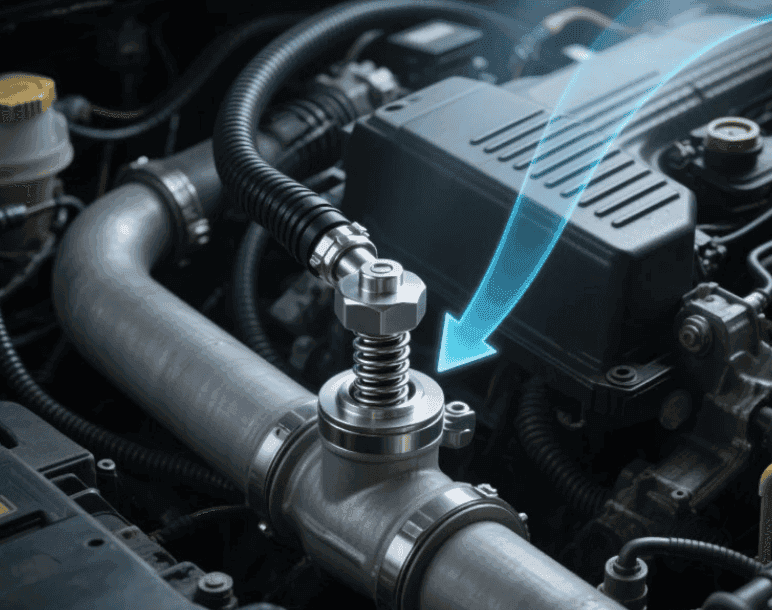
Let’s Take Care of the Engine Properly


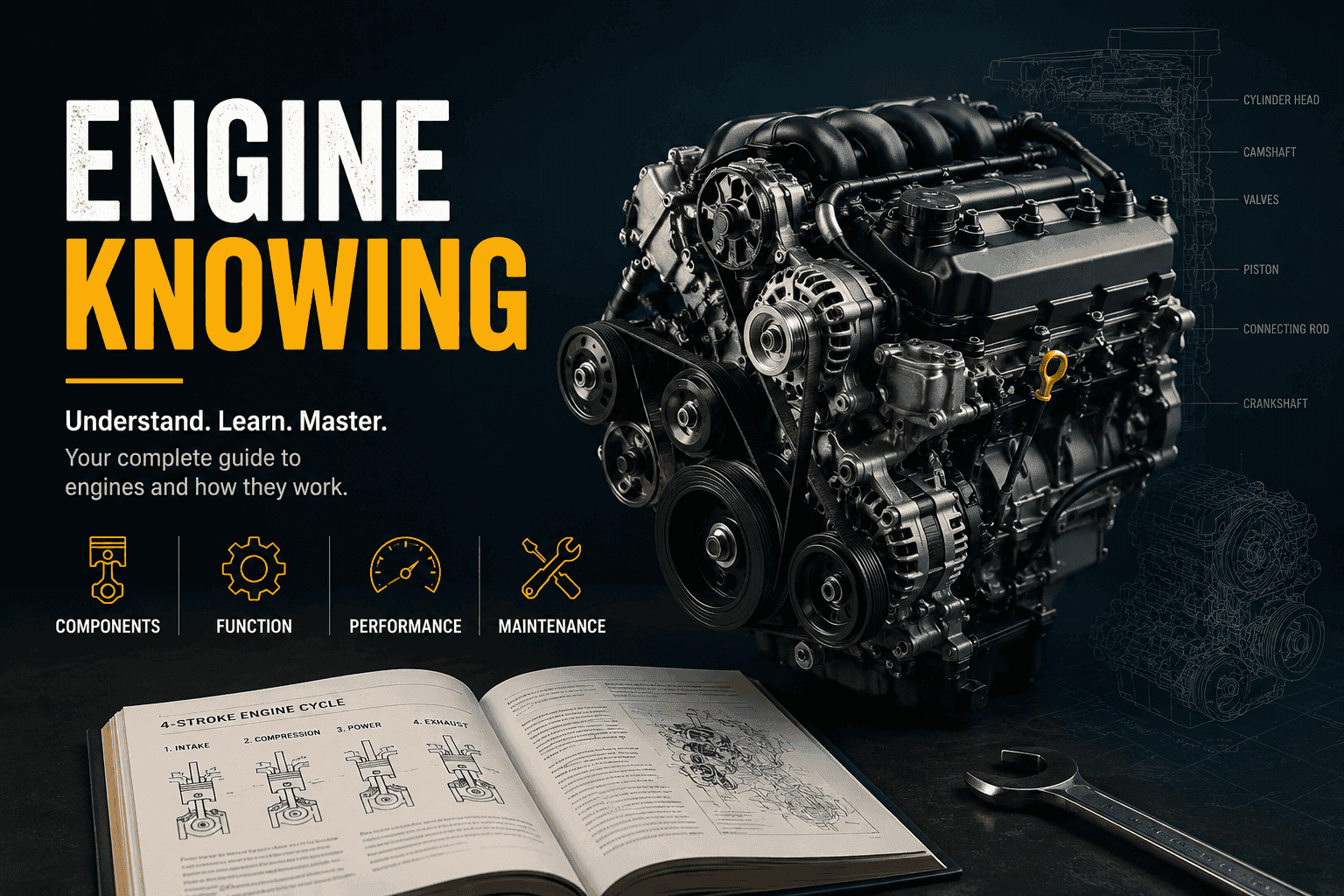
The engine is often referred to as the heart of a vehicle. It’s the component that converts the thermal energy from fuel combustion into the mechanical energy needed to move your car. Without a healthy engine, your vehicle cannot perform efficiently or reliably. That’s why MotorGuide brings you essential tips on how to take proper care of your car’s engine.
1. Change the Engine Oil at the Right Time
Engine oil lubricates moving parts, reduces friction, and prevents premature wear. It also traps dirt particles and ensures smooth operation. To protect your engine:
- Check the oil level once a month.
- Change the oil according to the manufacturer’s recommendation.
- Always use the correct oil grade for your vehicle.
Skipping oil changes can cause sludge buildup, overheating, and long-term engine damage.
2. Check the Cooling System
Excessive heat reduces engine efficiency and can lead to severe damage. Since engines are made of various metals, they generate high temperatures during operation. The cooling system regulates this heat, ensuring smooth performance. Regularly check coolant levels and maintain the system to extend engine life.
3. Watch for Leaks
When restarting your car, check the ground for any signs of oil or fuel leaks. Leaks can point to serious issues and should be inspected by a mechanic immediately. You should also check under the hood periodically for fuel or coolant leakage.
4. Avoid Driving on Reserve Fuel
Fuel contains impurities that settle at the bottom of the tank. If you drive frequently on the reserve level, these particles can enter the fuel lines and damage the engine. This may even lead to sudden stalling. Always refill your tank before reaching the reserve level to avoid such risks.
5. Inspect the Belts
Rubber belts play a vital role in keeping the engine running smoothly. A squealing noise under the hood is often a sign of a worn belt. Check belts regularly for cracks or signs of wear and replace them as needed. If a belt breaks while driving, it can cause major engine damage and costly repairs.
Final Note
By following these steps, you can ensure your vehicle’s engine remains in top condition. Additionally, don’t forget to replace fuel filters, spark plugs, and ignition wires at recommended intervals. Proper maintenance not only extends the engine’s life but also improves fuel efficiency and overall performance.

Written by
Nipuna Marasinghe