Is an Engine Oil Flush Really Necessary?

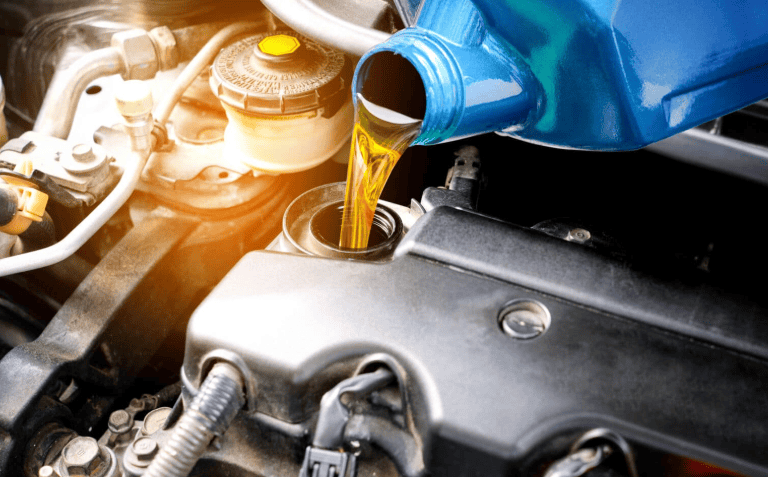
Today at Motor Guide, we are discussing a question many drivers face when taking their vehicle in for a service: is an engine oil flush actually necessary? While your oil is being changed, you might have been advised to "do an engine flush." Some consider this a crucial maintenance step, while others view it as a complete waste of money. Let's dive into the technical reality of what this process does and whether your vehicle really needs it.
Understanding Engine Sludge
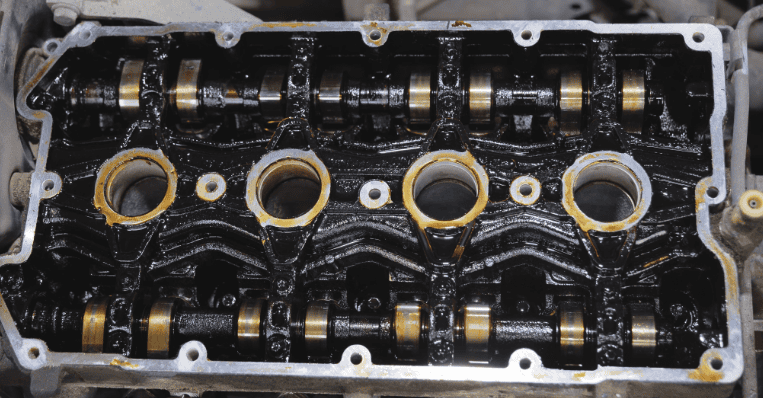
First, we must understand that all engines naturally get dirty over time. Combusted fuel, soot, carbon deposits, and various chemical compounds from the oil accumulate and settle on the internal walls of the engine. We refer to these hardened deposits as "sludge." When you drain the old oil during a standard oil change, the stubborn sludge stuck to the internal components does not drain out completely. It is very similar to trying to wash tough, dried stains out of clothing using only plain water without a specialized detergent.
How an Engine Flush Works
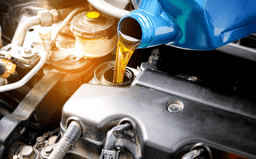
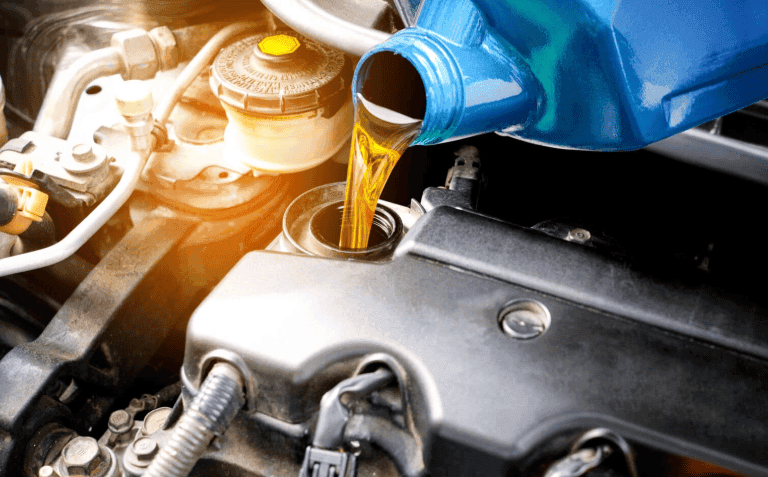
As industry professionals, we explain an engine flush as a targeted cleaning process. Before draining the old oil, a specialized chemical (flush additive) is poured into the engine, and the vehicle is left to idle for about 10 to 15 minutes. This harsh chemical circulates and dissolves the hardened sludge and deposits. When the old oil is finally drained, all that dissolved dirt flows out with it, leaving the engine clean before the fresh oil is introduced.
When to Avoid an Engine Flush
However, not every vehicle needs this treatment. If a vehicle is in excellent condition, has never overheated, and has consistently had its oil changed strictly according to the manufacturer's recommended intervals, frequent engine flushing is entirely unnecessary.
Furthermore, performing a sudden oil flush on an older, high-mileage vehicle that has a poor service history can actually cause catastrophic damage. In highly neglected engines, thick layers of sludge often act as temporary seals for weakened gaskets. A strong chemical flush will dislodge massive chunks of this sludge all at once, which can instantly clog the narrow oil passages. This starves the engine of lubrication and can cause it to seize completely.
When is a Flush Actually Needed?
So, when should you actually do it? If you notice your fresh oil turning pitch black abnormally fast, hear unusual metallic noises from the engine, or if you purchase a used car with zero trust in its previous service history, performing a professional engine oil flush just once can help restore and extend the engine's lifespan. However, doing this at every single oil change is highly discouraged. Standard, high-quality engine oils already contain their own chemical detergents and dispersants that perform gentle, daily cleaning tasks.
Motor Guide's Final Advice
Motor Guide's final advice is that if you consistently use the manufacturer-recommended standard of engine oil and service your vehicle exactly on time, you do not need to worry about engine flushes. Do not waste your money or risk unnecessary engine damage by agreeing to this at every service. However, if the engine shows signs of severe internal sludge buildup, it is wise to use a high-quality flush additive strictly under the supervision of a qualified mechanic.
Stay tuned with Motor Guide for more valuable insights into modern vehicles and technology!

Written by
Nisaga Sandaru
A versatile and highly experienced professional, currently an Automobile undergraduate at the University of Jaffna, with strong technical expertise grounded in hands-on work as a technician with SriLankan Airlines Ground Support Equipment (GSE). Holding an Automobile NVQ Level 3 qualification, along with specialized certifications in Vehicle ECU Programming and Diagnosis, and extensive experience in arc welding and vehicle body painting, and well equipped to handle complex automotive, diagnostic, and fabrication-related tasks with a high level of competence.